
If you’re one of the many backyard chicken enthusiasts who have fallen in love with the gentle nature and stunning looks of Buff Orpingtons, then you’ve probably wondered about their egg-laying abilities. Not only are these chickens a delight to watch, but they also produce an abundance of delicious eggs – and that’s exactly what we’re going to dive into today: the fascinating world of Buff Orpington chicken egg colors! With their rich breed history and impressive egg-laying record, it’s no wonder many chicken keepers want to know more about these lovable birds. In this article, we’ll explore not only how to encourage your Buff Orpingtons to produce eggs with vibrant colors but also the science behind why they lay the way they do – so grab a cup of coffee and let’s get cracking!
The Basics of Buff Orpington Chickens
When it comes to buff orpington chickens, understanding their breed characteristics is essential to appreciating their unique egg-laying abilities and traits. Here, we’ll cover the fundamental aspects of this popular chicken breed.
Origin and History of the Breed
The Buff Orpington breed has its roots in England in the late 19th century. William Bekington is often credited with developing this breed by crossing various breeds such as the Black Orpington and the Golden Langshan. His goal was to create a bird that combined the friendly nature of the Orpington with the rich golden color of other breeds.
In the early 20th century, Buff Orpingtons gained popularity due to their excellent egg-laying abilities, pleasant demeanor, and attractive appearance. Today, they are one of the most sought-after breeds among backyard chicken keepers and farmers alike. Their adaptability to various climates and living conditions has made them a favorite among many poultry enthusiasts.
Interestingly, some heritage Buff Orpingtons still carry the genetic traits that make their eggs a range of colors from light cream to dark brown. This breed’s ability to lay eggs with varying shades and hues is due in part to its history as a cross between different breeds.
Characteristics of Buff Orpingtons
If you’re considering bringing home Buff Orpington chickens, it’s essential to understand their characteristics that make them a popular choice among backyard farmers and chicken enthusiasts. Here are the key traits of this delightful breed.
Physically, Buff Orpingtons are known for their gentle disposition and robust build. They have a thick, fluffy coat in shades of golden-brown to dark red, which makes them easy to recognize. Males typically weigh between 9-12 pounds, while females range from 7-10 pounds. Their medium-length legs support their sturdy frame, making them well-suited for light to moderate egg production.
In terms of temperament, Buff Orpingtons are friendly, docile, and relatively quiet birds. They’re an excellent choice for families with children or for those new to chicken keeping due to their calm nature. With proper care and socialization, they can become quite tame and enjoy human interaction.
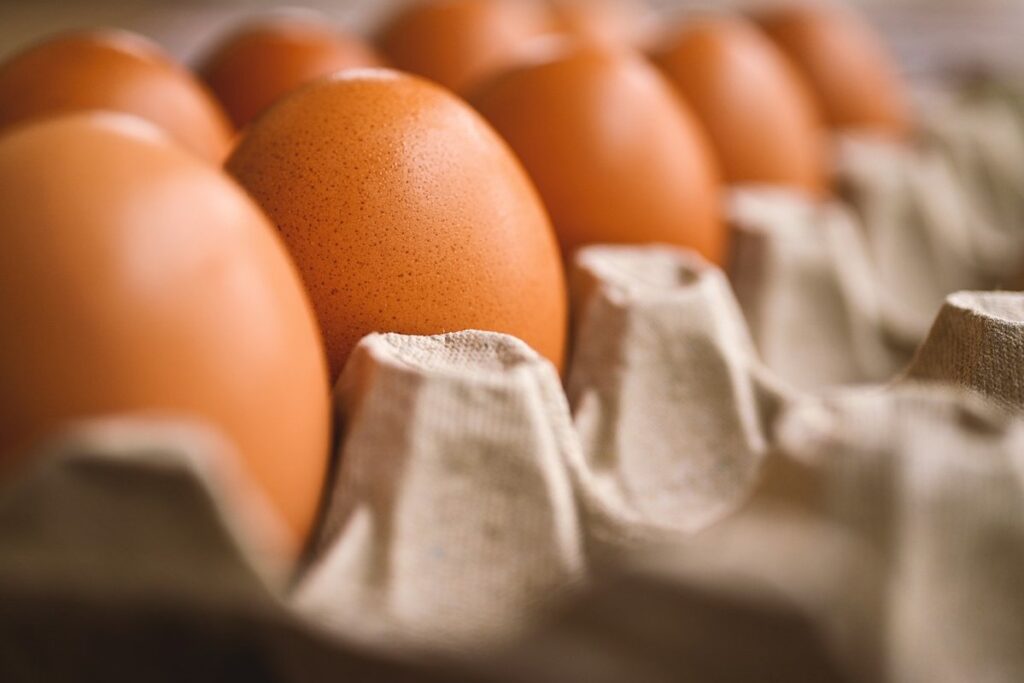
When it comes to egg-laying, Buff Orpington hens are reliable producers of large brown eggs. On average, a healthy female will lay around 200-220 eggs per year, making them a great addition to your backyard flock for a consistent supply of fresh eggs.
Understanding Egg Color in Chickens
When it comes to egg color, Buff Orpingtons are known for producing a lovely brown egg, but have you ever wondered what factors influence their eggshell hue? Let’s dive into the science behind it.
The Science Behind Eggshell Pigmentation
When it comes to understanding egg color in buff orpington chickens, it’s essential to explore the science behind pigmentation. The two primary pigments responsible for eggshell coloration are porphyrins and protoporphyrins. These pigments are produced by the hen’s body through a complex process involving various nutrients and genetic factors.
Porphyrins are responsible for the red, orange, and yellow hues in eggs, while protoporphyrins produce brown and green tones. The interaction between these two pigments determines the final eggshell color. For example, if a buff orpington hen has a high concentration of porphyrins, she will lay eggs with a rich reddish-brown color.
The production of these pigments is influenced by factors such as diet, age, and genetics. A balanced diet rich in nutrients like iron, zinc, and calcium supports the formation of healthy pigments. Additionally, genetic factors play a significant role, as some breeds are naturally more prone to laying eggs with specific colors due to their genetic makeup.
In buff orpington chickens, the interaction between porphyrins and protoporphyrins results in a range of eggshell colors, from light brown to dark chocolate. By understanding the science behind pigmentation, you can take steps to support your hens’ health and potentially influence the color of their eggs.
Factors Affecting Egg Color
When it comes to egg color, you might be surprised at how much of an impact environmental factors can have. The diet and living conditions of your Buff Orpington hens play a significant role in determining the shade and intensity of their eggs.
A balanced diet rich in fruits, vegetables, and grains is essential for producing healthy eggs with vibrant colors. For example, beta-carotene found in orange and yellow produce can give eggs a deeper orange hue. On the other hand, a diet lacking in these nutrients may result in lighter or more pale-colored eggs.
Living conditions also come into play when considering egg color. Buff Orpingtons that have access to plenty of sunlight and fresh air tend to lay eggs with more intense colors. In contrast, hens that are cooped up indoors without adequate light may produce eggs with a duller appearance.
To maximize the color potential of your Buff Orpington’s eggs, make sure they have a balanced diet and access to natural light. Consider adding supplements or increasing the variety of their food to ensure they’re getting all the necessary nutrients for optimal egg production.
Buff Orpingtons’ Egg-Laying Abilities
When it comes to egg-laying, Buff Orpingtons are known for their impressive abilities, producing a high number of eggs throughout their lifespan. Let’s dive into what you can expect from these prolific layers!
Average Egg Production per Year
When it comes to egg production, Buff Orpingtons are known for their impressive output. On average, a healthy Buff Orpington hen will lay around 200-220 eggs per year, with some exceptional individuals reaching up to 300 eggs annually. However, this number can vary depending on several factors.
Nutrition and diet play a significant role in egg production. A high-quality feed rich in protein and calcium is essential for maintaining healthy egg-laying. Additionally, adequate access to fresh water and a clean living environment also contribute to optimal production. Factors such as age, health, and genetics can also impact individual hens’ productivity.
It’s worth noting that Buff Orpingtons tend to slow down their egg production around 4-5 years of age. This is a natural process for many breeds, and it’s not uncommon for older hens to still produce eggs at a slower rate than younger ones. To maximize your Buff Orpington’s potential, make sure to provide them with proper care, including regular health checks, vaccinations, and parasite control.
Seasonal Variation in Egg Production
As you work with your Buff Orpington flock, you may notice that their egg-laying habits change throughout the year. This is due to various factors, including climate, light exposure, and other seasonal changes. In regions with cold winters, for instance, egg production tends to decrease as daylight hours are shorter. Conversely, in areas with mild winters or during the spring and summer months when days are longer, hens will lay more eggs.
As a Buff Orpington owner, it’s essential to be aware of these seasonal fluctuations so you can make informed decisions about your flock’s management. For example, if you notice a decrease in egg production during winter, consider providing supplemental lighting to extend daylight hours and promote egg-laying.
In addition to light exposure, climate plays a significant role in egg production. Extreme temperatures, whether hot or cold, can stress hens and impact their ability to lay eggs. Be sure to provide your flock with adequate shelter and ventilation to regulate their body temperature.
Keep in mind that individual birds may respond differently to seasonal changes. Monitor your hens’ behavior and adjust their care accordingly to ensure they’re thriving throughout the year.
Factors Influencing Egg Color in Buff Orpingtons
As you’re curious about why your Buff Orpington’s eggs are a certain shade, let’s explore some of the key factors that influence egg color. Genetics play a significant role in determining the final hue.
Genetics and Breed Selection
When it comes to the egg color of Buff Orpingtons, genetics play a significant role. The breed’s egg-laying ability is influenced by its genetic makeup, and certain traits can be passed down from parent to offspring. In order to achieve desired egg colors, breeders often select for specific characteristics through careful selection of breeding stock.
For example, if you’re looking to produce eggs with a lighter or darker tone, you’ll want to choose roosters and hens that exhibit the desired trait. This involves understanding the genetic basis of egg color, including the interaction between genes responsible for pigment production.
To give you an idea, the genetics of eggshell color are influenced by multiple loci (locations on the chromosome). These loci interact with one another to produce a wide range of colors, from white to dark brown. By selecting breeding stock that exhibits the desired combination of alleles (different forms of a gene), you can increase the likelihood of producing eggs with the desired color.
In practical terms, this means choosing roosters and hens that have a proven track record of laying eggs with the desired color. You can also use DNA testing to identify genetic markers associated with specific traits, making informed breeding decisions easier.
Nutrition and Diet’s Impact on Egg Color
When it comes to buff orpingtons’ egg color, their diet plays a crucial role in determining the intensity and richness of the color. You see, chickens require specific nutrients to produce pigments responsible for egg coloration. The two main pigments are porphyrins and biliverdin, which contribute to the yellow and brown colors respectively.
A balanced diet rich in omega-3 fatty acids, vitamins A, E, and K can help enhance egg yolk color. For instance, if your buff orpingtons have access to plenty of leafy greens like kale and spinach, they’ll be getting a boost of these essential nutrients. On the other hand, a diet lacking in these nutrients might result in eggs with a pale or washed-out appearance.
To improve the egg color of your buff orpingtons, consider adding supplements like alfalfa meal or dried mealworms to their feed. These rich sources of protein and micronutrients can help intensify the colors. By paying attention to your flock’s diet and ensuring they receive all the necessary nutrients, you can enjoy eggs with vibrant, natural colors that are a testament to the health and well-being of your birds.
Common Egg Colors Produced by Buff Orpingtons
Buff Orpington hens are known for producing a range of egg colors, from cream to dark brown, depending on various factors and genetics. Let’s take a closer look at some common egg colors you can expect!
Light Brown and Cream-Colored Eggs
If you’re lucky enough to have Buff Orpington hens laying eggs for you, you might be surprised by the variety of colors and shades that appear in your egg basket. In addition to the classic brown eggs, some Buff Orpingtons will produce light brown and cream-colored eggs. These eggs are a beautiful sight, with their delicate hues and subtle texture.
Light brown eggs tend to have a slightly warmer tone than white eggs but cooler than dark chocolate brown ones. They often appear more uniform in color, without any noticeable speckling or marbling. Cream-colored eggs, on the other hand, can range from a pale buttery yellow to a creamy off-white hue. Some cream-colored eggs may display a slight pinkish tint, especially around the air cell.
When collecting light brown and cream-colored eggs from your Buff Orpington hens, it’s essential to handle them gently to prevent cracking. These eggs are often more delicate than their darker counterparts, so be sure to support them carefully when transferring them to your egg carton or storage container. By doing so, you’ll ensure that these beautiful eggs arrive at the breakfast table in perfect condition.
Darker Brown and Speckled Eggs
Darker brown eggs are produced when the genetics of your Buff Orpington chicken pass down the eumelanin gene, which is responsible for the production of the pigment that creates a darker brown color. This type of egg color variation occurs due to the interaction between the genes controlling the amount and distribution of eumelanin in the hen’s body. Darker brown eggs often have visible flecks or patches, resulting from uneven distribution of melanin during eggshell formation.
Speckled eggs are another result of genetic variation within Buff Orpington chickens. They occur when there is a mixture of scattered, darker pigment specks on an otherwise light-brown background. Like dark brown eggs, speckled eggs arise due to the interaction between genes controlling eumelanin production and distribution in the hen’s body.
Keep in mind that the exact shade of these egg colors can vary depending on individual bird genetics. As a Buff Orpington owner, you may notice your hens producing eggs with distinct color variations. If this is the case, consider monitoring your flock’s egg-laying patterns and sharing observations with fellow breeders to gain a better understanding of how genetics influence egg color in your flock.
Tips for Raising Buff Orpington Chickens for Desired Egg Colors
Want a variety of egg colors from your buff orpingtons? To achieve different shades, you’ll need to consider their diet and living environment carefully.
Breed Selection and Pairing Strategies
When it comes to raising Buff Orpington chickens for desired egg color traits, breed selection and pairing strategies play a crucial role. You can’t simply pair two Buff Orpingtons together and expect all their eggs to be the same shade of brown or gold.
To achieve specific egg colors, you’ll need to understand how genetics work in chickens. Eggshell color is determined by multiple genes that interact with each other. For example, if you want to breed for darker eggshells, you’ll need to pair birds with a combination of genes that contribute to this trait.
One approach is to introduce breeds known for their desirable egg colors into your flock. For instance, pairing a Buff Orpington with an Easter Egger (known for producing blue and green eggs) won’t yield the desired result. However, introducing a Marans or a Welsummer – both breeds known for their dark brown and dark speckled eggs – could help you achieve darker eggshells.
When selecting pairs, look at the birds’ individual characteristics, such as feather color, comb type, and beak shape. These traits can provide clues about their genetic makeup and potential eggshell colors.
Nutrition and Care Recommendations
To promote healthy egg-laying and desired egg colors, it’s essential to provide your Buff Orpingtons with optimal nutrition. A balanced diet should consist of high-quality commercial chicken feed as the main staple, supplemented with fresh fruits and vegetables. Aim for 10-15% protein content in their feed, as this will support their overall health and fertility.
In addition to a nutritious diet, ensure they have access to clean water at all times. Fresh water is crucial for egg production, so make sure to change the water frequently to prevent bacterial growth. Provide your flock with adequate shelter and protection from extreme weather conditions, such as wind, rain, or direct sunlight.
Maintain a dust bath area for them to keep their feathers clean and healthy. A clean environment will not only promote overall health but also reduce stress levels, which can impact egg production and color. For example, a study found that chickens kept in clean environments laid eggs with better shell quality and increased fertility rates. By following these simple tips, you’ll be well on your way to raising happy and healthy Buff Orpingtons that produce stunning eggs.
Frequently Asked Questions
How to Determine the Optimal Breeding Pair for Desired Egg Colors?
To ensure you get the desired egg color, it’s crucial to select breeding pairs that are compatible for producing specific colors. Research the genetics behind eggshell pigmentation and choose breeds with a history of producing the desired color. For example, if you want light brown eggs, pair Buff Orpingtons with another breed known for its cream or light-brown egg production.
What Factors Affect Seasonal Variation in Egg Production?
Egg production can fluctuate significantly depending on several factors such as daylight hours, temperature, and feed quality. During the winter months, egg production tends to decrease due to reduced sunlight and colder temperatures. Adjust your chicken’s diet and living conditions accordingly to minimize this impact.
Can Nutrition Alone Influence the Hue of My Buff Orpingtons’ Eggs?
While nutrition plays a significant role in overall health and egg production, it has limited direct influence on the hue or color intensity of eggs. However, a balanced diet rich in calcium and other essential nutrients can contribute to a more vibrant and consistent eggshell color.
How Can I Encourage My Buff Orpingtons to Lay More Eggs During Their Laying Cycle?
Encourage your chickens’ natural behavior by providing adequate space, ensuring proper feeding, and maintaining optimal living conditions. Consider supplementing with calcium-rich feed or crushed oyster shells during peak laying periods. Regular health checks and proper parasite management will also help keep them active and productive.
What Are the Long-Term Consequences of Overbreeding for Desired Egg Colors?
Overemphasizing a specific trait, like egg color, can lead to inbreeding depression, compromising overall chicken health. Maintain a balanced breeding program that prioritizes genetic diversity while still aiming for desirable traits.