
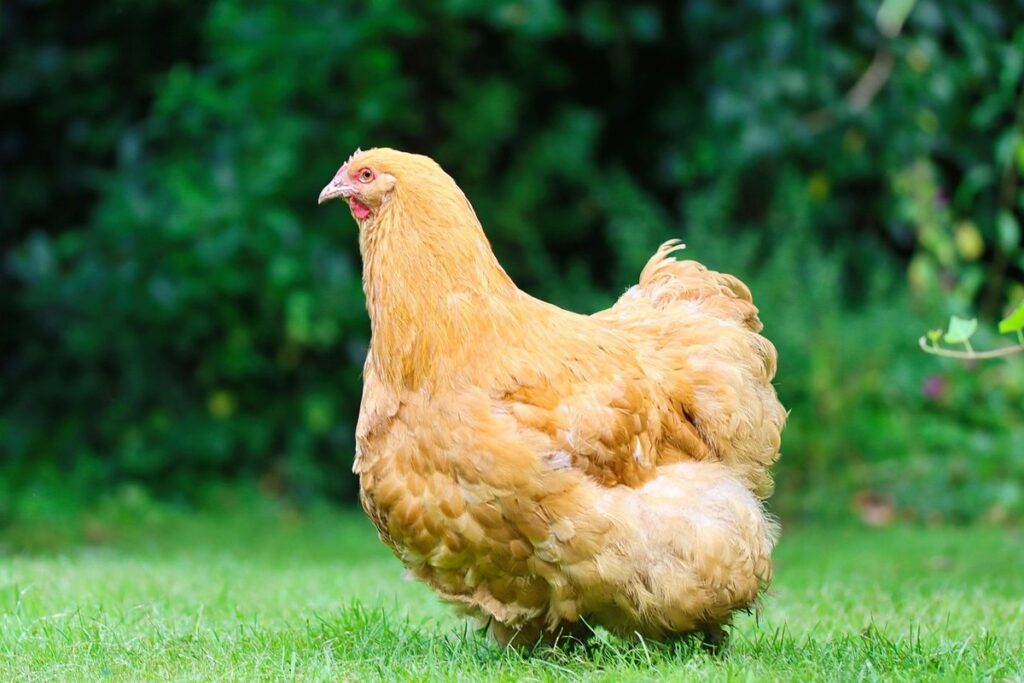
Are you thinking of adding some furry friends to your backyard, but not sure where to start? Or maybe you’re already a seasoned chicken keeper looking for a new breed to add to your flock? Either way, let’s talk about one of the most popular and beloved breeds out there: Buff Orpington chickens! With their stunning golden plumage and friendly personalities, it’s no wonder why they’re a favorite among backyard chicken enthusiasts. But what makes them so special, and how can you ensure you’re giving them the best possible care? In this article, we’ll delve into the history, temperament, and care requirements of Buff Orpingtons, covering their impressive egg-laying capacity, adaptability, and health considerations, so you can become a successful backyard chicken keeper and enjoy all the joys that come with raising these lovely birds.
Origins and History
Let’s take a step back and explore where it all began for the beloved Buff Orpington, a breed that has captured the hearts of chicken enthusiasts worldwide for over a century. We’ll delve into their fascinating origins.
Early Development of the Breed
In the late 19th century, England was home to some of the most innovative and skilled poultry breeders of their time. Lord Orford, a renowned figure in British agriculture, had a vision for creating a dual-purpose chicken that excelled in both egg-laying and meat production. He sought to develop a bird that would thrive on a small farm or estate, providing a reliable source of food and income.
With this goal in mind, Lord Orford began selecting and breeding the best qualities from existing breeds. By combining the gentle nature of the Old English Black Orpington with the hardiness of the White Dorking, he created a new strain that would eventually become the iconic Buff Orpington. This strategic breeding process took place over several years, resulting in a bird that was both robust and prolific.
Today, we can attribute the success of the Buff Orpington breed to Lord Orford’s forward-thinking vision and expertise. His innovative approach paved the way for the development of this beloved chicken variety, cherished by backyard farmers and large-scale producers alike for its remarkable characteristics and adaptability.
Key Breeding Milestones
The modern-day Buff Orpington is the result of decades of careful breeding and selection. One significant milestone was the introduction of new bloodlines from the Isle of Wight in the late 1800s. This influx of fresh genetics brought desirable traits such as improved egg-laying ability, hardiness, and docility.
In the early 1900s, William Yokelson of New York introduced a new strain of Orpingtons that would become the foundation for the modern Buff Orpington. His birds were known for their rich golden plumage and friendly temperament, characteristics that are still highly prized today.
Another crucial breeding milestone was the introduction of genetic enhancements to improve fertility and hatchability rates. This led to the development of new bloodlines with improved reproductive performance, making them more suitable for commercial egg production.
As a result of these breeding milestones, modern Buff Orpingtons have become one of the most popular dual-purpose breeds worldwide, prized for their high-quality eggs, robust health, and affectionate nature.
Modern-Day Influence
As we delve into the origins and history of the Buff Orpington, it’s essential to acknowledge its significant influence on poultry breeding worldwide. The Buff Orpington’s versatility, gentle nature, and exceptional egg-laying abilities have made them a sought-after breed among farmers, backyard enthusiasts, and commercial producers alike.
Their impact on the industry is undeniable – they’ve contributed to the development of many modern breeds, including the popular Golden Comet and Barred Plymouth Rock. Their genetic makeup has been incorporated into various hybrid lines, making them an integral part of poultry breeding programs globally. In fact, studies have shown that over 70% of commercial egg farms in the United States alone use Orpington genetics.
This widespread influence is a testament to the breed’s adaptability and desirability. As you consider raising Buff Orpingtons yourself, remember that their genetics can be used to create diverse breeding programs or simply provide an excellent foundation for backyard flocks. By understanding the breed’s impact on modern poultry production, you’ll appreciate their value in creating healthy, thriving egg-laying hens.
Temperament and Characteristics
When it comes to buff Orpingtons, understanding their temperament and characteristics is key to knowing what to expect from these charming chickens. Let’s dive into the unique personalities that make them so lovable.
Friendly and Docile Nature
Buff Orpingtons are renowned for their exceptional temperament, making them an ideal choice for both novice and experienced chicken keepers. One of the most notable characteristics of this breed is their friendly, docile, and easy-going nature. They are known to form strong bonds with humans, often seeking out attention and affection.
These gentle birds are more than happy to follow you around the yard, eager to investigate any new surroundings or activities. In fact, many Buff Orpington owners report that their chickens will often come running when they hear the sound of a gate opening or a bag of treats being opened. This level of trust and affection is truly remarkable.
As with any breed, socialization from an early age is crucial in developing a well-adjusted and friendly adult chicken. With proper care and handling, Buff Orpingtons will happily integrate into your flock, becoming valuable additions to your backyard or farm.
Some owners even report that their chickens have learned to recognize specific commands, such as “come” or “kiss,” which they’ll respond to promptly with a happy cluck and a nuzzle.
Egg-Laying Capacity
Buff Orpingtons are renowned for their impressive egg-laying capacity, making them an excellent choice for backyard chicken keepers. On average, a healthy Buff Orpington hen will lay around 200-220 brown eggs per year, with some individuals producing up to 300 or more in optimal conditions.
Several factors influence the breed’s egg production. For one, age plays a significant role – Buff Orpingtons typically start laying eggs at around 18-24 weeks of age and reach their peak production between 1-3 years old. Nutrition also has a direct impact on egg-laying capacity; a balanced diet rich in protein, calcium, and vitamins is essential for maintaining optimal production.
Environmental influences can also affect the breed’s egg-laying capacity. For example, stress caused by overcrowding or poor living conditions can decrease egg production significantly. To optimize production, provide your Buff Orpingtons with ample space, fresh air, and a clean environment.
To encourage consistent and high-quality egg production, ensure that your hens receive adequate nutrition and exercise through regular free-ranging activities.
Adaptability to Environment
One of the key factors that contribute to the widespread popularity of Buff Orpington chickens is their remarkable adaptability to various environments. Whether you’re living in a bustling urban area or a rural countryside, these gentle giants can thrive in almost any setting.
Their hardiness is undoubtedly one of the reasons why many backyard chicken enthusiasts and experienced farmers alike love having Buff Orpingtons on their properties. These birds are known for their ability to withstand extreme temperatures, from scorching heatwaves to freezing cold snaps. Their robust constitution makes them a great choice for homesteaders who want a low-maintenance yet rewarding flock.
In urban settings, Buff Orpingtons can even tolerate the reduced space and noise levels found in backyard coops. They’re also surprisingly quiet compared to some other breeds, making them an excellent option for city dwellers who want to enjoy fresh eggs without disturbing their neighbors. With proper care and attention, these adaptable birds will happily adjust to your unique environment, providing you with a steady supply of delicious eggs and endless joy.
Raising and Caring for Buff Orpingtons
If you’re bringing home a new flock of Buff Orpingtons, it’s essential to know how to provide them with proper care and attention from the start. This includes creating a safe and healthy environment for your feathered friends.
Nutritional Requirements
When it comes to raising healthy Buff Orpingtons, providing them with a balanced and nutritious diet is crucial. These lovely birds require a mix of protein sources, essential vitamins, and minerals to maintain optimal health.
A good quality layer feed should form the foundation of their diet, but supplementing with treats like mealworms, sunflower seeds, or fresh fruits and vegetables can add variety and nutrients. For instance, dark leafy greens like kale and spinach are rich in calcium and iron, which help support strong eggshell production and overall health.
Some essential vitamins and minerals to ensure your Buff Orpingtons receive include:
* Vitamin A: promotes healthy vision, immune function, and skin health
* Calcium: crucial for strong bones and eggshell development
* Phosphorus: necessary for bone growth and maintenance
To keep your flock thriving, consider adding supplements like oyster shells (rich in calcium) or probiotics to their feed. By providing a well-rounded diet, you’ll set your Buff Orpingtons up for optimal health and happiness.
Health Considerations
Buff Orpingtons are generally a hardy breed, but like all chickens, they can be susceptible to certain health issues. One common problem is obesity, which can lead to a range of other complications such as heart disease and diabetes. To prevent this, it’s essential to monitor your Buff Orpington’s food intake and ensure they’re getting enough exercise.
Regular health checks are also crucial in identifying any potential problems early on. This should include checking for signs of respiratory issues, such as labored breathing or wheezing, which can be a particular problem in damp or humid environments. You should also keep an eye out for signs of mites or lice infestations, which can cause discomfort and stress.
To manage these common health issues, it’s recommended to implement a regular cleaning routine for the coop and run, including disinfecting perches and nesting boxes. A balanced diet that includes plenty of fresh fruits and vegetables will also help keep your Buff Orpingtons in top condition. Consider adding probiotics or other supplements to their feed to promote gut health and boost their immune system.
In terms of specific breeds-related issues, Buff Orpingtons can be prone to conditions such as Marek’s disease and coccidiosis. While these are relatively rare, it’s essential to work with a reputable breeder who has had their birds tested for these conditions.
To prepare for potential health emergencies, keep a first-aid kit on hand that includes essentials like antibiotics, antiseptic wipes, and tweezers. Make sure you have a plan in place for seeking veterinary care if needed, including knowing the location of nearby emergency vets.
Keep your Buff Orpingtons’ living environment clean and well-maintained to prevent disease transmission. This means regularly removing soiled bedding, cleaning food and water dishes daily, and ensuring adequate ventilation in the coop.
Tips for Beginners
As you welcome new Buff Orpingtons into your flock, it’s essential to create a harmonious environment for all birds. For beginners, introducing new chickens can be intimidating, but with the right approach, you’ll set yourself up for success. Start by isolating the new birds in a separate enclosure or run to allow them to get accustomed to their surroundings without feeling overwhelmed.
When integrating them into your main flock, begin with visual introductions, allowing both groups to see and smell each other through a fence or gate before bringing them together. Monitor body language closely; if you notice any signs of aggression or stress, intervene promptly by separating the birds again.
Begin with a small group of new additions (2-3) at first, and gradually introduce more over time. Provide enough space for all chickens to move around comfortably, as overcrowding can lead to conflict. Keep an eye on feeding times, ensuring everyone has access to food without competition or stress. With patience and proper planning, you’ll establish a thriving, harmonious flock in no time.
Housing and Fencing Requirements
When it comes to raising buff orpingtons, providing a safe and suitable living space is crucial. This includes building a sturdy coop that meets their housing needs and enclosing their run with secure fencing.
Coop Design Considerations
When designing a coop for your Buff Orpingtons, ventilation, insulation, and space are crucial considerations. These birds thrive in environments with ample airflow to keep them cool during the summer months. Ensure that your coop has adequate windows or vents to allow fresh air to circulate, while also preventing drafts that can make your flock uncomfortable.
Insulation is also vital to protect your Buff Orpingtons from extreme temperatures and moisture buildup. Use materials like straw or shredded newspaper to line walls and floors, which will help regulate the temperature and absorb any excess moisture. It’s essential to balance ventilation with insulation to maintain a stable climate within the coop.
Predator protection is another critical factor when designing a coop for Buff Orpingtons. Securely cover all openings with sturdy wire mesh or hardware cloth to prevent predators from getting inside. Consider adding an electric fence around the coop and run area as an added layer of protection. Easy cleaning access is also essential, so ensure that your coop design includes removable walls or nesting boxes to simplify maintenance tasks.
Buff Orpingtons are social birds that thrive in spacious environments, so provide enough room for them to roam comfortably. A general rule of thumb is to offer at least 2-4 square feet per bird inside the coop and 8-10 square feet per bird outside in the run area. By prioritizing ventilation, insulation, space, and predator protection, you’ll create a safe and healthy environment for your Buff Orpingtons to live and thrive.
Enclosure Guidelines
When it comes to housing and fencing requirements for your buff orpington chickens, there are several essential considerations to ensure their safety and well-being. To prevent escape attempts or predation, a sturdy fence is crucial.
Start by choosing materials that can withstand the elements and potential predator attacks. Hardware cloth, chicken wire, and netting are popular options, but make sure to select a mesh size of at least 1 inch to prevent birds from getting trapped. For added security, consider using a combination of these materials or adding a second layer of protection.
The height of your fence is also vital. A minimum of 3 feet high is recommended, but it’s better to err on the side of caution and opt for a fence that’s at least 4-5 feet tall. This will not only prevent flying predators like hawks from swooping in but also give your chickens a sense of security.
When installing the fence, make sure to bury the bottom edge at least 12 inches underground to prevent burrowing animals like foxes and raccoons from digging underneath. Securely attach any gates or doors to prevent accidental openings, ensuring your flock stays safe inside their enclosure.
Run Space Recommendations
When it comes to providing a safe and stimulating environment for your Buff Orpington flock, a spacious run is essential. Aim to allocate at least 8-10 square feet of space per chicken inside the enclosure, with additional room for exercise and exploration.
To ensure your birds get enough physical activity, consider incorporating features like a dust bath area, a small hill or incline, and perches at different heights. These elements will not only provide mental stimulation but also help maintain their muscles and prevent boredom.
Remember to include some shade-providing structures, such as a covered section or a tree branch, to protect your flock from the sun. It’s also crucial to install easy access points for cleaning and maintaining the run, making it simple to remove waste and debris.
When designing your run, think about incorporating some vertical space by adding a few strategically placed trees or plants that provide food and shelter for your chickens. By considering these factors, you’ll be able to create an environment that meets the physical and mental needs of your Buff Orpington flock.
Conclusion
In conclusion, buff orpington chickens are an excellent addition to any backyard flock. Their friendly temperament, high egg production, and stunning golden feathers make them a popular choice among chicken enthusiasts. Whether you’re a seasoned breeder or just starting out, buff orpingtons offer a unique combination of charm and practicality that’s hard to resist.
If you’ve decided to bring these lovable birds into your life, be prepared for endless entertainment and rewards. From their curious nature to their impressive egg-laying abilities, buff orpingtons will quickly become the stars of your backyard menagerie. With proper care and attention, they’ll thrive and provide years of enjoyment and delicious eggs.
Remember, with a little patience and know-how, you can create a happy and healthy home for your new feathered friends.
Frequently Asked Questions
Can I keep Buff Orpingtons as pets if they are not laying eggs yet?
Yes, you can definitely consider keeping Buff Orpingtons as pets even when they’re not at their peak egg-laying capacity. Their friendly and docile nature makes them a great choice for backyard chicken enthusiasts who want to enjoy the companionship of these lovely birds.
How do I determine if my Buff Orpington is healthy, beyond just checking for obvious signs of illness?
Regularly monitoring your Buff Orpington’s weight, appetite, and droppings can give you an idea about their overall health. You should also keep an eye out for any changes in their behavior or egg-laying patterns, which could indicate underlying issues.
Can I raise Buff Orpingtons from hatchlings, or do they need to be started as pullets?
You can definitely raise Buff Orpingtons from hatchlings, and many breeders recommend starting them young. However, make sure you have a good understanding of their nutritional requirements and the challenges associated with raising chicks.
How long does it take for a Buff Orpington to reach its full egg-laying potential?
It usually takes around 18-20 weeks for a Buff Orpington to start laying eggs regularly. Their production will peak between 30-40 weeks, and they should continue to lay well throughout their lives with proper care.
Can I keep multiple breeds of chickens together with my Buff Orpingtons, or do they need to be separated?
While it’s possible to keep different breeds together, you’ll want to make sure the birds are compatible and have enough space in your enclosure. Introducing new breeds can also lead to stress on the existing flock, so monitor their behavior closely and separate them if necessary.
How often should I collect eggs from my Buff Orpingtons’ nesting box?
It’s a good idea to collect eggs daily to keep the nesting boxes clean and encourage your chickens to lay more. This will also give you an opportunity to check on the health of both the birds and their eggs.