
When it comes to backyard chickens, one of the most popular breeds is the Buff Orpington. Not only are they known for their friendly and docile nature, but they also lay a generous number of eggs each week. But have you ever stopped to think about the color of those eggs? From rich brown hues to rare variations, the Buff Orpington egg color range is surprisingly diverse. As an aspiring chicken keeper or seasoned breeder, understanding the factors that influence egg production and the role of selective breeding in shaping desirable traits can be a game-changer for your flock. In this article, we’ll delve into the fascinating world of Buff Orpington eggs, exploring the different shades you can expect to see and what goes into creating those beautiful brown orbs.
Understanding the Buff Orpington Breed
Let’s dive into what makes a Buff Orpington chicken, and how its breed characteristics influence the color of its eggs. This understanding will give you a solid foundation for exploring their unique egg colors.
Origin and History of the Breed
The Buff Orpington breed has its roots in England, where it was first developed in the late 19th century. The primary purpose of creating this breed was to produce a reliable and efficient chicken for farm use. Breeders at that time wanted a bird that could lay plenty of eggs, grow quickly, and thrive on poor quality feed.
The Buff Orpington’s ancestors were primarily the Black Orpington, which was also bred in England during the same period. Over several generations, breeders selectively bred the best characteristics from the original stock to create the Buff Orpington we know today. The result is a robust, friendly chicken that excels as both an egg-layer and a meat producer.
Breeders were successful in creating a bird with excellent egg-laying abilities, and it’s no wonder why the Buff Orpington remains one of the top breeds for home farmers. Its rich history is a testament to its hardiness and adaptability, traits that are essential for any farm or backyard flock.
Physical Characteristics and Temperament
When it comes to choosing the perfect breed for your backyard flock, understanding the physical characteristics and temperament of Buff Orpington chickens is crucial. These gentle giants have become a popular choice among chicken keepers due to their unique features.
Physical characteristics are one of the most noticeable aspects of Buff Orpingtons. They’re known for their fluffy golden-brown plumage, which can range from a light cream color to a deep apricot hue. Their bright orange beaks and legs add a pop of color to their overall appearance. One thing to note is that Buff Orpingtons are a medium-sized breed, making them an excellent choice for smaller backyards.
In terms of temperament, Buff Orpingtons are renowned for their friendly and docile nature. They’re often described as “lap chickens” due to their affectionate personalities. With proper socialization, they can become incredibly tame and enjoy interacting with their owners. This makes them an ideal breed for families or beginners who want a low-maintenance yet rewarding flock.
Egg-Laying Habits of Buff Orpingtons
Let’s take a closer look at how Buff Orpington hens lay their eggs and what factors influence their egg-laying habits, including breed-specific traits. You’ll learn how to expect from your Buff Orpington flock.
Factors Influencing Egg Production
When it comes to egg production, Buff Orpingtons are known for their high productivity, but several factors can influence their ability to lay eggs consistently. A well-balanced diet rich in protein, calcium, and other essential nutrients is crucial for optimal egg production. A lack of these nutrients can lead to reduced egg size, shell thickness, or even a complete stop in egg laying.
Age also plays a significant role in determining an individual Buff Orpington’s egg-laying capacity. Younger hens tend to start laying eggs at around 18-24 weeks, but their egg production will increase as they mature. On average, a healthy Buff Orpington hen can lay around 200-220 large brown eggs per year.
Health conditions such as obesity, reproductive issues, and stress can also impact a hen’s ability to produce eggs. Make sure your flock has access to clean water, adequate ventilation, and regular health checks with a veterinarian to identify any potential issues early on.
A healthy Buff Orpington hen that receives proper care will be more likely to produce high-quality eggs consistently throughout the year.
Average Egg Production and Lifespan
Buff Orpingtons are renowned for their impressive egg-laying abilities, making them an attractive choice for backyard chicken keepers. On average, a healthy Buff Orpington hen will lay around 200-220 eggs per year, with some exceptional layers producing up to 280 eggs annually. However, it’s essential to remember that individual productivity can vary depending on factors such as nutrition, health, and living conditions.
In terms of lifespan, Buff Orpingtons have an average life expectancy of around 5-7 years, although some hens may live longer with proper care. A well-cared-for Buff Orpington hen will typically reach its peak egg-laying capacity between 1-3 years of age, after which production may gradually decline.
To maximize your Buff Orpington’s productivity and lifespan, ensure they receive a balanced diet rich in protein and calcium to support strong eggshell production. Provide adequate space for exercise and foraging, as this will help maintain their overall health and well-being. Regular veterinary check-ups can also help identify any potential issues before they become major concerns. By providing the right conditions and care, you can enjoy a steady supply of eggs from your Buff Orpington hens for many years to come.
Egg Color Variations in Buff Orpingtons
Buff Orpington eggs come in a stunning array of colors, including various shades of brown, buff, and even some surprising variations that’ll make you love collecting them even more. Let’s take a closer look at these unique egg color combinations!
Brown Eggs: The Most Common Color
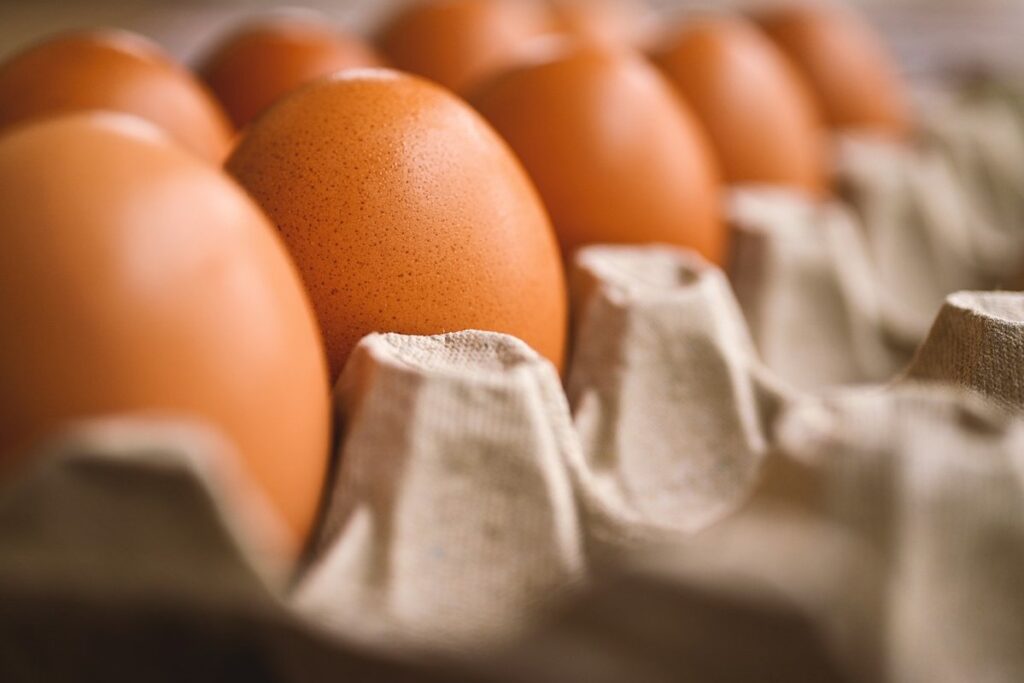
Brown eggs are by far the most common color produced by Buff Orpington hens. In fact, it’s estimated that over 90% of Buff Orpington eggs are a beautiful shade of brown. But what drives this dominance? Genetics play a significant role in determining eggshell color, and for Buff Orpingtons, the genetics favor brown eggs.
The production of brown pigment in eggs is due to the presence of porphyrins, which are produced by the hen’s liver. These pigments are then deposited into the eggshell as it forms. The amount and distribution of these pigments determine the final color of the eggshell. In Buff Orpingtons, the genetic makeup tends to favor a higher concentration of porphyrins, resulting in the brown egg color.
If you’re breeding Buff Orpingtons for their eggs, understanding this genetic aspect can help you make informed decisions about selecting hens that will produce high-quality, consistently colored eggs.
Other Less Common Egg Colors
While Buff Orpingtons are known for their rich brown eggs, some individuals may produce other less common colors. These rare egg colors can be a surprise to even experienced chicken keepers, and understanding their causes can help breeders select for the desired traits.
White eggs, although not entirely unheard of in Buff Orpingtons, are still relatively rare. They often occur when the combination of genes that control the production of brown pigment is disrupted, resulting in an eggshell without the characteristic golden-brown hue. Blue and green eggs, on the other hand, are much rarer in this breed due to their genetic requirements.
The causes of these unusual colors can be attributed to various factors such as genetic diversity, breeding practices, or environmental influences. It’s essential for chicken keepers to note that while these egg colors may not adhere to the traditional brown spectrum, they are still produced by healthy birds and pose no nutritional concerns.
If you’re interested in collecting eggs from Buff Orpingtons, be aware of the possibility of encountering eggs with uncommon colors. While it might be exciting to discover a blue or green egg, remember that these occurrences may not necessarily affect your breeding program.
Factors Affecting Egg Color
When collecting eggs from your Buff Orpington flock, you might notice that eggshell colors can vary greatly, and several factors contribute to these differences. Let’s explore what affects the color of your Buff Orpington eggs.
Genetics vs. Environment
When it comes to the buff orpington egg color range, many backyard chicken enthusiasts wonder whether genetics or environment plays a more significant role in determining the final hue. The truth is that both factors contribute to the intricate dance of colors we see on our eggs.
Genetics set the foundation for a Buff Orpington’s egg-laying abilities, including color. Each breed has its unique genetic predispositions that influence eggshell pigmentation. In buff orpingtons, this means their eggs tend to range from pale cream to dark brown, with an average egg color being a light golden-brown.
However, environmental factors also have a profound impact on the final egg color. Nutrition is one such factor: an inadequate diet rich in calcium can lead to eggs with weakened shells and pale colors. On the other hand, providing a balanced feed high in vitamins and minerals will support strong eggshell development and vibrant colors.
Age is another crucial environmental consideration: younger birds tend to lay lighter-colored eggs as their reproductive systems mature. As they grow older, their eggshells darken naturally due to increased melanin production.
Breeders’ Roles in Shaping Egg Color Traits
Breeders play a significant role in shaping the egg color traits of Buff Orpingtons. They work tirelessly to preserve and develop desirable characteristics that contribute to the breed’s unique identity. By selectively breeding birds with specific egg colors, they can influence the next generation’s traits.
For instance, some breeders prioritize eggs with a rich, dark brown or maroon hue, while others focus on lighter shades of buff or cream. Through meticulous selection and breeding programs, they aim to maintain or introduce new color variations that suit their flock’s needs. Breeders also consider other factors such as eggshell texture and fertility when making breeding decisions.
Preserving the breed’s distinct egg colors requires a deep understanding of genetics and careful planning. To ensure consistent results, breeders often track family lines and individual bird performance over several generations. By doing so, they can identify key contributors to desirable traits and incorporate these characteristics into future breeding programs.
Tips for Encouraging Healthy Egg Production
To ensure your Buff Orpingtons are laying eggs consistently, it’s essential to create an environment that fosters healthy egg production and supports their overall well-being. Here are some valuable tips to help you achieve this goal.
Nutrition and Diet
As we explore the world of buff orpington egg color range, it’s essential to provide our feathered friends with a balanced diet that supports healthy egg production. A well-planned nutrition plan is crucial for hens to lay eggs consistently and maintain their overall health.
To begin, ensure your buff orpingtons have access to high-quality layer feed that meets their nutritional needs. Look for feeds rich in protein (16-18%), calcium (2-3%), and phosphorus (1-2%). These essential nutrients support strong eggshell production, bone growth, and energy levels.
In addition to commercial layer feed, supplement your hens’ diet with fresh fruits and vegetables daily. Leafy greens like kale and spinach are rich in iron, while carrots provide a boost of vitamin A. Avoid giving too many treats high in sugar or fat, as this can lead to digestive issues and negatively impact egg quality.
Aim to provide at least 18 inches of space per hen inside the coop, along with adequate ventilation and lighting. This will help reduce stress, promote overall health, and encourage consistent laying patterns.
Management Practices for Optimal Production
When it comes to managing your Buff Orpington flock for optimal production, there are several key practices to keep in mind. First and foremost, consider the ideal flock size for your operation. A general rule of thumb is to maintain a flock size of 5-7 birds per square foot of housing space. This allows for ample room for movement and reduces stress on individual hens.
Proper housing is also crucial for maintaining healthy and productive Buff Orpingtons. Ensure that your coop provides adequate ventilation, lighting, and temperature control to keep your girls comfortable year-round. A clean and well-maintained living environment will help prevent disease and promote overall health.
Regular health monitoring is essential to identify any potential issues before they become major problems. Check for signs of illness or stress, such as changes in appetite or egg production, droopy wings, or unusual behaviors. Keep accurate records of your flock’s health status and consult with a veterinarian if you notice any concerning trends. By implementing these management practices, you can create an optimal environment for your Buff Orpingtons to thrive and produce their signature golden-brown eggs.
Conclusion: Harnessing the Potential of Buff Orpingtons
As you’ve learned about the stunning egg color range of your buff orpingtons, it’s time to explore how you can harness their full potential and make them a valuable addition to your flock.
Recap of Key Takeaways
As we conclude our comprehensive guide to Buff Orpington egg color range, it’s essential to recap the key takeaways. Understanding and promoting healthy egg production among these lovely birds is crucial for their well-being and yours as a breeder or keeper.
By knowing that Buff Orpingtons are prolific layers, producing an average of 200-220 brown eggs per year, you can plan accordingly and make informed decisions about your flock’s management. Their egg-laying abilities also mean they’re ideal for small-scale farmers and backyard enthusiasts seeking consistent egg supply.
Moreover, we’ve highlighted the importance of monitoring your Buff Orpingtons’ health to prevent issues like reproductive problems or disease, which can negatively impact their egg production. Regular check-ups with a veterinarian and implementing good husbandry practices will help ensure your birds remain healthy and productive.
In summary, by grasping the unique characteristics of Buff Orpingtons, you’ll be better equipped to provide them with optimal living conditions, care, and attention – ultimately leading to improved health and egg production. By following these guidelines, you can unlock the full potential of these wonderful birds and enjoy a thriving flock that brings joy and fresh eggs to your table.
Encouraging Breeders to Prioritize Egg Color Traits
As we conclude our exploration of the Buff Orpington egg color range, it’s essential to emphasize the significance of prioritizing desirable egg color traits in breeding programs. By doing so, you’ll be contributing to a more vibrant and diverse range of chicken breeds.
When evaluating breeders, look for those who place importance on egg color consistency and diversity. A reputable breeder will have a clear understanding of the genetic factors influencing eggshell color and will aim to breed birds that produce eggs with unique characteristics. For instance, if you’re looking for Buff Orpingtons with dark brown eggs, seek out breeders who have selectively bred their flock to emphasize this trait.
To encourage breeders to prioritize egg color traits, focus on the potential benefits of a diverse range of eggshell colors in your breeding program. This can include increased marketability and appeal to customers looking for specific characteristics in their birds. By promoting these desirable traits, you’ll not only enhance the appearance of your flock but also contribute to the overall richness of the chicken breed landscape.
Frequently Asked Questions
Can I expect all Buff Orpington eggs to be the same shade of brown?
While the majority of Buff Orpington eggs will indeed have a rich, dark brown hue, it’s essential to remember that individual birds may lay slightly lighter or darker eggs. However, as you get to know your flock’s unique characteristics, you’ll start recognizing any variations in egg color.
How can I influence the likelihood of my Buff Orpingtons laying rare or unique-colored eggs?
Selective breeding is a significant factor in shaping desirable traits like egg color. By carefully selecting and mating birds that exhibit the desired egg colors, breeders can increase the chances of producing offspring with those characteristics. This process requires patience, research, and a deep understanding of genetics.
What role does nutrition play in determining the color and quality of my Buff Orpington’s eggs?
A well-balanced diet rich in essential nutrients is vital for optimal egg production. Ensure your flock receives adequate calcium, protein, and other necessary minerals to support healthy eggshell formation and vibrant colors. You can also consider supplementing their feed with specific ingredients to enhance egg color intensity.
Can I cross-breed my Buff Orpingtons with other breeds to create a new variety with unique egg colors?
Cross-breeding can be an effective way to introduce desirable traits from one breed into another. However, it’s crucial to carefully plan and execute such breeding programs to avoid any potential health or fertility issues that may arise. Consult experienced breeders or poultry experts before attempting cross-breeding.
How often should I collect eggs from my Buff Orpingtons to ensure they remain healthy and continue laying at their best?
Regular egg collection is essential for maintaining a clean and healthy environment within your coop. Aim to collect eggs daily, taking care not to disturb the birds too frequently. This will help prevent any potential health issues associated with overcrowding or poor hygiene.