
Are you a backyard chicken keeper looking to raise healthy and productive birds? If so, you’re likely curious about the best egg-laying breeds for your flock. One popular choice is the Buff Orpington hen, known for its gentle nature and impressive egg production. But what makes Buff Orpington hen eggs so special? Not only do they offer a unique flavor profile, but they also boast a range of nutritional benefits that can make a big difference in your family’s diet. In this article, we’ll delve into the characteristics, advantages, and health benefits of buff orpington hen eggs, helping you understand why these eggs are an excellent choice for your backyard chicken coop.
Introduction to Buff Orpington Hen Eggs
Let’s dive into the wonderful world of Buff Orpington hen eggs, where you’ll learn what makes their eggs so special and why they’re a popular choice among backyard chicken keepers.
Characteristics of Buff Orpington Chickens
The Buff Orpington breed has been a favorite among backyard chicken keepers for decades. Originating in England in the late 19th century, this gentle giant was bred to be a dual-purpose bird: providing both meat and eggs. Its popularity can be attributed to its friendly, docile nature, making it an ideal choice for families with children or those new to raising chickens.
One of the main reasons Buff Orpingtons are so sought after is their egg-laying abilities. They are known to produce an abundance of large, brown eggs that range from 200-250 grams in weight. With regular care and attention, a Buff Orpington hen can lay up to 280 eggs per year, making them a valuable addition to any backyard flock.
Their eggs are not only abundant but also highly prized for their rich, dark brown color and firm texture. Many chicken enthusiasts swear by the superior taste of Buff Orpington eggs compared to those from other breeds. If you’re looking to raise chickens that will provide you with a steady supply of high-quality eggs, the Buff Orpington is definitely worth considering.
Importance of Choosing the Right Breed for Egg-Laying
When it comes to choosing the right breed for egg-laying, many backyard chicken keepers can get overwhelmed by the numerous options available. Different breeds have varying abilities when it comes to producing eggs, and understanding these differences is crucial for meeting your egg demands.
For instance, some popular breeds like Leghorns are known for their high egg production capacity, laying up to 300 eggs per year. In contrast, other breeds like Plymouth Rock are more moderate producers, laying around 200-220 eggs annually. The Buff Orpington, however, falls somewhere in between, producing an average of 180-200 eggs per year.
While the actual numbers may vary depending on individual birds and living conditions, it’s essential to note that some breeds are naturally better suited for egg production than others. Choosing a breed specifically designed for high egg-laying can save you time, resources, and stress in the long run. If you’re looking to supplement your family’s egg supply or meet a specific demand, selecting the right breed is key.
What Makes Buff Orpington Hen Eggs Special?
Let’s dive into what sets these beautiful eggs apart from others, and discover the unique characteristics that make them so special to egg enthusiasts.
Unique Characteristics of Buff Orpington Eggs
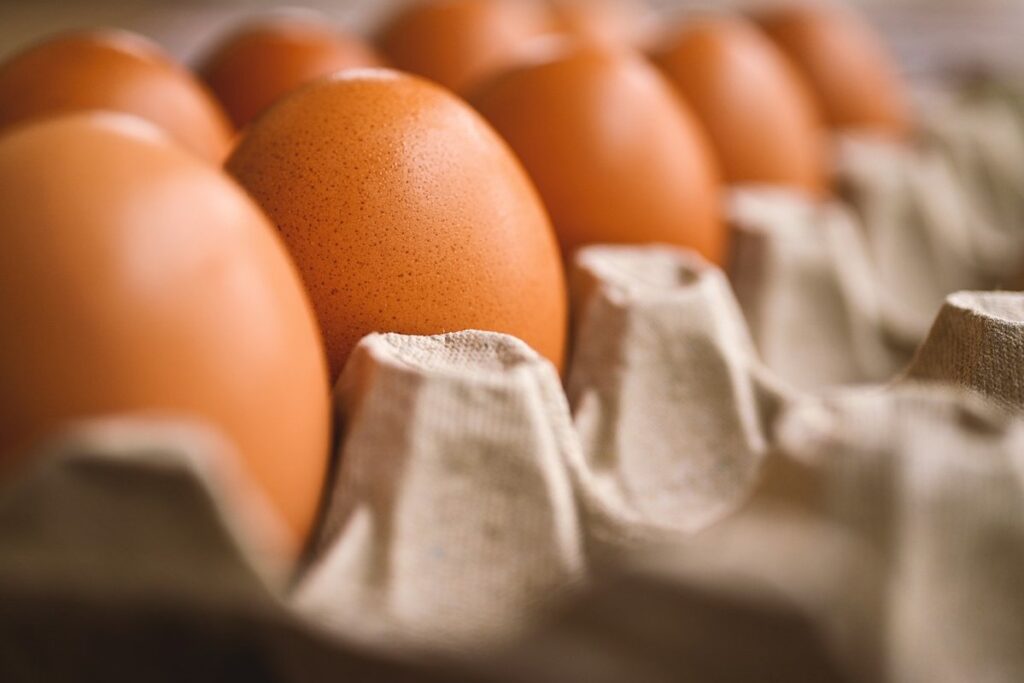
When it comes to buff orpington hen eggs, one of their most distinctive features is their physical appearance. These eggs are medium-sized, typically measuring around 55-60 grams in weight and about 5.2 inches (13.2 cm) long. Their shape is slightly elongated, with a moderate taper at the large end.
One of the most striking aspects of buff orpington eggs is their color. They have a light to medium brown shell that’s often flecked with darker brown spots or patches, giving them a unique and attractive appearance. The shell itself is relatively thick, which helps protect the egg from damage during collection and handling.
These physical characteristics make buff orpington eggs stand out from others in several ways. Their moderate size makes them ideal for baking and cooking whole, while their shape allows for easy peeling after boiling. Additionally, the color of the shell can be a fun bonus when collecting eggs from your backyard flock – each one is likely to have its own unique markings.
It’s worth noting that buff orpingtons are prolific layers, producing an average of 200-220 eggs per year. This means you’ll have plenty of opportunities to admire their beautiful eggs and get creative with recipes using them!
Nutritional Content of Buff Orpington Eggs
When it comes to nutritional content, Buff Orpington eggs stand out from the rest. These eggs are an excellent source of protein, containing about 6-7 grams per large egg. This is due to the hen’s diet, which consists mainly of high-quality feed that promotes optimal nutrition.
One of the most notable benefits of eating Buff Orpington eggs is their omega-3 fatty acid content. While not as high as some other breeds, they still contain a significant amount of these essential fatty acids. Omega-3s play a crucial role in heart health and brain function, making them an excellent addition to any diet.
In terms of vitamins and minerals, Buff Orpington eggs are a good source of vitamin D, B12, and iron. Vitamin D is essential for bone health, while vitamin B12 supports the production of red blood cells. Iron is vital for healthy red blood cell function, reducing the risk of anemia.
To maximize the nutritional benefits of your Buff Orpington eggs, consider choosing eggs from hens that are raised on pasture or have access to fresh greens and fruits. This will ensure that their diet is rich in nutrients, which translates to a more nutritious egg for you.
Health Benefits of Eating Buff Orpington Hen Eggs
When it comes to the health benefits, buff orpington hen eggs stand out for their high levels of omega-3 fatty acids and vitamins. Let’s dive into these advantages in more detail.
The Role of Eggs in a Balanced Diet
Eggs are often misunderstood as being high in cholesterol and saturated fat. However, this misconception has been largely debunked by nutrition experts. The reality is that eggs are an excellent addition to a healthy diet, providing essential nutrients for growth and maintenance.
When consumed in moderation, eggs can be a valuable source of protein, vitamins, and minerals such as vitamin D, B12, and iron. A single large egg contains about 6-7 grams of protein, making them an ideal choice for those looking to increase their protein intake without relying on supplements or processed foods.
Incorporating eggs into your diet can also have numerous health benefits, including improved heart health, enhanced cognitive function, and even support for healthy bones. However, it’s essential to remember that moderation is key when consuming eggs. The American Heart Association recommends limiting dietary cholesterol to 300 milligrams per day, which is easily achieved with a few eggs per week.
To maximize the nutritional benefits of buff orpington hen eggs, focus on variety and balance in your diet. Choose whole, unprocessed foods whenever possible, and aim for a rainbow of colors on your plate to ensure you’re getting a broad range of essential nutrients.
Specific Health Benefits Associated with Buff Orpington Eggs
Eating eggs from Buff Orpington hens may have several health benefits due to their unique nutritional profile. One of the most significant advantages is improved heart health. This is primarily attributed to the high levels of omega-3 fatty acids and vitamin D present in these eggs. Vitamin D plays a crucial role in maintaining healthy blood pressure, while omega-3s help reduce triglycerides and inflammation.
Buff Orpington hen eggs also contain lutein and zeaxanthin, which can enhance eye function and protect against age-related macular degeneration (AMD). These antioxidants work by filtering blue light and reducing oxidative stress on the retina. Studies have shown that consuming foods rich in these carotenoids may reduce the risk of developing AMD by up to 35%.
In addition to improved heart health and eye function, eating Buff Orpington eggs can also provide a boost of energy and support bone health due to their high protein content and calcium levels. When choosing eggs from this breed, it’s essential to opt for pasture-raised or free-range options to reap the most nutritional benefits. This ensures that the hens have access to outdoor space and are fed a diverse diet rich in nutrients.
Raising Buff Orpington Hens: Tips for Backyard Keepers
If you’re considering adding Buff Orpington hens to your backyard flock, here are some essential tips for raising these lovable and laid-back birds successfully. From feeding to breeding habits, we’ve got you covered.
Choosing the Right Environment for Your Buff Orpingtons
When it comes to raising Buff Orpington hens, providing them with an optimal environment is crucial for their health and productivity. These gentle giants require a safe and comfortable space to roam, forage, and lay eggs.
First and foremost, consider the space requirements for your Buff Orpingtons. A minimum of 2-3 square feet per hen inside the coop and at least 8-10 square feet per hen in the run is recommended. This will give them enough room to move around, stretch their wings, and engage in natural behaviors like dust bathing and scratching.
Shelter is another essential element for your Buff Orpingtons’ well-being. The coop should be well-ventilated, dry, and protected from harsh weather conditions. Consider adding windows or vents to ensure airflow and prevent ammonia buildup from droppings. A secure roof will also shield them from predators like hawks, foxes, and raccoons.
When it comes to climate considerations, Buff Orpingtons are hardy birds that can tolerate a range of temperatures. However, they still require protection from extreme heat or cold. In hot climates, provide shade structures or misting systems to keep them cool. In colder regions, ensure the coop is insulated and draft-free.
Ultimately, creating a welcoming environment for your Buff Orpingtons will not only improve their quality of life but also boost egg production. By prioritizing space, shelter, and climate considerations, you’ll be well on your way to raising happy, healthy hens that produce delicious eggs all year round.
Nutrition and Care for Healthy Egg Production
To ensure your Buff Orpingtons receive optimal nutrition and care, leading to healthy egg production and overall well-being, it’s essential to focus on providing a balanced diet. A high-quality layer feed specifically formulated for chickens should make up the bulk of their diet, supplemented with fresh fruits, vegetables, and proteins like mealworms or crickets.
Provide access to clean, fresh water at all times, changing it daily to prevent bacterial growth. Ensure your flock has regular exercise and mental stimulation through activities such as foraging, scratching posts, and social interaction.
Aim to provide 16-18 hours of daylight per day by installing supplemental lighting in the coop or running a light during winter months. This will help regulate their internal clocks and support egg production.
Regular health checks can also prevent any issues that may affect your Buff Orpingtons’ well-being, such as parasites or diseases. Consider consulting with a veterinarian specializing in poultry care to establish a preventative maintenance routine tailored to your flock’s needs.
Collecting and Storing Buff Orpington Hen Eggs
When it comes to collecting your Buff Orpington hen eggs, you’ll want to make sure they’re safely gathered from the coop and stored properly to maintain their freshness. Let’s explore how to collect and store these delicious eggs.
Proper Handling and Storage Techniques
When collecting and storing Buff Orpington hen eggs, it’s essential to handle them gently and store them in a cool, dry place. This may seem like a no-brainer, but it plays a significant role in maintaining the quality of the eggs.
Gentle handling is crucial as eggs are delicate and can be easily damaged if dropped or subjected to rough movements. When collecting eggs from the coop, make sure to scoop them up carefully, cupping your hands around the egg to support its weight. Avoid jostling or tossing the eggs, as this can cause cracks and damage to the shell.
When storing eggs, prioritize a cool, dry place with consistent temperatures between 39°F and 50°F (4°C and 10°C). Avoid storing them near drafty areas, direct sunlight, or humid environments, which can lead to moisture accumulation and spoilage. The ideal storage location is typically in a designated egg carton or container, away from strong-smelling foods and odors that can affect the eggs’ quality.
Proper handling and storage techniques not only preserve the integrity of the eggshell but also impact its nutritional value. When handled roughly or exposed to extreme temperatures, eggs may lose some of their beneficial nutrients, such as vitamin C and B vitamins.
Tips for Keeping Your Eggs Fresh Longer
When it comes to collecting and storing Buff Orpington hen eggs, one of the most important factors is keeping them fresh for as long as possible. Proper storage can make a significant difference in extending the shelf life of your eggs.
To prevent spoilage, store your collected eggs in a cool, dry place away from direct sunlight. The ideal temperature range for storing eggs is between 39°F and 45°F (4°C to 7°C). You can also store them in the refrigerator, but make sure to keep them in their original carton to maintain humidity.
Another key factor is handling your eggs gently to prevent cracking, which can lead to bacterial contamination. When collecting eggs from your coop, handle each egg individually and place them in a separate container to avoid jostling or crushing.
By following these simple storage tips, you can keep your Buff Orpington hen eggs fresh for up to 5 weeks without sacrificing their quality or nutritional value.
Conclusion: Why You Should Consider Raising Buff Orpington Hens for Their Eggs
Now that you’ve learned all about the wonderful characteristics of buff orpington hen eggs, let’s discuss why raising these hens is a great choice for backyard chicken keepers. They’re perfect for small farms and homesteads alike!
Summary of Key Points
When it comes to raising hens for their eggs, Buff Orpingtons stand out from the rest. We’ve discussed at length why this breed is an excellent choice for backyard chicken keepers and small-scale farmers. Let’s quickly recap the key points that make Buff Orpington hen eggs so special.
They’re dual-purpose birds, meaning they provide a steady supply of large to extra-large brown eggs while also growing well enough to be raised for meat. Their egg-laying ability is impressive, with an average production of around 200-220 brown eggs per year. This is significantly higher than some other popular breeds like Leghorns.
Buff Orpingtons are known for their friendly and docile nature, making them a joy to care for and interact with. They’re relatively low-maintenance birds that require minimal space and can thrive in small backyard flocks. With proper care and management, Buff Orpingtons can live up to 8-10 years, providing a long-term commitment to egg production.
In summary, Buff Orpington hen eggs offer a unique combination of egg-laying ability, friendly temperament, and adaptability that makes them an excellent choice for anyone looking to raise hens for their eggs.
Final Thoughts on Why Buff Orpingtons Are a Great Choice for Backyard Chicken Keepers
If you’ve made it this far through our comprehensive guide to Buff Orpington hen eggs, you’re likely convinced that these stunning birds are a fantastic choice for backyard chicken keepers. And rightly so! Their incredible egg-laying abilities, gentle nature, and attractive plumage make them an ideal breed for anyone looking to start or expand their flock.
What sets Buff Orpingtons apart from other breeds is their remarkable adaptability. They thrive in a variety of environments, from small backyards to larger farms, making them perfect for urban and rural areas alike. With proper care and attention, they’ll reward you with an abundance of delicious and nutritious eggs – an average of 200-220 brown eggs per year, to be exact.
Remember, the key to raising healthy Buff Orpingtons lies in providing a balanced diet, plenty of space to roam, and regular health checks. With their friendly demeanor and impressive egg-laying abilities, it’s no wonder why many backyard chicken keepers swear by these magnificent hens. By choosing Buff Orpingtons as your flock, you’ll not only enjoy an endless supply of fresh eggs but also develop a deeper connection with nature and the joy of raising your own chickens.
Frequently Asked Questions
Can I raise Buff Orpington hens in a small backyard chicken coop?
Yes, Buff Orpingtons are an excellent choice for small backyards due to their gentle nature and relatively low space requirements. However, it’s essential to provide enough room for them to move around comfortably, about 2-4 square feet per bird inside the coop, and 8-10 square feet in the run.
How do I ensure my Buff Orpington hens are laying eggs year-round?
To promote consistent egg production throughout the year, make sure your hens have access to a balanced diet rich in protein and calcium. Additionally, provide adequate light for them during winter months by installing supplemental lighting or using LED grow lights specifically designed for poultry.
Can I eat Buff Orpington hen eggs raw or should they be cooked?
Yes, you can eat Buff Orpington hen eggs raw, but it’s crucial to handle and store them properly to minimize the risk of salmonella. Always wash your hands before and after handling eggs, and store them in a clean, dry place at room temperature.
How often should I collect my Buff Orpington hen eggs?
Collect eggs daily, ideally morning or evening when hens are most active. This will help prevent breakage, ensure proper hygiene, and encourage the hens to continue laying eggs.
Can I breed my own Buff Orpington chickens from their eggs?
Yes, you can attempt to breed your own Buff Orpingtons from their eggs if you have experience with poultry breeding and follow proper techniques. However, it’s essential to start with high-quality birds and maintain strict health standards to ensure the best results.
What are some common health issues affecting Buff Orpington hens?
Common health issues affecting Buff Orpington hens include mites, lice, respiratory problems, and egg binding. Regularly inspect your flock for signs of illness, keep a clean coop, and provide access to fresh water and air to prevent these issues.
How can I store my excess Buff Orpington hen eggs?
Store excess eggs in a cool, dry place at room temperature (around 40°F) away from direct sunlight. You can also consider freezing them for later use by submerging them in cold water or using an egg-specific freezer bag.