
Are you considering adding some lovable fluff to your backyard or flock? Look no further than the adorable Buff Silkie chicken! Originating from Asia, these gentle birds have captured the hearts of many with their unique appearance and low-maintenance care. As a popular choice among both hobby farmers and show enthusiasts, Buff Silkies are known for their calm nature, making them an ideal addition to any family or flock.
In this article, we’ll delve into the characteristics that make Buff Silkies so endearing, including their distinctive traits and needs. We’ll also explore the benefits of keeping these birds as pets or show birds, from their ease of care to their unique characteristics. Whether you’re a seasoned chicken keeper or just starting out, you’ll learn everything you need to know about bringing home your very own Buff Silkie.
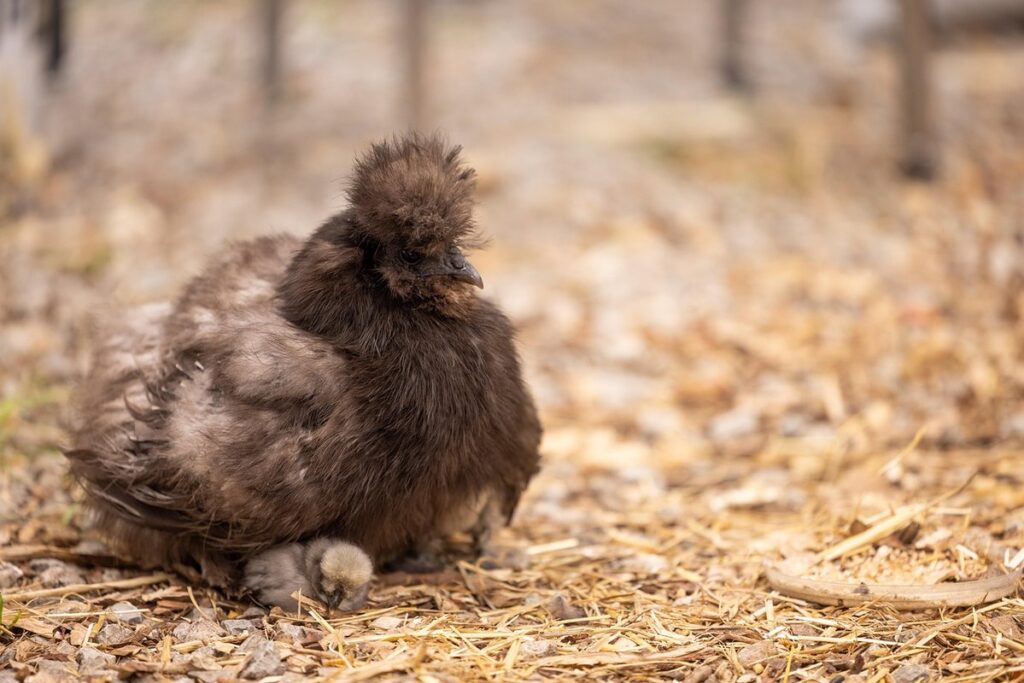
What are Buff Silkies?
So you’re new to the wonderful world of buff silkies, and you want to know where these gorgeous birds come from? Let’s dive into their origins and characteristics.
Origin and History
The origins of the Buff Silkie breed date back to ancient times, with records showing that similar-looking birds were present in China and Europe as far back as 3000 BC. It’s believed that Silkies were developed from a combination of Japanese and Indian breeds, which were later introduced to Europe by traders and travelers.
As the popularity of exotic poultry grew in Europe during the 19th century, breeders began to selectively breed Silkies for their unique characteristics. In 1886, the first standard for the Silkie breed was established in England, with the Buff variety being recognized as one of its variants.
Interestingly, it’s thought that Silkies were highly prized by ancient royalty due to their beautiful appearance and temperament. Today, enthusiasts worldwide continue to cherish these lovable birds for their fluffy feathers, playful personalities, and rich history.
With over 1,000 years of selective breeding under their belt, the Buff Silkie has become a beloved breed among chicken keepers and collectors alike, prized for its gentle nature and stunning looks.
Characteristics of the Breed
The Buff Silkie is a distinctive and charming breed that immediately captures attention with its unique appearance. One of the most notable characteristics of this breed is its fluffy, soft plumage, which gives it a soft, cotton-like texture. This gentle-looking bird has a broad face, short beak, and small comb, setting it apart from other breeds.
In terms of temperament, the Buff Silkie is known for being friendly, docile, and affectionate. They are often described as “lap chickens” due to their love for human interaction and attention. This makes them an excellent choice for families with children or for those who want a low-maintenance pet that will still provide plenty of companionship.
When it comes to egg-laying abilities, the Buff Silkie is a moderate producer, laying around 100-120 light-brown eggs per year. While they may not be as prolific as some other breeds, their gentle nature and charming appearance make them a popular choice among backyard chicken keepers who value personality over production.
Advantages of Keeping Buff Silkies as Pets
Keeping buff silkies as pets has numerous benefits that make them an ideal choice for backyard chicken enthusiasts and families alike, offering a unique experience. You’ll discover why these birds are so well-suited as companions in this section.
Gentle Nature
Buff Silkies are renowned for their gentle nature, making them an ideal choice for families with children. These amiable birds are highly affectionate and love human interaction, which is one of the reasons they make such wonderful pets.
One of the most notable characteristics of Buff Silkies is their calm demeanor. They are relatively quiet compared to other chicken breeds and are not prone to aggressive behavior. This makes them an excellent choice for families with children who want a pet that’s easy-going and gentle.
In fact, many Buff Silkie owners have reported that these birds will often follow their owners around the house, seeking attention and affection. They’re also known to be quite playful, enjoying activities like chasing toys or scratching in the dirt.
To introduce your children to a Buff Silky, start by letting them watch the bird from a safe distance before gradually increasing interaction time. Be sure to teach your kids how to handle the chicken gently and respectfully, as this will help build trust between the two.
By incorporating a Buff Silky into your family’s routine, you’ll not only have a loving companion but also a valuable teaching tool for children about responsibility, empathy, and compassion towards animals.
Low Maintenance
If you’re considering bringing home a new feathered friend, you might be thinking about space and maintenance requirements. Fortunately, Buff Silkies are relatively low maintenance compared to other breeds, making them an excellent choice for backyard chicken keepers or those with limited space.
One of the reasons why Buff Silkies stand out is that they require less space to roam around. They have a moderate egg-laying capacity, producing about 200 brown eggs per year, which means you don’t need to provide as much room for them to move around as you would with more prolific breeds. In fact, a small yard or even a large balcony can be sufficient for these charming birds.
In terms of care, Buff Silkies are also relatively easy-going. They’re hardy and adaptable to different environments, which means they can thrive in various climates and living conditions. This low-maintenance requirement is perfect for busy owners who want to enjoy the companionship of their feathered friends without sacrificing too much time or effort.
Friendly Personality
One of the most endearing aspects of keeping buff silkies as pets is their exceptional friendly personality. These charming birds are renowned for forming strong bonds with their owners, making them a joy to have around the farm or backyard. Buff silkies are social creatures that thrive on interaction and attention from humans.
Their affectionate nature allows them to quickly adapt to new surroundings and environments, which makes them an excellent choice for families with children or as pets for first-time chicken keepers. In fact, buff silkies are known to follow their owners around the yard, happily pecking at their feet or perching on their shoulders.
To encourage a strong bond between you and your buff silkie, spend quality time with them daily by offering treats, playing with them, or simply sitting with them in their coop. With patience and consistency, your buff silkie will learn to recognize and respond to its name, making it easier to interact and care for this delightful bird.
Health Considerations for Buff Silkies
When bringing home a buff silkie, it’s essential to consider their specific health needs, particularly when it comes to managing heat stress and respiratory issues.
Common Health Issues
As you navigate the wonderful world of Buff Silkies, it’s essential to be aware of some common health issues that can affect these beautiful birds. Feather pecking is one issue that can arise, particularly among hens and pullets. This behavior can lead to stress, injury, and even death if left unchecked.
Frostbite is another concern for Buff Silkie owners in colder climates. Their fluffy feathers may look adorable, but they also make them more susceptible to cold temperatures. If your Silkies are exposed to prolonged periods of frost, their combs and waddles can become severely damaged, leading to painful infections and other complications.
To mitigate these risks, it’s crucial to provide a balanced diet that includes essential nutrients, maintain a clean and spacious living environment, and take steps to prevent feather pecking. This may involve providing ample foraging opportunities, introducing enrichment activities, or separating birds with different personalities. By being proactive about your Buff Silkies’ health, you can help them thrive and live long, happy lives.
Nutrition and Diet
When it comes to keeping Buff Silkies healthy and thriving, nutrition and diet play a crucial role. These lovely birds require a balanced diet that meets their specific nutritional needs. As a Buff Silkie owner, it’s essential to understand what foods are best for your flock.
A good starting point is to offer high-quality commercial pellets or crumbles as the main staple of their diet. These products provide a balanced mix of nutrients and can be easily mixed with fresh fruits and vegetables to add variety and encourage healthy eating habits. Some recommended treats include leafy greens like kale, spinach, and collard greens, as well as chopped carrots, apples, and sweet potatoes.
It’s also important to consider the nutritional needs of your Buff Silkies at different stages of life. For example, pullets (young females) require more calcium-rich foods to support strong eggshell production, while breeders need a diet rich in protein to promote healthy breeding habits.
When feeding your Buff Silkies, be sure to provide fresh water at all times and vary their diet regularly to prevent boredom and ensure optimal nutrition. A well-planned diet will help keep your Buff Silkies happy, healthy, and thriving for years to come.
Veterinary Care
Regular veterinary check-ups are essential for maintaining the health and well-being of your Buff Silkies. These birds can be prone to certain health issues, such as respiratory problems, parasites, and reproductive disorders. Regular checks with a veterinarian can help identify potential issues early on, preventing them from becoming more serious and costly to treat.
When choosing a veterinarian, look for one who has experience working with poultry. They should have knowledge of the specific needs of Silkies and be able to provide guidance on vaccinations, parasite control, and other health-related matters. It’s also essential to check reviews, ask for referrals, or contact local chicken-keeping clubs to find a reputable and skilled veterinarian.
Consider scheduling annual check-ups, or more frequently if you notice any changes in your birds’ behavior or health. A thorough examination will help identify potential issues before they become severe. Don’t hesitate to reach out to your veterinarian with questions or concerns – early intervention can make all the difference in maintaining the health and happiness of your beloved Buff Silkies.
Some key points to discuss with your veterinarian include:
* Vaccination schedules specific to your region
* Strategies for managing parasites, such as mites and lice
* Breeding and reproductive advice
* Nutrition and feeding plans tailored to your birds’ needs
Breeding and Raising Buff Silkies
Breeding and raising buff silkies is a rewarding experience, but it requires careful planning and attention to detail to produce healthy, thriving birds. This section will guide you through the process of successfully breeding and raising these beautiful chickens.
Breed Standards
When selecting a breeder or purchasing chicks for your Buff Silkie flock, understanding breed standards is crucial to ensure you’re getting high-quality birds. Breed standards outline the desirable characteristics of the breed, including physical attributes, temperament, and performance.
For Buff Silkies, look for birds with a luscious golden-brown plumage, soft and fluffy feathers, and a compact, gentle demeanor. According to the American Bantam Association (ABA), Buff Silkies should weigh between 24-28 ounces and have a small, rounded comb. When selecting a breeder, choose one who prioritizes these breed standards.
When evaluating chicks, check for even spacing of their feathers, a well-developed beak, and bright, inquisitive eyes. A reputable breeder will also provide you with documentation on the parents’ performance, including fertility rates and egg production. Don’t be afraid to ask questions – a good breeder will be transparent about their breeding program and happy to share information.
Remember, investing in high-quality birds upfront will pay dividends in the long run as they grow into healthy, productive members of your flock.
Housing and Equipment
When it comes to raising Buff Silkies, providing a suitable environment is crucial for their health and well-being. When setting up housing for your birds, consider the size of the coop and run. A good rule of thumb is to provide at least 4-5 square feet of space per bird inside the coop, and an additional 8-10 square feet in the run. This will give them room to move around comfortably.
You’ll also want to ensure proper ventilation, lighting, and insulation in the coop. A south-facing window or a skylight is ideal for natural light, but make sure it’s covered during peak sun hours to prevent overheating. Add some nesting boxes (one per 3-4 hens) and roosting bars for them to perch on.
When it comes to equipment, you’ll need a reliable watering system, feeders, and a cleaning schedule in place. Automatic doors or a secure lock can also help with predator protection. For example, consider using a chicken tractor or movable coop that allows your birds to forage freely while keeping them safe from predators. Remember to research local building codes and regulations before starting your project.
Health Testing and Certification
When breeding and raising buff silkies, it’s crucial to prioritize health testing and certification. This ensures that you’re not only producing high-quality birds but also safeguarding the well-being of both the chickens and those who handle them.
A sound breeding program begins with thorough genetic evaluation. This includes a battery of tests for inherited diseases common in breeds like the buff orpington, from which the silkies originated. The most critical ones are for Marek’s disease, avian leukosis/sarcoma, and infectious burstal disease. These tests enable you to assess your stock’s overall health and identify potential issues before they spread.
Certification through organizations such as the American Poultry Association (APA) or the National Pullet Association (NPA) provides a stamp of approval for healthy birds. This is especially important if you plan to sell or trade your buff silkies, as buyers often look for this assurance. By prioritizing health testing and certification, you’ll create a strong foundation for your breeding program and ensure that the birds you produce are not only lovely but also robust and long-lived.
Showing and Exhibiting Buff Silkies
When it comes to showing and exhibiting your prized buff silkies, you’ll want to know what to expect at a poultry show and how to prepare your birds for competition. This is where experience and knowledge come in handy!
Preparing Your Bird
Preparing your buff silkie for shows requires attention to detail and patience. Start by getting your bird accustomed to being handled regularly, as this will help it become more comfortable with the handling process during the show. Grooming is also crucial; make sure to brush its fluffy feathers daily to prevent matting and tangling.
When it comes to presentation, focus on showcasing your bird’s unique features. Buff silkies are known for their soft, silky plumage and sweet temperament, so be sure to emphasize these characteristics in the show pen. Pay attention to posture, as a well-carried bird will make a more favorable impression than one slumped or hunched.
It’s also essential to familiarize your bird with its surroundings before the actual show. Take it for regular outings to get accustomed to new environments and reduce stress during competition. With consistent handling, grooming, and exposure to new situations, you’ll be well-prepared for a successful showing experience.
Show Rules and Regulations
When showing and exhibiting buff silkies, it’s essential to familiarize yourself with the show rules and regulations. Breed standards are a crucial aspect of poultry shows, outlining the ideal characteristics of a buff silkie. These standards specify parameters for plumage quality, beak shape, comb type, and overall appearance.
Judging criteria also play a significant role in determining a buff silkie’s competitiveness. Judges evaluate birds based on their adherence to breed standards, as well as their overall health, temperament, and presentation. In poultry shows, there are typically multiple competition levels, ranging from junior classes for young birds to senior classes for more mature birds.
To succeed in these competitions, it’s crucial to understand the specific show rules and regulations. For example, some shows may have restrictions on vaccinations or medications, while others may require specific documentation for imported birds. Understanding breed standards and judging criteria will help you better prepare your buff silkies for competition.
Benefits of Showing
Showing and exhibiting Buff Silkies can be an incredibly rewarding experience for breeders. Not only does it allow you to showcase your flock’s quality and characteristics, but it also provides a sense of personal satisfaction and accomplishment.
By participating in shows and exhibitions, you have the opportunity to gain valuable feedback from experienced judges and breeders, helping you refine your breeding program and improve the overall quality of your birds. This can be particularly beneficial for new breeders, as it allows them to learn from others and gain a deeper understanding of what makes a top-notch Buff Silkie.
In terms of potential rewards, showing and exhibiting can lead to recognition and awards within the poultry community. Many breeders also find that showcasing their birds helps to promote the breed and attract new enthusiasts to the hobby. Whether you’re a seasoned breeder or just starting out, showing your Buff Silkies can be a fun and rewarding experience that brings numerous benefits to both you and your flock.
Conclusion: The Rewards of Keeping Buff Silkies
Now that you’ve learned all about these delightful birds, let’s talk turkey – what are the real rewards of keeping Buff Silkies as a part of your flock?
Personal Satisfaction
Keeping Buff Silkies as pets or breeding them for show can be an incredibly rewarding experience that brings a sense of personal satisfaction and joy. As you spend time with these gentle birds, you’ll likely find yourself looking forward to each new day spent with them.
One reason why Buff Silkies are so satisfying to keep is their friendly and affectionate nature. They’re known to form strong bonds with their owners, and they love nothing more than being pampered and played with. Whether you have a small backyard or a large farm, Buff Silkies will thrive under your care, bringing endless entertainment and laughter into your life.
For breeders, the process of raising these beautiful birds can be just as rewarding as showing them off in competitions. Watching your Buff Silky chicks grow into stunning adults is an experience like no other, and there’s nothing quite like seeing one of your birds take home a prize at a show. Whether you’re a seasoned breeder or just starting out, the journey of raising Buff Silkies is sure to bring its own unique joys and rewards.
As you explore the wonderful world of Buff Silkies, remember that these birds are not just pets – they’re also teachers. They’ll teach you about responsibility, patience, and compassion, all while providing endless hours of entertainment and companionship.
Building a Community
As you continue to enjoy the delightful company of your buff silkies, remember that sharing the experience with like-minded enthusiasts can be incredibly rewarding. Building a community of fellow Silkie lovers not only enriches your own knowledge but also fosters meaningful connections and friendships.
One of the best ways to connect with others who share your passion is through online forums or social media groups dedicated to buff silkies. These platforms offer a space to ask questions, share experiences, and learn from others who have encountered similar challenges or successes. For instance, you can join Facebook groups like ‘Silkie Lovers’ or ‘Buff Silkie Enthusiasts’ where members regularly post updates about their birds, including tips on breeding, health, and behavior.
To get the most out of these online communities, don’t be afraid to participate actively by sharing your own insights and experiences. This not only helps others but also deepens your understanding of buff silkies as you reflect on what works best for your flock.
Frequently Asked Questions
Can Buff Silkies adapt to cold climates?
Yes, despite their fluffy appearance, Buff Silkies have a surprisingly hardy constitution and can thrive in cooler temperatures. However, they still require some protection from extreme cold snaps, so ensure your coop is well-insulated and draft-free.
How do I introduce new Buff Silkie chicks to my existing flock?
When introducing new chicks to an established flock, it’s essential to do it gradually and under close supervision. Start by keeping the chicks in a separate enclosure and allowing them to become familiar with each other through visual contact. Gradually increase their interaction time until they can be housed together.
Can I breed Buff Silkies for exhibition if I don’t have prior experience?
Yes, while prior breeding experience is beneficial, it’s not essential to breed high-quality Buff Silkies for exhibition. With thorough research and guidance from experienced breeders or mentors, you can learn the necessary skills to produce excellent show birds.
What are some common health issues in Buff Silkies?
Buff Silkies are generally a healthy breed but may be prone to certain conditions like frostbite, obesity, and respiratory problems if not properly cared for. Regular monitoring of their diet, exercise, and living conditions will help prevent these issues.
How can I ensure my Buff Silkie’s feathers remain healthy and fluffy?
To maintain your Buff Silkie’s stunning plumage, provide them with a balanced diet rich in protein, ensure access to fresh water, and avoid over-bathing or excessive handling of their feathers. Regular grooming, including cleaning the vent area and removing soiled feathers, will also help keep their coat looking its best.