
The Buff Wyandotte is one of the most beloved breeds among backyard chicken enthusiasts, and for good reason. This stunning bird boasts a unique combination of striking looks and charming personality that’s sure to capture your heart. With their rich history dating back to the 19th century, Buff Wyandottes have been prized by farmers and hobbyists alike for their exceptional egg-laying abilities, friendly nature, and striking golden-brown plumage.
As you consider bringing home this lovable bird, it’s essential to understand its temperament, health considerations, and expert care tips. In this article, we’ll delve into the world of Buff Wyandottes, exploring their history, physical characteristics, and what makes them such a popular choice among chicken keepers. Whether you’re an experienced breeder or a newcomer to the world of backyard chickens, we’ll provide you with the knowledge and guidance you need to give your new feathered friend the best possible start in life.
History and Origins of the Buff Wyandotte
The buff wyandotte’s roots date back to the late 19th century, when breeders crossed local game birds with Asiatic breeds, creating a unique and striking species. Let’s explore its fascinating history together!
Early Development and Breeding
In the mid-19th century, the foundation of the Buff Wyandotte breed was laid. Breeders were determined to create a chicken with striking characteristics that would set it apart from other breeds. The process began with selecting birds that exhibited desirable traits such as vibrant plumage and compact size. These early breeding efforts led to the development of several distinct strains, each showcasing unique variations of the Buff Wyandotte’s signature appearance.
Breeders focused on refining specific features, including the bird’s feather pattern, comb shape, and tail length. This selective breeding allowed them to concentrate on accentuating the breed’s natural beauty while maintaining its health and vigor. By emphasizing these key attributes, early developers laid the groundwork for a distinct breed that would eventually become known as the Buff Wyandotte.
As you consider getting involved with this stunning breed, take note of the care and attention that went into shaping it over the years. Understanding the history behind the Buff Wyandotte can help you appreciate its unique features and encourage responsible breeding practices in your own flock.
Influences from Other Breeds
The development of the Buff Wyandotte breed can be attributed, in part, to the influence of other breeds such as the Brahma and Cochin. These birds were brought over from Europe by early American poultry enthusiasts and were highly valued for their gentle nature and impressive size.
In particular, the Brahma’s large frame and calm demeanor are thought to have contributed significantly to the Buff Wyandotte’s characteristic appearance and temperament. Breeders of the time were keen to combine these desirable traits with those of other breeds, such as the Cochin’s unique feather pattern and robust constitution.
As a result, the resulting breed was both majestic in size and possessed a stunning golden-brown plumage that has become synonymous with the Buff Wyandotte. If you’re considering breeding your own Buff Wyandottes, it’s essential to understand the influence of these earlier breeds on its development. This will enable you to make informed decisions about breeding strategies and help you appreciate the rich history behind this beloved breed.
Physical Characteristics of the Buff Wyandotte
When it comes to physical characteristics, you’ll want to know that the Buff Wyandotte is known for its distinctive golden-brown plumage and attractive feather pattern. Let’s take a closer look at what makes this breed so visually stunning.
Plumage and Feathering
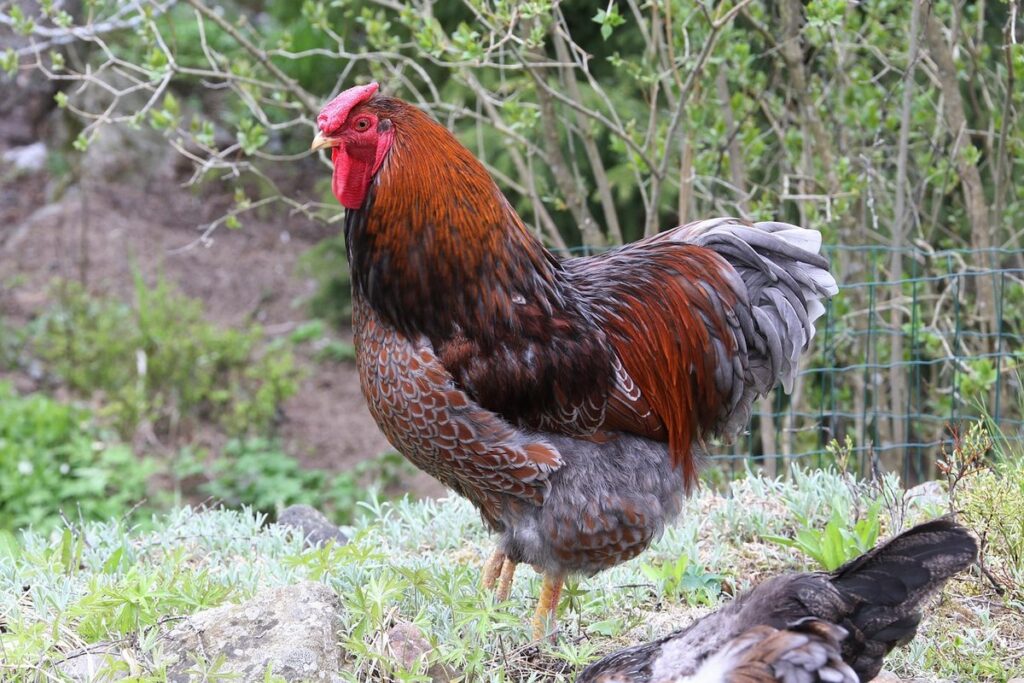
One of the most distinctive and attractive features of the Buff Wyandotte is its beautiful plumage. The breed’s feathers are a rich, warm buff color with a subtle sheen that catches the light. The texture of their feathers is soft and fluffy, making them a joy to touch and behold.
In terms of maintenance, the Buff Wyandotte’s plumage requires moderate care. Daily grooming is essential to prevent matting and tangling, which can be particularly problematic in breeds with long or curly feathers like the Wyandotte. A quick once-over with a soft-bristled brush or your fingers will help keep their feathers looking their best.
To add some extra luster to your Buff Wyandotte’s plumage, try using a gentle feather conditioner or oil on a weekly basis. This will not only make their feathers look healthier and more vibrant but also help repel pests like mites and lice.
Regular molting is another aspect of the Buff Wyandotte’s feathering that owners should be aware of. During this process, your bird may lose a significant amount of feathers, which can leave them looking a bit scrappy for a while. However, with patience and proper care, their plumage will grow back in no time, looking more beautiful than ever.
Size and Build
When it comes to the physical characteristics of the Buff Wyandotte, one of the most noticeable features is its overall size and build. On average, a mature Buff Wyandotte will weigh between 5-7 pounds (2.3-3.2 kg), with some individuals reaching up to 8 pounds (3.6 kg) or more in weight. As for height, they typically stand around 14-16 inches (35.5-40.6 cm) tall.
In terms of body type, the Buff Wyandotte is a sturdy and compact breed, with a broad chest and well-sprung ribs. Its feathers are long and flowing, particularly on the hackle and saddle areas, which gives them a lush and fluffy appearance. The overall effect is one of substance and balance, making the Buff Wyandotte a pleasing sight to behold.
When considering adding a Buff Wyandotte to your flock, keep in mind that their size and build can vary depending on sex. Males tend to be larger than females, so it’s essential to choose birds that are well-proportioned and balanced for their breed standard.
Temperament and Personality Traits
When it comes to their temperament, buff Wyandottes are known for being friendly, outgoing, and affectionate birds that thrive on human interaction. They’re perfect companions for families or experienced owners looking for a loyal feathered friend.
Friendly and Affectionate Nature
One of the most endearing qualities of the Buff Wyandotte breed is their incredibly friendly and affectionate nature. They have a way of making you feel like they’re always happy to see you, whether you’ve been gone for five minutes or five hours. These birds are known for being gentle with their owners, children included, and make excellent family pets.
In fact, Buff Wyandottes are often described as “lap birds” because they love nothing more than snuggling up in your lap and receiving attention from their owners. They’re also surprisingly social and get along wonderfully with other animals, making them a great addition to households with multiple pets.
If you’re thinking of bringing a Buff Wyandotte into your home, be prepared for a lifelong commitment to cuddling and playtime. These birds thrive on human interaction and will happily entertain themselves in their cages if they receive enough attention during the day. To foster this affectionate nature, make sure to spend quality time with your bird daily, engaging in activities like feeding, grooming, and playtime.
Exercise Needs and Energy Level
When it comes to the exercise needs of your Buff Wyandotte, it’s essential to understand that this breed requires regular physical activity to stay happy and healthy. Unlike some other breeds, Buff Wyandottes are not high-energy birds, but they still need daily exercise to maintain their physical and mental well-being.
Aim for at least 30 minutes of exercise per day, which can be broken down into shorter sessions if needed. Some examples of suitable exercises include providing toys filled with treats or puzzle toys that challenge your bird’s problem-solving skills, as well as flying time in a securely enclosed area such as a playstand or aviary.
Remember to tailor the intensity and duration of exercise according to your Buff Wyandotte’s age, size, and individual energy level. For instance, younger birds may require more frequent and intense sessions than older, less energetic ones. Always supervise your bird during exercise time to ensure its safety and provide fresh water and rest breaks as needed.
Regular exercise will help maintain your Buff Wyandotte’s physical health while also reducing stress levels and boredom, which can lead to undesirable behaviors such as feather pecking or screaming.
Health Considerations and Common Issues
When keeping buff Wyandottes as pets, it’s essential to be aware of potential health concerns that may arise, such as respiratory problems and obesity.
Respiratory Problems
As you work with your Buff Wyandotte, it’s essential to be aware of common health issues that can affect this stunning breed. One significant concern is respiratory problems caused by its large size. The Buff Wyandotte’s broad chest and deep body make it prone to breathing difficulties, especially during hot weather or when exercising.
Respiratory issues in the Buff Wyandotte can range from mild to severe, making it crucial for owners to monitor their bird’s behavior closely. Keep an eye out for signs such as labored breathing, wheezing, or coughing. If you notice any of these symptoms, consult with a veterinarian experienced in poultry care.
To minimize the risk of respiratory problems, ensure your Buff Wyandotte has a spacious and well-ventilated coop. Provide regular exercise outside the coop, but avoid exercising during peak heat hours. Maintain a balanced diet rich in essential nutrients, and keep an eye on weight management to prevent obesity-related breathing issues. By being proactive and vigilant, you can help your Buff Wyandotte live a happy and healthy life.
Other Potential Issues
When it comes to health considerations and common issues in Buff Wyandottes, there are several other potential concerns to be aware of beyond respiratory problems. One issue that can affect the breed is obesity, which can lead to a range of complications including diabetes, heart disease, and joint issues.
To maintain a healthy weight in your Buff Wyandotte, ensure they receive regular exercise through daily walks and playtime. A balanced diet is also crucial; limit treats and choose nutrient-rich foods specifically formulated for chickens. Monitor your bird’s food intake closely to avoid overfeeding.
Another concern specific to the breed is feather conditions, such as feather pecking and molting issues. Feather pecking can lead to stress and nutritional deficiencies if left unaddressed. Implement strategies like providing a varied diet rich in calcium and offering scratching posts to help manage feather maintenance. Regular grooming sessions also help prevent matting and tangling.
In addition, Buff Wyandottes may be prone to skin conditions such as scaly leg mites and lice infestations. Regularly inspect your bird’s plumage and legs for any signs of irritation or unusual growths.
Caring for Your Buff Wyandotte: Tips and Best Practices
To keep your stunning buff wyandottes happy and healthy, it’s essential to establish a routine that includes regular grooming and a balanced diet. Proper care will also help prevent common health issues in this breed.
Nutrition and Feeding Habits
As a Buff Wyandotte owner, it’s essential to provide your feathered friend with a balanced diet that meets its nutritional needs. A well-planned feeding regimen will not only keep your bird healthy but also promote vibrant plumage and energetic behavior.
When selecting a commercial feed for your Buff Wyandotte, look for a high-quality pellet specifically formulated for poultry birds. Ensure the product is free from fillers, artificial colors, and preservatives. You can also supplement with fresh fruits, vegetables, and grains to add variety to their diet. Some healthy options include leafy greens like kale and spinach, berries, and whole wheat bread.
A general rule of thumb is to provide a mix of 50-60% commercial feed, 20-30% fresh produce, and 10-20% treats. Avoid overfeeding, as this can lead to obesity and related health issues. Rotate your Buff Wyandotte’s diet seasonally to reflect what they would naturally forage on in the wild. By following these guidelines, you’ll be well on your way to raising a happy, healthy, and stunning Buff Wyandotte.
Environmental Enrichment and Housing
Providing a suitable environment for your Buff Wyandotte is crucial for its overall well-being. A well-designed coop and run will help to maintain the bird’s physical and mental health. Ensure that the coop has adequate ventilation to prevent ammonia buildup from droppings, which can cause respiratory problems in birds.
When it comes to space, a general rule of thumb is to provide at least 3-4 square feet of floor space per bird inside the coop. However, more space is always better, as it allows for easier movement and reduces stress on your Buff Wyandotte. Consider adding some perches, roosting bars, and nesting boxes to make the coop feel like a comfortable home.
When planning your run, think about providing shade, shelter from wind and rain, and protection from predators. A secure fencing system will help prevent escape attempts by your curious birds. By prioritizing environmental enrichment and housing, you’ll be setting up your Buff Wyandotte for a happy and healthy life.
Show Preparation and Breeding Considerations
When preparing to show off your buff wyandotte, it’s essential to consider the specific needs of this breed, particularly when it comes to breeding and presentation. Proper preparation will ensure you make a great impression.
Preparing for Shows
When it’s time for your Buff Wyandotte to shine in the show ring, preparation is key. Start by getting them accustomed to handling and being touched all over their body, as some breeds can be sensitive about this. You can begin by gently stroking their feathers, working from head to tail, and gradually introducing more invasive techniques like wing and tail trimming.
Grooming is an essential aspect of show preparation for Buff Wyandottes. Their beautiful golden plumage requires regular maintenance to keep it clean and healthy-looking. Be sure to brush your bird daily to prevent matting and tangling, paying extra attention to the areas around the vent and under the wings. Keep your Buff Wyandotte’s beak trimmed and their nails neat to avoid any unsightly or uncomfortable conditions.
Practice handling techniques with your Buff Wyandotte in everyday situations, such as picking them up gently, supporting their weight, and helping them get into their show cage. This will help them become confident and calm in the show ring environment.
Breeding and Raising Chicks
Breeding and raising buff wyandotte chicks requires careful attention to detail, especially when it comes to sexing and caring for them. Sexing is crucial, as you’ll want to ensure that the pullets (female chicks) are raised separately from the cockerels (male chicks). This can be done at around 4-5 weeks of age, but it’s essential to have some experience with sexing before attempting it.
When raising buff wyandotte chicks, provide them with a warm and safe environment. A temperature range of 95-100°F is ideal for the first week, gradually decreasing by 5°F each week thereafter. Make sure they have access to fresh food and water at all times, and consider using a starter feed specifically formulated for young chickens.
Some breeders recommend using a brooder with a heat lamp or ceramic heat emitter to provide consistent warmth. However, be cautious not to overheat the chicks, as this can lead to respiratory issues. With proper care and attention, your buff wyandotte chicks will thrive and develop into stunning adults, exhibiting the characteristics that make this breed so sought after in show competitions.
Frequently Asked Questions
How Do I Introduce My New Buff Wyandotte to the Rest of My Flock?
When introducing a new Buff Wyandotte to your existing flock, it’s essential to do so gradually to prevent stress and potential conflicts. Start by keeping the birds separated at first, allowing them to get accustomed to each other’s presence and scents. Once they seem comfortable with each other’s proximity, you can begin supervised interactions, monitoring their behavior for signs of aggression or fear.
Can Buff Wyandottes Be Kept in Small Backyards?
Buff Wyandottes are relatively adaptable birds that can thrive in smaller spaces if properly cared for. However, it’s crucial to ensure they have enough room to exercise and engage in natural behaviors such as foraging and scratching. A minimum of 2-4 square feet per bird is recommended, along with adequate shelter and protection from the elements.
How Often Should I Check My Buff Wyandotte’s Respiratory Health?
Regular health checks are crucial when owning backyard chickens, including monitoring respiratory issues that can affect Buff Wyandottes. Look for signs such as labored breathing, wheezing, or coughing, and inspect your birds’ living conditions regularly to prevent the buildup of ammonia fumes from droppings.
Can I Breed My Own Buff Wyandotte Chicks?
Breeding your own Buff Wyandotte chicks can be a rewarding experience, but it requires careful consideration and planning. Ensure you have suitable breeding stock with desired characteristics, and follow proper breeding and hatching procedures to produce healthy offspring.
How Do I Handle Common Health Issues in My Buff Wyandottes?
Common issues like respiratory problems or mites can arise in backyard chickens, including Buff Wyandottes. To handle these situations effectively, maintain a clean living environment, provide regular vaccinations (if necessary), and seek veterinary advice promptly when you notice any unusual symptoms or behaviors.