
If you’re a duck owner or enthusiast, you know how much your feathered friends love to roam and forage in open spaces. However, providing them with adequate shelter is just as crucial as giving them plenty of space to move around. A well-designed pasture shelter can protect your ducks from harsh weather conditions, predators, and diseases while also promoting a healthy and stress-free environment. In this article, we’ll explore the key features, types, and considerations for building the perfect pasture shelter for your ducks. From choosing the right materials to designing a functional layout, we’ll cover everything you need to know to create a happy and healthy home for your flock. By following our expert tips and guidelines, you can provide your ducks with a safe and comfortable place to rest, eat, and grow.
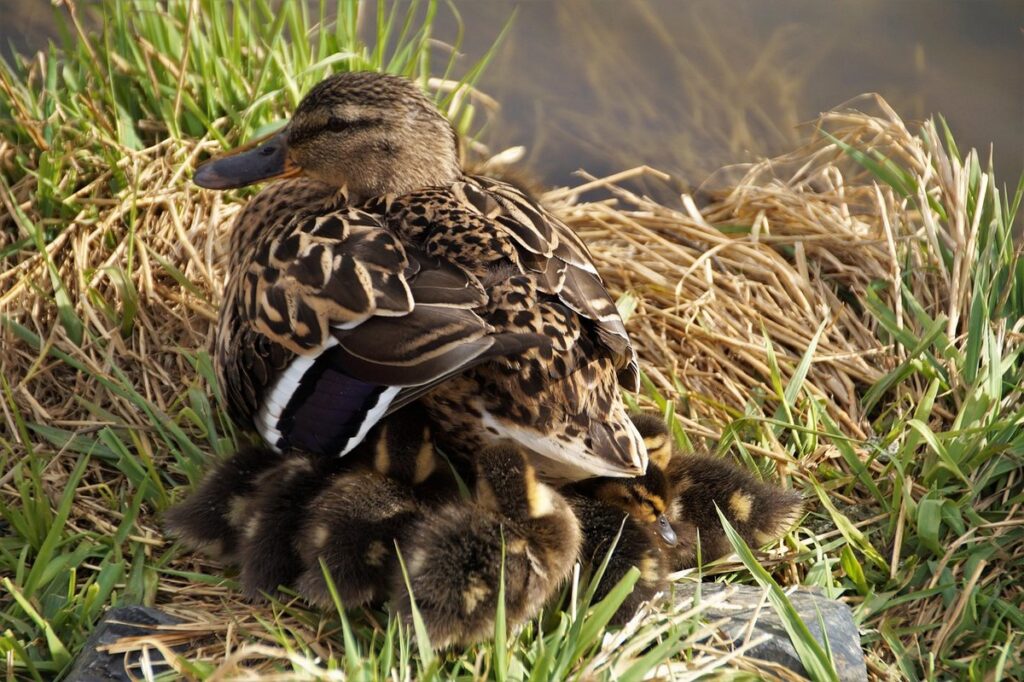
Benefits and Importance of Duck Shelters in Pastures
When it comes to providing a safe haven for your feathered friends, understanding the benefits and importance of duck shelters in pastures is crucial for their health and well-being. Let’s explore these essential considerations together.
Why Provide Shelters for Ducks?
Providing shelters for ducks is more than just a luxury – it’s an essential aspect of raising healthy and thriving birds. When ducks have access to proper shelter, they can rest safely from predators like hawks, foxes, and stray dogs that might be lurking nearby. Shelters also protect them from harsh weather conditions such as scorching sun, heavy rain, or biting winds. By having a secure place to retreat to, your ducks will feel more at ease and be less stressed, which is crucial for their overall health.
In addition to protecting them from external threats, shelters also provide a sense of security that promotes better living habits among the flock. Ducks will be more inclined to return to their coop each evening if they know it’s safe and comfortable. This consistency can lead to improved health outcomes as your birds are less likely to suffer from stress-related issues or injuries sustained while trying to find refuge.
By investing in adequate shelter, you’re taking a proactive approach to creating a healthy environment for your ducks – one that prioritizes their well-being above all else.
Key Features to Consider When Designing Shelters
When designing a shelter for your ducks, there are several key features to consider. The size and shape of the shelter will greatly impact duck behavior and health. A shelter that is too small may cause ducks to become overcrowded, leading to stress and increased susceptibility to disease. On the other hand, a large shelter can provide ample space for ducks to move around comfortably.
The material used for the shelter’s construction is also crucial. A waterproof roof will protect your ducks from harsh weather conditions, while walls made of durable materials such as wood or metal will keep them safe from predators. Ventilation is another essential feature to consider. Adequate airflow will help to prevent ammonia buildup and reduce the risk of respiratory problems.
When selecting a shelter design, it’s essential to balance size with ventilation. A shelter with a high ceiling and large windows can provide excellent ventilation while still offering protection from the elements. When building or purchasing a shelter, prioritize features that promote cleanliness, ease of maintenance, and overall duck well-being.
Types of Pasture Shelters for Ducks
When it comes to providing your ducks with shelter on pasture, you’ve got several options to consider. Let’s explore some popular types of shelters that can keep them safe and happy.
Hoop-Style Duck Shelters: Pros and Cons
Hoop-style duck shelters are a popular choice among backyard farmers due to their ease of construction and cost-effectiveness. These structures typically consist of a circular or oval frame made from metal or PVC pipes, covered with netting or chicken wire for predator protection. One of the significant advantages of hoop-style shelters is that they can be built at a relatively low cost, often using recycled materials.
However, there are some potential drawbacks to consider. For instance, hoop-style shelters may not provide adequate protection against harsh weather conditions such as heavy rainfall or strong winds. The netting or wire coverings may also become damaged over time, compromising the shelter’s integrity. Moreover, these structures may require more maintenance than other types of shelters, especially if they are exposed to heavy use.
Despite these potential issues, hoop-style shelters can be a viable option for small-scale duck farmers. To ensure their durability and weather resistance, it’s essential to choose high-quality materials and follow proper construction techniques. Regular inspections and repairs can also help extend the lifespan of these structures.
A-Frame and Gable-Shaped Shelters: Design Considerations
When it comes to providing protection from harsh weather conditions and predators for your ducks, A-frame and gable-shaped shelters are popular choices. However, these designs also come with their own set of design considerations that you should be aware of.
Structural integrity is one of the most critical aspects of any pasture shelter. A-frame and gable-shaped shelters are more prone to collapse in strong winds due to their sloping sides, which can exert pressure on the structure. To mitigate this risk, ensure that your shelter has robust posts and a secure anchoring system that can withstand wind forces of up to 80 mph. You can also consider using reinforced roofing materials like corrugated steel or asphalt shingles.
Accessibility for maintenance is another crucial factor to consider when designing an A-frame or gable-shaped shelter. Ensure that the roof slope allows for easy cleaning and maintenance, and install doors and windows that are large enough for you to easily access the interior of the shelter. A good rule of thumb is to provide a minimum clearance of 6 feet between the ground and the lowest point of the roof.
In terms of wind resistance, consider installing windbreaks or strategically placing your shelter in an area that provides natural protection from prevailing winds. This can help reduce the load on your shelter and prevent damage from strong gusts.
DIY vs. Purchasing Pre-Made Duck Shelters
When deciding on a shelter for your duck flock, you’ll need to weigh the pros and cons of building one yourself versus buying a pre-made option.
Advantages of Building Your Own Duck Shelter
Building your own duck shelter can be a cost-effective and rewarding experience. By doing it yourself, you’ll save money on purchasing pre-made structures that may not meet your specific needs. With DIY, you have the freedom to choose materials that fit your budget and design a shelter that perfectly suits your farm’s layout.
One of the most significant advantages of building your own duck shelter is the customization options it offers. You can tailor the structure to accommodate your flock’s unique requirements, such as providing ample ventilation or incorporating nesting boxes for breeding ducks. This level of control also allows you to incorporate features like easy cleaning and predator protection.
In addition to cost savings and customization, building your own duck shelter provides a hands-on learning experience. You’ll gain practical skills in construction and design, which can be applied to future projects on your farm. To get started, choose durable materials like wood or metal that can withstand the elements, and consider consulting with local farmers or online resources for inspiration and guidance.
Pros and Cons of Buying Pre-Assembled Shelters
Purchasing pre-assembled shelters can offer several benefits for duck owners. One of the main advantages is convenience – these shelters are designed to be quick and easy to set up, saving you time and effort that would otherwise go into building a shelter from scratch. Additionally, many pre-assembled shelters come with durable materials and weather-resistant designs, ensuring they withstand harsh weather conditions.
However, there are also some potential drawbacks to consider. For instance, these shelters can be more expensive than building your own from materials, which may not fit within your budget. Furthermore, the limited customization options available in pre-assembled shelters might not suit your specific needs or the unique requirements of your duck flock. Some owners have also reported issues with durability and longevity, although this can vary depending on the manufacturer and quality of the shelter.
If you do decide to purchase a pre-assembled shelter, be sure to research reputable manufacturers that offer comprehensive warranties and robust customer support.
Installation and Maintenance Tips for Pasture Shelters
Now that you have your ideal pasture shelter set up, let’s talk about how to keep it looking its best through proper installation and maintenance tips.
Site Selection and Preparation
When it comes to setting up a pasture shelter for your ducks, choosing the right location is crucial. You want to ensure that the shelter provides maximum comfort and protection for your feathered friends while also being easy to access.
Consider the sunlight exposure when selecting a spot. Ducks need some direct sunlight to stay warm and healthy, but excessive sunlight can cause heat stress. Opt for a location with partial shade, especially during hot summer months. You should also take note of the prevailing wind direction. A shelter located in an area where cold winds can howl through is likely to be too chilly for your ducks.
Make sure the shelter is easily accessible for maintenance and feeding. Avoid areas with heavy foot traffic or where wild animals might cause trouble. Finally, consider the proximity to a water source and ensure that it’s within reach of the shelter. With these factors in mind, you can create an optimal environment for your ducklings to thrive.
Regular Cleaning and Inspection Routine
Maintaining a clean and secure pasture shelter is crucial for the health and well-being of your ducks. To ensure their living space remains safe and hygienic, establish a regular cleaning and inspection routine.
Begin by scheduling inspections every 2-3 months to check for signs of wear and tear, damage from weather conditions, or pest infestations. Look for loose screws, rusted metal parts, or gaps in the structure that could compromise its integrity.
Regularly clean the shelter using mild soap and water, paying attention to areas where droppings accumulate. Remove any debris, twigs, or weeds that may be harboring pests or creating a fire hazard. Don’t forget to check for signs of mold and mildew growth, which can be detrimental to your ducks’ health.
To make maintenance easier, consider adding features like removable walls, easy-clean surfaces, or built-in drainage systems. These design elements will save you time and effort in the long run, allowing you to focus on providing a comfortable and secure environment for your feathered friends.
Integrating Shelters with Existing Pasture Infrastructure
When upgrading your existing pasture infrastructure, integrating shelters is a crucial step to create a comfortable and safe haven for your ducks. Let’s explore how to seamlessly incorporate shelters into your existing setup.
Incorporating Shelters into Fencing Systems
When it comes to incorporating shelters into fencing systems for duck pastures, design considerations and material compatibility are crucial. Start by evaluating the existing fencing system’s durability, height, and materials to ensure they can support the added weight of a shelter.
Consider using a sturdy yet flexible mesh or netting that allows for airflow while keeping predators out. This type of material is also easy to clean and maintain. When choosing a shelter style, think about its size and shape to maximize internal space without compromising the existing fence’s structural integrity.
For example, you can attach a simple lean-to shelter to an existing fence using galvanized steel or aluminum brackets that are corrosion-resistant. Alternatively, you can integrate a freestanding shelter with a self-contained enclosure for added protection from harsh weather conditions. Regardless of design, always ensure the shelter’s frame is anchored securely to prevent it from being toppled by wind or livestock.
When integrating shelters with existing fencing systems, prioritize compatibility and durability.
Tips for Rotating Pasture Paddocks with Duck Shelters
Rotating pasture paddocks with duck shelters in place offers numerous benefits for both the ducks and the grazed area. By strategically relocating these paddocks, you can optimize grazing management, reducing stress on your flock and promoting a healthier ecosystem.
To begin, consider the following key factors:
* The size of your pastures
* The number of water sources available to each section
* Accessibility for maintenance and monitoring
Regular rotation encourages even wear and tear on the pasture, minimizing soil erosion and nutrient depletion. This also allows you to maintain optimal feed quality by controlling grass growth. For example, if you have 5 paddocks, try rotating every 7-10 days to give the ducks a fresh area to graze while the previously used sections regrow.
Monitoring your flock’s behavior can help inform these decisions. If they appear stressed or reluctant to move to new areas, reassess their living conditions and adjust the rotation schedule as needed.
Conclusion and Future Considerations
Now that we’ve explored the ins and outs of building a pasture shelter for your ducks, let’s talk about what comes next. What are the long-term benefits and future considerations to keep in mind?
Recap of Key Takeaways
As you’ve reached the end of our comprehensive guide on pasture shelter for ducks, let’s recap the essential takeaways to ensure you’re equipped with the knowledge to provide a safe and healthy environment for your feathered friends.
To build or purchase an effective shelter, consider the following key points: providing adequate protection from wind, rain, and sun exposure, incorporating ventilation and airflow to prevent ammonia buildup, and designing a shelter that’s accessible and easy to clean. Remember to calculate the ideal size of your shelter based on the number of ducks you plan to keep.
When selecting materials, prioritize durability and weather resistance. For instance, using wooden frames or metal panels can provide long-lasting protection. Don’t forget to incorporate a feeding and watering system within the shelter’s design for convenience and efficiency.
Lastly, remember that a good pasture shelter is an investment in your duck’s well-being. By considering these essential factors, you’ll be creating a safe haven where your ducks can thrive.
Final Thoughts on Pasture Shelter Design and Maintenance
As we conclude our comprehensive guide to pasture shelters for ducks, it’s essential to emphasize the importance of these structures in maintaining duck health and well-being. A sturdy, well-designed shelter provides protection from harsh weather conditions, predators, and drafts, ensuring a safe haven for your feathered friends.
Considering the benefits of pasture shelters, there are still opportunities for improvement and innovation in shelter design and construction. Future research could focus on developing more sustainable and eco-friendly materials, such as recycled plastics or natural fibers like bamboo. Additionally, exploring different shapes and layouts to accommodate various breeds and flock sizes would be beneficial.
To get started with improving your existing pasture shelter, assess its current condition and identify areas for enhancement. Consider adding windows for natural light, incorporating nesting boxes for hens, or installing a feeding trough to reduce waste and mess. By prioritizing the well-being of your ducks through thoughtful shelter design and maintenance, you’ll be rewarded with healthier, happier birds.
Frequently Asked Questions
Can I use a portable duck shelter if my pasture is large?
Yes, using a portable duck shelter can be an excellent option for large pastures. Look for shelters that are lightweight, easy to move, and simple to set up. This will allow you to place the shelter in different areas of your pasture as needed, ensuring your ducks always have access to protection from harsh weather conditions.
How often should I clean and inspect my duck shelter?
Regular cleaning and inspection are crucial for maintaining a healthy environment for your ducks. Set aside time each week to remove any soiled bedding, inspect the structure for damage or signs of wear, and make repairs as necessary. This will help prevent the buildup of disease-causing bacteria and pests.
What type of materials should I use for my duck shelter’s roof?
When choosing materials for your duck shelter’s roof, consider using durable, waterproof options like metal or asphalt shingles. These will provide excellent protection from the elements while also being easy to clean and maintain. Avoid using natural materials like straw or hay, as they can become soggy and compromise the structure’s integrity.
Can I integrate my duck shelter with an existing fencing system?
Yes, integrating your duck shelter with an existing fencing system is a great way to create a cohesive and functional pasture design. When designing your shelter, consider incorporating it into your fence layout or using materials that match your existing fencing style. This will help create a seamless transition between the shelter and the surrounding area.
How can I ensure my duck shelter remains sturdy in strong winds?
To ensure your duck shelter remains stable in strong winds, use heavy-gauge metal framing and secure the structure with anchor kits. You can also consider adding weights or sandbags to the roof for added stability. Regularly inspecting the shelter’s anchoring system will help prevent damage from high winds and keep your ducks safe.