
Are you considering bringing backyard chickens into your life? A yard coop is more than just a structure for your feathered friends – it’s a way to live a more sustainable lifestyle, reduce your carbon footprint, and enjoy fresh eggs right in your own backyard. But building and managing a yard coop can seem daunting if you’re new to chicken-keeping. In this article, we’ll walk you through the process of planning and caring for your yard coop, from choosing the right location to collecting those delicious eggs. You’ll learn about the benefits of having chickens as pets and how they can contribute to a more eco-friendly home. Whether you’re a seasoned homesteader or just starting out, this guide will help you create a happy and healthy backyard chicken-keeping experience.
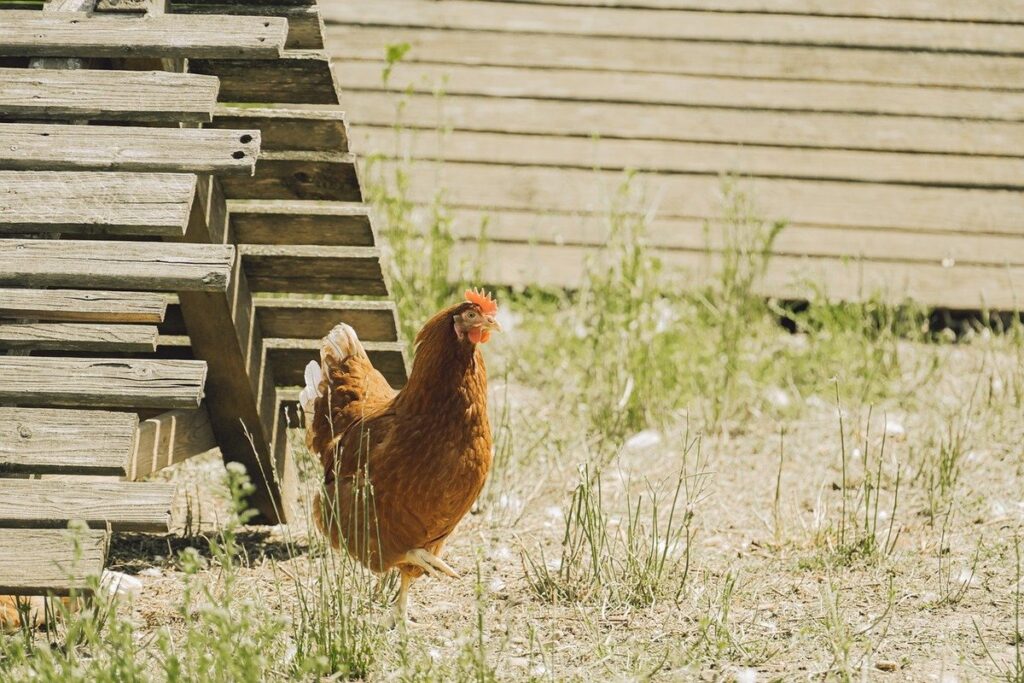
Benefits of Having a Yard Coop
Having a yard coop can bring countless joys and benefits, from reduced noise pollution to improved backyard aesthetics. Let’s dive into the advantages of incorporating one into your outdoor space.
What is a Yard Coop?
A yard coop is an essential structure for raising chickens in a residential area. It’s essentially a mini-farm within your own backyard where you can keep your feathered friends safe and happy. The primary purpose of a yard coop is to provide a secure, dry, and well-ventilated space for your chickens to live, lay eggs, and engage in natural behaviors.
When building or purchasing a yard coop, consider the needs of your chickens, including space, ventilation, and accessibility. A general rule of thumb is to allocate about 4 square feet of space per chicken inside the coop. This will give them enough room to move around comfortably. The coop should also have adequate ventilation to prevent ammonia buildup from their droppings.
For example, a small yard coop can be built using reclaimed wood and wire mesh for a cost-effective and eco-friendly solution. A larger coop with multiple nesting boxes and easy-to-clean designs can accommodate more chickens and provide ample egg-laying opportunities. When designing your yard coop, remember to prioritize the health and well-being of your chickens above all else.
Advantages of Keeping Chickens in a Yard Coop
Keeping chickens in a yard coop is an excellent way to enjoy several advantages that benefit you and your family. One of the primary benefits is having access to fresh eggs right from your backyard. Not only are homemade eggs a healthier option, but they also taste better than store-bought ones. Additionally, raising chickens allows you to monitor their diet and living conditions, ensuring the quality of your eggs.
Another significant advantage of keeping chickens in a yard coop is reducing your carbon footprint. Chickens produce manure that can be used as natural fertilizer for your garden, eliminating the need for synthetic fertilizers. Furthermore, they help with pest control by consuming insects and weeds, minimizing the use of pesticides.
Keeping chickens also provides an excellent opportunity for children to learn about responsibility and where their food comes from. They can help with feeding, collecting eggs, and monitoring the coop’s cleanliness. This hands-on experience teaches valuable life skills and promotes a connection with nature. If you’re considering keeping chickens in your yard coop, start by researching local regulations, choosing suitable breeds, and designing a safe and comfortable enclosure for them.
Choosing the Right Location
When it comes to building a yard coop, selecting the perfect location is crucial for your birds’ health and happiness. Let’s dive into the key factors to consider when choosing the right spot.
Factors to Consider When Selecting a Site
When selecting an ideal location for your yard coop, there are several key factors to consider. One of the most crucial elements is sunlight – a yard coop needs sufficient natural light to allow chickens to produce vitamin D, which is essential for their health and well-being. Aim for a spot that receives direct sunlight for at least 6 hours a day.
Another vital factor to consider is wind direction. Chickens can be sensitive to strong winds, so it’s essential to place the coop in an area that provides some protection from harsh gusts. Ideally, position the coop near a fence or a row of trees to block the wind.
Drainage is also crucial when choosing a location for your yard coop. You’ll want to ensure that water doesn’t accumulate around the coop, which can lead to health issues and pests. Look for an area with good drainage, and consider installing a French drain if necessary.
Finally, be mindful of the proximity to water sources. Chickens need access to clean water at all times, but having a nearby source of standing water (e.g., a pond or lake) can attract predators and create health risks. Place the coop at least 10 feet away from any potential water sources to keep your flock safe.
Tips for Building Near a Neighboring Property Line
When building a yard coop, it’s essential to consider the neighboring properties. Not only can excessive noise disturb your neighbors, but also, you want to ensure that your coop doesn’t compromise their views or impact their property value. Here are some tips for building near a neighboring property line:
To minimize potential issues with noise, consider placing your coop away from neighboring homes and positioning it so that the nesting boxes face away from their windows. This will reduce the likelihood of disturbing your neighbors during early morning hours when birds are most active.
Another crucial aspect is ensuring that your coop doesn’t encroach on neighboring properties. Research local regulations regarding property line setbacks to avoid any potential disputes. Some municipalities have specific requirements for backyard chicken coops, so it’s essential to familiarize yourself with these rules before commencing construction.
When designing your coop, choose materials and colors that will blend in with the surrounding landscape. Consider using natural finishes or painting the coop a color that complements the neighboring properties. By taking these steps, you can create a harmonious coexistence between your yard coop and the neighboring properties.
Planning Your Yard Coop Design
Now that you have a solid understanding of what a yard coop is, let’s dive into planning the design of your very own backyard chicken paradise. This is where creativity and functionality come together!
Key Considerations for the Perfect Design
When designing your yard coop, it’s essential to consider several key factors that will make it functional, comfortable, and safe for your chickens. One of the primary considerations is size. Ensure the coop is large enough to accommodate the number of birds you plan to keep, with adequate space for roosting bars, nesting boxes, and room to move around.
The shape of the coop is also crucial. A rectangular or square design provides the most efficient use of space, while a sloping roof allows snow to slide off easily in cold climates. Don’t forget about ventilation – good airflow prevents ammonia buildup from droppings and keeps your birds healthy. Aim for at least 2-3% of the coop’s floor area dedicated to ventilation.
Accessibility is another vital consideration. Ensure the coop has easy-to-clean nesting boxes, a secure entrance, and sufficient space for collecting eggs. Consider installing windows or a removable roof for cleaning and inspection purposes. Always follow local building codes and regulations when designing your yard coop.
Incorporating Natural Ventilation and Insulation
When designing your yard coop, it’s essential to prioritize natural ventilation and insulation. Chickens are sensitive to extreme temperatures and humidity levels, which can lead to health issues and stress. By incorporating proper ventilation and insulation into the design, you’ll create a comfortable and healthy environment for your flock.
Natural ventilation is crucial during warm weather months. You can achieve this by installing windows or vents that allow air to circulate freely within the coop. A good rule of thumb is to provide at least 2-3 square feet of ventilation per chicken. Additionally, consider installing a solar-powered vent or an automatic door opener to regulate airflow.
Insulation is also vital for maintaining a comfortable temperature inside the coop. You can use materials like straw bales, shredded newspaper, or recycled denim insulation to line the walls and floor of the coop. This will help regulate the internal temperature and keep your chickens warm in winter and cool in summer. For example, you can install a layer of insulation between the coop’s exterior wall and the nesting boxes to maintain a comfortable temperature.
When selecting materials for insulation and ventilation, consider using eco-friendly options that are safe for your chickens. Some examples include recycled denim, straw bales, or even reclaimed wood. By incorporating natural ventilation and insulation into the design of your yard coop, you’ll create a healthy and happy environment for your flock to thrive in.
Building Your Yard Coop
Now that you’ve chosen a spot for your coop, it’s time to build it. This section will walk you through the essential steps of construction and setup.
Essential Materials and Tools Needed
When it comes to building a sturdy and durable yard coop, having the right materials and tools is essential. You’ll need framing lumber such as 2x4s for the walls and floor, as well as 2x6s for the roof rafters. For the roofing material, choose from options like asphalt shingles, corrugated metal, or wooden shakes.
In addition to these materials, you’ll also need hardware like nails, screws, and hinges to secure everything in place. Don’t forget to pick up some wood glue and a staple gun for added reinforcement. When selecting your tools, consider investing in a circular saw, drill press, and impact driver to make the building process easier.
Some other essentials to have on hand include wire mesh or hardware cloth for predator protection, roofing felt for waterproofing, and exterior-grade plywood for the floor and walls. Finally, don’t forget to gather any necessary fasteners like screws, nails, and rivets to secure the coop’s roof, walls, and doors. By having all these materials and tools at your disposal, you’ll be well on your way to building a safe and secure yard coop for your feathered friends.
Step-by-Step Instructions for Construction
To begin constructing your yard coop, start by preparing the site. Clear the area of any debris, vegetation, and obstructions. Check for any underground utilities or cables that may interfere with your build. Mark out a square or rectangle shape using stakes and twine to guide you as you dig.
Next, excavate the site to a depth of about 4-6 inches, depending on local building codes and soil type. This will give you enough room for the coop’s foundation and make it easier to level the ground. Use a shovel or backhoe to loosen and remove any compacted soil. Fill in the holes with gravel or sand to create a stable base.
Once your site is prepared, begin framing the coop using pressure-treated wood or durable alternatives like cedar. Construct the walls, floor, and roof according to your design plans. Make sure the structure is square and level before moving on to the next step.
Managing Your Yard Coop
Now that your yard coop is up and running, it’s time to think about how you’ll manage its daily needs to keep your flock happy and healthy. In this section, we’ll cover essential maintenance tasks and tips.
Daily Care and Maintenance Routine
As you tend to your yard coop, daily care and maintenance become essential tasks to ensure your chickens stay healthy and happy. Start by establishing a regular routine for feeding and watering. Typically, chickens require 1/4 pound of food per day, so divide this amount into two or three meals to prevent gorging. Use high-quality feed specifically formulated for layers, as it provides the necessary nutrients for egg production.
Water is also crucial, and you’ll need to check it frequently to ensure it’s fresh and accessible. A general rule of thumb is to provide at least one gallon of water per chicken per day. Keep a clean and sanitary coop by removing soiled bedding daily and replacing it with fresh material like straw or pine shavings.
Cleaning the coop itself should be done weekly, focusing on the nesting box, roosts, and feeding areas. Remove any debris, feces, and uneaten food to prevent bacterial growth and maintain good hygiene. By sticking to this routine, you’ll create a safe and clean environment for your chickens to thrive in their yard coop.
Strategies for Predator Protection
Securing your yard coop from predators is crucial for the safety and well-being of your chickens. Start by choosing a location that’s elevated, open, and visible to prevent hiding spots for potential predators like raccoons, foxes, or coyotes.
To secure the coop itself, consider using hardware cloth (a metal mesh with openings of 1 inch or smaller) to cover vents, windows, and any gaps. This will prevent small predators from squeezing in. Also, install a sturdy door that can be locked securely and consider adding an overhang to provide additional protection from aerial attacks.
Protective fencing is another vital aspect of predator protection. A good rule of thumb is to extend the fence 12 inches below ground level to prevent burrowing animals like rats or snakes from entering your yard. Choose durable, predator-resistant materials like wood or metal and consider adding a top layer of wire mesh for added security.
Maintaining a clean environment within the coop is also essential in preventing pests and diseases that can attract predators. Regularly remove droppings, keep feed and water containers clean, and ensure good air circulation by opening windows and vents regularly.
Caring for Your Chickens
Once you’ve built your yard coop, it’s time to focus on keeping your feathered friends happy and healthy. This section will cover essential tips for caring for your chickens’ daily needs.
Nutrition and Health Considerations
When it comes to raising backyard chickens, nutrition and health considerations are crucial to ensure their well-being. A balanced diet is essential for maintaining optimal health, and a nutritious feed should be the cornerstone of your chicken’s daily intake. You can supplement with fruits, vegetables, and grains, but a commercial layer feed or a high-quality starter feed will provide all the necessary nutrients.
However, it’s not just about what you put in their mouths – recognizing signs of illness or stress is equally important. Look for changes in appetite, droopy feathers, or labored breathing. Monitor for mites, lice, and fleas that can cause discomfort and even death if left untreated.
Regular health checks will also help prevent issues from escalating into serious problems. Ensure your coop has adequate ventilation to reduce the risk of respiratory diseases and provide a clean and dry environment to prevent bacterial and fungal infections.
By providing a well-rounded diet and staying vigilant for signs of illness, you’ll be able to spot potential health concerns early on and take corrective measures to keep your flock thriving.
Egg Production and Management
Egg production and management are crucial aspects of backyard chicken keeping. A well-managed egg collection system ensures that you receive a steady supply of fresh eggs from your yard coop.
On average, a healthy hen will lay around 280-300 eggs per year, with some breeds producing more than others. Factors such as nutrition, health, and breed play a significant role in determining the egg production rate of your flock. To maximize egg quantity, make sure to provide high-quality feed and fresh water for your chickens.
For optimal egg quality, collect eggs daily to prevent breakage and contamination. Use clean containers with dry bedding material like straw or hay to collect eggs gently. Wash hands thoroughly before handling eggs to avoid bacterial transfer. Consider implementing a grading system to categorize eggs by size, shape, and color for easier identification.
By prioritizing egg collection and management, you’ll not only ensure a steady supply of fresh eggs but also create a more efficient and enjoyable chicken-keeping experience. Regular cleaning and maintenance of your coop will help prevent diseases that can impact egg production.
Frequently Asked Questions
Can I Build a Yard Coop in an Existing Shed or Outbuilding?
Yes, you can repurpose an existing shed or outbuilding as a yard coop, saving time and resources. However, ensure the structure is sound, well-ventilated, and protected from predators before introducing your chickens. Consider adding features like windows for natural light and insulation to maintain a comfortable temperature.
How Do I Determine the Optimal Size of My Yard Coop?
The ideal size of your yard coop depends on the number of chickens you plan to keep. A general rule of thumb is to provide at least 3-4 square feet of space per chicken inside the coop, and 8-10 square feet in the enclosed run. This will give them room to move around comfortably and lay eggs.
Can I Keep Chickens with Other Pets in My Yard Coop?
Yes, it’s possible to keep chickens with other pets like dogs or cats in your yard coop, but you’ll need to ensure their safety and well-being. Introduce the animals slowly, under close supervision, and provide separate areas for feeding, nesting, and roosting.
What Are Some Tips for Collecting Eggs from My Yard Coop?
To collect eggs efficiently, consider installing a hinged roof or doors that allow easy access to the coop. You can also use an egg-collecting system with rollers or a tray to make it easier to gather eggs without disturbing your chickens.
How Do I Handle Common Health Issues in My Chickens?
Yes, common health issues in backyard chickens include respiratory problems, parasites, and nutritional deficiencies. Regularly inspect your flock for signs of illness, maintain proper ventilation, and provide a balanced diet with access to fresh water. Consult with a veterinarian or experienced chicken keeper if you notice any unusual symptoms.