
Are you tired of dealing with messy feeders and pesky chickens digging through their food? Building a gravity chicken feeder is an easy and cost-effective solution to these common problems. Not only will it keep your flock’s living space clean, but it’ll also reduce waste and save you money in the long run.
But before you start hammering away, understanding how gravity feeders work is crucial. In this article, we’ll walk you through the basics of building a gravity feeder, including the materials you’ll need and step-by-step DIY plans. We’ll cover everything from choosing the right size to troubleshooting common issues that may arise. By the end of this guide, you’ll be well on your way to creating a thriving flock with a reliable and efficient feeding system.
Understanding the Basics of Gravity Feeders
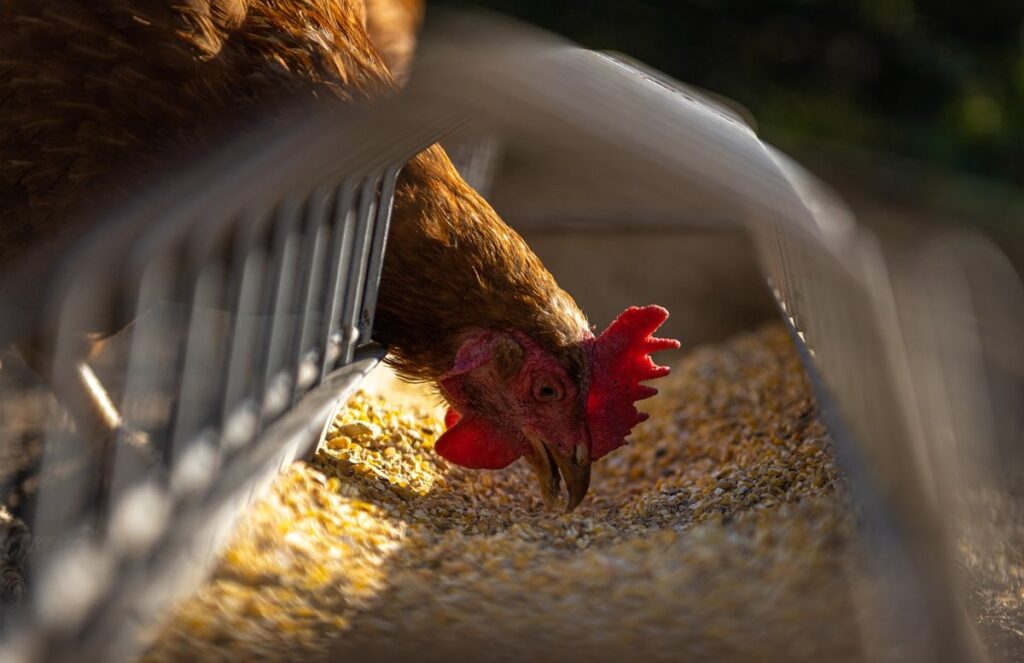
Gravity feeders work on a simple principle: allowing your chickens to peck and eat from an elevated feeding trough, reducing mess and waste. Let’s dive into how this system works its magic for your flock.
What are Gravity Feeders and How Do They Work?
A gravity feeder is a type of chicken feeding system that uses gravity to dispense food to your flock. These feeders are simple, yet effective, and have gained popularity among backyard chicken keepers due to their ease of use and benefits for chickens’ health. One significant advantage of gravity feeders is that they minimize waste by allowing chickens to eat at their own pace.
To understand how a gravity feeder works, imagine a trough or container filled with food. As the chickens peck at the food from one end, the remaining food falls through a hole or gap in the container and into a lower compartment. This continuous flow of food keeps the chickens fed without overflowing the feeder. Gravity feeders also promote social interaction among your flock as they eat together, rather than having to compete for space around a single feeding trough.
The simplicity of gravity feeders makes them an ideal choice for small backyard flocks or beginners who want to manage their chicken’s diet with minimal fuss. By choosing a gravity feeder for your chickens, you’ll not only save time but also ensure they receive the nutrients they need to stay healthy and happy.
Importance of Choosing the Right Feeder Type for Your Flock
When it comes to setting up a chicken coop, selecting the right feeder for your flock is often an afterthought. However, this decision can have a significant impact on their health, productivity, and overall well-being.
Choosing a feeder that suits your chickens’ needs involves considering several factors, including size, material, and design. A feeder that’s too small may lead to overcrowding and competition among birds for food, resulting in stress and potential health issues. On the other hand, an oversized feeder can be wasteful and encourage overeating.
The type of material used is also crucial, as it affects durability and ease of cleaning. For example, plastic feeders are lightweight and easy to clean but may break or become brittle with age. Metal feeders, while more durable, can rust if not properly coated or maintained.
In addition to size and material, the feeder’s design should be considered. A gravity feeder that dispenses food slowly and consistently can help regulate your chickens’ eating habits, reducing the likelihood of overeating and obesity.
Benefits of Using Gravity Feeders
One of the most significant advantages of using a gravity chicken feeder is that it simplifies feeding time, saving you from constantly refilling the feeders.
Reduced Waste and Spoilage with Automatic Feeding
When you use gravity feeders for your chickens, one of the most significant advantages is that they can help minimize waste and spoilage. Unlike traditional feeding methods where food is scattered on the ground, gravity feeders keep the feed off the ground, making it less accessible to predators like raccoons, opossums, or stray cats.
By keeping the feed elevated, you also reduce competition among your chickens for food. In traditional feeding systems, dominant birds often push others away from the food source, resulting in some chickens going hungry while others overeat. Gravity feeders distribute the feed evenly and slowly, allowing all birds to access their share of food without having to fight.
To ensure maximum efficiency, consider placing your gravity feeder near a shaded area to prevent moisture buildup and spoilage. Clean the feeder regularly, ideally once a week, by removing any caked-on feed or debris. This simple maintenance routine will help keep your chickens healthy and happy while reducing waste and spoilage.
Increased Hygiene and Safety for Your Flock
When you transition to using gravity feeders for your flock, one of the most significant benefits is increased hygiene and safety. With a traditional feeder, food tends to accumulate around the edges, creating an ideal breeding ground for bacteria and other microorganisms that can lead to disease transmission.
Using a gravity feeder helps minimize this risk in several ways. First, the smooth surface makes it easier to clean, reducing the likelihood of bacterial buildup. Additionally, gravity feeders tend to reduce waste as birds eat more efficiently, which further reduces the potential for contamination. You’ll also notice fewer health issues with your flock overall, such as respiratory problems caused by inhaling dust and debris from traditional feeders.
Another advantage is that gravity feeders allow you to maintain a consistent feeding schedule without constantly having to replenish food in a central location. This predictability helps minimize stress on your birds, which can contribute to a healthier environment overall.
DIY vs. Pre-Made Gravity Chicken Feeder Plans: Which One to Choose?
When it comes to building a gravity chicken feeder, one of the biggest decisions you’ll face is whether to create your own DIY plan or purchase pre-made ones. Let’s dive into the pros and cons of each option.
Pros and Cons of Building Your Own Feeder
Building your own gravity chicken feeder can be a cost-effective and customizable option, but it also requires time and expertise. One of the main advantages is that you can tailor the design to fit your specific needs and space constraints. For instance, if you have limited storage space, you can create a compact feeder that won’t take up too much room.
However, building from scratch also means investing time in planning and construction. This can be overwhelming for those with little experience in woodworking or DIY projects. Additionally, the cost of materials may not be significantly lower than buying a pre-made feeder, especially if you’re short on tools or expertise.
On the other hand, pre-made feeders offer convenience and ease of use. They’re often made from durable materials and require minimal assembly. However, they can be more expensive upfront, and you may have limited flexibility in terms of customization. Ultimately, whether to build your own feeder or buy a pre-made one depends on your specific needs, skills, and budget.
Where to Find Free or Low-Cost DIY Plans and Resources
If you’re looking to build your own gravity chicken feeder without breaking the bank, there are plenty of resources available online that offer free or low-cost DIY plans and tutorials. A great place to start is Instructables, a community-driven website where users share their projects and provide step-by-step instructions on how to build them.
You can also find a wealth of information on YouTube, where many experienced chicken keepers and DIY enthusiasts share their own gravity feeder builds and offer tips and advice along the way. The Chicken Keeping subreddit is another excellent resource, where you can connect with other chicken enthusiasts and learn from their experiences.
Other websites like Pinterest and DIY blogs often feature free or low-cost plans and tutorials for building gravity chicken feeders. Additionally, many online forums and social media groups dedicated to backyard chicken keeping offer a wealth of knowledge and advice from experienced keepers who are happy to share their expertise.
When searching for resources, be sure to read reviews and comments from others who have tried the plan or tutorial you’re interested in, to get a sense of its effectiveness and any potential pitfalls. By doing your research and taking advantage of these free and low-cost resources, you can build a gravity chicken feeder that meets your needs without overspending.
Choosing the Right Materials and Design for Your Feeder
When it comes to building a gravity chicken feeder, selecting the right materials is crucial for durability and ease of maintenance. This section will help you choose the best options for your project.
Essential Materials Needed for a Gravity Feeder
To build a reliable gravity chicken feeder, you’ll need to gather the right materials. Start with the frame, which can be constructed from 2x4s or 2x6s of durable hardwood like oak, maple, or pine. For the feeding trough, use a sturdy plastic or metal container that’s at least 1-2 inches deep and wide enough for your flock to comfortably eat from.
For hardware, you’ll need screws, nails, or brackets to hold the feeder’s components together. Hinges are also necessary if you plan to add a lid for easy cleaning. Make sure to choose weather-resistant materials to prevent rot and damage from rain or sun exposure.
In addition to wood and hardware, don’t forget essential components like a waterproof roof or canopy to protect the feed from the elements. You’ll also need a reliable drainage system to keep the feeder dry and prevent moisture buildup.
Some other items you might consider include a metal or plastic tray for easy cleanup, a lock to secure the lid, and a sturdy base or legs to prevent the feeder from tipping over. Always choose materials that are safe for your chickens to eat from and will withstand regular use.
Tips for Customizing and Improving Your Feeder’s Design
When designing and building your gravity chicken feeder, it’s essential to consider its capacity, ease of cleaning, and durability. To start, think about the size of your flock and how often you need to refill the feeder. A general rule of thumb is to plan for at least 1-2 pounds of feed per bird per day.
Consider a feeder design with removable trays or compartments to make cleaning easier. This will help prevent waste and keep the area around the coop clean. You can also add features like drainage holes or sloping surfaces to aid in cleaning and reduce the risk of mold and mildew.
Don’t forget about durability – use materials that can withstand the elements and heavy use. Consider using durable plastics, metals, or hardwoods for your feeder’s construction. Make sure all parts are securely attached to prevent leaks or breakage.
To further customize your feeder, think about adding features like predator protection, easy-access doors for cleaning, or even a built-in scoop for effortless refilling.
Step-by-Step Instructions for Building a Gravity Chicken Feeder
Now that you have your materials and are familiar with the design, let’s move on to building your gravity chicken feeder. Follow these step-by-step instructions to assemble yours.
Gathering Materials and Preparing the Workspace
To begin building your gravity chicken feeder, it’s essential to gather all the necessary materials and prepare a suitable workspace. For this project, you’ll need some basic tools like a drill press, saw, drill bits, and sandpaper. Additionally, collect the following materials: 2″ x 4″ lumber for the frame, 1/2″ plywood for the bottom and shelves, PVC pipes and fittings for the feeding trough, and wire mesh for ventilation.
Next, choose a dedicated workspace with adequate space to lay out your materials and tools. Ensure good lighting and a stable work surface to prevent accidents. Clear any clutter from the area and cover it with a dust sheet or old sheets to make cleanup easier later on. If you’re working indoors, consider setting up a makeshift workshop in a garage or basement.
Once you have all your materials and workspace ready, take some time to inspect each item for damage or defects. This is also an excellent opportunity to familiarize yourself with the project’s components and think through any potential challenges that may arise during construction.
Assembling and Testing Your New Feeder
Now that you have completed building your gravity chicken feeder, it’s time to assemble and test it. Begin by carefully following the manufacturer’s instructions for assembly, taking note of any specific requirements or recommendations.
As you assemble the feeder, ensure all parts are securely attached and tightened as required. Pay particular attention to the lid mechanism, making sure it operates smoothly and evenly. Also, inspect the feeding trough for any signs of damage or wear. If you notice any issues during assembly, refer to your plan’s troubleshooting section for guidance.
Once assembled, place a small amount of feed into the feeder to test its operation. Observe how the feed flows out of the feeder as birds approach it. Be prepared to make adjustments if necessary. Common issues to watch out for include clogged feed passages or uneven feeding patterns. If you encounter problems during testing, try rotating the feeder slightly to ensure proper flow. With a little patience and trial-and-error, your gravity chicken feeder should be up and running smoothly in no time.
Maintenance, Troubleshooting, and Upkeep of Your Gravity Feeder
To ensure your gravity chicken feeder runs smoothly for years to come, proper maintenance is crucial. This section will guide you through essential upkeep tips and troubleshooting solutions.
Regular Cleaning and Inspection Schedule
To keep your gravity feeder in good working condition and ensure the health and well-being of your chickens, it’s essential to maintain a regular cleaning and inspection schedule. A clean feeder is crucial for preventing bacterial growth and contamination.
Set aside time each week to remove any debris or waste from the feeder. Use warm soapy water to scrub all surfaces, paying particular attention to areas around the feed outlet and under the tray. Rinse thoroughly with clean water and let air dry to prevent moisture buildup. For tougher messes, mix equal parts water and white vinegar in a spray bottle for an effective cleaning solution.
Schedule regular inspections of your feeder every 1-2 months to check for wear and tear on moving parts, rust spots, or signs of rodent infestation. Check that the feeder is securely attached to its mounting bracket and adjust as needed. This proactive approach will save you time and stress in the long run, ensuring your gravity feeder continues to operate smoothly and efficiently.
Common Issues and Solutions for Your Gravity Feeder
As you continue to use and maintain your gravity chicken feeder, you may encounter some common issues that can affect its performance. One of the most frequent problems is clogging, which can be caused by debris accumulation, overfeeding, or even using the wrong type of feed. To troubleshoot a clogged feeder, try checking for blockages in the tubes and pipes, cleaning out any visible debris with a soft brush or cloth, and ensuring that the feed is flowing freely.
Leaks are another issue you might encounter, often due to worn-out seals or damaged parts. Regularly inspect your feeder’s joints and connections for signs of wear and tear, and replace any compromised components promptly. If you notice water pooling around the feeder, check the seals and adjust them as needed.
If a part is beyond repair, don’t hesitate to replace it with a new one. Keep spare parts on hand to avoid downtime when issues arise, and make sure to follow the manufacturer’s instructions for maintenance and replacement. By staying proactive and addressing these common problems early on, you can keep your gravity feeder running smoothly and efficiently.
Conclusion: Making the Most of Your Gravity Chicken Feeder Plans
Now that you’ve completed your gravity chicken feeder plans, it’s essential to ensure they’re working effectively and efficiently for your flock. Start by monitoring their feeding behavior and adjusting as needed. For example, if you notice the birds are having trouble accessing the food, try tweaking the design or adding a few adjustments to make it more accessible. Remember to also regularly clean and maintain the feeder to prevent clogged tubes and bacterial growth.
By taking these steps, you’ll be able to maximize the benefits of your gravity chicken feeder plans and create a healthy, stress-free environment for your chickens. With a little patience and observation, you’ll find that this system becomes a seamless part of your daily routine, allowing you to focus on other important aspects of poultry care.
Frequently Asked Questions
What if I already have a coop with limited space? Can I still use a gravity feeder?
You can definitely adapt a gravity feeder to fit your existing coop’s dimensions. Consider vertical designs or compact plans that take up minimal space. Measure your available area and look for DIY plans specifically tailored for small spaces.
How do I prevent chickens from pecking at the feeder’s walls during assembly?
Yes, this is a common challenge! To avoid pecking damage, make sure to build the feeder with sturdy materials (like plywood or MDF) and add protective barriers around the feeding trough. You can also apply a non-toxic coating to deter pecking.
What if I notice moisture accumulation inside the feeder after regular use?
No need to worry! Moisture buildup is normal, especially in humid environments. To mitigate this issue, ensure proper airflow within the feeder by leaving space between the feeding trough and any surrounding walls. Regularly inspect and clean the feeder to maintain hygiene and prevent mold growth.
Can I use a gravity feeder with different types of chicken feed, like pellets or crumbles?
Yes! Gravity feeders are versatile and can accommodate various types of chicken feed. However, keep in mind that some feeds may require adjustments to the feeder’s design or configuration to ensure smooth flow and minimal waste. Consult your specific feed’s manufacturer recommendations for optimal use with a gravity feeder.
How often should I clean my gravity feeder to maintain its performance?
Regular cleaning is essential! Clean your gravity feeder every 2-3 days, depending on usage. Remove any debris, food particles, or droppings from the feeding trough and surrounding areas. Disinfect the feeder regularly (every 1-2 weeks) with a pet-safe cleaning solution to prevent bacterial growth and maintain hygiene.