
Are you tired of watching your chickens waste food and wondering how to prevent it? Reducing food waste is not only good for your pocket, but also for the environment. Chickens can be messy eaters, and it’s frustrating when you see them throwing away half-eaten grains and seeds. But don’t worry, we’ve got a solution for you! In this article, we’ll show you how to build a no-waste chicken feeder that will save you money and help minimize your environmental footprint.
We’ll cover the benefits of reduced food waste, explore different types of DIY feeders, and provide step-by-step instructions on how to build one. By the end of this guide, you’ll be equipped with the knowledge and skills to create a no-waste chicken feeder that will keep your birds happy and healthy while reducing waste in your backyard.
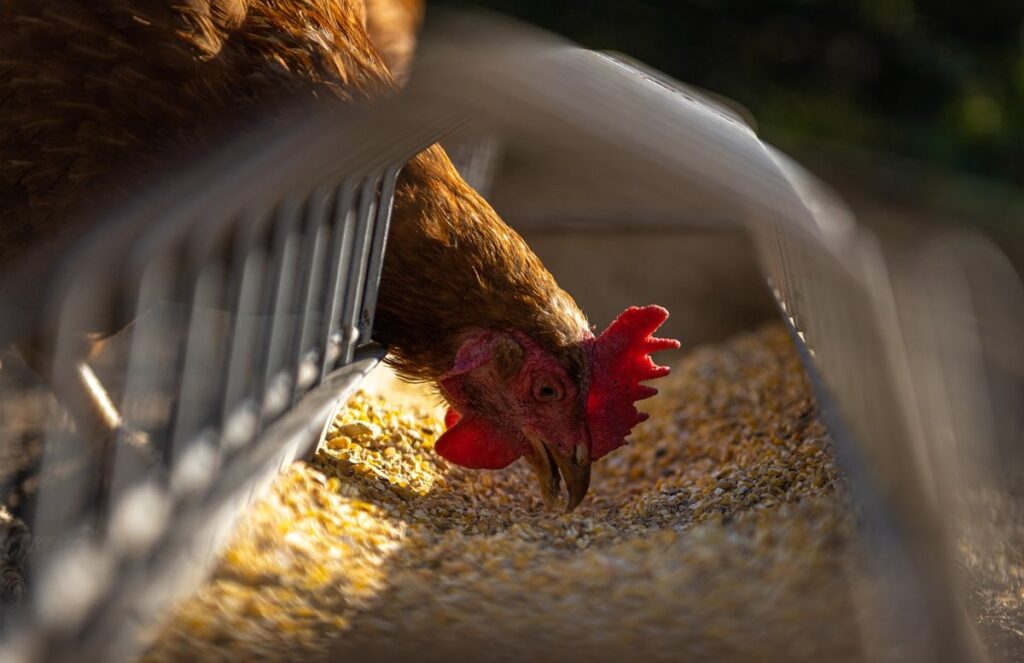
Benefits of a No-Waste Chicken Feeder
A well-designed no-waste chicken feeder not only reduces waste but also promotes healthier eating habits for your birds, saving you money in the long run. Let’s explore its benefits further.
Reducing Food Waste and Its Impact on Flocks
Food waste in chicken feeders can have severe consequences on flocks. Excess food is not only a waste of resources but also poses health risks to the birds. When uneaten food remains in the feeder for too long, it becomes contaminated with bacteria and mold, which can lead to illnesses such as botulism and histomoniasis.
A study by the United States Department of Agriculture (USDA) found that an average chicken farm produces around 1-2% of its waste in the form of uneaten feed. While this may seem insignificant, it adds up quickly, especially for larger operations. Moreover, food waste can also attract pests and rodents, further compromising flock health.
To minimize the impact of food waste on flocks, it’s essential to design a feeder that encourages birds to eat their fill in one sitting. This can be achieved by using a No-Waste Chicken Feeder, which dispenses the right amount of feed at the right time, reducing leftovers and spoilage. By adopting this approach, chicken keepers can not only save resources but also ensure healthier, more productive flocks.
Understanding the Costs of Food Waste for Chicken Keepers
As a chicken keeper, you’re likely aware of the importance of providing your flock with a steady supply of nutritious feed. However, did you know that food waste can have significant financial implications? Let’s break it down: every time you purchase replacement feed, you’re essentially throwing money away.
According to the USDA, households in the United States throw out approximately 30% of their food annually. In your backyard flock, this translates to a substantial amount of uneaten feed. If you’re buying premium feed at $20 per bag, and estimating an average loss of 10% due to spoilage or contamination, that’s around $2 worth of wasted money per bag.
To put this into perspective, if you’re feeding your chickens twice a day with two bags of feed each time (a common scenario), the annual cost of food waste could add up to over $360. Multiply this by a few years, and it’s clear that implementing a no-waste chicken feeder can save you hundreds of dollars in replacement feed costs alone.
Types of No-Waste Chicken Feeders: A Review
When it comes to feeding your flock without waste, you’ve got several options to consider. We’ll review the most effective and practical types of no-waste chicken feeders on the market today.
Plasson and Other Commercial Options
Plasson and other commercial no-waste feeders are designed to provide chickens with an efficient and mess-free feeding experience. One popular option is the Plasson No-Waste Feeder, which features a unique design that allows chickens to eat from a trough while preventing waste from accumulating. This feeder is easy to clean and maintain, making it a great choice for backyard chicken keepers.
Another commercial option worth considering is the Omlet Eglu Chicken Feeder. This feeder has a clever design that allows chickens to access their food while minimizing waste. It also features an adjustable capacity, so you can tailor it to your flock’s needs. Other brands like Fancier Farms and Meyer Hatchery offer similar no-waste feeders with unique features.
When choosing a commercial no-waste feeder, consider the size of your flock, the type of feed you’re using, and the ease of cleaning and maintenance. Some users find that commercial feeders can be more expensive than DIY options, but they often provide long-term benefits in terms of reduced waste and easier feeding management. By weighing these factors, you can decide whether a Plasson or other commercial feeder is right for your backyard flock.
Homemade Solutions Using PVC and Wood
When it comes to creating no-waste chicken feeders using readily available materials, PVC pipes and wood are excellent choices. These materials are inexpensive, durable, and easy to work with, making them perfect for DIY projects.
One of the simplest designs is a PVC pipe feeder, which can be constructed by cutting two pipes at an angle to create a trough shape. Attach these to a base made from a wooden plank or pallet, and add a small door made from a piece of plywood or MDF. This design allows for easy cleaning and filling, while minimizing waste.
Another option is to use wooden crates or boxes as feeders, which can be easily assembled using screws or nails. To minimize waste, consider reusing old pallets or crates that would otherwise end up in the landfill. When building your feeder, make sure to leave enough space for easy access and cleaning.
When choosing materials, opt for untreated wood and PVC pipes to ensure they won’t leach chemicals into the chicken feed. A quick sanding of the wooden parts will also help prevent splinters and keep them safe for your flock.
Designing Your Own No-Waste Chicken Feeder
Now that you’ve created your DIY chicken feeder, it’s time to take it to the next level by designing a no-waste system that will keep your flock happy and healthy. This section will walk you through that process step-by-step.
Considering Space and Feeder Size
When designing your no-waste chicken feeder, it’s essential to consider two critical factors: space and feeder size. You want to ensure that your feeder fits comfortably in the allocated area without overcrowding, which can lead to stress on your birds and potential health issues.
To determine the ideal feeder size for your flock, start by measuring the square footage of the coop or run where the feeder will be placed. A general rule of thumb is to provide about 3-4 square feet of space per bird inside the coop. This allows for easy movement and reduces stress on your birds.
Next, consider the breed and age of your chickens. Larger breeds require more space, while younger birds may need less. As a rough estimate, plan for a feeder that’s about 1-2 feet wide and 2-3 feet long to accommodate your flock comfortably.
Remember, overcrowding can lead to competition for food, which increases the likelihood of waste. By choosing the right size feeder, you’ll be taking a significant step towards minimizing waste and creating a healthier environment for your birds.
Important Features to Include in Your DIY Feeder
When designing your no-waste chicken feeder, there are several essential features to include that will make feeding and maintaining your flock a breeze. For starters, consider incorporating easy cleaning mechanisms to prevent the buildup of bacteria and odors. This can be achieved with removable parts or a self-cleaning design.
Another crucial aspect is anti-spoilage measures to protect your feed from pests like rodents and insects. You can use features such as pest-proof enclosures, wire mesh, or hardware cloth to keep unwanted critters out. Additionally, consider incorporating an overflow mechanism that prevents the feeder from overflowing when it’s time for refilling.
You should also think about durability and ease of assembly when building your DIY feeder. Use materials like recycled plastic or durable metal that can withstand outdoor conditions. Lastly, consider adding a sloping surface to make feeding more efficient and reduce waste.
Materials Needed for Building a No-Waste Chicken Feeder
Before you start building your no-waste chicken feeder, make sure you have all the necessary materials on hand to avoid any last-minute trips to the store. Check out our list of essential supplies below.
Commonly Used Materials
When it comes to building a no-waste chicken feeder, having the right materials on hand is crucial. Here are some of the most commonly used materials for DIY feeders, along with their benefits and drawbacks:
PVC Pipes: PVC pipes are a popular choice for building chicken feeders due to their durability, flexibility, and affordability. They’re easy to cut and assemble, making them perfect for DIY projects. However, they can be prone to cracking and may not withstand extreme temperatures.
Plastic Containers: Plastic containers, such as old tubs or buckets, can be repurposed to create a no-waste chicken feeder. They’re inexpensive and easy to clean, but may not provide enough space for your chickens’ needs.
Wooden Pallets: Reclaimed wooden pallets are another eco-friendly option for building a no-waste chicken feeder. They’re sturdy and can be easily disassembled when needed. However, they may require more maintenance than other materials and can harbor pests if not properly treated.
Mason Jars: Mason jars are a creative and space-saving solution for chicken feeders. They’re easy to clean and provide a precise measurement of food for your chickens. However, they may not be suitable for larger flocks or frequent feeding schedules.
Alternative Materials and Their Uses
When it comes to building a no-waste chicken feeder, you don’t have to stick with traditional materials like wood or PVC. There are many alternative options available that can be just as effective, if not more so. One such option is recycled plastic, which has gained popularity in recent years due to its durability and resistance to rot and pests.
Recycled plastic can be molded into a variety of shapes and sizes, making it an ideal choice for building a no-waste chicken feeder. Its smooth surface also makes cleaning a breeze, reducing the risk of bacterial contamination. Another advantage is that recycled plastic feeders are often more affordable than their traditional counterparts.
You can also consider using metal as an alternative material for your no-waste chicken feeder. Metal feeders are easy to clean and can withstand harsh weather conditions. Some DIY enthusiasts even use old galvanized tubs or metal containers to create a no-waste feeder. Just make sure to drill holes in the bottom for drainage and add some ventilation to prevent moisture buildup.
Remember, the key is to choose materials that are durable, easy to clean, and resistant to pests and rot. With a little creativity, you can build a functional no-waste chicken feeder using alternative materials like recycled plastic or metal.
Building Your No-Waste Chicken Feeder Step-by-Step
Now that we’ve covered the basics, let’s get hands-on and build your very own no-waste chicken feeder step by step.
Preparing the Workspace and Tools Needed
Before you start building your no-waste chicken feeder, it’s essential to prepare a clean and organized workspace. This will help you stay focused and ensure that every component is carefully measured and assembled.
Gather the necessary tools for this project, including a saw, drill press, or hand saw for cutting materials; a hammer, screwdriver set, and wrench for assembling components; and measuring tape, square, and level to guarantee precise measurements. You’ll also need basic workshop safety gear like safety glasses and gloves.
Designate a clean workspace where you can lay out all the materials without cluttering your main work area. Cover your work surface with a protective sheet or tablecloth to prevent damage from spills or sawdust. Remove any distractions, such as turning off notifications on your phone or finding a quiet spot away from family members. Having a well-organized workspace will help you stay productive and efficiently build your no-waste chicken feeder.
Step-by-Step Instructions for Assembly
Now that you’ve gathered all the necessary materials, it’s time to assemble the feeder parts. Begin by taking a closer look at the instructions provided with the kit, as they may have specific guidelines for assembly.
First, locate the two main sections of the feeder: the tray and the hopper. These components should be attached via screws or bolts. Before attaching them, make sure they’re aligned properly to prevent any potential issues down the line. Apply a small amount of lubricant to the screws to ensure smooth operation.
As you assemble the feeder, keep an eye on the feed outlet and make sure it’s clear of debris. You don’t want to end up with a clogged feeder that could lead to wasted feed. Take your time and double-check each connection to guarantee everything is secure.
Once assembled, place the feeder in its designated area, taking care not to position it directly over water sources or areas where predators may lurk. This will help prevent any potential issues from arising during use. Now you’re ready to fill the feeder with your chickens’ preferred feed and enjoy a low-waste feeding system!
Tips for Maintaining Your No-Waste Chicken Feeder
To keep your no-waste chicken feeder functioning smoothly, make sure to clean it regularly and inspect it often for any signs of wear or damage. Regular maintenance is key!
Regular Cleaning and Inspection
Regular cleaning and inspection of your no-waste chicken feeder are crucial to prevent bacterial growth, maintain hygiene, and ensure the health of your flock. It’s essential to establish a regular schedule for cleaning and inspecting your feeder.
You should aim to clean your no-waste chicken feeder at least once a week, depending on the number of chickens it serves and their feeding habits. Remove any leftover food and debris from the feeder, then scrub it with warm soapy water to eliminate bacteria and odors. Rinse thoroughly and let it dry before refilling it.
Signs of wear that require attention include cracks in the material, rust or corrosion on metal parts, and excessive wear on moving parts. Inspect your feeder regularly for these signs, paying close attention to areas where food comes into contact with the feeder.
During each inspection, check for any blockages in the feeder’s design, such as in the holes or tubes that allow chickens to access their food. Use a soft brush or small tool to clear any debris that may be blocking the flow of food.
Troubleshooting Common Issues
Encountering issues with your DIY chicken feeder can be frustrating, but don’t worry, we’ve got you covered. One common problem is leakage from the feeding ports. This usually occurs when the seal around the ports becomes loose over time or when the feeder’s design doesn’t allow for proper water drainage. To resolve this issue, simply reapply a bead of silicone sealant to the affected area, ensuring a snug fit.
Another frequent issue is clogged feeding ports, often due to dried-on feed or debris accumulation. To prevent this, make it a habit to clean your feeder regularly by removing any blockages and scrubbing the ports with a soft-bristled brush. If you’re dealing with severe clogging, try soaking the feeder in warm water before attempting to clear the blockage.
To minimize these problems from occurring in the first place, ensure that your DIY feeder is designed with a drainage system or features easy-to-clean components.
Frequently Asked Questions
What if I have a large flock, can I still build a no-waste chicken feeder?
You can definitely adapt the DIY feeder design to accommodate larger flocks. Consider increasing the size of the feeder or using multiple feeders to ensure each bird has enough space to eat comfortably. Make sure to take into account your flock’s age, breed, and feeding habits when designing the feeder.
How often should I clean my no-waste chicken feeder?
Cleaning frequency depends on several factors, such as your chickens’ eating habits and the size of your flock. As a general rule, aim to clean the feeder at least once a week, or more often if you notice significant waste accumulation. Remove any uneaten food and scrub the feeder with soap and water to prevent bacterial growth.
Can I use recycled materials for my no-waste chicken feeder?
Absolutely! Repurposing old plastic containers, pallets, or other materials is a great way to reduce waste while building your DIY feeder. Just ensure that the materials are clean, dry, and free from any contaminants before using them in your feeder design.
How do I prevent rodents and pests from accessing my no-waste chicken feeder?
To keep unwanted visitors out, consider adding a rodent-proof enclosure or using hardware cloth to cover the feeder’s openings. You can also place the feeder on a raised platform or use a weight-activated trigger to deter pests.
What if I’m not comfortable with DIY projects, are there other options available?
If building your own no-waste chicken feeder seems daunting, you may want to consider purchasing a commercial feeder designed specifically for reducing waste. Look for feeders made from durable materials that can withstand the elements and meet your flock’s feeding needs.