
When it comes to duck nesting behavior, there’s more to it than just building a cozy home. Ducks are incredibly skilled at creating nests that protect their precious eggs from predators and harsh weather conditions. But did you know that different species of ducks construct their nests in unique ways? From hidden spots in vegetation to abandoned burrows, each type of nest has its own advantages and disadvantages.
In this article, we’ll delve into the world of duck nesting behavior, exploring the various types of nests and sharing essential tips on construction, maintenance, and protection. By learning about these critical aspects of successful reproduction, you’ll gain a deeper understanding of why population growth is crucial for conservation efforts. Whether you’re an avid birdwatcher or simply curious about our feathered friends, this article will reveal the fascinating secrets behind duck nesting behavior.
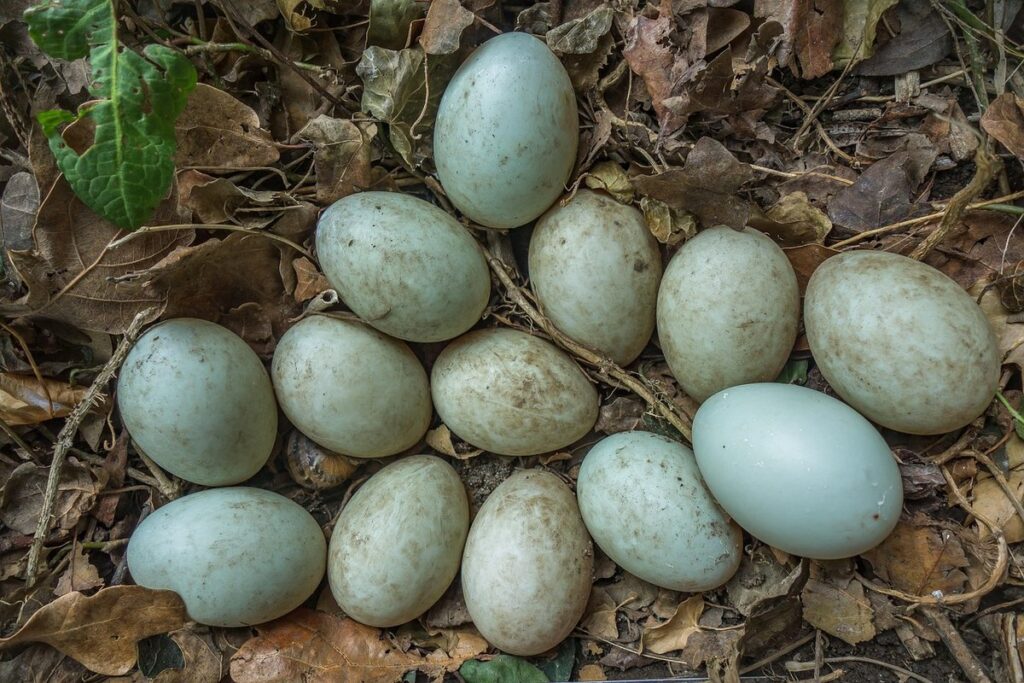
Understanding Duck Nesting Behavior
To truly appreciate these amazing structures, it’s essential to understand the behavior behind duck nesting, including their unique preparations and incubation habits. Let’s dive into the fascinating world of duck nesting behavior.
Importance of Duck Nests in Reproduction
When it comes to duck reproduction, their nests play a vital role. The success of their breeding cycle heavily depends on the safety and comfort of their nesting sites. A well-built nest provides a secure environment for female ducks (hens) to lay their eggs and incubate them until they hatch.
A duck’s fertility rate is significantly higher when they have access to a safe and protected nesting area. This, in turn, contributes to population growth as more chicks are born and able to reach maturity. In the wild, ducks that nest successfully tend to produce larger clutches compared to those that don’t have suitable nesting sites.
If you’re a duck breeder or owner, consider creating a conducive environment for your ducks by providing them with sheltered nesting boxes or areas. This will help promote healthy breeding habits and increase fertility rates among your flock. Remember to maintain cleanliness and provide adequate ventilation within the nests to prevent health issues.
Factors Influencing Nest Site Selection
When it comes to duck nesting behavior, understanding the factors that influence nest site selection is crucial for ensuring the health and well-being of these remarkable birds. As a duck parent, you’ll want to create an ideal environment for your feathered family.
Water quality is a significant factor in duck nest site selection. Ducks require access to clean water for swimming, drinking, and maintaining their feathers. A pond or lake with good water circulation, adequate depth, and minimal aquatic vegetation can make for an ideal nesting spot. For example, a study on mallard ducks found that they tend to select areas with low nutrient levels in the water, which reduces the risk of mosquito-borne diseases.
Vegetation density is another critical factor. Ducks prefer areas with dense cover, such as reeds or cattails, for protection from predators and harsh weather conditions. A mix of tall vegetation, like trees, and shorter plants, like grasses, provides a safe haven for nesting ducks. However, excessive vegetation can make it difficult for ducklings to escape predators.
Predator presence is also a significant consideration when selecting a nest site. Ducks are vigilant birds and often choose areas with minimal predator activity or those that offer protection from aerial threats. By observing your local wildlife and understanding the predator dynamics in your area, you can create a safer nesting environment for your ducks.
Types of Duck Nests
When it comes to creating a safe and cozy home for your feathered friends, understanding the different types of duck nests is essential. Let’s dive into the various nest structures you can use to care for your ducks.
Ground Nests
Ground nests are a common type of duck nest found on various terrains, from forests to grasslands. These nests are constructed by ducks using readily available materials such as leaves, twigs, grasses, and mud. The females will often choose a secluded spot with adequate protection from predators and harsh weather conditions.
Some duck species have a strong preference for ground nests over other types of nesting sites. For instance, wood ducks and mergansers tend to build their nests in shallow depressions on the forest floor. On the other hand, some species like mallards often use vegetation to construct their ground nests, incorporating materials such as grasses, sedges, or water lilies.
Ground nests offer several advantages, including protection from aerial predators and increased insulation against cold temperatures. However, they also have some disadvantages, like being vulnerable to flooding or digging animals that can easily disturb the nest. Despite these challenges, many duck species have adapted to use ground nests as their primary nesting site. By understanding the materials used in construction and the advantages/disadvantages of this type of nest, you’ll be better equipped to recognize and maintain healthy ground nests for various duck species.
Nesting Boxes
When it comes to providing a safe and comfortable spot for ducks to lay their eggs, nesting boxes can be an excellent alternative to natural sites. These structures are designed to mimic the characteristics of a natural nest, while offering several benefits over traditional nesting areas.
One key advantage of using nesting boxes is that they provide a secure location for ducks to escape from predators, such as foxes and raccoons. By placing these boxes in a safe location, you can protect your flock from harm and ensure their eggs are not disturbed.
In terms of design, nesting boxes should be at least 12 inches wide, 18 inches deep, and 24 inches tall. They should also have an entrance that’s around 6-8 inches square, allowing ducks to easily enter and exit the box. Some farmers prefer to add additional features, such as perches or roosting bars, to make the space more comfortable for their birds.
By incorporating nesting boxes into your duck habitat, you can offer a welcoming spot for your flock to lay their eggs while keeping them safe from predators.
Construction and Preparation
Before you start building or repairing a duck nest, it’s essential to understand the materials and tools needed for construction. Let’s dive into the preparation process together!
Materials Used in Duck Nest Building
Ducks are remarkably skilled at collecting and arranging materials for their nests. When it comes to choosing building materials, these birds opt for what’s readily available and easiest to work with. Plant material is a staple in most duck nests, as it provides the necessary insulation and protection from predators. Grasses, sedges, and aquatic plants like cattails are commonly used due to their abundance and ease of access.
Ducks will often mix plant material with soil or mud to create a sturdy foundation for their nest. This combination also helps to regulate temperature within the nest, keeping it cooler in summer and warmer in winter. In some cases, ducks may use other natural resources like moss, lichen, or even pine needles to add extra depth and texture to their nests.
It’s worth noting that the specific materials used can vary depending on the duck species, geographical location, and time of year. For example, waterfowl like mallards tend to build more extensive nests with a mix of plant material and mud, while geese may use less material altogether.
Tips for Improving Nest Quality and Security
When it comes to duck nests, ensuring their quality and security is crucial for successful breeding. However, environmental factors can compromise these aspects. Weather conditions, for instance, can be a significant concern.
Ducks prefer nesting sites with some protection from harsh weather. You can enhance the nest’s natural shelter by adding plant cover or constructing a simple roof using twigs and leaves. Consider the water level as well – ducks need access to water for breeding but may abandon their nests if it’s too close to water levels. Ensure the nesting site is above the high-water mark.
Accessibility is also vital. Make sure the nest is not too difficult to reach, especially for female ducks with eggs or young chicks. Also, avoid placing nests near predators’ favorite hangouts. Be mindful of local regulations when building duck nests, and use eco-friendly materials whenever possible.
It’s essential to balance these factors while keeping in mind that ducks often prefer natural nesting sites. By understanding their preferences and adapting the environment accordingly, you can create a safe and secure space for them to thrive.
Maintenance and Protection
Proper maintenance of a duck nest is crucial for its longevity, while protection from predators is essential to ensure your feathered friends’ safety. Let’s discuss some key tips to keep in mind!
Common Threats to Duck Nests
As a duck nest owner or enthusiast, it’s essential to be aware of the common threats that can harm these delicate structures. Unfortunately, duck nests are vulnerable to various predators, both animal and human. For instance, birds of prey such as hawks, owls, and foxes often raid duck nests for their eggs and chicks. In some cases, even domesticated animals like dogs and cats may accidentally or intentionally disturb the nest.
Extreme weather conditions can also pose a significant threat to duck nests. Harsh winds, heavy rainfall, and scorching heat can cause the nest to collapse or become uninhabitable for the mother duck and her brood. Habitat destruction is another critical concern, as it can lead to reduced nesting sites and increased competition among ducks for limited resources.
In terms of reproductive success and population viability, these threats are extremely severe. A single successful breeding season can be crucial for a duck’s survival, and repeated losses due to predation or environmental factors can decimate entire populations. As a responsible duck nest owner, it’s crucial to take proactive measures to protect your ducks’ nests from these common threats.
Strategies for Protecting Duck Nests
When it comes to protecting duck nests, it’s essential to consider the various threats they face. Predators like raccoons, opossums, and snakes are a significant concern, as well as human disturbance or destruction of the nest. To safeguard your ducks’ homes, you can use natural deterrents such as:
* Planting native vegetation around the nesting area that predators tend to avoid
* Creating a physical barrier using fencing or netting to prevent access
* Using artificial deterrents like plastic owls or balloons that mimic predator eyes
To prevent human disturbance, it’s crucial to educate visitors about the importance of maintaining a safe distance. You can also install signs or markers near the nesting area to alert people to the presence of duck nests. If you’re concerned about human destruction, consider using covered runs or relocating the nest to a secure enclosure.
By implementing these strategies, you can significantly reduce the risk of damage to your ducks’ nests and ensure their safety throughout the breeding season.
Interesting Facts and Variations
As you’ve learned about the different types of duck nests, let’s dive into some fascinating facts and variations that showcase just how unique and adaptable these nesting sites can be.
Cultural Significance and Symbolism
In many cultures around the world, duck nests hold significant symbolic meaning. For instance, in Japanese art, duck nests are often depicted as symbols of fertility and abundance. These representations not only celebrate the birds’ ability to raise their young but also signify the importance of nurturing and protection in society.
Similarly, traditional European folklore associates ducks with abundance and prosperity. According to these tales, a successful brood of ducklings was seen as a harbinger of good fortune for the family. This cultural significance is rooted in the ducks’ remarkable ability to thrive in various environments and adapt to different living conditions.
To appreciate the symbolic meaning behind duck nests, consider visiting museums or galleries that showcase Japanese art. You may also find inspiration in traditional European folklore by reading tales from authors like Beatrix Potter. By understanding the cultural context of duck nests, you’ll gain a deeper appreciation for these remarkable structures and the creatures that build them.
Adaptation to Different Environments
As you delve into the world of duck nests, it’s fascinating to observe how different species adapt their nesting behavior to thrive in various environments. Take the Arctic Tern, for instance, which constructs its nest on a rocky outcropping or cliff face to shield itself from harsh winds and freezing temperatures. The tern will even reuse the same nest site year after year, making adjustments as needed to protect its precious eggs.
In contrast, urban ducks have had to adapt their nesting habits to the concrete jungle. These resourceful birds often take over abandoned nests or create new ones using twigs, grasses, and other plant material found in the city. You might be surprised to learn that some urban duck populations have even been known to nest on rooftops, taking advantage of the protection from predators offered by these elevated locations.
When considering your own backyard duck habitat, remember that providing a safe and suitable nesting area can make all the difference for your feathered friends. By understanding how different ducks adapt their behavior to their environment, you can create a welcoming space for them to thrive.
Conclusion and Final Thoughts
As you’ve now learned how to identify, build, and maintain duck nests, it’s time to reflect on what you’ve gained from this ultimate guide. Let’s summarize key takeaways and provide final thoughts for long-term success.
Recap of Key Points
As we conclude our comprehensive guide to duck nests, it’s essential to recap the key points that will help you better understand and appreciate these intricate structures. Duck nests are not just simple homes for ducks; they are complex ecosystems that require careful consideration and maintenance.
From the various types of duck nests, including platform nests, cavity nests, and scrape nests, we’ve learned about their unique characteristics and advantages. We discussed how each type caters to different environmental conditions, such as water level, vegetation, and predator presence. Understanding these differences is crucial for creating an optimal nesting environment that meets a duck’s specific needs.
The construction of a duck nest involves selecting suitable materials, considering factors like durability, visibility, and accessibility. We highlighted the importance of using natural materials whenever possible, while also acknowledging the role of human intervention in creating artificial nests or improving existing ones. Whether you’re a seasoned duck breeder or a curious homeowner, knowing how to construct a duck nest can be beneficial for providing a safe haven for these amazing birds.
Throughout this guide, we emphasized the significance of maintenance and upkeep for a successful duck nest. Regular checks for signs of damage or wear, as well as prompt repairs, can make all the difference in ensuring the health and well-being of your feathered friends. By following our advice on maintenance tasks, such as cleaning, repairing, and replacing materials, you’ll be well-equipped to provide a nurturing environment that supports duck growth and development.
In summary, mastering the art of creating and maintaining duck nests requires attention to detail, patience, and dedication. By recalling these key points, you’ll be better prepared to tackle challenges and make informed decisions when it comes to supporting these incredible birds.
Frequently Asked Questions
How do I choose the best location for a duck nest on my property?
When selecting a location for your duck’s nest, consider factors such as protection from predators, accessibility for maintenance, and proximity to water sources. Ideally, the site should receive partial shade and be at least 10-15 feet away from any potential threats.
What are some common materials used in duck nesting boxes, and how can I make them more secure?
Duck nesting boxes often employ wood, straw, or grasses as primary building materials. To enhance security, consider adding a roof overhang to shield the nest from harsh weather conditions and using hardware cloth to protect against predators.
Can ducks reuse nests, or do they need to build new ones every breeding season?
While some duck species may reuse existing nests, it’s generally recommended to provide a fresh nesting site each breeding season. This ensures optimal comfort and protection for the female duck and her eggs.
How can I tell if my duck nest is secure enough to protect against common threats like raccoons or foxes?
Regularly inspect your duck nest for signs of tampering, such as damaged materials or removed eggs. Consider installing motion-sensitive lighting or using repellents to deter potential predators. Ensure the nesting box is securely fastened and free from gaps.
Are there any specific regulations I need to be aware of when building a duck nest on my property?
Check with local authorities for specific ordinances regarding backyard birdhouses, including size constraints, material requirements, and proximity guidelines. This will help you avoid potential fines or penalties while creating a safe haven for your feathered friends.