
If you’re raising chickens for eggs or meat, providing them with a reliable and efficient feeding system is crucial to their health and happiness. A commercial chicken feeder may seem like the most convenient option, but it can be pricey and not always customizable to your flock’s needs. That’s where a homemade chicken feeder comes in – a cost-effective, DIY solution that allows you to tailor the design to your specific requirements. In this article, we’ll show you how to create a homemade chicken feeder using various materials and designs, from plastic containers to wooden feeders. We’ll cover the benefits of going DIY, provide step-by-step instructions for building your own feeder, and offer tips for customizing it to suit your flock’s needs. By the end of this article, you’ll have a functional and efficient homemade chicken feeder that will save you money and ensure your chickens are happy and healthy.
Benefits and Purpose of a Homemade Chicken Feeder
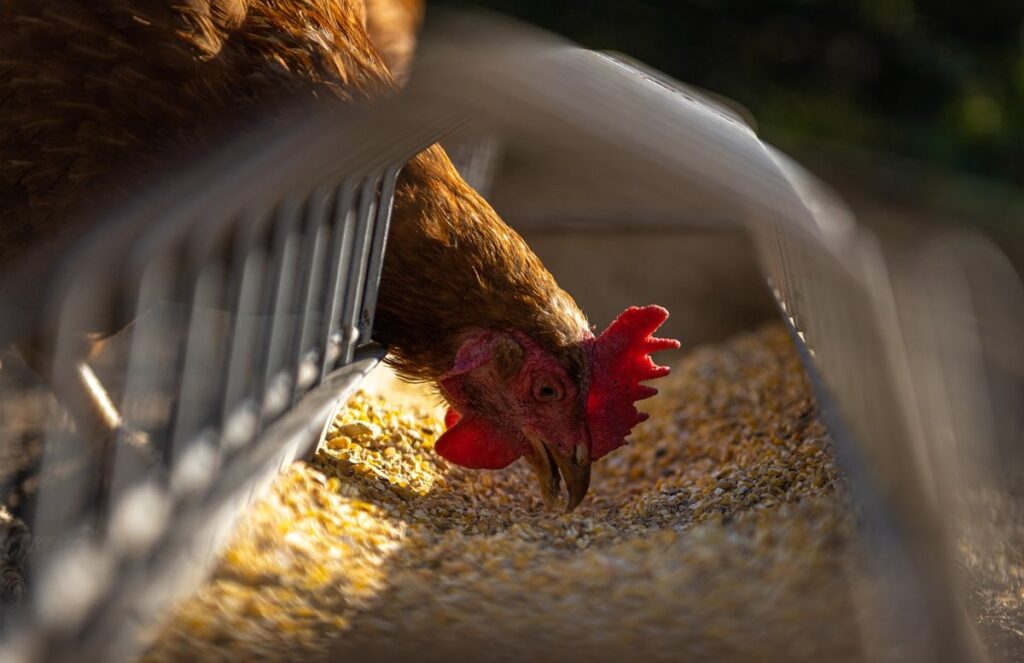
Now that you’ve built your feeder, let’s explore the benefits and purpose behind creating one for your backyard flock. A homemade chicken feeder can save you money on feed costs.
Why Build Your Own Chicken Feeder
Building your own chicken feeder is not only a fun and creative project, but it also offers numerous benefits that can enhance your backyard flock’s overall health and well-being. One of the most significant advantages of making your own feeder is cost-effectiveness. Store-bought feeders can be expensive, especially if you have a large flock or need to replace them frequently due to wear and tear. By building your own feeder, you can save money on materials and ensure that it’s tailored to your specific needs.
Another perk of homemade chicken feeders is the ability to customize them according to your flock’s requirements. You can choose the size, shape, and material of the feeder based on your birds’ preferences and feeding habits. For instance, if you have chickens with certain health issues or dietary restrictions, you can design a feeder that meets their specific needs.
Moreover, building your own chicken feeder allows you to monitor your flock’s feeding habits more effectively. You can easily observe how much food they’re consuming, when they prefer to eat, and whether there are any signs of waste or overeating. This information is invaluable in maintaining a healthy and happy flock.
Types of Materials Used in Homemade Feeders
When it comes to building a homemade chicken feeder, the type of material you choose can greatly impact its durability, ease of cleaning, and overall performance. Fortunately, there are numerous materials available for DIY enthusiasts to repurpose into functional feeders.
One popular option is recycled plastic containers like Tupperware or old plastic buckets from household items. These containers are ideal due to their water-resistance, easy cleaning, and affordability. They can be cleaned with soap and water, making them a low-maintenance choice. Plus, you might already have some of these containers lying around the house, reducing waste and saving you money.
Wooden pallets are another excellent option for building homemade chicken feeders. They’re readily available at most hardware stores or online, and can be easily disassembled to create the desired feeder shape. Pallets also provide a natural, eco-friendly alternative to plastic containers.
Five-gallon buckets are a favorite among backyard chicken keepers due to their sheer size and durability. They can hold generous amounts of feed, making them perfect for large flocks or busy households. Simply drill some holes in the bottom for drainage and add a lid to prevent contamination.
Designing Your Chicken Feeder
When it comes to designing your chicken feeder, you’ll want to consider the size and material that will best suit your flock’s needs while also being easy for them to access their food.
Key Considerations for a Functional Feeder
When designing your chicken feeder, there are several key considerations to keep in mind. First and foremost, size is crucial. You’ll want a feeder that’s large enough to hold the right amount of food for your flock, but not so big that it becomes unwieldy or takes up too much space in the coop.
Accessibility is also an important factor – you want to make sure that your chickens can easily access the feeder without having to jump or strain themselves. A good rule of thumb is to place the feeder at a height that allows your chickens to feed comfortably without having to stretch or crouch.
Ease of cleaning is another essential consideration. You’ll want a feeder design that makes it easy to remove and clean out any leftover food, preventing waste and reducing the risk of disease. Consider using a feeder with removable parts or a design that allows for simple scooping out of debris.
Ultimately, the right size, accessibility, and ease of cleaning will depend on your specific flock and coop setup – take some time to observe your chickens’ behavior and adjust your feeder design accordingly.
Essential Features Every Homemade Feeder Should Have
When designing your homemade chicken feeder, it’s essential to incorporate features that ensure efficiency and optimal feeding conditions for your birds. A well-designed feeder should have multiple compartments to store different types of feed, such as grains and supplements, which helps prevent cross-contamination and ensures each bird gets the right amount of nutrients.
A feeding trough or tray is another crucial feature, providing a dedicated area for chickens to eat comfortably without overcrowding or competition. Consider adding perches above or around the feeder to encourage birds to eat in a relaxed position, reducing stress and making mealtime more enjoyable.
A simple yet effective design involves using separate compartments for each feed type, with individual doors that can be easily opened and closed to refill or clean the containers. This setup allows you to monitor feeding levels, make adjustments as needed, and maintain a hygienic environment. By incorporating these essential features, your homemade chicken feeder will become an integral part of a healthy and happy backyard flock.
Choosing the Right Location for Your Feeder
When choosing a location for your homemade chicken feeder, consider accessibility and predator protection to ensure your flock stays safe and healthy. Place it in a spot that’s easy to clean and maintain.
Factors Affecting Feeder Placement
When it comes to placing your homemade chicken feeder, there are several key factors to consider. First and foremost, you’ll want to choose a location that’s easily accessible for both you and the chickens. This will make it simpler to refill the feeder without disturbing the flock.
Consider placing the feeder near the entrance of the coop or in a spot where it won’t obstruct their movement around the yard. A good rule of thumb is to position the feeder within 5-10 feet of the coop, allowing you to easily observe and interact with the chickens as they eat.
Protection from the elements is also crucial when selecting a location for your homemade chicken feeder. Place the feeder under a covered area or near a tree that provides some shade to prevent rain and direct sunlight from spoiling the feed. Additionally, position the feeder in an area where it’s out of reach from predators like raccoons, hawks, or other wildlife.
Visibility is another important aspect to consider when placing your homemade chicken feeder. Position the feeder in a spot where you can easily see the chickens as they eat, allowing you to monitor their behavior and detect any potential health issues early on. A clear view of the feeder will also make it easier to observe any signs of feeding issues or tampering by predators.
By taking these factors into consideration, you’ll be able to create a safe and functional location for your homemade chicken feeder that meets the needs of both the chickens and the owner.
Tips for Securing Your Feeder in Place
When placing your DIY homemade chicken feeder, it’s essential to secure it firmly in place to prevent accidents and protect your flock from predators. You can use a few simple tricks to keep the feeder upright and out of reach for sneaky birds.
First, choose a location that provides a clear path for your chickens to access the feeder without creating an obstacle course for potential predators like raccoons or foxes. Consider placing the feeder near a fence or wall, but not so close that it’s easily accessible from the outside. A good rule of thumb is to keep the feeder at least 3-4 feet away from any potential entry points.
You can also weigh down the feeder using heavy objects like rocks or sandbags to prevent it from being knocked over. Alternatively, consider attaching the feeder to a fence post or a sturdy anchor with a rope or chain to ensure it stays put even in strong winds or curious animal encounters. By taking these simple precautions, you’ll be able to enjoy your homemade chicken feeder without worrying about its stability.
Building Your Chicken Feeder
Building your chicken feeder is a fun and rewarding DIY project that requires some creativity and basic materials. Let’s start by covering the essential components you’ll need to create a functional feeder.
Step-by-Step Instructions for Different Materials
Building a homemade chicken feeder requires choosing the right materials. Here are some step-by-step instructions for different types of feeders.
For wooden feeders, start by cutting two pieces of wood to 24 inches long and 12 inches wide. Use a drill to create holes at regular intervals along the length of one piece. This will allow you to attach a metal rod or chain that will control the amount of food dispensed. Attach the second piece of wood as a back panel, ensuring it’s flush with the front piece.
For plastic feeders, use a 3D printer or purchase a pre-made container. Cut holes in the sides at regular intervals for easy access to the feeder. Use a drill to attach small hooks to hang the feeder.
When using metal feeders, cut two pieces of metal pipe to desired length and join them together with a hinge. Attach a metal tray or pan on top to collect waste. For mesh feeders, simply stretch the mesh material over a wooden frame, securing it with wire.
Regardless of the material used, make sure your homemade feeder is easy to clean and maintain. Use simple designs that won’t get in the way when feeding chickens.
Troubleshooting Common Issues with Your Feeder
One of the most crucial aspects of building and installing your DIY homemade chicken feeder is troubleshooting common issues that may arise during construction or after installation. Let’s face it; even with meticulous planning and execution, problems can still occur.
A frequently encountered problem is clogged feeding tubes due to blockages from dried feed, debris, or moisture accumulation. To resolve this issue, ensure you’re using the correct size of feeder tube for your chicken flock‘s needs. Regularly cleaning out any debris that accumulates at the bottom of the feeder will also help prevent clogging.
Another common problem is uneven feeding, where chickens are competing for food, leading to stress and potential health issues. This can be due to an inadequately sized feeder or incorrect placement within the coop. A more effective solution is to install multiple feeders strategically placed throughout your chicken run to reduce competition and promote a peaceful eating environment.
Keep an eye out for signs of rodent infestation, which can compromise the structural integrity of your homemade feeder. Regularly inspect your feeder for any damage, wear, or signs of chewing, and take immediate action if you notice any issues.
Maintaining Your Chicken Feeder
Now that you’ve built your homemade chicken feeder, it’s essential to keep it clean and functional to ensure your flock stays healthy and happy. Regular maintenance is a crucial part of this process.
Tips for Cleaning and Disinfecting the Feeder
Cleaning and disinfecting your homemade chicken feeder is an essential task to maintain the health and well-being of your flock. To prevent the spread of diseases and parasites, it’s crucial to regularly clean and disinfect the feeder.
Start by removing any leftover feed from the feeder using a scoop or shovel. Then, scrub the feeder with warm water and mild soap to remove any dirt, grime, or bacteria buildup. Rinse thoroughly to ensure all soap residue is removed.
Next, mix one part white vinegar with nine parts water in a spray bottle. Spray the solution onto the feeder, making sure to cover all surfaces evenly. Let it sit for 10-15 minutes before rinsing again with warm water. This will help kill any remaining bacteria and viruses.
For tougher stains or mineral deposits, you can use a mixture of equal parts water and baking soda as a paste. Apply the paste to the affected area, let it sit for 30 minutes, then rinse thoroughly with warm water. Regular cleaning and disinfecting will keep your homemade chicken feeder clean, hygienic, and functional, promoting healthy growth and development in your flock.
Strategies for Monitoring Feed Usage and Adjusting as Needed
Monitoring feed usage is crucial to ensure your chickens are getting enough nutrients without overfeeding them. To track consumption, you can use a simple method like weighing the feeder at regular intervals. Record the weight of the feeder before filling it with fresh feed, then weigh it again after 3-4 days to determine how much has been consumed.
Another effective way is by using a chicken feed tracker app on your smartphone. These apps allow you to log feed consumption and monitor patterns over time. Some popular options include “Flock” and “Chick Tracker.”
It’s also essential to observe your chickens’ behavior and adjust feeding accordingly. If you notice some birds are finishing their rations faster than others, it may be a sign of overcrowding or competition for food. Adjusting the amount of feed or implementing a staggered feeding schedule can help prevent these issues.
Remember, accurate tracking and adjustments will save you money on feed while promoting healthy growth and production in your flock. Regular monitoring will also help you identify any potential health issues related to overfeeding or underfeeding.
Additional Considerations for Your Flock’s Health
As you design and build your homemade chicken feeder, remember that maintaining a healthy flock goes beyond just feeding them. This is where disease prevention and parasite control come into play.
Importance of Proper Nutrition for Chickens
Providing a balanced diet for your flock is crucial to maintaining their overall health and well-being. A proper nutrition plan should include essential nutrients such as protein, calcium, phosphorus, and vitamins A, D, E, K, and B12. These nutrients are necessary for strong bone growth, immune system function, and optimal egg production.
When selecting ingredients for your homemade chicken feed, choose those that offer a broad spectrum of these nutrients. For example, oats provide fiber and protein, while sunflower seeds offer calcium and phosphorus. Dark leafy greens like kale and spinach add essential vitamins A, D, E, K, and B12. However, ensure to balance these nutrient-rich ingredients with lower-protein sources like corn or wheat.
Keep in mind that individual chickens have different nutritional requirements based on their age, breed, and health status. For instance, egg-laying hens need higher levels of calcium and phosphorus than slow-growing breeds. Therefore, research the specific dietary needs of your flock and adjust the recipe accordingly to prevent nutrient deficiencies and ensure optimal health.
Ensuring Clean Water Supply for Your Chickens
When it comes to maintaining a healthy flock, ensuring clean water supply is just as crucial as providing fresh food. Chickens need access to clean drinking water at all times, and if their water source becomes contaminated, it can lead to serious health issues.
Water quality can be compromised by bacteria, algae, or even fecal contamination from your chickens themselves. This can cause a range of problems, including respiratory infections, digestive issues, and even death. To prevent this, make sure to change the water frequently – ideally twice a day in warm weather. Use a clean watering system and avoid over-crowding, which can lead to unsanitary conditions.
Check your flock’s water regularly for signs of contamination, such as a foul odor or slimy texture. If you notice any issues, replace the water immediately and make sure to scrub the container thoroughly before refilling. To keep their water clean, consider using a birdbath-style feeder with built-in filtration system or add a few drops of vinegar to the water to prevent bacterial growth.
Keep in mind that chickens can be messy drinkers and may splash water around, creating an ideal breeding ground for bacteria. To minimize this, place feeders and water sources away from each other and ensure good ventilation in your coop to reduce moisture buildup.
Conclusion: Benefits of Homemade Chicken Feeders
Now that you’ve built your very own homemade chicken feeder, let’s explore the benefits it brings to your flock and backyard. By using a DIY feeder, you can save money and promote healthy eating habits for your chickens.
Recap of Advantages and Cost Savings
Making your own chicken feeder is not only an environmentally friendly and sustainable option but also a cost-effective one. By opting for a DIY homemade chicken feeder, you can save up to 50% of the costs associated with buying commercial feeders.
One of the significant advantages of making your own chicken feeder is customization. You can design it according to your flock’s specific needs, taking into account their age, breed, and feeding requirements. This ensures that every bird gets the right amount of food at the right time, minimizing waste and optimizing nutrition. For instance, if you have a large family of chickens with different ages and breeds, you can create separate compartments within the feeder to cater to each group’s unique needs.
Another benefit is the ability to choose the materials and components that go into your homemade chicken feeder. You can select durable and long-lasting materials such as plastic or metal, ensuring that your feeder withstands harsh weather conditions and lasts for years to come. This eliminates the need for frequent replacements, which not only saves you money but also reduces waste.
In addition to cost savings and customization, making your own chicken feeder allows you to monitor and control what your chickens eat. You can avoid adding unnecessary fillers or preservatives found in commercial feed, opting instead for wholesome ingredients that promote healthy digestion and overall well-being. By taking control of their diet, you’ll also reduce the risk of disease and parasite infestations common with mass-produced chicken feed.
Overall, making your own chicken feeder is a smart decision for any backyard farmer looking to save money while providing optimal nutrition for their flock.
Frequently Asked Questions
How do I maintain my homemade chicken feeder to prevent pests and diseases?
Regular cleaning and disinfecting are crucial to preventing pests and diseases from affecting your flock’s health. For plastic containers, scrub them with a mixture of soap and water, then rinse thoroughly. For wooden feeders, use a wood-safe disinfectant to avoid harming the material. Regularly inspect your feeder for signs of wear or damage and make repairs as needed.
Can I use a homemade chicken feeder in cold weather?
Yes, you can use a homemade chicken feeder in cold weather, but take extra precautions to ensure it doesn’t become too heavy with ice. Consider using a feeder with a sloping design to allow snow to slide off easily, or place the feeder on a raised platform to prevent water accumulation.
How do I customize my homemade chicken feeder for specific age groups of chickens?
To accommodate different age groups, consider using separate feeders for chicks, pullets, and laying hens. For example, you can use smaller feeders for chicks to prevent overcrowding, while larger feeders are suitable for older birds. You can also adjust the feeder’s design or placement to cater to specific feeding needs.
Can I use recycled materials for my homemade chicken feeder?
Yes, using recycled materials is an excellent way to create a sustainable and eco-friendly chicken feeder. Consider repurposing plastic containers, wooden pallets, or old feeders. Just ensure that the materials are clean and free of contaminants before using them for your flock’s feeding needs.
How do I handle common issues with my homemade chicken feeder, such as uneven feeding or spills?
Common issues like uneven feeding or spills can be resolved by adjusting the feeder’s design or placement. For example, you can add a lip to prevent feed from spilling over, or place the feeder at an angle to promote even feeding. Regularly inspect your feeder and make adjustments as needed to ensure optimal performance.