
Building a safe and functional chicken coop run is more than just providing your flock with a place to roam. It’s about giving them the exercise, stimulation, and optimal living conditions they need to thrive. A well-designed coop run can make all the difference in maintaining the health and well-being of your chickens. But, with so many factors to consider, it can be overwhelming for even the most seasoned chicken keepers.
In this article, we’ll explore the essential design tips, material selection strategies, and maintenance advice you need to create a chicken coop run that’s safe, functional, and perfect for your flock. From choosing the right fencing materials to incorporating enrichment activities, we’ll cover it all. Whether you’re just starting out or looking to upgrade your current setup, this guide will walk you through everything you need to know to build a top-notch chicken coop run that your chickens will love.
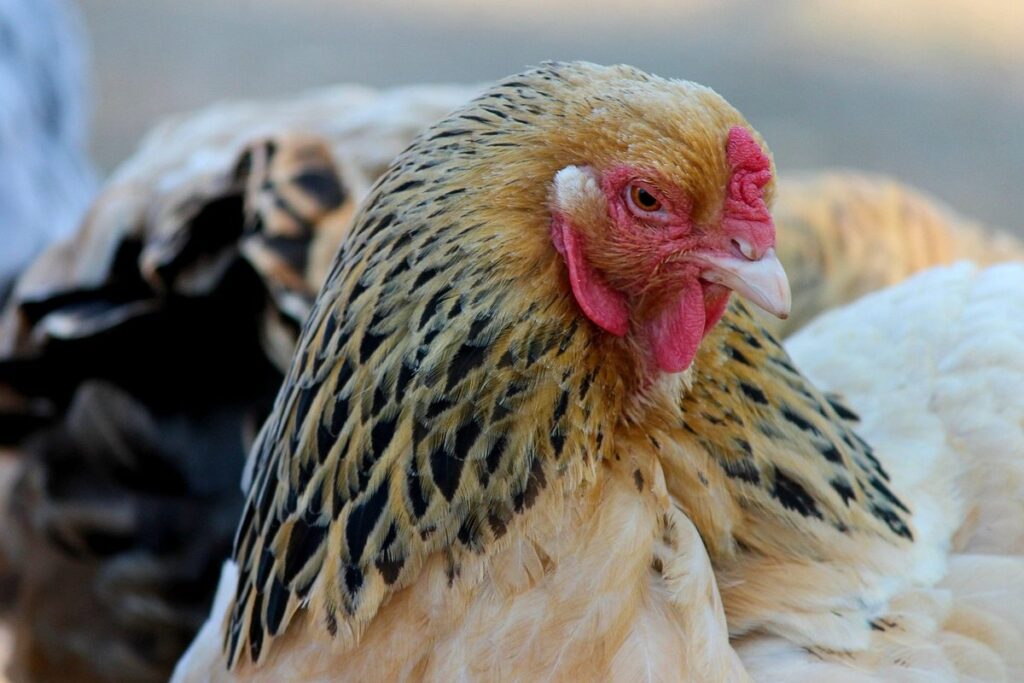
Benefits of a Coop Run
A well-designed coop run can provide your flock with vital exercise, socialization, and protection from predators, making it an essential part of their overall health and happiness. Let’s explore the benefits in more detail.
Providing Exercise and Stimulation
Chickens need to move around and engage their minds just like humans do. A coop run provides them with the space and freedom to exercise and stimulate themselves. When chickens are cooped up without enough physical activity, they can develop health problems such as obesity, muscular atrophy, and poor egg production.
Regular exercise also helps to keep your chickens’ minds sharp. Bored or under-stimulated chickens may resort to feather pecking or other destructive behaviors. To prevent this, make sure their coop run is equipped with a variety of toys and activities that challenge them physically and mentally. For example, you can hang rope ladders, bell toys, or treat-dispensing puzzle toys from the walls or ceiling.
Providing a mix of climbing structures, perches, and scratching areas will encourage your chickens to engage in natural behaviors like foraging and roosting. This will not only keep them entertained but also help maintain their physical health. Consider adding new features or rotating existing ones regularly to prevent boredom and keep your flock stimulated.
Preventing Health Issues
Regular movement and access to outdoor space can significantly reduce the risk of various health issues affecting your chickens. One of the most common problems is obesity, which can lead to a range of other health complications. When chickens are confined to small spaces with limited opportunities for exercise, they’re more likely to overeat or become inactive, resulting in weight gain.
Egg-laying problems are another issue that can arise when hens are not getting enough physical activity. A lack of exercise can disrupt the normal laying cycle, leading to irregular egg production and even egg-binding in some cases. Regular access to a secure outdoor run can help maintain your hens’ overall health and support their reproductive systems.
To provide your chickens with the best possible care, ensure they have at least 6-8 hours of access to fresh air and movement each day. This doesn’t mean you need to let them roam free; even a small enclosed area with adequate space for exercise can make a big difference. Consider adding some toys or perches to keep your hens entertained and active during their time in the run, such as swings, ladders, or scratching posts.
Choosing the Right Location
When it comes to building a chicken coop run, selecting the perfect location is crucial for your flock’s health and happiness. You’ll want to choose a spot that provides ample space and protection from predators.
Considering Sunlight and Shelter
When it comes to choosing the perfect spot for your coop run, sunlight and shelter are two crucial factors to consider. You’ll want to select a location that receives adequate sunlight to promote healthy growth and development of your chickens’ feathers and bones, as well as their overall immune system. A south-facing spot is ideal, but be mindful of the intense heat it may bring during warmer months.
On the other hand, harsh weather conditions can be detrimental to your flock’s health and safety. Consider potential shelter from strong winds, heavy rainfall, or extreme temperatures. You’ll want to position your coop run to protect your chickens from these elements while still allowing for adequate ventilation.
When evaluating a potential spot, consider the surrounding landscape. A natural barrier such as trees or a fence can provide protection from harsh weather and predators. However, be sure not to obstruct sunlight or create a waterlogged area. Assess the site during different times of day and seasons to get a sense of how it will perform throughout the year.
Ensuring Accessibility and Visibility
When choosing a location for your chicken coop run, accessibility and visibility are crucial considerations. You want to be able to easily maintain and inspect the coop without having to climb over fences or navigate through dense vegetation. A well-placed coop will also make it easier to prevent predators from getting too close.
Think about the flow of foot traffic around the coop. Ideally, you’ll want a path that’s clear of obstacles and allows for easy movement between the coop and any nearby facilities, such as a water source or storage area. Consider installing a gate that opens wide enough to accommodate large items like feed bins or cleaning equipment.
Make sure your coop is situated in an open area where you can keep an eye on it from a distance. This will help deter predators like foxes, raccoons, and hawks, which are attracted to the noise and activity around chicken coops. A visible coop also makes it easier for neighbors or visitors to see what’s going on, reducing the likelihood of complaints about noise or mess.
In addition to choosing a location with good visibility, consider adding features like lights or motion-activated cameras to enhance security and deter predators even further.
Coop Run Design and Size
When designing a chicken coop run, it’s essential to consider both the size and layout of the enclosure to ensure your chickens have plenty of space to roam and exercise safely. We’ll break down what you need to know about optimal coop run dimensions and designs.
Determining the Optimal Size
When designing a chicken coop run, determining the optimal size is crucial to ensure the health and happiness of your feathered friends. But did you know that different breeds have unique space requirements? To calculate the minimum recommended space per bird, let’s first consider their breed and size.
For example, small breeds like Leghorns or Bantams require about 3-4 square feet of space per bird, while larger breeds such as Orpingtons or Plymouth Rock need around 5-6 square feet. If you’re planning to keep a mix of breeds, aim for the higher end of this range.
To give you a better idea, here are some general guidelines: For every chicken in your flock, you’ll want at least 10 square feet of outdoor space per bird. This will allow them to roam freely, exercise, and engage in natural behaviors like scratching and pecking. Remember, the more space you can provide, the happier and healthier your chickens will be.
Incorporating Perches, Nests, and Feeders
When designing your chicken coop run, it’s essential to incorporate areas for roosting perches, nesting boxes, and feeders. These features will provide your flock with a comfortable living environment, promote healthy habits, and make their daily lives more enjoyable.
Start by allocating space for roosting perches. Chickens are natural climbers, so consider installing a sturdy bar or ledge that’s at least 3 feet off the ground. This will allow them to comfortably roost while keeping their feathers dry. Aim for about 2-3 square inches of perch space per chicken.
Next, designate nesting boxes for your hens. These should be quiet, dark areas that provide a safe spot for laying eggs. A good rule of thumb is to have one nesting box per 3-4 hens. Install them at least 3 feet off the ground and position them so they’re not visible from outside the coop run.
Finally, incorporate feeders into your design. Consider using hanging feeders or feeding troughs that allow for easy access without scattering feed on the ground. This will help keep your coop clean and reduce waste. Make sure to place feeders in a way that prevents chickens from dominating them, promoting a balanced pecking order.
Materials and Construction
When building a chicken coop run, it’s essential to choose materials that are durable, easy to clean, and resistant to pests. We’ll walk you through our top picks for construction materials in this section.
Selecting Durable and Safe Materials
When it comes to building a chicken coop run, selecting durable and safe materials is crucial for ensuring the health and well-being of your feathered friends. Weather conditions can be harsh on outdoor structures, so choose materials that can withstand rain, sun, wind, and even extreme temperatures.
Start by selecting a sturdy frame material like pressure-treated wood or recycled plastic lumber. These options are resistant to rot, decay, and insect damage, making them perfect for withstanding the elements. For fencing, opt for durable wire mesh or hardware cloth that’s secure against predator attacks.
When it comes to safety, prioritize materials that won’t harm your chickens if ingested. Avoid using toxic chemicals like arsenic-treated wood or old pallets that may contain lead paint. Instead, choose natural, non-toxic options like cedar or cypress for their aromatic and rot-resistant properties. By selecting the right materials, you’ll create a safe and healthy environment for your flock to thrive in.
Building Tips and Considerations
When building your chicken coop run, it’s essential to consider local building regulations. Check with your municipality for specific requirements regarding fencing height, material types, and setbacks from neighboring properties. Not only will this ensure compliance, but it will also help you avoid costly fines or even the need to dismantle your coop.
Another crucial aspect is drainage. Chickens produce a significant amount of waste, which can quickly lead to health issues if not managed properly. Consider incorporating a slight slope into your run’s design, allowing excess water and droppings to flow towards a collection point. This could be as simple as a shallow trench or a dedicated area with a concrete base.
Don’t forget about ventilation either. Adequate airflow is vital for maintaining good air quality within the coop. Ensure that windows and doors are strategically placed to allow fresh air in while keeping predators out. A well-designed coop run should strike a balance between protection, functionality, and animal welfare.
Maintenance and Upkeep
To keep your chicken coop run safe and functional, it’s essential to establish a regular maintenance routine that includes cleaning, inspecting, and repairing as needed. This section will walk you through these tasks step by step.
Cleaning and Disinfecting
When it comes to maintaining a healthy and thriving flock, cleaning and disinfecting the chicken coop run is an essential task that shouldn’t be neglected. A regular cleaning schedule will not only prevent disease transmission but also keep your birds happy and productive.
First, establish a routine of cleaning the coop run at least once a week, ideally every 3-4 days during peak laying seasons or when you have a large flock. Start by removing any soiled bedding material and disposing of it properly to avoid attracting pests. Next, scrub all surfaces with a mild detergent and water, paying particular attention to areas around feeders, waterers, and nesting boxes.
Don’t forget to disinfect the run regularly, using a solution of 1 part bleach to 10 parts water. This will help kill bacteria, viruses, and fungi that can cause disease in your flock. Allow the solution to sit for about 10 minutes before rinsing thoroughly with clean water. By following these simple steps, you’ll be able to maintain a clean and healthy coop run where your birds can thrive.
Monitoring and Adjusting
Regular coop run inspections are crucial to ensure the health and safety of your chickens. Check for signs of damage or wear on the fencing, gates, and roofing material at least once a week. Look out for loose or missing hardware, frayed wire, and gaps between sections. Make note of any areas that need repair or replacement to prevent escape attempts by your birds.
When inspecting the run, also take a closer look at the surrounding area. Check for any signs of pests, such as raccoons, snakes, or rodents, which can cause damage to the coop and potentially harm your chickens. Ensure that all vegetation is trimmed back from the fencing to prevent overgrowth, which can compromise the integrity of the structure.
Make adjustments to the coop run as necessary to maintain a safe environment for your flock. This may involve tightening loose screws, replacing damaged wire mesh, or re-grouting the base of the fencing. By staying on top of maintenance and repairs, you’ll be able to prevent potential issues before they become major problems, keeping your chickens happy and healthy.
Integrating with Your Backyard Ecosystem
As you bring your new flock into your backyard, think about how their coop can work in harmony with the existing ecosystem to create a thriving and balanced environment for all. Let’s explore ways to make it happen.
Creating a Thriving Habitat
When designing your chicken coop run, consider the surrounding ecosystem and how you can create a thriving habitat that benefits both your birds and the environment. Integrating native plants and flowers into your design is an excellent way to promote biodiversity and attract beneficial wildlife.
Native plants are perfect for this purpose because they require minimal maintenance, provide food and shelter for local insects and animals, and help maintain soil health. For example, plant native wildflowers like coneflowers or black-eyed Susans around the perimeter of your coop run. These flowers will not only attract pollinators but also provide a natural source of nectar and seeds for your chickens to enjoy.
Consider adding shrubs or trees that offer shade and shelter from harsh weather conditions. Native grasses can also be used as a groundcover, reducing soil erosion and providing a comfortable surface for your birds to scratch and roam. By incorporating these plants into your design, you’ll create a welcoming habitat that supports the local ecosystem and enhances the overall health of your flock.
Minimizing Environmental Impact
As you integrate your chicken coop into your backyard ecosystem, it’s essential to consider the environmental impact of this addition. One way to minimize waste and reduce your carbon footprint is by implementing sustainable practices from the start.
Composting is a great place to begin. Collecting eggshells, fruit peels, and other organic matter from your kitchen can provide nutrient-rich soil for your garden. You can also collect chicken droppings and layer them with green materials like grass clippings or leaves to create a natural fertilizer. This not only reduces waste but also creates a valuable resource for your plants.
Consider using rainwater collection systems to supply water to your coop, reducing the need for municipal water and minimizing wastewater runoff. You can also repurpose old pallets or wood scraps to build your coop run, giving new life to discarded materials.
By incorporating these sustainable practices into your backyard ecosystem, you’ll not only be creating a healthier environment for your chickens but also reducing waste and conserving resources.
Additional Tips and Considerations
To ensure a safe and happy flock, you’ll want to consider a few extra details when designing your chicken coop run, including predator protection and ventilation options.
Managing Predators and Pests
When it comes to managing predators and pests in your chicken coop run, prevention is key. One of the most effective ways to prevent predator attacks is by using netting or fencing around your coop and run. Netting, in particular, is a great option as it allows sunlight and airflow while keeping predators out. You can choose from different types of netting, such as hardware cloth or chicken wire with openings as small as 1 inch.
To install netting, start by measuring the perimeter of your coop and run, then cut the netting to size. Make sure to secure it tightly around the edges using wire or staples. Another option is to use fencing, which can be more visible but still effective in keeping predators out. Consider using a 3-foot high fence made from durable materials like metal or wood.
In addition to physical barriers, there are other strategies you can implement to prevent pest infestations and predator attacks. For example, regular cleaning of your coop and run can help remove attractants that draw pests. Keep in mind that different predators have different preferences, so it’s essential to research the types of predators common in your area and adjust your strategies accordingly.
Ensuring Chicken Safety
Regular coop run inspections are crucial to maintaining a safe environment for your flock. Start by walking around the perimeter of the enclosure, looking for any signs of wear and tear on fencing, walls, or roofs. Check for loose boards, gaps, or holes that could allow predators to enter or escape. Make sure all wires, netting, or other deterrents are securely attached.
Next, inspect the ground beneath the run for any obstacles or hazards such as uneven terrain, sharp rocks, or buried wires. Remove any debris or clutter that could attract pests or create tripping hazards. Also, check for signs of disease, parasites, or mites, which can spread quickly in a confined space. Take note of any unusual sounds, smells, or behaviors from your birds, and investigate the cause.
Regular inspections will help you identify potential issues before they become major problems. By addressing these concerns promptly, you’ll be able to maintain a safe and healthy environment for your flock to thrive.
Frequently Asked Questions
What if I have a small backyard, how can I fit a coop run without sacrificing too much space?
If you have limited space, consider a compact or vertical coop design that makes the most of your yard’s dimensions. You can also opt for a smaller flock size to minimize the footprint. Additionally, think about multi-level coops or incorporating existing structures like trellises or arbors into your design.
Can I use wire mesh alone as fencing material, and is it sufficient for predator protection?
While wire mesh can provide good ventilation and visibility, using it as the sole fencing material may not be enough to deter predators. It’s recommended to combine wire mesh with sturdy posts and other protective measures like hardware cloth or electric fencing to ensure a safe coop run.
How often should I clean and disinfect my coop run, and what’s the best way to do it?
Regular cleaning and disinfecting are crucial for maintaining your flock’s health. Aim to clean the coop run at least once a week during peak seasons (spring and fall) and more frequently in extreme weather conditions. Use a pet-safe cleaner or natural alternatives like vinegar and water solutions, and always rinse thoroughly to prevent residue buildup.
Can I incorporate enrichment activities into my coop run design, and what types of activities are best?
Absolutely! Incorporating enrichment activities can keep your flock engaged and stimulated. Consider adding features like scratching posts, dust baths, or treat-dispensing toys. You can also rotate these activities seasonally to keep things fresh and exciting for your birds.
What if I live in an area with extreme weather conditions, how can I ensure my coop run remains safe and secure?
If you live in a region prone to harsh weather (e.g., heavy rain, strong winds, or extreme temperatures), take extra precautions when building your coop run. Use durable materials that can withstand the elements, ensure proper drainage and ventilation, and consider adding sheltered areas or windbreaks for protection.