
If you’re an avid backyard chicken enthusiast, you know how crucial it is to create a safe and secure enclosure for your feathered friends. Predators can be lurking in every corner, and it’s essential to protect your flock from potential threats. One effective way to do this is by building an apron fence chicken run. An apron fence chicken run not only keeps predators out but also provides a designated area for your chickens to roam and exercise safely. In this article, we’ll guide you through the process of designing, constructing, and maintaining a predator-proof chicken run using an apron fence. We’ll cover everything from choosing the right materials to ensuring proper ventilation and accessibility for easy cleaning and maintenance.
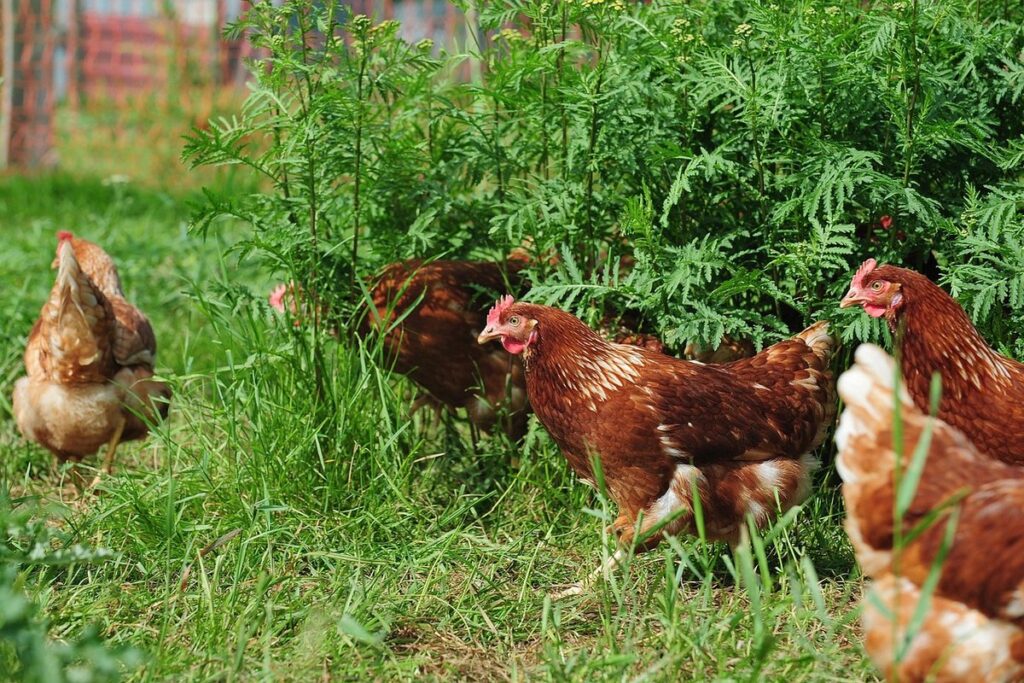
What is an Apron Fence Chicken Run?
So you’re wondering what all the fuss is about when it comes to apron fence chicken runs, and how they differ from other types of enclosures. Let’s take a closer look at the basics!
Benefits of Using an Apron Fence
Using an apron fence for your chicken run offers numerous benefits that ensure the safety and security of your birds. One of the primary advantages is protection from predators such as foxes, raccoons, and stray dogs that can easily dig under or jump over traditional fencing. An apron fence extends several feet below ground level, making it difficult for these predators to breach the enclosure.
With an apron fence in place, you can rest assured that your chickens will be secure inside their run. The apron portion of the fence provides a sturdy barrier against digging and burrowing predators, while the main fencing secures the top and sides. This dual-layer protection system prevents escape attempts by curious or bored birds.
In addition to predator control, an apron fence also helps prevent damage to your garden and yard from over-enthusiastic chickens. By containing them within a secure area, you can avoid costly repairs and maintenance that may be required due to escaped birds. With the right design and installation, an apron fence chicken run is a reliable solution for keeping your feathered friends safe and happy.
Design Considerations for an Effective Apron Fence
When building an apron fence for your chicken run, there are several key design elements to consider. First and foremost, think about the height of your fence. A good rule of thumb is to make sure it’s at least 3 feet tall to prevent predators like foxes or coyotes from jumping over. However, if you live in an area with particularly pesky wildlife, you may want to consider going even higher – up to 6 feet or more.
In addition to height, the material of your fence is also crucial. You’ll want something durable and easy to clean, like chicken wire or hardware cloth. Avoid using regular fencing materials like wood or vinyl, as they can be damaged by weather conditions and won’t provide adequate protection for your flock. Don’t forget to consider gate options too – you’ll need a secure latch that’s out of reach from predators, but still accessible to you.
When selecting materials, also think about the ease of maintenance. A simple apron fence design with removable panels can be a great option for easy cleaning and repairs. Consider using a sturdy post and beam construction to ensure your fence remains standing over time.
Choosing the Right Materials for Your Apron Fence
When it comes to building your apron fence chicken run, selecting the right materials is crucial. Let’s explore the best options to ensure durability and safety for both you and your flock.
Pros and Cons of Different Materials (Wood, Metal, etc.)
When it comes to building an apron fence for your chicken run, choosing the right material is crucial. Popular options include wood, metal, and plastic. Each has its pros and cons that you should consider.
Wood is a traditional choice for many chicken keepers. It’s inexpensive, easy to work with, and can be stained or painted to match your garden’s aesthetic. However, wood is prone to rot and insect damage if not properly treated. Pressure-treated wood is an option, but it may leach chemicals into the soil.
Metal apron fences are durable and long-lasting. They’re also more secure than wooden ones, making them ideal for areas with high predation risk. However, metal can be expensive, especially if you choose a higher-quality coating to prevent rust.
Plastic apron fences are low maintenance and often come in kits. They’re lightweight and easy to install, but may not provide the same level of security as metal or wood. Some chicken keepers also find them less visually appealing than other options.
Ultimately, the material you choose will depend on your specific needs and preferences. Consider factors like budget, durability, and maintenance requirements when making your decision. Be sure to follow local building regulations and take necessary safety precautions during installation.
Budget-Friendly Options for DIY Apron Fences
If you’re looking to build an apron fence on a budget, don’t worry – there are plenty of affordable options available. One great alternative is reclaimed wood, which can add a unique and rustic touch to your chicken run. You can find reclaimed wood at local salvage yards or Habitat for Humanity ReStores.
Another option is repurposed materials like old pallets or fencing from an existing structure that’s being demolished. Not only will you save money, but you’ll also be reducing waste and giving new life to discarded materials. For example, you could use pallets as the base of your apron fence and then add a layer of chicken wire on top for extra security.
Consider also using recycled plastic lumber or composite materials, which are durable and require little maintenance. These options may cost more upfront, but they’ll save you money in the long run by reducing the need for frequent repairs or replacement. When shopping for affordable materials, keep an eye out for sales, discounts, or free items that can be repurposed for your project.
Building an Apron Fence: Step-by-Step Instructions
Now that you have a solid foundation for your apron fence, it’s time to start building the enclosure itself. Follow these step-by-step instructions to create a secure and sturdy chicken run.
Planning Your Chicken Run Layout
When designing your chicken run layout, it’s essential to consider several factors that will ensure the health and safety of your flock. First, think about the space you have available for the chicken run. Aim to provide at least 2-3 square feet per bird inside the run, and a minimum of 8-10 feet in length and width.
Consider the accessibility of the run by placing gates on opposite sides of the enclosure, making it easy to clean and maintain. You can also incorporate a covered area for shade and protection from the elements. When it comes to predator protection, ensure that your apron fence is at least 3 feet high and extends around any corners or obstructions.
Incorporate features like a roosting bar and nesting boxes in a designated area within the run, keeping them out of reach of predators but easily accessible for egg collection. A chicken ladder can also be a useful addition to provide your birds with easy access to their nesting boxes.
Installing Posts and Fencing Panels
When installing posts and fencing panels for your apron fence chicken run, it’s essential to focus on stability and durability. To begin, mark out the post locations along the boundary of your enclosure, taking into account the height and spacing requirements for your fencing panels.
Dig holes for each post that are 12-18 inches deep, depending on the soil type and local building codes. Fill the holes with concrete mix, ensuring it’s level with the surrounding ground. This provides a solid base for the posts to prevent shifting or toppling.
Next, insert the posts into their respective holes, making sure they’re plumb and secure. Attach the fencing panels to the posts using wire, screws, or brackets, depending on the panel type. Ensure the panels are tightly secured to prevent sagging or gaps that could allow predators in.
For added stability, consider installing post supports or bracing between the posts, especially for taller fences.
Adding Gates and Entrances to Your Apron Fence
Now that you’ve got your apron fence built, let’s talk about adding gates and entrances so your chickens can safely come and go as they please. This will give them freedom to roam while keeping predators out!
Designing Secure Gates for Chicken Runs
When designing secure gates for your chicken run, it’s essential to consider a few key factors. First and foremost, you’ll want to focus on the latch system. A sturdy latch that can withstand tampering from determined hens (or even more persistent predators) is crucial.
A simple pin-and-hole design may seem sufficient at first glance, but it can be easily compromised by curious chickens or cunning raccoons. Instead, opt for a secure latch like a carabiner-style clip or a cam lock, which offer greater resistance to tampering.
Another important consideration is the type of door you choose. A swinging gate with a self-closing hinge is a great option, as it ensures that the gate stays closed when not in use and makes it harder for predators to gain entry. You can also consider using an electric gate opener or a magnetic latch for added security.
When selecting materials for your gate, make sure they’re durable and predator-proof. Hardware cloth, chicken wire with openings of 1 inch or smaller, or metal mesh are all good options to keep your girls safe inside their coop.
Tips for Automating Gate Openings
Automating gate openings can significantly improve the accessibility and convenience of your apron fence chicken run. One potential solution is to install solar-powered motors that can be programmed to open and close gates at specific times, ensuring that your chickens have unrestricted access to their outdoor area.
If you’re on a tighter budget or prefer a more DIY approach, consider using simple pulley systems to automate gate openings. This can involve attaching a rope or chain to the gate and attaching the other end to a stationary point, such as a tree or fence post. You can then use a manual winch or even a bicycle wheel to open and close the gate.
When choosing an automation method, consider factors such as power source (solar or battery-powered), durability, and ease of maintenance. It’s also essential to ensure that any automated system is secure and tamper-proof to prevent potential escape routes for predators or unwanted visitors.
Remember to always follow safety guidelines when installing automated gates, and consult with a professional if you’re unsure about the installation process.
Keeping Your Chickens Safe Inside the Apron Fence
When it comes to keeping your chickens safe inside their apron fence enclosure, one of the biggest concerns is protecting them from predators. We’ll walk you through some essential tips for securing your flock’s safety within this enclosed space.
Protecting from Weather Extremes (Heat, Cold, Rain)
When it comes to keeping your chickens safe inside the apron fence, protecting them from extreme weather conditions is crucial. Extreme heat, cold, and rain can be detrimental to their health, so it’s essential to take measures to shield them from these elements.
In hot weather, chickens need shade and ventilation to prevent heat stress. Ensure that the apron fence provides adequate shading with a canopy or overhead covering, allowing air to circulate freely. You can also install misting systems or sprinklers to lower the temperature. A water source should be easily accessible for your flock to stay hydrated.
In cold weather, provide windbreaks and bedding materials like straw or hay to keep them warm. Insulated runs are also a good idea to minimize heat loss. Ensure that feeders and waterers are not exposed to direct wind or frost.
Rain can be just as hazardous, causing mud and puddles in the run. Implement a drainage system to collect rainwater and prevent it from accumulating. Also, make sure your chickens have access to dry areas for roosting and nesting. By taking these precautions, you’ll ensure your flock remains safe and healthy inside their apron fence home.
Reducing Stress and Promoting Chicken Health
When it comes to keeping your chickens safe and healthy within an apron fence environment, reducing stress is crucial. A stressed flock can lead to weakened immune systems, decreased egg production, and even behavioral problems. To minimize stress and promote chicken health, consider the following strategies.
Provide a balanced diet: A nutrient-rich feed will help support overall health and well-being. Ensure your chickens have access to fresh water at all times. Rotate their feeders and drinkers regularly to prevent overcrowding and maintain cleanliness. Also, supplement their diet with treats like fruits and vegetables, which can be hung from the apron fence for easy access.
Create a stimulating environment: Engage your flock’s natural behaviors by providing perches, nesting boxes, and dust bathing areas within the apron fence. This will help reduce stress and boredom. Consider adding some chicken-friendly plants like herbs or flowers to create visual interest.
Regular cleaning and maintenance are also essential in maintaining a healthy environment. Remove droppings and debris regularly to prevent disease and parasites from spreading.
Maintenance and Upkeep of Your Apron Fence
Now that you’ve set up your apron fence chicken run, it’s essential to keep it well-maintained for the health and safety of your flock. Regular upkeep will also extend its lifespan.
Regular Cleaning and Inspection Schedule
Regular cleaning and inspection of your apron fence chicken run is crucial to maintain its integrity and ensure the health and safety of your flock. Set aside time each week for a quick clean-up, removing any debris, droppings, or weeds that may have accumulated. Start by picking up any fallen branches or leaves, then sweep or blow away any loose material from the fence’s surface.
Schedule a deeper clean every month, using a mild detergent and water to scrub any stubborn stains or dirt buildup. Be sure to rinse thoroughly to prevent any soap residue from attracting pests or harming your chickens. Also, inspect the fencing for any signs of damage, such as rotting wood or worn-out wire mesh. Check for gaps or holes that could allow predators in or provide an escape route for your birds.
For a comprehensive inspection, set aside time every 6-12 months to thoroughly examine each section of the fence. Use this opportunity to repair any damaged areas, tighten loose screws or bolts, and replenish any worn-out components. By sticking to this regular cleaning and inspection schedule, you’ll help extend the lifespan of your apron fence chicken run while keeping your flock safe and healthy.
Repairing and Replacing Damaged Fencing Panels
When it comes to maintaining an apron fence chicken run, one of the most critical aspects is keeping the fencing panels in good condition. Damaged panels can compromise the integrity of the entire enclosure, putting your chickens at risk and allowing predators to infiltrate. That’s why prompt action is essential when it comes to repairing or replacing damaged fencing panels.
Inspect your panels regularly for signs of wear, such as loose boards, cracks, or holes. Make a mental note (or take photos) of any issues you find so you can address them quickly. For minor repairs, you can use wire mesh and screws to secure loose boards. However, if the damage is more extensive, it’s best to replace the panel entirely.
In fact, replacing just one damaged panel can be cheaper than waiting until multiple panels are affected. And with new fencing materials on the market, such as durable, weather-resistant options like PVC or HDPE, you can upgrade your fence while also repairing any existing damage.
Frequently Asked Questions about Apron Fence Chicken Runs
We’ve received numerous questions from chicken keepers interested in building an apron fence chicken run, so here are some answers to common queries. Below, we address your most pressing concerns.
Addressing Common Concerns about Security and Predator Protection
Many people are concerned about the effectiveness of apron fences in protecting their chickens from predators. One common worry is that an apron fence won’t be enough to keep out larger predators like coyotes or foxes.
However, when installed correctly and combined with other security measures, apron fences can provide a reliable barrier against smaller predators like raccoons, opossums, and stray dogs. For example, in a study conducted by the University of Georgia, it was found that chickens protected by an apron fence had a 90% lower mortality rate compared to those without such fencing.
To maximize protection, consider adding additional security features like:
* A sturdy coop door that can withstand forced entry
* A covered run area to reduce visibility and accessibility for predators
* Regular cleaning of the run to remove any potential attractants like food or debris
By taking these steps, you can have peace of mind knowing your chickens are safe behind their apron fence enclosure.
Additional Considerations for Large or Small Flocks
When it comes to apron fence chicken runs, you may be wondering if they’re suitable for large or small flocks. The answer is yes – with a few adjustments! A well-designed apron fence can accommodate both big and small groups of chickens.
For larger flocks (10+ birds), consider the following:
* Double or triple the number of nesting boxes to ensure each bird has enough space.
* Increase the width of the apron to allow for easier movement and access to food, water, and nesting areas.
* Consider adding multi-level enclosures to maximize space while minimizing walking distance.
For smaller flocks (less than 5 birds), focus on optimizing the design to meet their unique needs:
* Use a narrower apron with a single row of nesting boxes.
* Incorporate vertical space by adding roosting bars or perches for chickens to exercise and rest.
* Keep it simple: avoid complicated features that can be overwhelming for small groups.
Remember, every flock is different. Be prepared to adapt your design based on the needs of your birds. By considering these factors, you’ll create a thriving and happy home for your chickens.
Frequently Asked Questions
Can I use an apron fence with existing fencing or do I need to replace it entirely?
Yes, you can integrate an apron fence into your existing chicken run layout. In fact, this is often the most practical solution for backyard chicken keepers who want to upgrade their enclosure without starting from scratch. Simply measure and mark where the apron fence will extend below ground level, dig accordingly, and attach it to your existing fencing.
How deep should I dig the apron fence to ensure predator protection?
The ideal depth of an apron fence varies depending on local wildlife and climate conditions. As a general rule, aim for at least 12-18 inches (30-45 cm) below ground level. However, if you live in an area with high predation pressure or extreme weather, consider extending the apron fence even deeper.
Can I use a combination of materials for my apron fence, such as wood and metal?
Yes, many backyard chicken keepers opt for mixed-material solutions to balance durability, cost-effectiveness, and aesthetic appeal. For example, you can use wooden posts with metal fencing panels or vice versa. Just be sure to choose compatible materials that won’t corrode or rot each other.
How often should I inspect my apron fence for damage or wear?
Regular inspections are crucial to maintaining a secure and safe chicken run. Set aside time every 1-2 months to check for signs of damage, rust, or decay. Look out for holes, gaps, or sagging sections that might compromise the integrity of your enclosure.
What’s the best way to transition my flock to their new apron fence chicken run?
Gradual introduction is key when transitioning your flock to a new enclosure. Start by allowing them to explore the surrounding area before introducing the apron fence. Once they become familiar with their new space, you can safely integrate them into the apron fence chicken run.