
Are you thinking of bringing home some feathered friends but not sure where to start? An outdoor chicken run is a must-have for any backyard flock, providing your hens with a safe and healthy space to roam. But building one requires careful planning, design, and construction – not to mention attention to predator-proofing and maintenance.
In this comprehensive guide, we’ll walk you through everything you need to know about creating a secure outdoor chicken run. From assessing your yard and designing the perfect layout to choosing the right materials and troubleshooting common issues, we’ve got you covered. By the end of this article, you’ll have the knowledge and confidence to build a happy, healthy home for your backyard chickens – a safe and predator-proof space where they can thrive and lay plenty of eggs!
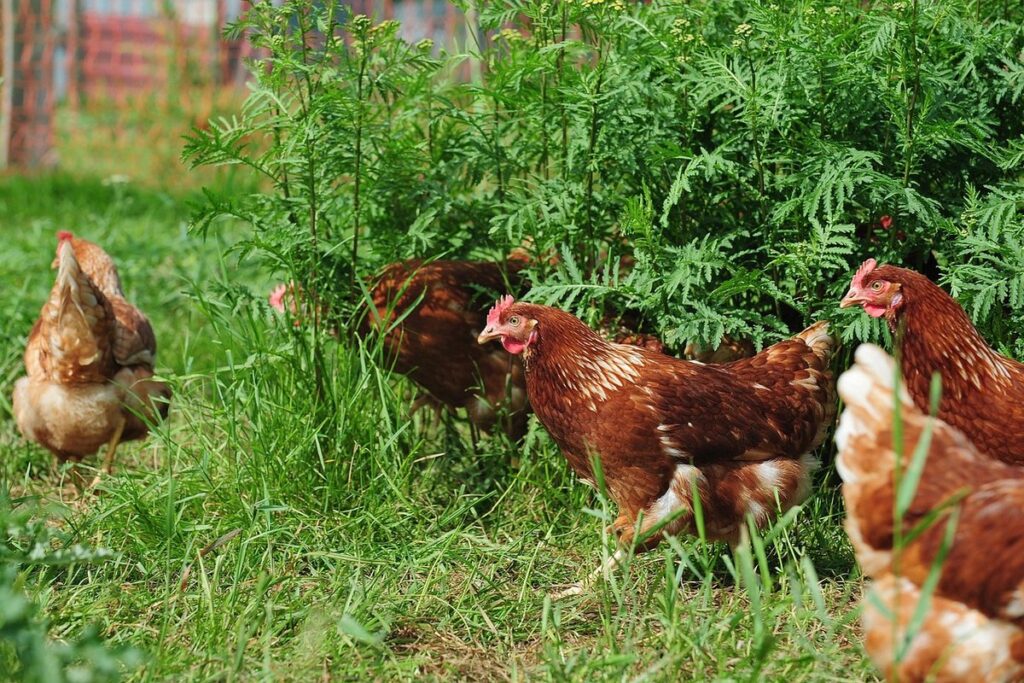
Planning Your Backyard Flock
When it comes to raising backyard chickens, planning is key to creating a safe and thriving flock. Let’s dive into the essential steps to set up your outdoor chicken run for success.
Choosing the Right Location
When it comes to setting up an outdoor chicken run, choosing the right location is crucial for the health and happiness of your flock. First and foremost, consider the amount of sunlight your yard receives. Chickens need about 10-12 hours of daylight to stay healthy and produce eggs, so make sure their coop and run are situated in a spot that gets plenty of morning sun.
Another important factor to think about is wind direction. You want to position your chicken run so that it’s shielded from harsh winds, which can be stressful for the birds and cause them to lose feathers and become chilled. Look for a spot with some natural protection, such as trees or a fence line, to block the wind.
It’s also essential to locate your chicken run near a reliable water source. You’ll want easy access to water for cleaning and refreshing the area, so consider placing it near a hose bib or a rainwater collection system. Just be sure to position the coop and run in a spot that’s far enough away from any nearby water sources to prevent contamination.
Finally, think about accessibility – you’ll need easy entry and exit points for collecting eggs and monitoring your flock. Choose a location with a clear path to the coop and run, making it simple to tend to your birds throughout the day.
Assessing Local Regulations
Before bringing home those adorable chicks, it’s essential to check with local authorities regarding regulations and ordinances governing backyard chickens. You wouldn’t want to get into trouble for having an unauthorized flock, would you? Zoning restrictions are a crucial aspect of this process.
Check your city or town’s website, or better yet, give them a call to ask about permits required for keeping chickens in your area. Some municipalities have specific requirements, such as the number of birds allowed per property, coop size and location guidelines, or even vaccination records needed. In some areas, you may need to register your flock with the local health department.
Some states also have laws regulating egg sales, processing, and consumption, so it’s vital to be aware of these regulations as well. For instance, if you plan on selling eggs from your flock, you might need a commercial permit or follow specific handling procedures. Take note that even if your neighbors seem to be keeping chickens without any issues, local laws can still apply.
To avoid potential headaches down the line, take time to research and understand what’s allowed in your area. This will ensure a harmonious relationship between you, your chickens, and the community around you.
Designing Your Chicken Run
Now that you’ve decided to let your chickens roam free, it’s time to design a safe and secure outdoor chicken run that meets their needs and fits your backyard. This section will walk you through the key considerations to keep in mind.
Considering Chicken Breed and Size
When designing your chicken run, it’s essential to consider the breed and size of your chickens. Different breeds have varying space requirements, and some are better suited for small or large spaces. For example, bantam breeds like Silkie and Polish can thrive in smaller areas, while larger breeds like Orpington and Plymouth Rock require more room to roam.
When selecting a breed, consider the climate where you live. In hot climates, lightweight breeds with good air circulation are ideal. In cold climates, breeds with thick feathers or dual-purpose eggs are better suited. You should also think about egg-laying frequency – some breeds like Leghorn can lay up to 300 eggs per year, while others may only produce 180.
To determine the right breed for your space, assess your available area and consider the following:
* Bantams: 2-4 square feet per bird
* Small breeds: 4-6 square feet per bird
* Medium breeds: 6-8 square feet per bird
* Large breeds: 10-12 square feet per bird
By considering these factors, you can choose a breed that’s suitable for your available space and climate. This will ensure the health and happiness of your chickens, as well as reduce maintenance needs for their enclosure.
Calculating the Optimal Size
When designing your chicken run, one of the most crucial considerations is calculating the optimal size to ensure the health and safety of your feathered friends. The minimum size required will depend on several factors, including the number of chickens you plan to keep, their breed, and intended use.
For a small flock of 2-3 hens for egg production, a run of around 8-10 square meters (86-108 sq ft) should be sufficient. However, if you’re planning to raise larger breeds or have a bigger flock, you’ll need more space. A good rule of thumb is to provide at least 1 square meter (11 sq ft) per bird for egg production and 2-3 square meters (22-32 sq ft) per bird for meat production.
In addition to the number of chickens, consider their breed characteristics, such as energy levels and exercise needs. For example, energetic breeds like Leghorns require more space than laid-back breeds like Orpingtons. Also, think about how you plan to use your chicken run – will it be primarily for egg production or dual-purpose (meat and eggs)? This will help you determine the optimal size for your flock’s specific needs.
Building Your Chicken Run
When it comes to building a chicken run, there are several key factors to consider, including size, fencing, and ventilation. Let’s dive into the specifics of creating a safe and healthy environment for your flock.
Materials and Budget Considerations
When it comes to building an outdoor chicken run, selecting the right materials is crucial for durability and functionality. You’ll want to consider using durable and weather-resistant materials such as wood, metal, or plastic. Wood is a popular choice due to its natural insulation properties and aesthetic appeal. However, it requires more maintenance than other options.
Metal runs are another excellent option, especially in areas prone to harsh weather conditions. They’re easy to clean and maintain, but can be noisy for your chickens. Plastic runs are lightweight and low-maintenance, making them a great choice for small spaces or temporary setups.
Before starting your project, it’s essential to determine your budget and stick to it. The cost of materials can vary greatly depending on the size of your run, material choices, and DIY skills. Here are some estimated costs:
* 2×4 lumber: $10-$20 per board (depending on length)
* Chicken wire or mesh: $5-$15 per roll
* Metal framing: $30-$50 for a standard kit
* Plastic runs: $20-$50 for small sizes, $100-$300 for larger ones
Keep in mind that these are rough estimates and costs may vary depending on your location. To save money, consider repurposing materials you already have or opting for DIY designs.
Safety Features and Fencing Requirements
When building your chicken run, safety features and fencing requirements are crucial to ensure the well-being of both your birds and other pets. A predator-proof enclosure is essential to protect your chickens from foxes, coyotes, raccoons, and hawks that may be lurking nearby.
To start with, choose a sturdy fence material that can withstand weather conditions and potential damage from animals trying to breach it. Hardware cloth or chicken wire with openings of 1 inch or smaller are excellent options. Make sure the fencing is at least 3 feet high to prevent predators from easily jumping over.
Other safety features to consider include:
• Securely locking all gates to prevent unauthorized access
• Burying fencing material at least 12 inches underground to prevent digging
• Installing an electric fence around the perimeter for added protection
Regular inspections of your chicken run are also vital to identify any potential weaknesses or damage. By prioritizing safety features and fencing requirements, you can create a secure environment for your feathered friends to thrive in.
Some popular types of fencing include:
• Poultry netting with openings of 1 inch or smaller
• Metal mesh fencing
• Wooden boards with hardware cloth or chicken wire attached
Health and Hygiene
When it comes to raising chickens outdoors, maintaining a clean environment is crucial for your flock’s health. In this section, we’ll cover essential tips for keeping your chicken run tidy.
Predator Protection and Bird Proofing
When it comes to protecting your outdoor chicken flock from predators, it’s essential to take proactive measures to ensure their safety. Foxes, coyotes, and hawks are common culprits that can easily infiltrate a poorly secured run. To safeguard your birds, consider investing in netting or hardware cloth around the enclosure.
Netting, specifically chicken wire with openings of 1 inch or less, provides an effective barrier against predators like raccoons, opossums, and stray cats. Burying the netting at least 12 inches underground will prevent digging animals from breaching it. Alternatively, you can use hardware cloth, a sturdier mesh material that’s more resistant to chewing and tearing.
For more robust protection, electric fencing is an option worth considering. Install an electrified perimeter fence around your run, keeping it at least 3 feet high to deter larger predators. Always follow the manufacturer’s instructions for proper setup and maintenance. By implementing these measures, you’ll significantly reduce the risk of predator attacks on your flock and provide them with a secure outdoor living environment.
Biosecurity Measures
Maintaining good biosecurity practices within your outdoor chicken run is crucial to prevent the spread of diseases and ensure the health and well-being of both your flock and family. When it comes to cleaning and disinfecting, regularity is key. Aim to clean the run at least once a week, paying attention to high-touch areas such as feeding troughs, waterers, and nesting boxes.
Disinfect all surfaces with a solution of 1 part bleach to 10 parts water, making sure to let it sit for 10 minutes before rinsing off. Don’t forget to disinfect any tools or equipment used within the run, such as shovels and feed scoops. Proper waste management is also essential, as it can harbor bacteria and attract pests. Remove all soiled bedding and manure daily, replacing it with fresh material.
Regular cleaning and disinfection may seem like a chore, but trust us – it’s worth it! A clean run not only keeps your flock healthy, but also reduces the risk of disease transmission to humans. By incorporating these simple practices into your daily routine, you’ll be well on your way to maintaining a happy, healthy backyard flock.
Maintenance and Upkeep
To keep your outdoor chicken run thriving, it’s essential to perform regular maintenance tasks that ensure a safe and healthy environment for both you and your flock. This includes cleaning out the coop, inspecting fencing, and more.
Regular Cleaning and Disinfection
Maintaining a clean and hygienic environment within your chicken run is crucial for the health and well-being of your birds. Daily cleaning tasks should focus on removing waste and debris from the run. Start by mucking out soiled bedding material, taking care to dispose of it properly to avoid attracting pests and odors. Next, replenish with fresh bedding material such as straw or wood shavings, making sure to spread it evenly throughout the run.
Regular cleaning also involves disinfecting key areas like feeding troughs, waterers, and perches. Use a poultry-safe disinfectant and follow the manufacturer’s instructions for application and drying times. This will help prevent the spread of diseases and maintain a clean environment for your birds. Don’t forget to check and repair any damaged fencing or hardware that may be harboring bacteria and germs.
To make cleaning more efficient, consider setting up a schedule or routine that works for you. This could include daily checks on water quality and food availability, as well as weekly deep cleans of the run. By staying on top of regular maintenance tasks, you’ll create a safe and healthy environment for your backyard chickens to thrive in.
Monitoring Weather Conditions
When it comes to maintaining an outdoor chicken run, monitoring weather conditions is crucial for ensuring the health and well-being of your flock. Extreme temperatures, wind, and precipitation can be detrimental to your chickens’ living conditions.
Heat stress is a significant concern during hot summer months when temperatures soar above 90°F (32°C). Symptoms include panting, drooling, and lethargy. To mitigate this, consider providing shade for your run using tarps or canopies. You can also increase ventilation by adding windows or adjusting the coop’s design to promote airflow.
During cold snaps, it’s essential to keep your chickens warm and dry. Use insulation materials like straw or shredded paper to line their nesting boxes and roosts. Ensure they have access to a sheltered area with adequate bedding to prevent moisture accumulation.
Wind protection is also vital for maintaining a healthy flock. Install windbreaks such as fencing, burlap, or snow fencing around your run to shield them from harsh gusts. Regularly inspect your coop’s condition and make repairs promptly to prevent damage caused by extreme weather conditions.
Troubleshooting Common Issues
We’ve all been there – a leaky fence, a brood of chickens refusing to lay eggs, or pests invading your outdoor chicken run. Let’s tackle these common issues together and find solutions.
Identifying and Resolving Health Problems
When it comes to raising backyard chickens, monitoring their health is crucial for their well-being and productivity. Common health issues can arise from various sources, including parasites, respiratory problems, and nutrient deficiencies. To identify these issues early on, keep a close eye on your flock’s behavior and physical condition.
Some telltale signs of internal parasites include wet droppings, weight loss, and lethargy. Regularly inspecting your chickens’ droppings can help you detect any changes in their consistency or color. For respiratory problems, watch for labored breathing, wheezing, or coughing. Nutrient deficiencies may manifest as dull plumage, weight loss, or egg production issues.
To resolve these health issues, it’s essential to provide a balanced diet and clean living conditions. Ensure your chicken run is well-ventilated and free from debris, which can harbor parasites and bacteria. Consider implementing natural deterrents like diatomaceous earth or apple cider vinegar to control internal parasites. Additionally, consult with a veterinarian if you notice any of these symptoms to receive proper guidance on treatment and prevention strategies.
Managing Behavior and Stress
Minimizing stress and promoting good behavior within your flock is essential for a harmonious outdoor chicken run. When introducing new birds to your existing flock, it’s crucial to do so gradually to avoid causing unnecessary stress. Start by keeping the newcomers separate from the rest of the flock at first, allowing them to get used to each other’s presence through visual and auditory cues. Once they seem comfortable with each other’s proximity, you can begin supervised introductions.
Some birds may exhibit aggressive behavior, which can be a challenge to manage. In such cases, separating the aggressive individual from the rest of the flock is usually the best course of action. You can achieve this by creating a “time-out” area for the aggressor or by temporarily relocating them to a different enclosure.
Effective roosting habits also play a significant role in maintaining harmony within your flock. Make sure your chickens have access to comfortable roosts and nesting boxes, which can help reduce stress and promote restful behavior. By establishing clear rules and providing adequate resources, you can encourage good behavior and minimize conflicts among your birds.
Frequently Asked Questions
How can I ensure my chicken run is secure against predators like raccoons, coyotes, or hawks?
Make sure to consider the local wildlife population when designing your chicken run’s fencing and predator-proofing measures. Use sturdy materials for the fence, such as 1″ x 2″ inch hardware cloth, and bury it at least 12 inches underground to prevent digging predators from getting in. You can also add a roof or canopy over the top of the run to protect against aerial attacks.
What are some common mistakes I should avoid when building my chicken run?
Don’t forget to provide adequate ventilation and airflow within your coop and run, as stagnant air can lead to respiratory issues in chickens. Also, be mindful of water drainage and ensure that the area around the coop is sloped to prevent water accumulation and mud buildup.
Can I use recycled materials for my chicken run’s fencing?
Yes! Repurposed materials like old pallets or wooden planks can make great alternatives to traditional fencing materials. Just ensure they’re sturdy enough to withstand wind, rain, and potential predator attacks. Consider adding a layer of hardware cloth on top for extra protection.
How often should I clean and disinfect my chicken run?
Regular cleaning is essential for maintaining a healthy flock. Set aside time each week to remove soiled bedding, scrub all surfaces with a mild detergent, and disinfect any areas where your chickens may have come into contact with disease or parasites. Always wear protective gear like gloves and a face mask when handling disinfectants.
What are some tips for introducing new chickens to an existing flock?
Introducing new chickens can be challenging, especially if they’re different breeds or ages. To minimize stress, start by letting them get used to each other’s sounds and smells through a fence or divider. Gradually increase their interaction time under close supervision, making sure to monitor body language and behavior for signs of aggression or fear.