
Are you considering bringing home some adorable bantam chickens but not sure where to start? Building a safe and healthy bantam chicken coop is crucial for their well-being, and with this comprehensive guide, you’ll be on your way to creating a perfect haven for your feathered friends. Before we dive into the nitty-gritty of building a bantam chicken coop, let’s talk about the importance of breed selection – not all bantams are created equal! You’ll want to choose a breed that thrives in small spaces and meets your specific needs.
This article will cover everything you need to know, from choosing the right bantam breed for your backyard to providing optimal nutrition and maintenance tips. We’ll explore space requirements, ventilation, and even offer expert advice on how to keep your coop clean and pest-free. Whether you’re a seasoned chicken owner or just starting out, our guide will walk you through every step of building a safe and healthy bantam chicken coop that will make your flock happy and healthy for years to come!
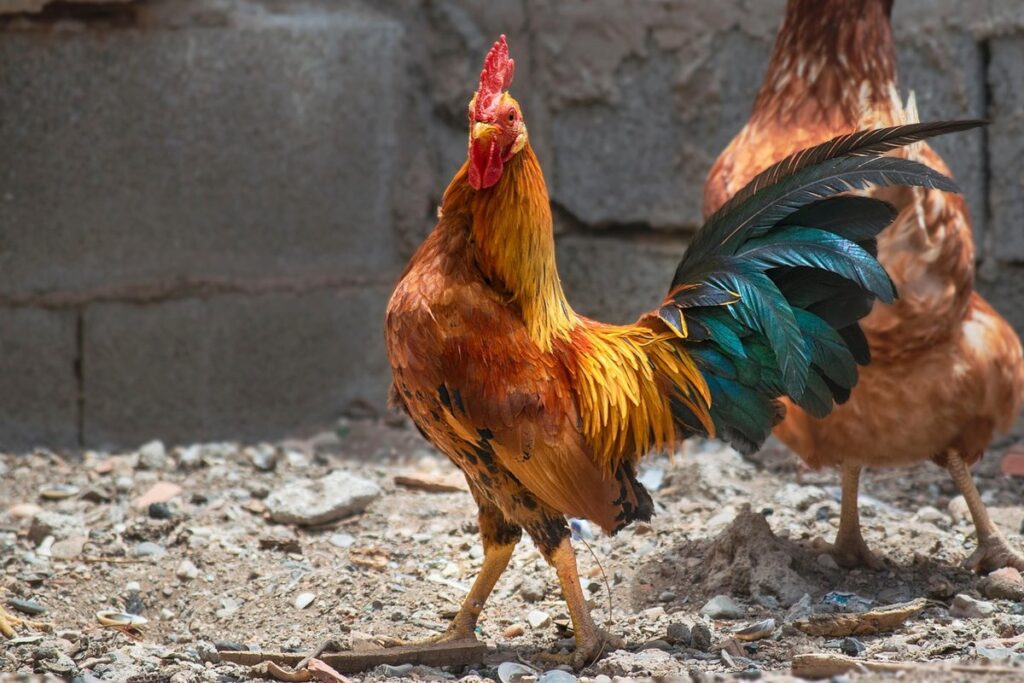
Understanding Bantam Chickens and Their Needs
Before you start building your bantam chicken coop, it’s essential to understand these tiny birds’ unique needs, from their social habits to dietary requirements. Let’s dive into what makes them tick.
Choosing the Right Breed for Your Backyard Flock
When choosing a bantam chicken breed for your backyard flock, it’s essential to consider their temperament and characteristics. With over 100 recognized breeds of bantams, the selection can be overwhelming. Start by identifying what you’re looking for in a breed – do you want quiet birds or ones that will entertain you with their antics? Do you have space constraints, or are you willing to invest in more extensive housing?
Some popular bantam breeds include the Silkies, known for their gentle and affectionate nature, while others like the Japanese Bantams are more high-strung. Research each breed’s specific needs, as some require specialized care due to health issues or unique habits. For example, Silkies have a tendency to go broody, so if you’re not planning on raising chicks regularly, this might be a consideration.
Consider factors like climate, noise levels, and your personal experience with chickens when selecting the right breed for your flock. Remember that each breed has its pros and cons, but with the right choice, they can thrive in even small backyard spaces.
Space Requirements for Bantams in a Backyard Coop
When it comes to designing a backyard coop for bantam chickens, one of the most critical considerations is providing sufficient space for these small but mighty birds. While they may be compact, bantams still require room to move around, exercise, and engage in natural behaviors.
A good rule of thumb for coop space is to provide at least 2-3 square feet per bird inside the coop itself. This allows them to turn around comfortably, stretch their wings, and access all areas without feeling crowded or stressed. However, it’s essential to remember that bantams are active birds and need space to roam outside the coop as well.
Aim for a minimum of 8-10 square feet per bird in your outdoor exercise area, which can be enclosed with fencing or netting to protect them from predators. Don’t forget to include a few essentials like roosting bars (at least 18 inches off the ground) and nesting boxes (one box per 3-4 birds). A bantam’s average height is around 10-12 inches, so ensure the nesting box is spacious enough for them to comfortably lay their eggs. With these space requirements in mind, you’ll be well on your way to creating a happy and healthy home for your feathered friends.
Nutrition and Health Considerations for Bantams
When it comes to feeding your bantam chickens, their small size can sometimes lead to misconceptions about their dietary needs. In reality, bantams require more protein and calcium than larger breeds due to their rapid growth rate and high metabolism. A good starting point for a bantam chicken’s diet is a quality layer feed that includes a mix of grains, proteins, and minerals.
However, it’s essential to supplement this with fresh fruits and vegetables daily to ensure they get the necessary fiber, vitamins, and antioxidants. Some great options include leafy greens like kale and spinach, as well as berries such as strawberries and blueberries. Avoid giving them high-starch foods like potatoes or corn, which can lead to obesity.
To maintain optimal health, it’s also crucial to provide a constant source of fresh water. Bantams are prone to egg-binding issues due to dehydration, so make sure their water supply is always clean and easily accessible. Regular check-ups with a veterinarian will help you catch any potential health issues early on, ensuring your bantam flock lives a long and happy life in their coop.
Planning Your Bantam Chicken Coop
Before you start building your bantam chicken coop, it’s essential to plan and design a space that meets your birds’ needs for safety, comfort, and exercise. Let’s dive into the planning process together!
Designing a Coop That Meets Local Regulations
When planning your bantam chicken coop, it’s essential to design it with local regulations in mind. These regulations can vary significantly depending on where you live, so it’s crucial to research and understand the specific requirements for your area.
In many cities and towns, there are minimum square footage requirements for backyard coops. For example, some municipalities require a minimum of 10-20 square feet per chicken, while others may allow as little as 5 square feet per bird. Be sure to check with your local government to determine the exact requirements for your area.
Another important consideration is setback rules from property lines. This refers to how far your coop must be located from neighboring properties. Typically, this distance ranges from 3-10 feet, depending on the zoning laws in your area. You’ll also want to consider the height of your coop and any obstructions that may be visible from neighboring properties.
To ensure compliance with local regulations, research and familiarize yourself with the specific requirements for your area. This will not only help you avoid costly fines but also ensure a harmonious relationship with your neighbors.
Materials Needed for Building a Coop
When it comes to building a bantam chicken coop, having the right materials is crucial for creating a safe and healthy environment for your birds. You’ll want to start by selecting durable wood types that can withstand the elements. Cedar, pine, and cypress are popular options due to their resistance to rot and insects.
For the roof, you have several options, including asphalt shingles, corrugated metal, or translucent roofing panels. Asphalt shingles are a cost-effective choice, while corrugated metal provides excellent durability and weather resistance. Translucent roofing panels allow natural light to enter, which can help regulate your bantam’s circadian rhythms.
Don’t forget about the nesting box design. A good rule of thumb is to provide one nesting box per 3-4 hens. You’ll want to choose a design that includes perches, ventilation, and easy cleaning access. Consider using reclaimed wood or repurposed materials for a unique touch. When selecting materials, keep in mind your local climate and the specific needs of your bantam flock.
Tips for Siting Your Coop in the Yard
When it comes to siting your bantam chicken coop in the yard, there are several key considerations to keep in mind. First and foremost, think about sun exposure. Bantams need a spot that gets plenty of sunlight, but not direct midday sun, which can be too intense for them. A south-facing area with some trees or shrubs to provide shade is ideal.
Another important consideration is wind direction. You’ll want to place your coop in an area where it’s protected from strong winds, which can make the birds cold and uncomfortable. If you live in a particularly windy area, consider placing your coop near a fence line or against a building to block the wind.
Finally, think about proximity to water sources. A nearby pond, stream, or even just a hose with a misting attachment can be a great way to keep your bantams cool and hydrated during hot summer months. Just be sure to place your coop far enough away from any potential water source to prevent disease transmission.
Building Your Bantam Chicken Coop
Now that you have a plan for your bantam chicken coop’s layout, it’s time to start building! In this section, we’ll walk you through the essential features and design considerations.
Frame Construction: A Step-by-Step Guide
When it comes to building a bantam chicken coop, constructing the frame is one of the most crucial steps. It provides the foundation for your coop and determines its overall structure and durability. To ensure you build a sturdy and secure frame for your bantam chickens, follow these steps:
First, measure the size of your bantam chicken coop’s walls, floor, and roof. For a typical 2×4 coop, use the following measurements: four pieces at 24 inches long (side walls), two pieces at 48 inches long (end walls), two pieces at 60 inches long (back wall and door frame), and three pieces at 20 inches long (roof supports). Cut these pieces according to your measurements using a circular saw or hand saw.
For the floor, cut four pieces of 2×4 lumber at 24 inches long. For the roof, cut two pieces of 2×4 lumber at 60 inches long and two pieces of 2×6 lumber at 48 inches long for additional support. Use a drill to pre-drill holes for screws and assemble the frame using 3-inch wood screws.
Before assembling the frame, ensure that all corners are square and walls are level. If necessary, use shims or wedges to adjust the frame’s position. Once assembled, attach the roof and floor to complete your bantam chicken coop’s frame.
Adding Nesting Boxes, Roosts, and Perches
When it comes to adding nesting boxes, roosts, and perches to your bantam chicken coop, there are several factors to consider. First and foremost, you’ll want to ensure that these additions provide a safe and comfortable environment for your chickens.
Nesting boxes should be installed at a height of about 2-3 feet off the floor, making it easy for your hens to access without feeling vulnerable. A good rule of thumb is to provide one nesting box per three hens, with each box measuring around 12 inches wide and 12 inches deep. This will give them ample space to lay their eggs in peace.
Roosts are an essential part of any chicken coop, providing a place for your birds to roost at night. You can install roosts made of wood or metal, just be sure they’re sturdy enough to support the weight of your chickens. As for perches, these should be placed about 2-3 feet off the floor as well, giving your hens a comfortable spot to rest and observe their surroundings.
Remember to position all of these additions in a way that promotes airflow and sunlight penetration within the coop, keeping your birds happy and healthy.
Finishing Touches: Doors, Windows, and Ventilation
When it comes to finishing touches on your bantam chicken coop, doors and windows are crucial components that need careful consideration. A well-designed door will ensure easy access for cleaning and collecting eggs, while also preventing predators from getting inside. You can opt for a simple hinged door or get creative with a sliding door, depending on the size of your coop.
Windows are another essential feature to consider, providing natural light and ventilation within the coop. Consider installing windows that allow for air circulation and prevent heat buildup during hot summer months. A good rule of thumb is to provide at least 1 square foot of window space per bantam chicken. Additionally, you’ll need adequate ventilation to maintain air quality inside the coop.
Ensure your ventilation system includes a combination of intake and exhaust points to prevent stagnation. Consider installing vents in the walls or ceiling of your coop, taking care not to create drafts that may chill your birds during cold weather. By incorporating these finishing touches, you’ll be able to provide a safe and healthy environment for your bantam chickens to thrive.
Tips for Maintaining Your Bantam Chicken Coop
Now that your bantam chicken coop is built and your birds are happy and healthy, let’s focus on keeping it in top condition to ensure their well-being and longevity. This section will guide you through regular maintenance tasks.
Cleaning and Disinfecting the Coop Regularly
Cleaning and disinfecting the coop regularly is crucial to prevent disease and maintain a healthy environment for your bantam chickens. Bacteria, viruses, and other pathogens can thrive in the coop’s surfaces, feeders, and litter, posing a significant risk to your flock’s health.
To keep the coop clean, remove soiled bedding material daily and replace it with fresh pine shavings or another absorbent material. This will help prevent ammonia buildup from urine and reduce the likelihood of disease transmission. Scrub all surfaces, including walls, floors, and perches, using a gentle detergent and warm water. Be sure to sanitize feeders and waterers regularly as well.
Disinfecting can be done with a solution of one part white vinegar to nine parts water or a commercial poultry disinfectant. Apply the solution to all surfaces, allowing it to sit for 10-15 minutes before rinsing off. This process should be repeated every 1-2 weeks, depending on the size of your flock and the coop’s layout.
Remember, regular cleaning and disinfecting will help keep your bantam chickens healthy and happy. By incorporating these habits into your routine, you’ll create a safe and hygienic environment for them to thrive in.
Monitoring Temperature and Humidity Levels Inside the Coop
Monitoring temperature and humidity levels inside the coop is crucial to ensure the health and well-being of your bantam chickens. Extreme temperatures can lead to stress, heatstroke, and even death, while high humidity can cause respiratory issues. To maintain a comfortable environment, you’ll need to strike the right balance between ventilation and insulation.
Start by ensuring proper ventilation in the coop. This can be achieved through windows, vents, or fans that allow fresh air to circulate inside. Aim for about 1 square foot of ventilation per chicken. For example, if your coop is 2×4 feet and you have 6 bantam chickens, you’ll need a minimum of 12 square feet of ventilation area.
In addition to ventilation, insulation plays a vital role in regulating temperature fluctuations. Use materials like straw, hay, or wood shavings to keep the coop warm during winter months. In hot climates, consider using light-colored roofing and walls to reflect sunlight and reduce heat gain.
To monitor humidity levels, you can invest in a hygrometer, which will help you identify when it’s getting too high or low. Aim for a relative humidity range of 40-60%. Remember to adjust your ventilation and insulation strategies accordingly based on the readings. Regular monitoring will ensure that your bantam chickens have a safe and comfortable living space.
Pest Control Measures to Protect Your Backyard Flock
Protecting your bantam chicken flock from predators is crucial to ensure their safety and well-being. Raccoons, snakes, and hawks are common threats that can easily breach a poorly secured coop. To keep these pests at bay, consider implementing the following measures:
* Install sturdy fencing around the entire coop area, extending at least 3 feet underground to prevent burrowing animals like raccoons from getting underneath.
* Use hardware cloth or chicken wire with openings of no larger than 1 inch to prevent snakes and other small predators from squeezing through.
* Cover any windows or vents with hardware cloth to prevent hawks and owls from swooping in.
* Remove attractants such as food debris, fallen fruit, and bird seed that can lure pests into your yard.
* Consider using a roof overhang or awning to provide additional protection from aerial predators.
By taking these precautions, you’ll significantly reduce the risk of predator attacks on your bantam chicken flock. Remember to regularly inspect your coop’s security measures and make adjustments as needed to keep your birds safe. With a little creativity and effort, you can create a secure and happy home for your bantam chickens.
Frequently Asked Questions
What are some common mistakes to avoid when building a bantam chicken coop for the first time?
When building your bantam chicken coop, it’s essential to consider ventilation, space requirements, and pest control measures. Avoid common mistakes such as inadequate ventilation, insufficient space for movement, and neglecting to provide easy access for cleaning. Ensure you’ve done thorough research on local regulations and consulted with experts if needed.
Can I use recycled materials for building a bantam chicken coop, or are there specific requirements?
Yes, using recycled materials is an excellent way to build an eco-friendly bantam chicken coop. However, ensure that the materials are durable and won’t harbor pests or diseases. Consider using reclaimed wood, metal, or plastic containers. Always check local regulations for any restrictions on using recycled materials in backyard chicken coops.
How do I maintain a clean and healthy environment within my bantam chicken coop?
Regular cleaning and disinfecting are crucial to maintaining a healthy environment within your bantam chicken coop. Remove soiled bedding, wash surfaces with mild detergent, and ensure good ventilation to prevent ammonia buildup. Monitor temperature and humidity levels regularly to prevent stress on your flock.
Can I build a bantam chicken coop in a small yard or urban area?
Yes, it’s entirely possible to build a bantam chicken coop in a small yard or urban area. Consider vertical space-saving designs, compact breeds that thrive in smaller spaces, and ensure compliance with local regulations regarding backyard chickens. With careful planning, you can create a thriving mini-flock even in the smallest of yards.
How do I handle common pests like mites, lice, or flies within my bantam chicken coop?
Common pests like mites, lice, or flies can be a nuisance in bantam chicken coops. Use integrated pest management techniques such as diatomaceous earth for dusting, pyrethrin sprays for mite control, and fly paper to manage external pests. Regularly inspect your flock and coop for signs of infestation and take prompt action if necessary.