
Are you thinking of bringing some feathered friends into your backyard? A quail hutch can be a great way to provide a safe and happy home for these charming birds. However, building and maintaining a quail hutch requires careful consideration of design, materials, and care. In this article, we’ll walk you through the essentials of creating a thriving quail hutch, from selecting the right space and equipment to ensuring your quails stay healthy and content. We’ll also cover important tips on nutrition, health checks, and maintenance to keep your quail hutch running smoothly. Whether you’re an experienced breeder or just starting out, our guide will provide you with everything you need to know to build and care for a happy and thriving quail hutch.
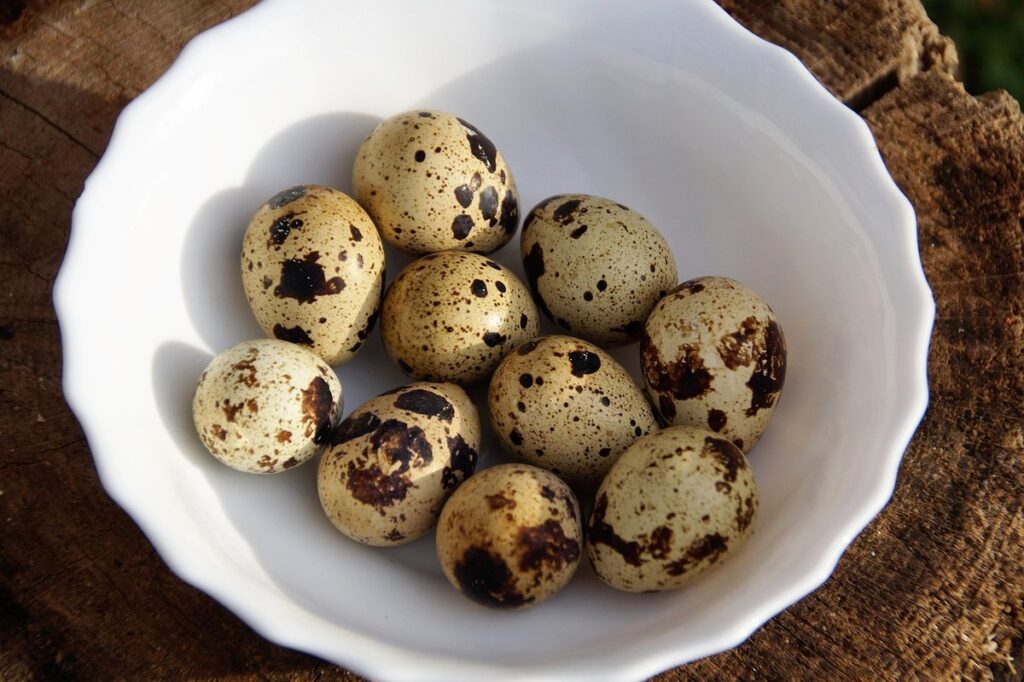
Introduction to Quail Keeping
Quails are fascinating birds that make great pets, and with their unique personalities and habits, they can be quite entertaining. In this section, we’ll cover the basics of quail behavior to help you create a happy home for your feathered friends.
Benefits of Raising Quails
Keeping quails as pets or for egg production can be an incredibly rewarding experience. Not only do they provide a unique and entertaining addition to your backyard, but they also offer numerous benefits that make them an ideal choice for those looking to raise their own food.
One of the most significant advantages of raising quails is their low space requirements. Unlike chickens, which need a large amount of space to roam, quails are happy in small enclosures and can thrive in even the tiniest of spaces. This makes them perfect for urban dwellers or those with limited backyard space. In fact, a single quail can produce up to 300 eggs per year in a small enclosure.
Quails are also incredibly easy to care for. They require minimal attention and can be fed a simple diet of commercial pellets or grains. Their eggs are high-quality protein, rich in vitamins and minerals, making them an excellent choice for those looking to reduce their reliance on store-bought products. Plus, quail meat is leaner than chicken and has a more delicate flavor.
By raising quails, you’ll not only be providing yourself with fresh eggs and meat, but also enjoying the company of these charming birds. So why not consider adding a quail hutch to your backyard today?
History and Popularity of Quail Keeping
Quails have been kept as pets and for their eggs for centuries, with evidence of quail keeping dating back to ancient China. These small, ground-dwelling birds were initially prized for their meat, which was considered a delicacy in many cultures. However, over time, quail enthusiasts began to appreciate their unique characteristics and behaviors.
In recent years, quail keeping has experienced a surge in popularity among backyard farmers and hobbyists. This trend can be attributed to several factors. For one, quails are relatively low-maintenance compared to larger poultry species. They require minimal space, feed, and care, making them an ideal choice for small-scale farming or urban homesteading.
Another reason for their growing popularity is the unique appeal of quail eggs. Not only do they have a richer, more complex flavor than chicken eggs, but they also offer a healthier alternative due to their higher nutritional content. The increasing demand for artisanal and specialty foods has contributed to the rising interest in quail keeping.
With the rise of social media platforms, sharing knowledge and experiences with fellow enthusiasts has become easier than ever. Online forums and communities have sprouted up, providing valuable resources and advice for both beginners and seasoned quail keepers. As a result, more people are discovering the joys of quail keeping and joining the growing community of backyard farmers and hobbyists.
Planning Your Quail Hutch
When planning your quail hutch, consider factors such as space, ventilation, and easy access to ensure a safe and healthy environment for your birds. Make sure you have all necessary materials before starting construction.
Choosing the Right Location
When it comes to choosing the right location for your quail hutch, several factors come into play. Quails need adequate sunlight to thrive, so a spot that receives direct sunlight for at least 6 hours a day is essential. However, be mindful of extreme temperatures and avoid placing the hutch in areas where the sun beats down relentlessly during peak summer months.
Ventilation is also crucial, as quails are sensitive to ammonia buildup from their droppings. Place the hutch near an open window or ensure good airflow by installing a vented roof or walls with mesh panels. Avoid cramped spaces and consider the height of the ceiling, as quails will appreciate the ability to move around comfortably.
Accessibility is another key consideration. Place the hutch in an area that’s easy to clean and maintain, such as near a water source or on a sloping site for efficient waste disposal. Quails are social animals and may benefit from being placed near other birds or pets, but ensure their safety and well-being by separating them if necessary.
Consider your local climate and weather patterns when selecting a location. For example, if you live in an area prone to heavy rainfall or flooding, choose a spot that’s elevated or protected with a waterproof roof. By carefully evaluating these factors, you can create a suitable environment for your quails and ensure their happiness and health.
Designing Your Quail Coop
When designing your quail coop, there are several key considerations to keep in mind. First and foremost, you’ll want to think about size. Quails need room to move around comfortably, so a minimum of 2-3 square feet per bird is recommended. However, if you’re planning on keeping multiple birds, you may want to consider a larger coop to prevent overcrowding.
In addition to size, the material used for your coop is also crucial. You’ll want to choose materials that are durable and can withstand the elements, such as wood or metal. Avoid using materials like plastic or mesh, as they can be prone to damage and may not provide adequate protection from predators.
Another important consideration is predator protection. Quails have a natural instinct to hide from predators, so it’s essential to design your coop with this in mind. Consider adding features like perches, nesting boxes, and hiding places to help your birds feel secure.
Building Your Quail Hutch
When it comes to creating a safe and comfortable space for your quails, building their hutch is one of the most crucial steps. This section will walk you through the process of designing and constructing a thriving home for your feathered friends.
Materials Needed
To build a basic quail hutch, you’ll need to gather some essential materials. Start by collecting sturdy wooden boards or planks for the walls and floor of the enclosure. You can use 2x4s or similar lumber for the frame, but ensure it’s securely fastened together with screws or nails.
Wire mesh is also crucial for quail hutch construction as it provides ventilation and protection from predators. You’ll need to cover the entire enclosure, including the roof, with a sturdy wire mesh that’s at least 1 inch apart. This will keep your quails safe and healthy.
Nesting boxes are another vital component of a quail hutch. Provide one nesting box for every four to five quails you plan to keep. These should be made from wood or plastic, have a removable roof for easy cleaning, and feature a small entrance hole that’s around 4-6 inches in diameter. Place the nesting boxes near the back of the enclosure, away from drafts and extreme temperatures.
Some other items to consider include hardware cloth, which can help protect your quails from snakes or other predators, and a feeding trough and water dispenser for convenient access to food and water.
DIY vs. Purchased Hutches
When it comes to building a quail hutch, you’re faced with two options: DIY or purchasing a pre-made one. Each approach has its pros and cons that are worth considering.
Building a custom hutch from scratch can be a fun and rewarding experience, allowing you to tailor the design to your specific needs and the space available. You can choose materials that fit your budget and ensure everything is exactly how you want it. However, this route requires time, effort, and potentially specialized skills, which may not be feasible for everyone.
On the other hand, purchasing a pre-made hutch offers convenience and speed, as well as the assurance of knowing the structure is safe and secure. These units are also often designed with specific breed requirements in mind, taking care of common issues such as ventilation and predator protection. However, the cost may be higher than building your own, and customization options might be limited.
If you do decide to build your hutch, consider factors like local building codes and regulations before commencing construction.
Caring for Your Quails
To keep your quails happy and healthy, it’s essential to understand their specific needs, from diet to habitat maintenance. This section will walk you through some crucial care tips.
Nutrition and Feeding Habits
Quails are omnivores, which means they require a balanced diet that includes both protein and fiber-rich foods. A commercial quail feed should make up the bulk of their diet, providing essential nutrients like calcium and phosphorus for strong eggshell production and overall health. However, it’s also crucial to supplement with fresh fruits and vegetables to ensure they get enough vitamins and minerals.
When choosing fruits and vegetables, opt for dark leafy greens like kale and spinach, as well as carrots and apples. Leafy greens should be introduced gradually to prevent digestive issues. Aim to provide a variety of fruits and vegetables daily, but in moderation – too much can lead to an imbalance in their diet. For example, offering a mix of chopped fresh veggies and fruits, such as strawberries, grapes, and sweet potatoes, will keep them satisfied and healthy.
Some recommended guidelines for supplementation are:
* Provide 10-15% of the quails’ daily intake through fruits and vegetables
* Include a calcium supplement if you’re providing a commercial feed that’s low in calcium
* Introduce new foods gradually to prevent digestive issues
Health Checks and First Aid
Regular health checks are crucial to ensure your quails remain healthy and happy in their hutch. This involves observing their behavior, plumage, and droppings on a daily basis. Look for signs of stress such as excessive feather pecking, pacing, or changes in vocalization. Monitor their appetite and water intake, making sure they have access to fresh food and clean drinking water at all times.
Recognize the early warning signs of illness like labored breathing, ruffled feathers, or lethargy. In case you notice any unusual behavior, separate the affected quail from the rest to prevent the spread of disease. For minor issues, a gentle dust bath can help to calm them down.
For more severe cases, basic first aid techniques include providing a warm, draft-free environment and offering a nutritious diet supplemented with vitamins and minerals. Administering antibiotics or other medication should only be done under veterinary guidance. Regular health checks will help you catch any potential issues early on, ensuring your quails receive the care they need to thrive in their hutch.
Managing Quail Flocks and Maintenance
When it comes to keeping your quail flock thriving, regular maintenance is essential for their health and happiness. This involves tasks like cleaning cages and monitoring feed consumption.
Quail Behavior and Socialization
Quails are highly social birds that thrive in the company of their own kind. When building and caring for a quail hutch, it’s essential to understand their behavior and socialization needs. Quails are naturally inclined to live in small groups, with dominant males leading the flock.
When introducing new birds to your existing flock, do so gradually to prevent stress and conflict. Start by keeping the new birds isolated from the main flock for a few days before releasing them together. Observe their behavior closely, separating them immediately if you notice any signs of aggression or fear.
To manage conflicts within the flock, ensure each bird has its own nesting box and adequate space to move around. Provide multiple perches and roosting areas to reduce competition and stress. Regularly cleaning and maintaining your quail hutch will also help prevent disease and parasites that can lead to behavioral issues.
Remember, every quail is unique, so be prepared to adjust your approach based on individual personalities and needs. With patience and understanding, you can create a harmonious and thriving quail community within your hutch.
Cleaning and Sanitizing the Hutch
When it comes to keeping your quails healthy and thriving, maintaining a clean and hygienic environment is crucial. A dirty hutch can lead to the spread of diseases, which can be devastating for your flock. That’s why regular cleaning and sanitizing are essential tasks that should be included in your daily or weekly routine.
Start by setting aside time each week to deep clean the hutch. This includes removing soiled bedding, scrubbing food and water dishes, and disinfecting all surfaces with a pet-safe cleaner. Don’t forget to remove any dead quail bodies or debris from the coop to prevent the spread of disease. To make cleaning easier, invest in a few key tools such as a broom, dustpan, and scrub brush.
In addition to weekly deep cleans, establish a daily routine that includes removing soiled bedding, replacing it with fresh material, and replenishing food and water supplies. This will help keep your quails’ environment clean and prevent the buildup of waste and bacteria. By staying on top of cleaning and sanitizing tasks, you’ll create a healthy and happy home for your beloved quails.
Troubleshooting Common Issues
When unexpected problems arise with your quail hutch, knowing how to troubleshoot common issues can be a lifesaver for both you and your feathered friends. Let’s tackle some of these issues together now.
Predator Problems and Prevention
Predators can be a major concern when it comes to quail hutch safety. Raccoons, snakes, and hawks are common culprits that can attack your quails if they sense an easy meal. To prevent such attacks, make sure to secure the hutch with sturdy fencing that extends at least 3 feet underground and 2 feet above ground level.
Use a hardware cloth or chicken wire mesh with openings no larger than 1 inch to keep out raccoons and snakes. Burying the fencing material under the grass can help prevent them from digging underneath. When it comes to hawks, consider adding netting or screening around the top of the hutch to prevent aerial attacks.
You should also take steps to protect your quails from inside predators such as rats and mice by ensuring all food and water containers are securely lidded and that no gaps exist in the fencing material. Regularly inspecting the enclosure for any signs of damage or weaknesses will help you stay one step ahead of potential predators, so keep an eye out for any holes, gaps, or other vulnerabilities.
Quail Health Issues and Solutions
Quails are prone to several health issues, some of which can be life-threatening if left untreated. One common problem is respiratory infections caused by bacterial and viral pathogens, particularly among quail flocks that live in crowded conditions or have poor ventilation. These infections can lead to symptoms like wheezing, coughing, and labored breathing.
Another issue is mites and lice infestations, which can cause anemia and stress to the birds. Regular cleaning of the hutch and monitoring for signs of parasites are essential preventative measures. Quails may also suffer from internal parasites such as worms and coccidiosis, often resulting from contaminated feed or water.
To prevent these issues, maintain good hygiene by changing bedding regularly and keeping feeding and watering areas clean. Monitor your quail’s droppings for signs of disease and take immediate action if you notice any unusual symptoms. Keep in mind that some health problems may require professional treatment, so it’s essential to identify the issue early on to ensure prompt veterinary attention.
Frequently Asked Questions
What if I already have chickens in my backyard, can I keep quails too?
Quail and chicken coexistence is possible but requires careful planning to avoid competition for food and resources. Ensure that your quail hutch has a secure door system to prevent escape or predation. Consider separating the two species’ living areas or implementing a rotation schedule to minimize conflicts.
How often should I clean my quail hutch, and what’s the best cleaning method?
Regular cleaning is essential for maintaining a healthy environment for your quails. Clean the hutch at least once a week, removing soiled bedding, scrubbing surfaces with mild detergent, and disinfecting high-touch areas. Consider using a deep-cleaning schedule (e.g., every 2-3 months) to maintain optimal hygiene.
Can I use recycled materials for my quail hutch, or are there specific requirements?
While creative repurposing of materials can be beneficial, prioritize durability and safety when building your quail hutch. Avoid using toxic materials like lead-based paint or chemicals that may contaminate food or water sources. Consider consulting local regulations regarding reclaimed materials.
How do I ensure the health and well-being of my quails during extreme weather conditions?
During heatwaves, provide extra ventilation in your quail hutch to prevent overheating. In cold snaps, maintain a consistent temperature within the coop by adding insulation or using heating devices specifically designed for avian care. Monitor your quails’ behavior closely and adjust their environment as needed.
What are some common mistakes to avoid when building my first quail hutch?
When constructing your initial quail hutch, be mindful of potential pitfalls like inadequate ventilation, insufficient lighting, and poor design. Consider consulting online forums or local experts to gain insights from experienced quail keepers, and always prioritize animal welfare in your decision-making process.