
When you’re at the grocery store, scanning the labels on your favorite chicken products, you’ve probably come across terms like “cage-free” and “free range.” But do these labels really mean what we think they do? As consumers, it’s essential to understand the differences between these two popular options. Cage-free chicken is often touted as a more humane alternative, but does it live up to its promise? And how about free-range chicken – is it truly better for us and the planet? In this article, we’ll dig into the welfare concerns, environmental impact, and nutritional benefits of both cage-free and free range chicken. We’ll explore which option is truly better for consumers, farmers, and the environment, so you can make informed choices at the grocery store.
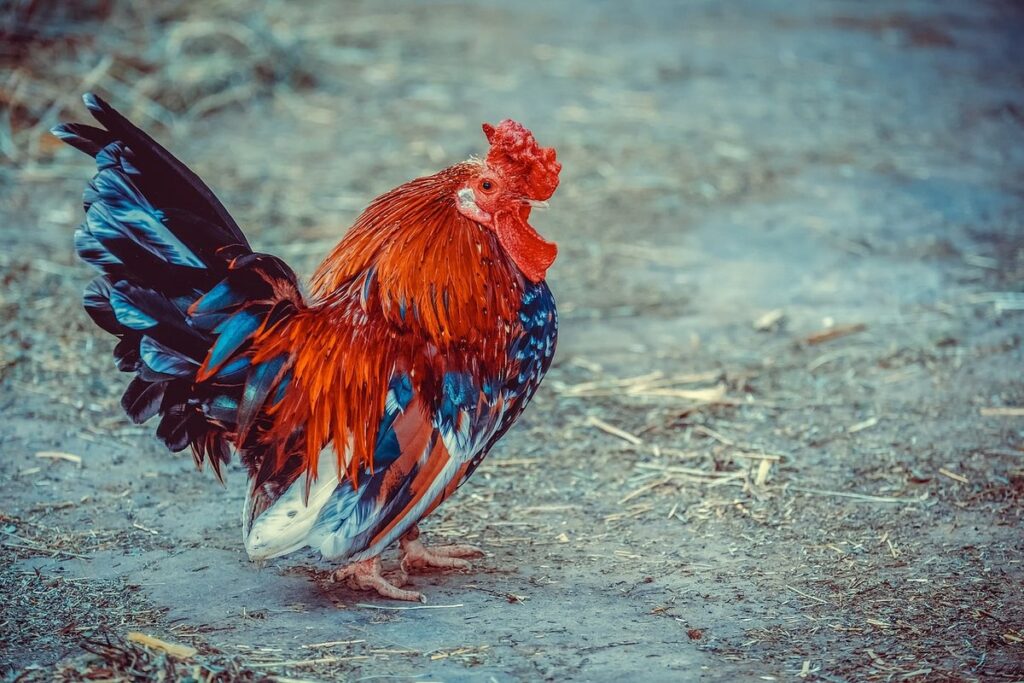
Understanding the Labels: Cage-Free vs. Free Range
When it comes to choosing between cage-free and free-range chicken, understanding the labels is crucial to making an informed decision that aligns with your values. Let’s break down what these terms really mean.
What Does Cage-Free Mean?
When it comes to cage-free chicken, many consumers assume it’s essentially synonymous with free range. However, according to the USDA, there are key differences between these two labels. To be labeled as “cage-free,” hens must have access to a larger enclosure than a traditional battery cage but can still be confined indoors or outdoors in a group setting.
In contrast to free-range chicken, which allows birds to roam freely outdoors, cage-free chickens may not have the same level of freedom. The USDA defines cage-free as an animal being able to “move freely within the facility,” but this doesn’t necessarily mean they have access to natural light, fresh air, or outdoor space.
To give you a better idea, many large-scale farms use cage-free systems where hens live in large group housing areas that may be indoors or outdoors. These enclosures can still be quite cramped and lack amenities like perches, dust baths, or scratching posts. When shopping for cage-free chicken, look for labels from reputable certifiers like the Certified Humane or Animal Welfare Approved programs, which have stricter standards than the USDA’s minimum requirements.
What Does Free Range Mean?
When it comes to free-range chicken, there’s often confusion about what this label really means. The interpretation of free range can vary significantly across different countries, even within the same region. In the US, for example, a farm with as few as 2,500 birds per square mile can be labeled as “free-range.” However, in Australia, the standard is much stricter, requiring at least 1 bird per square meter.
In the EU, free-range chicken farms are expected to have about 2,500-3,000 birds per hectare. This may not seem like a huge difference, but it can significantly impact the living conditions and behavior of the chickens. For instance, in countries with stricter standards, like Australia, farmers are more likely to provide their birds with access to outdoor areas that mimic natural environments.
If you’re looking for genuinely free-range chicken, it’s essential to understand these regional differences and check labels carefully. Look for certifications from reputable organizations or choose farms that have a strong reputation for transparency and animal welfare. Remember, even within the same country, standards can vary greatly between farms.
The Importance of Labeling Regulations
Regulatory bodies play a crucial role in ensuring transparency and accuracy in labeling practices for chicken products. In the United States, for instance, the USDA’s (United States Department of Agriculture) Process Verified Program (PVP) verifies the claims made by producers on their labels. This includes checking that free-range or cage-free birds actually had access to the outdoors or were raised without cages.
Consumers should be aware that not all label claims are created equal. For example, “free range” is often misinterpreted as implying complete freedom to roam outdoors. However, in reality, many farms with “free range” labels provide just a small door or window for birds to access the outside world. In contrast, some cage-free systems may be more humane than others.
To make informed choices, consumers should look for third-party certifications like Certified Humane or Animal Welfare Approved (AWA). These organizations have rigorous standards and regular audits to ensure that producers meet their labeling claims. When shopping for chicken products, take a closer look at the label and research the producer’s practices to ensure that their claims align with your values and expectations.
The Welfare Concerns: Cage-Free vs. Free Range
When it comes to the welfare of chickens, two popular labels – cage-free and free-range – often get thrown around, but what do they really mean for our feathered friends? Let’s break down the differences.
Space and Movement for Cage-Free Chickens
When it comes to cage-free systems, ensuring that chickens have adequate space and movement is crucial for their well-being. However, not all cage-free farms provide the same level of freedom for their birds.
Some cage-free farms may still be quite crowded, with dozens or even hundreds of birds packed into a single room. This can lead to stress, aggression, and the spread of disease among the flock. In contrast, truly cage-free systems should allow each bird to roam freely within a larger enclosure, providing ample space for exercise, socialization, and natural behaviors like dust bathing and scratching.
A good rule of thumb is to look for farms that have at least 2-4 square feet per chicken indoors, with access to outdoor areas or free-range zones. This can be achieved through the use of large enclosures or multi-tiered systems that allow birds to move freely between different levels. By choosing a farm that prioritizes space and movement, you can help ensure that your cage-free chicken is living its best life.
Access to Outdoor Spaces for Free Range Chickens
When considering free-range chickens, it’s essential to examine the conditions under which they have access to outdoor spaces. These areas are often referred to as “runs” and can vary significantly in quality. In some cases, these runs may be little more than a fenced-in area with minimal vegetation or shade, leaving the birds exposed to the elements.
A better example of free-range facilities would include a securely fenced yard with adequate shelter, food, water, and access to areas with varied terrain and natural foraging opportunities. This type of setup allows chickens to engage in their natural behaviors like pecking, scratching, and flying.
Not all free-range farms provide these optimal conditions, however. Some may be overcrowded or lack sufficient space for the birds to move around comfortably. Consumers should look for third-party certifications such as Certified Humane or Animal Welfare Approved when shopping for free-range products to ensure they are supporting more humane operations.
Comparing Mortality Rates and Health Issues
Research has shown that cage-free systems have varying mortality rates compared to free-range systems. A study published in Poultry Science found that cage-free hens had a 14% higher mortality rate than those raised in free-range environments. However, this difference may be attributed to factors such as access to food and water, rather than the living conditions themselves.
When it comes to health issues, another study discovered that cage-free hens were more likely to suffer from respiratory problems due to the increased stress caused by foraging. On the other hand, free-range systems have been linked to higher rates of pecking order-related injuries in hens.
It’s essential to note that these findings may not be representative of all farms or production methods. However, they do highlight some potential concerns associated with both cage-free and free-range systems. As consumers, it’s crucial to weigh the pros and cons of each system and consider factors beyond just the living conditions when making informed choices about your chicken purchases.
Some practical advice for consumers is to look for farms that prioritize animal welfare and transparency in their production methods. This may include certifications such as Certified Humane or Animal Welfare Approved. By supporting these farms, you can help promote more humane treatment of chickens, regardless of whether they are cage-free or free-range.
The Environmental Impact: Cage-Free vs. Free Range
Let’s take a closer look at the environmental impact of cage-free and free-range chicken farming practices to see which one is truly better for our planet. We’ll examine their differences in land use, water consumption, and greenhouse gas emissions.
Resource Consumption for Cage-Free Systems
Cage-free farming practices often come with varying levels of resource consumption compared to traditional free-range systems. A key aspect to consider is water usage. Cage-free systems may require more water for cleaning and maintaining the farm, as well as for providing adequate drinking water for the birds. According to a study by the Water Footprint Network, poultry production, including cage-free systems, accounts for approximately 1,050 liters of water per kilogram of chicken produced.
Feed usage is another critical factor in evaluating resource consumption for cage-free farming practices. Cage-free systems often require more feed due to higher mortality rates and reduced flock sizes. A study by the Pew Charitable Trusts found that small-scale, free-range farms tend to have lower feed conversion ratios (FCR), indicating more efficient use of resources.
To minimize resource consumption in cage-free systems, farmers can implement strategies such as implementing manure management systems to reduce waste and using precision feeding techniques to optimize feed usage.
Land Use and Carbon Footprint for Free Range Systems
When it comes to land use and carbon footprint, free-range farming methods have their own set of challenges. For one, free-range systems require a lot more space per bird than cage-free ones. According to a study by the University of California, Davis, free-range chicken farms need around 10-15 square feet of outdoor access per bird, which translates to a significant amount of land usage.
However, it’s essential to note that this increased land use doesn’t necessarily mean more carbon emissions. In fact, some studies suggest that free-range systems can actually lead to lower greenhouse gas emissions due to improved soil health and biodiversity. For example, a study in the UK found that free-range farms had higher levels of organic matter and lower levels of nitrous oxide emissions compared to cage-free operations.
To mitigate the land use impact, farmers can consider implementing rotational grazing practices or using vertical farming methods. These approaches can help reduce the overall footprint while still providing birds with access to fresh air and sunlight. By being mindful of these factors, consumers can make more informed choices about their egg purchases and support sustainable free-range farming practices.
Waste Management and Pollution Concerns
When it comes to waste management and pollution concerns, both cage-free and free-range systems have their own set of challenges. In a typical cage-free system, manure and litter can accumulate quickly due to the birds’ freedom to roam. This can lead to overcrowding and increased risk of disease transmission, which in turn requires more antibiotics and antiseptics to be used. According to a study by the US Environmental Protection Agency (EPA), intensive poultry farming is responsible for up to 14% of greenhouse gas emissions in the United States.
On the other hand, free-range systems can also contribute to pollution if not managed properly. For example, if birds are allowed to roam freely without adequate shelter or food, they may end up damaging crops or spreading disease to wild animals. Additionally, manure from free-range farms can contaminate soil and water sources if not disposed of correctly.
To mitigate these concerns, farmers should implement effective waste management strategies such as composting, anaerobic digestion, or using natural fertilizer. They should also adopt best practices for feed and litter management, ensure proper ventilation, and maintain accurate records of waste generation and disposal. By doing so, both cage-free and free-range systems can minimize their environmental impact and contribute to a more sustainable food production system.
The Economic Factors: Cage-Free vs. Free Range
When it comes down to the bottom line, the economic implications of cage-free versus free-range chicken production are a crucial consideration for both farmers and consumers alike. Let’s break down these costs.
Production Costs and Price Implications
When evaluating the economic factors of cage-free versus free-range chicken, production costs play a significant role in determining pricing. Cage-free chickens require more space and labor to manage, which increases costs for farmers. In contrast, free-range birds have access to the outdoors but may not always be monitored closely, resulting in lower overhead expenses.
According to a study by the United States Department of Agriculture (USDA), cage-free chicken production is estimated to cost 10-15% more than traditional caged systems. These higher costs are then reflected in the final product price. For instance, a pack of cage-free eggs might be $2-3 more expensive than its free-range counterpart.
As consumers become increasingly aware of animal welfare and environmental concerns, demand for sustainable options like free-range chicken is growing. However, this shift towards premium products has also led to higher prices. To make eco-friendly choices without breaking the bank, look for farmers who adopt regenerative practices or opt for smaller-scale production methods, which can be more cost-effective in the long run. By understanding the connection between production costs and price implications, consumers can make informed decisions about their purchasing power.
Market Demand and Consumer Preferences
As consumers become increasingly aware of animal welfare and environmental issues, market demand for cage-free chicken is on the rise. According to a recent survey, 71% of millennials prefer to buy products from companies that prioritize animal welfare. This shift in consumer preferences is driving major retailers like Whole Foods and Trader Joe’s to stock more cage-free options.
However, some consumers may still be hesitant about the trade-offs between cage-free and free-range chicken. While cage-free birds have more space to move around, they often live in large groups and may not have access to natural light or fresh air. On the other hand, free-range birds are typically allowed to forage outdoors, but their living conditions can vary greatly depending on the farm.
To navigate these complexities, look for third-party certifications like the “Animal Welfare Approved” label, which ensures that farms meet rigorous standards for animal welfare and environmental sustainability. By making informed choices about your chicken purchases, you can support companies that prioritize both animal welfare and consumer preferences.
Impact on Small-Scale Farmers and Local Economies
For small-scale farmers and local economies, the impact of adopting cage-free or free-range practices can be significant. On one hand, transitioning to cage-free systems may require a substantial investment in infrastructure and labor, which could be challenging for smaller operations with limited resources.
On the other hand, consumers are increasingly demanding humane treatment of animals, driving up demand for cage-free products. This shift can create opportunities for local farmers to capitalize on this trend by offering premium, high-quality products that meet consumer expectations.
To adapt to these changes, small-scale farmers may need to diversify their operations, exploring value-added products or direct-to-consumer sales models. By doing so, they can better compete with larger industrial farms and maintain profitability while promoting animal welfare.
In practice, this means considering factors such as land use, feed management, and flock sizes when transitioning to cage-free systems. Farmers may also need to rethink their production cycles, adopting more flexible and responsive approaches to meet changing consumer preferences.
The Health Considerations: Cage-Free vs. Free Range
When it comes to cage-free and free-range chicken, there are some key health considerations that you should be aware of as a consumer, especially regarding antibiotic use.
Nutritional Content and Quality
When it comes to nutritional content and quality, the main difference between cage-free and free-range chicken lies in the birds’ access to outdoors and their diets. Research suggests that pasture-raised chickens tend to have higher levels of omega-3 fatty acids and conjugated linoleic acid (CLA) due to their forage-based diet.
A study published in the Journal of Food Science found that pasture-raised chicken had 1.5 times more vitamin A and E, as well as three times more beta-carotene compared to conventionally raised birds. However, it’s essential to note that some cage-free operations might not provide the same level of access to outdoor space, which could impact nutritional quality.
To ensure you’re getting the most nutritious meat possible, look for certifications like “Pasture-Raised” or “Regenerative.” These labels guarantee that chickens have access to 100% of their natural habitat. When shopping, also consider factors like feed quality and farming practices.
Risk of Antibiotic Resistance and Disease
Research has shown that cage-free systems may have a higher risk of antibiotic resistance and disease transmission between birds. This is largely due to the increased density of birds within these systems, which can facilitate the spread of pathogens. In contrast, free-range systems often have lower bird densities, which may reduce the likelihood of disease transmission.
Studies have found that cage-free farms are more likely to experience outbreaks of avian influenza and other diseases, leading to the use of antibiotics as a treatment. This overuse of antibiotics can contribute to the development of antibiotic-resistant bacteria, posing a risk to human health as well as animal welfare.
To put this into perspective, one study found that 73% of cage-free farms reported using antibiotics for disease control, compared to just 23% of free-range farms. While neither system is completely immune to disease and antibiotic use, these findings suggest that cage-free systems may pose a greater risk in terms of antibiotic resistance and disease transmission. As consumers, being aware of these risks can help inform our choices at the grocery store.
Consumer Confidence and Labeling Trust
When it comes to making informed choices about our food, labeling practices play a significant role in shaping consumer confidence. Consumers are becoming increasingly aware of the importance of animal welfare and are seeking out products that align with their values. However, the terms “cage-free” and “free-range” can be misleading, and consumers may find it challenging to determine which label accurately reflects the living conditions of the chickens.
To make informed choices, look for third-party certifications like the “Certified Humane” or “Animal Welfare Approved” labels. These organizations have strict standards in place to ensure that farms meet certain criteria, such as providing adequate space and access to outdoors for the birds. For example, a farm with the “Certified Humane” label must provide at least 6 square feet of space per bird inside and allow them to engage in natural behaviors like pecking and scratching.
By being aware of labeling practices and looking for credible certifications, consumers can make more informed choices about their chicken purchases. This not only promotes animal welfare but also supports sustainable farming practices that prioritize the well-being of both animals and the environment.
The Future Directions: Cage-Free vs. Free Range
As we weigh the pros and cons of cage-free and free-range chicken, it’s essential to consider what each label means for the bird’s living conditions and our own purchasing power.
Emerging Trends in Animal Welfare Standards
The animal welfare landscape is continually evolving, with new standards and regulations emerging to prioritize chicken well-being. One trend gaining momentum is the adoption of “enriched colony” systems, which group hens together in larger spaces, allowing for natural behaviors like dust bathing and social interaction.
Regulations are also driving change, with countries like the UK introducing stricter welfare standards. The 2020 Animal Welfare (Livestock) Regulations in England, for instance, require farms to provide at least two square meters per bird, up from one meter previously. Similarly, some US companies are implementing voluntary animal welfare programs, such as Certified Humane or Global Animal Partnership.
As the industry shifts towards more humane practices, consumers can play a key role by supporting producers that prioritize animal welfare. Look for labels like “Better Life” or “Animal Care Certified,” which indicate adherence to higher standards. When shopping, consider factors beyond price, opting for products from farms with transparent and high-welfare practices. By making informed choices, we can drive the market towards better treatment of chickens.
Innovations in Farming Practices and Technology
In recent years, farming technology has made significant strides in improving animal welfare, efficiency, and sustainability. One notable innovation is the adoption of “enriched” cage systems, which provide birds with more space to move around and engage in natural behaviors like foraging and perching. For instance, companies like Aviagen have developed aviary systems that mimic the conditions of a bird’s natural habitat, complete with nesting boxes and scratching posts.
Another area of innovation is the use of precision agriculture technologies, such as drones and sensors, to monitor animal health and welfare in real-time. This allows farmers to identify potential issues before they become major problems, reducing the need for antibiotics and other treatments. Additionally, some farms are experimenting with vertical farming, which enables them to grow crops like feed grains and fruits in vertically stacked layers, reducing land use and increasing efficiency.
Some companies, such as Perdue Farms and Tyson Foods, are investing heavily in these types of technologies, recognizing their potential to improve animal welfare while also enhancing the bottom line. By adopting these innovations, farmers can take a crucial step towards creating more humane and sustainable farming practices that benefit both animals and consumers alike.
Policy Recommendations for Improved Labeling and Transparency
To promote informed consumer choices, it’s essential to introduce policy changes that enhance labeling transparency and accuracy. One key recommendation is to establish a standardized definition for “cage-free” and “free range” labels. This would prevent companies from exploiting loopholes and misrepresenting their products.
The US Department of Agriculture (USDA) could implement stricter guidelines for farms claiming to raise free-range chickens. For instance, birds should have access to the outdoors for at least six hours a day, with adequate space to engage in natural behaviors like foraging and dust bathing.
Another recommendation is to require labeling that specifies the percentage of time spent by birds outside. This would enable consumers to make more informed decisions based on their values and preferences. To further improve transparency, companies could be incentivized to disclose additional information about their production methods, such as antibiotic use and feed quality.
Frequently Asked Questions
Can I trust the labeling on cage-free chicken, or are some producers just trying to make a profit?
While some producers may use misleading labels to increase sales, many others genuinely prioritize animal welfare. Look for third-party certifications like the Certified Humane program or the Animal Welfare Approved label to ensure that the producer meets higher standards.
How can I tell if free-range chicken is truly better for the environment, considering land use and resource consumption?
While free-range systems can have a larger carbon footprint due to land use, some producers are implementing more sustainable practices. Look for certifications like Regenerative Organic Certified or Biodynamic to ensure that the producer prioritizes environmental stewardship.
What if I’m on a tight budget – is cage-free chicken really worth the extra cost?
While cage-free chicken can be pricier, consider the long-term benefits of supporting more humane and sustainable agriculture. Additionally, some retailers offer affordable options for consumers who prioritize animal welfare. Shop around to find the best deals.
How do I know if my local farmers market or grocery store carries high-quality, free-range chicken?
Research local producers and their farming practices by asking questions like “What’s your definition of ‘free range’?” or “How do you ensure animal welfare?” Choose stores that prioritize transparency and sustainability to support your values.