
When it comes to raising backyard chickens, many people assume that any chicken will produce eggs. However, this isn’t necessarily true for broiler chickens. Despite their popularity in commercial farming, these birds are actually bred for meat production rather than egg-laying. So, do broiler chickens lay eggs at all? And if not, what’s the science behind why they’re not suited for egg production?
In this article, we’ll dive into the world of chicken breeding and explore why popular misconceptions about broilers and egg laying exist. We’ll also examine the feasibility of converting broiler chickens into layer birds, delving into the pros and cons of such a conversion. By understanding the science behind these seemingly straightforward questions, you’ll be better equipped to make informed decisions about your own flock.
The Basics: Understanding Broiler Chickens
Before we dive into whether broiler chickens lay eggs, let’s first understand what broiler chickens are and how they differ from laying hens. This background information is essential to answering your question accurately.
What are Broiler Chickens?
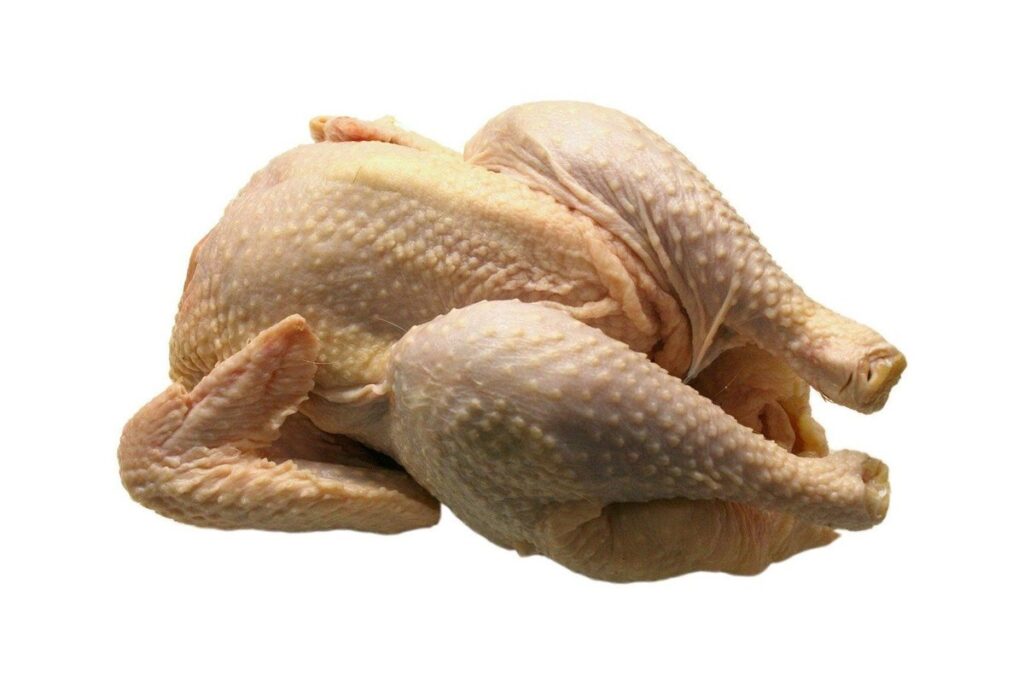
Broiler chickens are a specific type of chicken breed raised primarily for meat production. Unlike egg-laying hens, broilers are not bred to produce eggs but rather to grow quickly and efficiently into plump, juicy birds for the table. The primary difference between broiler and egg-laying chicken breeds lies in their genetic makeup and purpose.
Broilers are designed to reach market weight faster than egg-layers, typically within 5-7 weeks compared to 18-24 weeks for egg production. This accelerated growth rate is achieved through selective breeding, which emphasizes rapid muscle development over egg production. As a result, broilers have a more compact body frame, with a focus on breast and thigh meat rather than eggs.
If you’re considering raising chickens, it’s essential to understand the distinction between broiler and egg-laying breeds. If your goal is to harvest eggs, look for breeds specifically designed for egg production, such as Leghorns or Rhode Island Reds. These birds will provide a steady supply of fresh eggs throughout their productive years.
Differences Between Egg-Layers and Broilers
Broilers and egg-layers are two distinct categories of chickens bred for different purposes. Broiler chickens, as we’ve discussed earlier, are raised primarily for meat production due to their rapid growth rates and large size. In contrast, egg-laying breeds are specifically designed to produce a high volume of eggs.
The key differences between broilers and egg-layers lie in their breeding, nutrition, and growth rates. Broiler chickens are bred to grow rapidly and efficiently, with some varieties reaching market weight in as little as 5-6 weeks. This accelerated growth is achieved through selective breeding for traits like fast growth rate, high feed efficiency, and large size.
In contrast, egg-laying breeds are bred for their ability to produce a steady supply of eggs over an extended period. These birds are typically fed a diet rich in calcium and protein to support eggshell production and maintain strong bone health. As a result, egg-layers tend to have slower growth rates than broilers, taking around 18-24 weeks to reach maturity.
If you’re planning to raise chickens for both meat and eggs, it’s essential to understand these differences. Attempting to use broiler chickens for egg production can lead to disappointing results due to their rapid growth rate and lack of focus on egg-laying traits.
Why Broiler Chickens Don’t Lay Eggs
When it comes to broiler chickens, many people assume they’ll lay eggs just like their laying hens cousins. However, there’s a good reason why this isn’t the case.
Lack of Genetic Selection
In the poultry industry, selective breeding is a crucial process that has led to significant improvements in various traits such as egg-laying capacity, meat production, and disease resistance. However, when it comes to broiler chickens specifically bred for meat production, genetic selection focuses on characteristics like rapid growth rate, muscle mass, and feed efficiency rather than egg-laying abilities.
As a result, broilers are not chosen for breeding programs aimed at enhancing egg production. In fact, if a broiler chicken does lay an egg, it’s often because it has been exposed to certain environmental factors or stressors that triggered the onset of laying. This is quite different from layer hens, which have been selectively bred over generations to prioritize prolific egg-laying.
To put this into perspective, research suggests that a commercial layer hen can produce up to 300 eggs per year, whereas a broiler chicken might only lay around five or six eggs in its entire lifetime. This disparity underscores the genetic differences between these two types of chickens and highlights why we shouldn’t expect broilers to be prolific egg-layers.
Hormonal Imbalance
When it comes to broiler chickens, hormonal imbalances can significantly impact their ability to lay eggs. One key factor is the role of sex hormones like testosterone. In broilers, testosterone levels are often elevated due to genetic selection for rapid growth and muscle mass. While this may be beneficial for meat production, it can also disrupt the delicate balance of reproductive hormones necessary for egg-laying.
Elevated testosterone levels can suppress the production of estrogen, which is essential for egg formation. This hormonal imbalance can lead to a range of problems, including reduced fertility, irregular ovulation, and even complete cessation of egg-laying. In fact, studies have shown that broilers with high testosterone levels are often unable to lay eggs at all.
To understand this process in more detail, consider the chicken’s hypothalamic-pituitary-gonadal (HPG) axis. This complex hormonal system regulates reproductive function and includes the interplay between sex hormones like estrogen and testosterone. Imbalances within this system can have far-reaching consequences for a chicken’s ability to lay eggs.
The Science Behind Egg Production
Let’s dive into the fascinating science behind egg production, exploring how it relates to broiler chickens and their unique reproductive characteristics.
Ovarian Cycle and Egg Formation
As we explore whether broiler chickens lay eggs, it’s essential to understand the ovarian cycle and egg formation process. This intricate biological mechanism is what allows hens to produce eggs. The ovarian cycle is a complex series of events that occur within the hen’s ovaries.
Here’s how it works: the ovarian cycle is divided into several stages, each lasting around 30 days. During this time, a follicle in the ovary grows and matures, containing an egg yolk. As the follicle reaches its full size, it releases a hormone called luteinizing hormone (LH), which triggers ovulation – the release of the egg from the follicle into the oviduct.
The released egg then travels through the oviduct where it’s surrounded by layers of albumen and membranes. Finally, it’s covered with a hard shell and passes out of the hen’s body as an egg. Understanding this process is crucial in determining whether broiler chickens, which are bred for meat production, can lay eggs.
A chicken’s genetics play a significant role in its ability to lay eggs, and most commercial broilers lack the genetic predisposition to do so. However, there are some exceptions, and we’ll explore these further in the next section.
Factors Influencing Egg Laying
When it comes to egg laying, several factors come into play that can affect a chicken’s ability to produce eggs. As we discussed earlier, broiler chickens are typically raised for meat production rather than egg laying. However, even if they aren’t specifically bred for egg production, their genetic makeup and environmental conditions still impact their potential to lay eggs.
Nutrition plays a crucial role in egg laying, as a chicken’s diet must be rich in essential nutrients like calcium, protein, and vitamins A and D3. Without adequate nutrition, chickens may not produce eggs or may experience reduced fertility. To encourage healthy egg production, it’s essential to provide your flock with a balanced feed that meets their nutritional needs.
Light exposure also significantly affects egg laying. Chickens require around 14 hours of daylight to produce eggs regularly. Any less can lead to reduced egg production or even cessation of egg laying altogether. You can supplement natural light by providing additional lighting in the coop, especially during winter months when daylight hours are shorter.
Stress levels can also impact a chicken’s ability to lay eggs. High stress can lead to a range of health issues, including decreased fertility and egg production. To minimize stress, ensure your flock has enough space, a clean living environment, and protection from predators.
Can You Convert Broilers into Layer Chickens?
If you’ve raised broiler chickens before, you might wonder if it’s possible to convert them into layer hens and start collecting eggs from your existing flock. Let’s explore this possibility.
Feasibility of Conversion
Converting broilers into layer chickens is an intriguing idea, but it’s essential to consider its feasibility. On one hand, some breeders have successfully converted broilers for egg production by introducing a period of rest and adjustment after the typical 5-6 week growth cycle. This allows them to gradually transition into laying eggs. However, this approach requires careful planning, monitoring, and adjustments to ensure the birds’ health and well-being.
A critical factor to consider is the broiler’s genetic makeup. While some breeds may be more adaptable than others, their egg-laying capacity will still be limited compared to purpose-bred layers. In fact, research suggests that broilers typically produce around 50-70 eggs per year, whereas commercial layer hens can lay up to 300 eggs annually. Another crucial aspect is the birds’ nutrition and living conditions. A balanced diet and suitable environment are vital for optimal egg production.
Ultimately, converting broilers into layer chickens can be done, but it’s a complex process that demands expertise, patience, and resources. Before attempting such a conversion, it’s essential to weigh the pros and cons, assess your specific situation, and consider seeking guidance from experienced breeders or poultry experts.
Practical Considerations
Converting broiler chickens into layer chickens is not a straightforward process. One major challenge is meeting their nutritional requirements. Layer chickens require a diet rich in calcium and phosphorus to produce eggs, whereas broilers are bred for fast growth and muscle mass. A sudden switch to a layer feed can be detrimental to their health.
Health concerns are another significant issue. Broilers are often raised on antibiotics to promote rapid growth, which can leave them susceptible to disease when converted to a layer flock. Additionally, the transition period between broiler and layer feed can lead to digestive issues.
To mitigate these risks, consider the following practical advice: gradually introduce layer feed into their diet over a period of 2-4 weeks, monitor their health closely, and provide access to fresh water at all times. It’s also essential to note that some breeds are more adaptable than others. Research your specific breed’s requirements before attempting to convert them. By being aware of these challenges and taking proactive steps, you can increase the chances of a successful conversion.
Common Misconceptions About Broilers Laying Eggs
One of the most common questions we get asked is whether broiler chickens can lay eggs, but there’s a surprising misconception that needs to be cleared up. Let’s explore what it really means for a bird to be raised as a broiler.
Debunking Popular Myths
Many people are under the assumption that broiler chickens do not lay eggs at all. However, this is far from the truth. While it’s true that commercial broilers are primarily raised for meat production, they can and do produce eggs. In fact, some breeds of broiler chickens are specifically developed to be dual-purpose, meaning they’re capable of laying a decent number of eggs per year in addition to growing large enough for meat production.
One common misconception is that broilers will stop producing eggs as soon as they start gaining weight. However, this isn’t necessarily the case. While it’s true that egg production does slow down as birds grow and gain weight, some breeds can continue laying eggs even up until slaughter age.
Another myth is that broiler chickens won’t lay as many eggs as traditional layer breeds. While this may be true for some commercial broilers, there are certain breeds specifically developed to excel in both meat and egg production. These dual-purpose birds can lay anywhere from 200 to 300 eggs per year, which is a respectable number.
It’s worth noting that even if you’re raising broilers for meat, you can still take advantage of their egg-laying capabilities. If you have a small flock or are just starting out with backyard chickens, using dual-purpose breeds like Plymouth Rock, Orpington, or Sussex can provide both eggs and meat.
Conclusion: Setting the Record Straight
Now that we’ve explored the world of broiler chickens and their egg-laying abilities, let’s set the record straight on what to expect from these birds.
Recap of Key Points
To summarize, broiler chickens do not lay eggs because they are specifically bred for meat production. Their physical characteristics and genetic makeup make them ill-suited for laying eggs, unlike their counterpart, the layer chicken.
We’ve explored this concept extensively throughout the article. Let’s recap the key points:
* Broilers have a larger body size compared to layers, which makes it difficult for them to produce eggs efficiently.
* Their reproductive system is not optimized for egg-laying due to selective breeding for rapid growth and weight gain.
* The intense focus on producing meat has led to a trade-off in terms of egg production capabilities.
It’s essential to understand the differences between broiler and layer chickens. While both are types of domesticated chickens, their primary function dictates their physical characteristics and abilities. This distinction is critical for anyone interested in raising or keeping chickens.
If you’re planning to start your own backyard flock or expand your current operation, it’s crucial to consider which type of chicken best suits your needs. If egg production is a priority, then layer chickens are the way to go. However, if you’re looking for a meat source, broiler chickens can be an excellent choice.
To ensure you get the most out of your flock, regardless of whether you choose broilers or layers, it’s essential to provide proper care and nutrition. A balanced diet and regular veterinary check-ups will help keep your birds healthy and thriving.
Frequently Asked Questions
Can I still raise broiler chickens if I want to have eggs from my flock?
While it’s true that broilers aren’t bred for egg production, you can still consider raising them as part of a diverse and dynamic backyard flock. However, your expectations for their egg-laying abilities should be realistic. Focus on incorporating other breeds known for high egg production into your flock.
How do I know if my broiler chicken will lay eggs at all?
Some rare cases have reported instances where individual broiler chickens may produce some eggs, but these occurrences are extremely uncommon. The primary reason is the genetic makeup of the bird, which prioritizes meat growth over reproductive capabilities.
What are the signs that a broiler chicken won’t make a good egg-layer?
Broilers tend to exhibit lower rates of egg production and often experience hormonal imbalances that affect their ability to lay eggs efficiently. These birds will typically mature faster than egg-laying breeds and may show other physical characteristics like muscle development, which can impact their reproductive health.
Can I try converting my existing broiler chickens into layer birds?
Yes, some farmers have successfully converted commercial broilers into egg-layers by providing optimal living conditions and manipulating the lighting schedules to encourage more egg production. However, this process comes with its own set of challenges and requires careful planning to ensure successful outcomes.
What can I expect from a flock that’s been partially converted from broilers to layers?
While some converted birds may adapt well to their new purpose, it’s essential to be aware that they might not reach the same level of egg production as breeds specifically designed for laying. Be prepared to make adjustments based on your specific situation and the needs of your flock.