
Are you growing a garden bursting with fresh basil, wondering if your feathered friends can join in on the fun? Before sprinkling those fragrant leaves into their feeders, it’s essential to consider whether basil is safe for your flock. As a responsible chicken keeper, you want to ensure that every bite they take is not only delicious but also nutritious and healthy.
In this article, we’ll dive into the world of can chickens eat basil leaves, exploring the potential benefits and risks associated with adding this popular herb to their diet. We’ll cover the nutritional value of basil for chickens, including its impact on egg production and overall health. Additionally, we’ll discuss allergy concerns and proper preparation methods to minimize any potential issues. By the end of this post, you’ll have a clear understanding of whether basil is a suitable addition to your chickens’ meals.
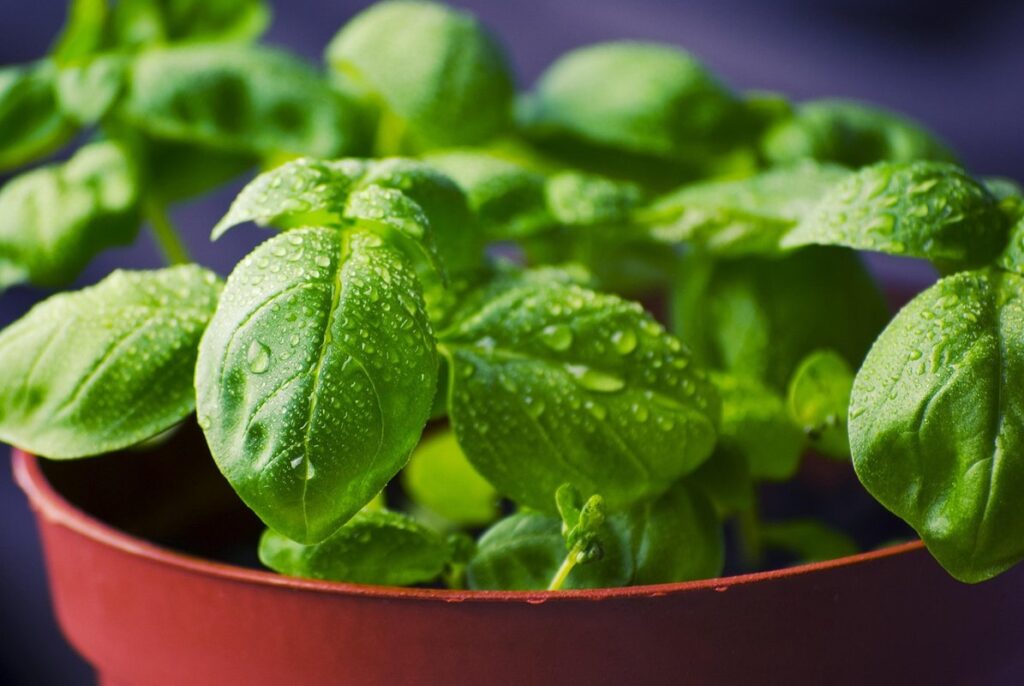
Benefits and Risks of Feeding Basil to Chickens
Feeding basil to chickens can have both positive and negative effects on their health, so it’s essential to weigh these benefits and risks before making a decision. Let’s explore what you need to consider.
Nutritional Value of Basil for Chickens
Basil is a nutrient-rich herb that offers numerous health benefits for chickens. One of its most significant contributions is its high content of vitamins A and K, which are essential for maintaining healthy feathers, skin, and eyesight. Vitamin A also supports the immune system, while vitamin K plays a crucial role in blood clotting and bone health.
In addition to these vital vitamins, basil is an excellent source of minerals like potassium and iron. Potassium helps regulate fluid balance and maintain proper muscle function, while iron is essential for the production of hemoglobin, which carries oxygen throughout the body. A diet rich in potassium can also support egg-laying hens by reducing stress and promoting overall well-being.
When incorporating basil into your chicken’s diet, it’s best to use fresh leaves rather than dried or powdered forms. You can add a few sprigs of fresh basil to their feed or mix it with other herbs for a flavorful treat. Start with small amounts (about 1-2 teaspoons per pound of food) and gradually increase the quantity based on your chicken’s individual needs.
Potential Allergies or Intolerances in Chickens
When introducing basil into your chicken’s diet, it’s essential to consider the possibility of allergic reactions or intolerances. While rare, some chickens may develop sensitivities to basil, which can manifest as various symptoms. Keep an eye out for signs such as lethargy, loss of appetite, or excessive drooping. In severe cases, allergies can cause respiratory problems, such as labored breathing or coughing.
Monitoring your chicken’s behavior is crucial when introducing new foods, including basil. Start by offering a small amount of fresh basil leaves and observe their response. If you notice any adverse reactions, discontinue the feeding immediately. It’s also vital to remember that individual birds may react differently to basil, so don’t assume that because one chicken tolerates it well, others will too.
Some common signs of intolerance include diarrhea, bloating, or vomiting after consuming basil. If you suspect your chickens are experiencing any of these symptoms, consult with a veterinarian for professional advice on how to address the issue and ensure their overall health remains optimal.
Types of Basil Safe for Chickens
If you’re looking to share basil leaves with your feathered friends, it’s essential to know which varieties are safe for chickens. This section breaks down the different types of basil suitable for their diet.
Growing Your Own Basil for Chicken Feed
Growing your own basil for chicken feed is a great way to ensure a steady supply of fresh herbs for your flock. To get started, choose a variety of basil that’s suitable for growing in your region and climate. ‘Genovese’ and ‘Sweet Basil’ are popular choices that tend to do well in most gardens.
When selecting a spot for your basil crop, make sure it gets plenty of sunlight – at least 6 hours of direct sunlight per day is ideal. The soil should be well-draining and rich in organic matter. Mix in some compost or well-rotted manure to give your basil plants a nutrient boost.
Water your basil regularly, but avoid overwatering, which can lead to root rot and other problems. Harvest your leaves regularly to encourage the plant to produce new growth. This will also help prevent it from flowering prematurely. Aim to use about 10% of your harvest for chicken feed, leaving enough for yourself to enjoy as a culinary herb.
By following these simple tips, you’ll be able to grow a healthy crop of basil that’s perfect for adding fresh flavor and nutrition to your chickens’ meals.
Purchasing Organic or Fresh Basil from Local Markets
When it comes to purchasing organic or fresh basil from local markets for your backyard flock, quality control is paramount. You want to ensure that the basil you bring home is free from pesticides and other chemicals that can harm your chickens.
Start by checking with local farmers’ markets or specialty grocery stores in your area to see if they carry organic or non-treated basil. Look for signs that indicate the produce has been grown without pesticides, such as “organic” labels or “chemical-free” certifications. You can also ask the vendor directly about their growing practices and whether they use any chemicals on their basil.
When selecting fresh basil from a local market, inspect it carefully for any visible signs of pesticide use, such as tiny holes or powdery residue on the leaves. Avoid buying basil with yellowing or wilted leaves, as this can be a sign that it’s been exposed to pesticides. By taking these extra steps, you can ensure that your chickens are getting the fresh, chemical-free basil they deserve.
Preparing Basil Leaves for Chicken Consumption
To safely feed basil leaves to your flock, you’ll first need to properly prepare them by washing and drying the leaves thoroughly. This process helps remove any potential bacteria that might harm your chickens.
Washing and Drying Techniques for Clean Basil
When handling basil leaves for your chickens, it’s essential to follow proper washing and drying techniques to prevent contamination. First, gently rinse the leaves under cold running water to remove any dirt or debris. However, be cautious not to wash them too vigorously, as this can bruise the delicate leaves and cause them to lose their flavor.
Next, submerge the basil leaves in a bowl of clean water for about 10-15 minutes to help loosen any remaining impurities. This step is crucial in removing potential parasites or bacteria that may be present on the leaves. After soaking, drain the water and gently pat the leaves dry with a clean towel or salad spinner.
To completely dry the basil leaves, spread them out on a clean paper towel or dishcloth. Allow them to air-dry for about 2-3 hours or until they reach your desired level of dryness. This step is vital in preventing mold growth and ensuring the basil remains fresh for your chickens. By following these simple steps, you’ll have perfectly cleaned and dried basil leaves ready for your flock’s enjoyment.
Crushing or Chopping Methods for Easy Digestion
When introducing basil leaves into your chicken’s diet, it’s essential to consider their size and texture. Whole basil leaves can be challenging for chickens to digest, which may lead to nutrient loss and potential health issues. One effective way to aid digestion is by crushing or chopping the leaves.
This simple process breaks down the cell walls of the basil, releasing its nutrients and making them more accessible to your flock. Imagine feeding your chickens a fresh batch of chopped basil – they’ll be able to absorb the beneficial compounds like vitamins A and K, potassium, and antioxidants much easier. By crushing or chopping the leaves, you’re essentially pre-digesting them for your birds.
In practice, this can be achieved by placing a handful of whole basil leaves in a cheesecloth or a food mill, then pulsing it until desired texture is reached. Alternatively, you can simply chop the leaves with a knife before mixing them into their feed. By taking this extra step, you’ll not only make your chickens’ lives easier but also ensure they reap the full rewards of basil’s nutritional benefits.
Feeding Basil to Chickens: Dosage and Frequency
When it comes to adding basil to your chickens’ diet, you’ll want to consider how much to give them and how often. This section will break down the ideal dosage and feeding frequency for a healthy balance.
Recommended Daily Intake of Fresh Basil
When it comes to feeding basil leaves to your chickens, it’s essential to establish guidelines for their recommended daily intake. The ideal amount of fresh basil leaves for your flock depends on several factors, including their age, breed, and overall health.
For young chickens (under 16 weeks), a good starting point is to offer about 1-2 leaves per chicken per day. As they grow older, you can gradually increase the amount to 3-4 leaves per chicken per day. However, if your chickens are particularly fond of basil, you may want to limit their intake to prevent overconsumption.
For laying hens, a moderate amount of 5-6 leaves per chicken per day is generally recommended. This will not only provide them with essential nutrients but also enhance the flavor and aroma of their eggs.
Remember to always introduce fresh basil gradually into your chickens’ diet, starting with small amounts to prevent digestive upset. Also, be sure to choose pesticide-free and fresh basil leaves for your flock’s consumption. By following these guidelines, you can enjoy the benefits of feeding fresh basil to your chickens while maintaining their overall health and well-being.
Best Practices for Incorporating Basil into Regular Feed
When incorporating basil into your chicken’s regular feed, it’s essential to do so safely and effectively. A good starting point is to mix a small amount of fresh or dried basil leaves with their standard feed. Aim for a ratio of about 1 tablespoon of basil per pound of feed.
If you prefer to offer basil as an occasional treat, consider mixing it in with their favorite fruits or vegetables. For example, you could add a few sprigs of fresh basil to a batch of scratch grains or mixed berries. Just be sure to introduce new foods gradually and in moderation to avoid upsetting your chicken’s digestive system.
Remember that basil can be quite potent, so start with small amounts and observe your chickens’ reactions. You may find that they develop a strong affection for the pungent herb, but it’s crucial to maintain a balanced diet and not overdo it with treats.
As a general rule of thumb, limit basil treats to no more than 5-10% of their total daily ration. This will allow your chickens to enjoy the flavor and nutritional benefits of basil without compromising their overall health.
Potential Health Issues Associated with Excessive Basil Consumption
While it’s great that basil is safe for your chickens to eat, there are some potential health issues associated with excessive consumption. Let’s examine these risks together.
Common Side Effects of Overconsumption
Consuming excessive amounts of basil leaves can lead to several health issues in chickens. One common side effect is digestive problems. Basil contains a compound called furanocoumarin, which can cause stomach upset and diarrhea if eaten in large quantities. If you notice that your chicken is experiencing loose droppings or vomiting after consuming basil, it’s essential to reduce the amount given or introduce other leafy greens into their diet.
Another possible side effect of overindulging in basil leaves is allergic reactions. While rare, some chickens may develop an intolerance to basil, leading to symptoms like skin rashes, lethargy, or respiratory issues. If you suspect that your chicken is experiencing any adverse effects from eating basil, monitor their behavior closely and consult a veterinarian for advice.
To minimize the risk of digestive problems, start by introducing small amounts of basil into your chicken’s diet and gradually increase the quantity to gauge their tolerance. Also, ensure that fresh water is always available to help with digestion and prevent dehydration.
Signs of Nutrient Imbalance Due to Excessive Basil Use
While basil is generally considered safe for chickens to eat in moderation, excessive consumption can lead to an imbalance of essential nutrients in their diet. This imbalance may manifest in various ways, making it crucial for chicken owners to recognize the signs and adjust their feeding habits accordingly.
One common sign of nutrient imbalance due to excessive basil use is a dull or lackluster appearance of the feathers. If you notice your chickens’ plumage looking dull, brittle, or losing its natural shine, it could be a indication that they’re getting too much basil. Additionally, look out for changes in their droppings – if they become watery, loose, or have an unusual color.
Another potential sign is lethargy or listlessness in your chickens. If they seem to be spending more time sleeping than usual, or are less energetic during feeding times, it may be a result of nutrient imbalance caused by excessive basil consumption. To prevent these issues, make sure to limit the amount of fresh basil provided as treats, and balance their diet with a mix of commercial feed and other leafy greens in moderation.
Frequently Asked Questions
Can I mix basil with other herbs to create a healthy and delicious chicken feed?
Yes, mixing basil with other nutrient-rich herbs like parsley or cilantro can enhance the nutritional value of your chickens’ diet. However, ensure that you’re not overloading their system with too many new foods at once. Introduce these herbs gradually and monitor their digestive health to prevent any potential issues.
How do I store fresh basil leaves to keep them safe for my flock?
To maintain freshness, store basil in a cool, dry place away from direct sunlight. You can also freeze or dehydrate the leaves to preserve them for longer periods. When using frozen or dried basil, make sure to rehydrate it before feeding it to your chickens.
Can I grow any type of basil for my chickens?
While most basil varieties are safe for chickens, some may be more potent than others. For example, sweet basil and Thai basil are good choices, but avoid growing lemon basil or Thai hot basil as they can cause digestive issues in high amounts.
How often should I introduce fresh basil to my flock’s diet to prevent overconsumption?
Aim to limit fresh basil intake to 1-2 teaspoons per pound of feed. Introduce it gradually and monitor your chickens’ health. Overconsumption can lead to nutrient imbalance, so be cautious not to overdo it.
What should I do if my chicken shows signs of allergy or intolerance to basil?
If you notice any adverse reactions like itching, excessive drooling, or changes in appetite after introducing basil, discontinue its use immediately. Consult with a veterinarian to determine the best course of action and consider alternative herbs that are more suitable for your flock’s needs.