
As a backyard chicken keeper, you’re always on the lookout for nutritious and safe ways to supplement your flock’s diet. One vegetable that’s commonly used in human cooking is bell pepper – but can chickens eat bell peppers too? While they might look like a tasty treat for your feathered friends, it’s essential to know whether bell peppers are good for them. Some benefits of feeding bell peppers to chickens include providing essential vitamins and antioxidants, while others may be concerned about the potential risks, such as digestive issues or nutrient imbalances. In this article, we’ll explore the ins and outs of feeding bell peppers to your backyard flock, including the benefits, risks, and guidelines for safe consumption.
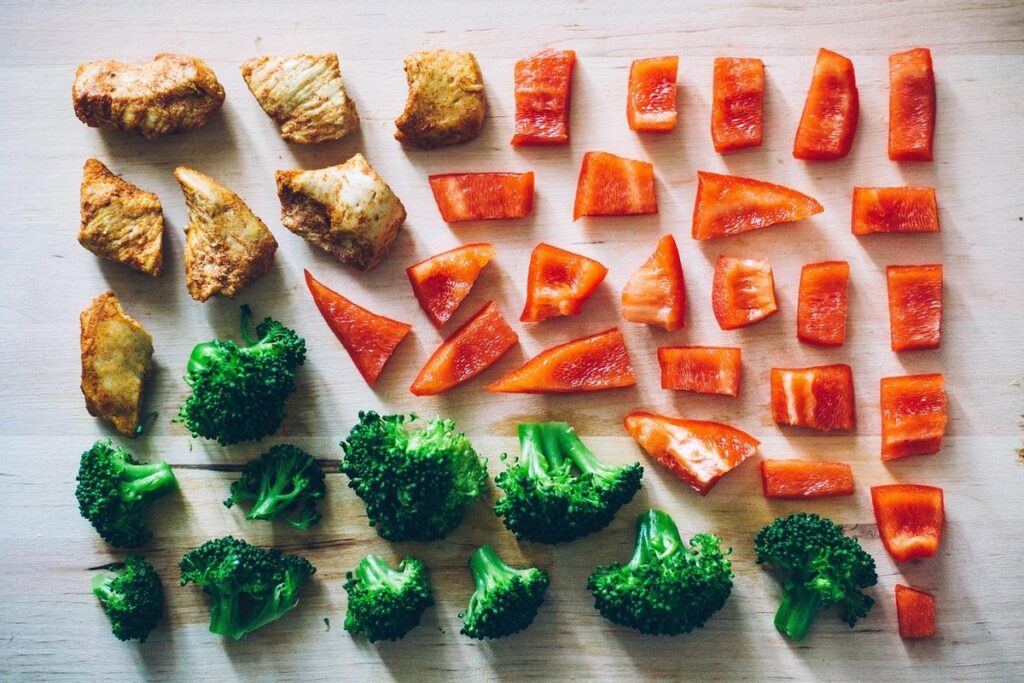
The Nutritional Value of Bell Peppers
Bell peppers are a nutritious addition to any human diet, but what about our feathered friends? In this next part, we’ll explore the nutritional value of bell peppers in more detail.
Benefits of Bell Peppers for Chickens
Bell peppers are an excellent addition to your chicken’s diet, providing essential nutrients, vitamins, and antioxidants that promote overall health and well-being. Rich in vitamin C, bell peppers play a crucial role in boosting the immune system of your flock. They also contain vitamin B6, which helps with protein metabolism and energy production.
The antioxidant properties of bell peppers help to protect your chickens from oxidative stress and cell damage caused by free radicals. This is especially beneficial for backyard chickens exposed to environmental pollutants and stressors. Plus, bell peppers are a rich source of fiber, which aids in maintaining healthy digestion and preventing constipation in birds.
You can add sliced or diced bell peppers to your chicken’s salad mix or feed them as a treat. However, be sure to introduce them gradually to prevent digestive upset. Aim for 1-2 teaspoons of finely chopped bell pepper per pound of feed to ensure a balanced nutrient intake. By incorporating bell peppers into their diet, you can give your chickens the edge they need to stay healthy and thrive.
Potential Risks of Overconsumption
While bell peppers can be a nutritious and healthy addition to your chicken’s diet, overfeeding them can lead to some potential risks. One of the main concerns is digestive issues. Bell peppers are high in fiber, which can cause stomach upset, diarrhea, and even vomiting if consumed in excess. Imagine feeding your chickens too many sliced bell peppers as treats; within a few hours, they might be rushing around their coop, looking uncomfortable.
Another risk associated with overconsumption of bell peppers is nutrient imbalances. While they are rich in vitamins A and C, they lack essential amino acids and minerals like calcium and phosphorus that chickens need for strong bone growth. If fed an excessive amount of bell peppers as a substitute for their regular diet, your flock may develop nutrient deficiencies. To avoid this, make sure to introduce bell peppers in moderation – no more than 1-2 tablespoons per pound of feed, and balance them with other nutrient-rich foods to maintain a well-rounded diet. Keep a close eye on your chickens’ overall health and adjust accordingly.
Feeding Bell Peppers to Chickens: Safety Considerations
When feeding bell peppers to your flock, it’s essential to consider a few key safety factors to ensure their health and well-being remains intact. Let’s break down what you need to know.
Raw vs. Cooked Bell Peppers
When it comes to feeding bell peppers to chickens, you’ll want to consider whether they’re fed raw or cooked. Raw bell peppers are a common choice for chickens, but they can be difficult for them to digest. The cell walls of raw bell peppers contain a high amount of cellulose, which can make it hard for your flock’s digestive system to break down.
Cooking bell peppers can make them more easily digestible for your chickens. This is because heat breaks down the cellulose in the pepper’s cell walls, making its nutrients more accessible to your birds. You can simply add cooked bell peppers to their meal, or use them as a treat. When cooking bell peppers, it’s essential not to overcook them, as this can destroy some of the beneficial vitamins and minerals.
In terms of specific cooking methods, steaming or sautéing are good options for preparing bell peppers for your chickens. These methods will help preserve the nutrients while making the pepper easier to digest.
Precautions for Different Chicken Breeds and Ages
When it comes to feeding bell peppers to chickens, some breeds and ages may require extra consideration. For example, young chicks under 6 weeks old should not be fed bell peppers as their digestive system is still developing and they are prone to impaction.
As for adult birds, Leghorns and Cornish Cross are generally safe to feed bell peppers in moderation. However, larger breeds like Orpingtons and Plymouth Rock may need less due to their slower metabolism. It’s essential to introduce bell peppers gradually into their diet to prevent digestive upset.
A general rule of thumb is to limit bell pepper consumption to about 1-2% of your chicken’s daily calorie intake. For a healthy adult bird, this translates to about 1/4 cup of sliced bell peppers per 10 pounds of body weight. Always ensure that fresh water and other nutrient-rich foods are readily available to prevent over-reliance on bell peppers.
Some breeds, like Silkies and Polish, may require more frequent monitoring due to their potential for obesity. In these cases, it’s best to limit or avoid feeding bell peppers altogether to maintain a balanced diet. Always consult with your veterinarian before making any significant changes to your flock’s dietary routine.
How to Introduce Bell Peppers into a Chicken’s Diet
If you’re eager to give your flock a taste of bell peppers, introducing them gradually is key to avoiding digestive upset. Learn how to safely add this nutritious treat to their diet.
Gradual Introduction Method
Introducing bell peppers into your chicken’s diet gradually is essential to prevent digestive upset. To do this, start by offering a small amount of finely chopped bell pepper as a treat, about 1-2% of their daily feed. This can be done on a Tuesday and Thursday for the first week.
Monitor your chickens’ behavior and droppings closely during this time. If you notice any signs of discomfort, such as lethargy or loose stools, reduce the amount or discontinue the bell pepper addition altogether.
For the next step, increase the daily amount to 5-7% of their feed, still in moderation. You can mix it into their regular layer feed or provide it separately as a treat.
Keep a close eye on your flock’s digestive health over the following days and weeks, adjusting the bell pepper introduction as needed.
Tips for Maximizing Nutrition and Minimizing Waste
When introducing bell peppers into your chicken’s diet, it’s essential to maximize their nutritional value while minimizing waste. To do this, start by chopping the bell peppers into manageable pieces that are easy for your chickens to eat. You can add them to their regular meal or use them as a treat.
Make sure to only feed your chickens fresh, organic bell peppers, free from pesticides and other contaminants. Rotten or moldy bell peppers can be toxic to chickens, so always check the produce before offering it to them. To minimize waste, use the entire pepper – including the seeds and stems – as these parts are rich in nutrients.
Aim to provide about 1-2 cups of chopped bell peppers per week for a small flock, depending on their individual needs and dietary requirements. You can also experiment with different colors and varieties to keep things interesting for your chickens. By following these simple tips, you’ll not only provide a nutritious boost to their diet but also reduce food waste in the process.
Nutrient Breakdown of Bell Peppers
So, what makes bell peppers a nutritious snack for chickens? Let’s dive into the nutrient breakdown to see how they stack up.
Vitamin Content
Bell peppers are an excellent source of essential vitamins for your flock. Let’s dive into the vitamin content of these colorful veggies. Bell peppers are particularly high in vitamin C, with one cup of sliced bell pepper providing over 125% of the recommended daily intake! This makes them a great addition to your chicken’s diet, especially during the winter months when vitamin C is harder to come by.
Vitamin A is also present in bell peppers, although not as abundantly as vitamin C. However, it still contributes to maintaining healthy vision, immune function, and skin health in your chickens. Vitamin K, essential for blood clotting and bone health, is another key nutrient found in bell peppers. One cup of sliced bell pepper contains over 100% of the recommended daily intake of vitamin K!
To incorporate bell peppers into your flock’s diet, try adding them to their meals as a crunchy snack or mixing them with other vegetables and fruits for a tasty treat. Remember to chop the peppers finely to avoid any potential choking hazards, especially for younger birds.
Mineral Content
Bell peppers are not only a tasty addition to our salads and stir-fries but also offer a wealth of essential minerals for our feathered friends. Potassium is one such crucial mineral found in bell peppers, with a single cup providing approximately 6% of the recommended daily intake. This can be especially beneficial for chickens as they require adequate potassium levels to maintain overall health and prevent conditions like muscle weakness.
Magnesium content in bell peppers is another vital component that contributes to a chicken’s well-being. Bell peppers contain about 10-15 milligrams of magnesium per cup, which can support bone growth and development in young chicks. Iron-rich bell peppers can also help alleviate symptoms of iron deficiency, a common issue in chickens due to their high egg-laying demands.
It’s essential for chicken owners to introduce bell peppers as part of a balanced diet, with a variety of colors included to maximize nutrient intake. Limit the serving size and incorporate them as an occasional treat to maintain your flock’s overall health.
Can Chickens Eat Bell Pepper Leaves?
When it comes to feeding your flock bell peppers, one question that often arises is whether chickens can safely eat the leaves of these nutritious vegetables. Let’s explore this topic together!
Benefits and Risks
When it comes to feeding bell pepper leaves to chickens, there are both benefits and risks to consider. On one hand, bell pepper leaves are rich in vitamins A and C, as well as minerals like potassium and iron, making them a nutritious addition to a chicken’s diet.
However, bell pepper leaves also contain solanine, a compound that can be toxic to chickens if consumed in large quantities. In fact, studies have shown that even small amounts of solanine can cause symptoms such as lethargy, drooping wings, and labored breathing in chickens.
To ensure safe consumption, it’s essential to introduce bell pepper leaves gradually into your chicken’s diet, starting with small amounts (about 1-2 leaves per bird) and monitoring for any adverse reactions. It’s also crucial to only feed fresh, organic bell pepper leaves free from pesticides and other contaminants.
If you do decide to feed bell pepper leaves to your flock, make sure to balance their intake with a well-rounded diet that includes a variety of fruits, vegetables, and grains to avoid over-reliance on any single food source.
Precautions for Leaf Consumption
When it comes to sharing bell pepper leaves with your flock, safety should always be your top priority. While chickens can benefit from eating bell peppers, including their leaves, there are some precautions you need to take.
First and foremost, make sure the leaves are free of any pesticides or chemicals that may have been applied during cultivation. You can wash the leaves thoroughly in cold water before offering them to your chickens. It’s also essential to check for signs of mold or rot, as these can be toxic to your birds.
Another consideration is the quantity and frequency of leaf consumption. While an occasional snack is unlikely to cause harm, regular or excessive intake may lead to an imbalance of calcium and other minerals in your chicken’s diet. Start by offering a small amount (about 1-2 leaves per bird) and monitor their behavior and health for any adverse reactions.
If you’re unsure about the safety of a particular leaf or have concerns about your flock’s dietary needs, consult with a veterinarian or poultry expert to get personalized advice.
Frequently Asked Questions (FAQs)
We’ve compiled some of the most common questions about feeding bell peppers to chickens, along with our expert answers to help you make informed decisions for your flock.
Can Chickens Eat Bell Peppers Daily?
While bell peppers can be a nutritious addition to your flock’s diet, it’s essential to consider feeding them on a daily basis. Chickens can eat bell peppers daily, but moderation is key.
A good rule of thumb is to limit the amount of bell peppers to no more than 10% of their total diet. This will ensure they get all the necessary nutrients while preventing overconsumption of sugars and acidity. For example, if you’re feeding your chickens 1 cup of feed per day, a quarter cup of chopped bell peppers would be an acceptable daily allowance.
It’s also crucial to rotate vegetables in your flock’s diet to prevent boredom and nutrient deficiencies. Consider offering different colored bell peppers to provide varying levels of vitamins and minerals. For instance, green bell peppers are higher in vitamin C than their red counterparts. By incorporating bell peppers into a balanced and varied diet, you can keep your chickens happy and healthy.
What Are the Signs of Bell Pepper Poisoning in Chickens?
If you suspect that your chicken has ingested bell peppers, it’s essential to recognize the signs of bell pepper poisoning. These symptoms can range from mild to severe and may include lethargy, loss of appetite, and vomiting.
In more severe cases, chickens may exhibit diarrhea, abdominal pain, or even seizures. It’s crucial to note that some breeds are more susceptible to bell pepper toxicity than others, particularly if they have a pre-existing medical condition or are malnourished.
To prevent bell pepper poisoning in your flock, ensure you only offer them small amounts as treats and under close supervision. Also, remove any uneaten parts of the peppers from their enclosure to avoid accidental ingestion.
If you suspect bell pepper poisoning, consult with your veterinarian immediately for proper guidance on treatment. They may recommend supportive care, such as fluids and monitoring for electrolyte imbalances, to help manage symptoms until they subside. By being aware of these signs and taking preventive measures, you can protect your flock from the potential risks associated with bell peppers.
Frequently Asked Questions
Can I feed bell peppers to my chickens daily, or should they be given as an occasional treat?
Yes, you can feed bell peppers to your chickens daily, but it’s essential to maintain a balanced diet and avoid overfeeding. A mix of fresh vegetables like bell peppers, leafy greens, and fruits will ensure your flock gets the necessary nutrients.
How do I know if my chicken has eaten too many bell peppers, leading to nutrient imbalances or digestive issues?
Watch for signs such as lethargy, diarrhea, or vomiting in your chickens. If you notice any unusual behavior, reduce the amount of bell peppers and introduce a balanced diet to prevent nutrient deficiencies.
Can I use cooked bell peppers instead of raw ones, or is it better to stick with fresh vegetables?
Cooked bell peppers can be given to your chickens, but avoid overcooking, as this can lead to nutrient loss. A mix of both raw and cooked bell peppers will provide a balanced diet for your flock.
How do I introduce bell peppers into my chicken’s diet if they’re not used to eating fresh vegetables?
Start by mixing small amounts of finely chopped bell peppers with their regular feed. Gradually increase the amount over time, allowing your chickens to adjust to the new food source. This will prevent digestive issues and ensure a smooth transition.
Can I give bell pepper leaves to my chickens as an alternative to the fruit itself?
Yes, bell pepper leaves are edible and nutritious for chickens. However, be cautious not to overfeed on leaves alone, as they can cause an imbalance in their diet. A mix of both leaves and fruits will provide a balanced intake of essential nutrients.