
If you’re looking for ways to add variety to your chicken’s diet, you might be wondering if they can have cabbage leaves. As it turns out, cabbage is a nutritious food that’s rich in vitamins and minerals, making it an excellent choice for supplementing their regular feed. However, it’s essential to do this safely and responsibly.
Before feeding your flock cabbage leaves, you’ll want to know the risks and benefits involved. This includes understanding how to prepare them correctly, the optimal amount to serve, and what types of cabbage are best suited for your chickens’ consumption. In this article, we’ll explore the ins and outs of feeding cabbage leaves to your chickens, covering topics such as moderation guidelines, preparation methods, and more. By the end of it, you’ll be equipped with the knowledge to confidently add this nutritious food to their diet while keeping them safe and healthy.
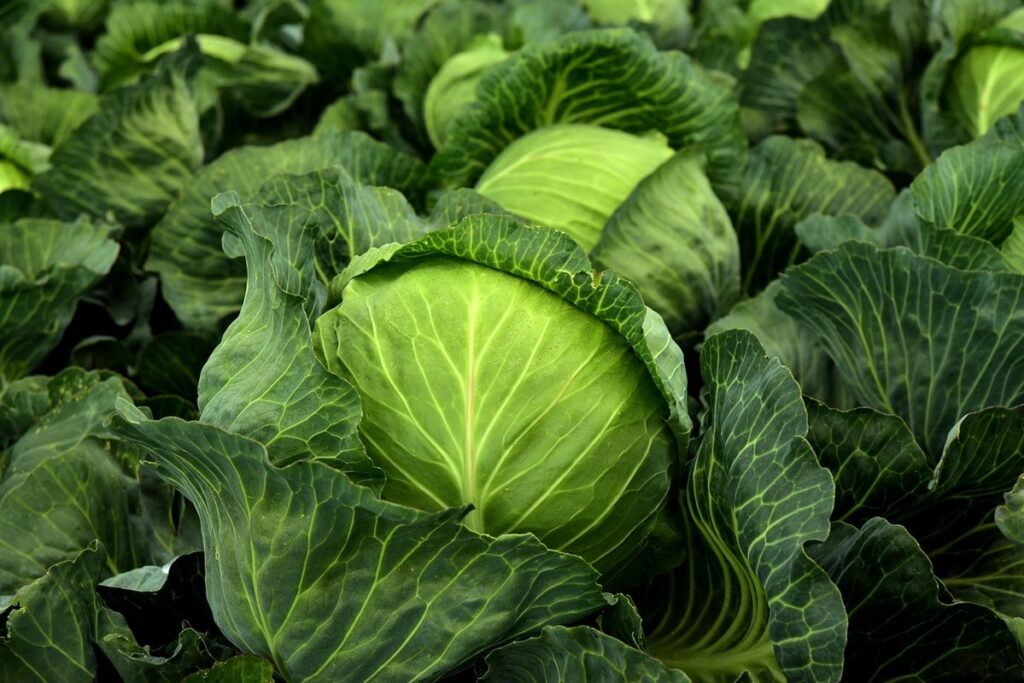
Benefits of Offering Leafy Greens to Chickens
Adding leafy greens like cabbage leaves to your flock’s diet can bring numerous benefits, from improved egg quality to enhanced chicken health. Let’s explore these advantages in more detail.
Nutritional Value of Cabbage Leaves
Cabbage leaves are an excellent addition to your chickens’ diet, providing numerous nutritional benefits that can boost their overall health. Rich in vitamins A, C, and K, as well as minerals like calcium and potassium, cabbage leaves support immune function, bone growth, and muscle maintenance.
One of the standout nutrients in cabbage leaves is vitamin C, which has potent antioxidant properties that help protect your chickens from oxidative stress and inflammation. This is especially important for chickens that are exposed to environmental pollutants or have weakened immune systems. Additionally, the high content of fiber in cabbage leaves supports healthy digestion and can even help reduce the risk of coccidiosis, a common intestinal parasite affecting backyard flocks.
To reap these benefits, simply chop the cabbage leaves into bite-sized pieces and sprinkle them over your chickens’ regular feed. You can also use them as a nutritious treat or mix with other leafy greens to create a balanced and delicious meal.
Advantages of Adding Leafy Greens to a Chicken’s Diet
Adding leafy greens like cabbage to your chicken’s diet can bring numerous benefits. One of the most significant advantages is improved egg quality. Rich in vitamins and minerals, leafy greens enhance the nutritional value of eggs, making them a healthier choice for you and your family.
Cabbage, in particular, is an excellent source of vitamin C and K, which play crucial roles in maintaining strong bones and a healthy immune system. When fed regularly, cabbage leaves can even help to reduce the risk of egg yolk abnormalities and improve overall egg production. For example, studies have shown that hens consuming leafy greens like cabbage tend to produce eggs with stronger shells and better coloration.
To incorporate leafy greens into your chicken’s diet safely, make sure to introduce them gradually, starting with small amounts (about 10-20% of their daily intake). This will allow your chickens’ digestive systems to adjust without any adverse reactions. Also, be mindful of the quality and freshness of the cabbage leaves you provide, as moldy or wilted leaves can cause harm.
By adding leafy greens like cabbage to your chicken’s diet, you’re not only improving their egg quality but also contributing to their overall health and well-being.
Risks Associated with Feeding Chickens Cabbage Leaves
While cabbage leaves can be a nutritious treat for your chickens, there are potential risks to consider when feeding them. These include digestive issues and nutrient imbalances that you should be aware of.
Potential Allergies or Intolerances in Chickens
While it’s generally safe for chickens to eat cabbage leaves in moderation, there is still a possibility that they may develop an allergy or intolerance to them. If your flock starts showing signs of digestive issues after consuming cabbage leaves, such as diarrhea, vomiting, or lethargy, it could be due to an adverse reaction.
An allergic reaction can manifest itself differently in chickens, just like in humans. Some possible symptoms include:
• Gas and bloating
• Abdominal pain or discomfort
• Changes in droppings (such as watery stools)
• Inflammation of the digestive tract
If you notice any of these signs after feeding cabbage leaves to your flock, it’s essential to consult with a veterinarian to determine the cause. To minimize the risk of allergies and intolerances, introduce cabbage leaves gradually into their diet, starting with small amounts (about 1-2% of their daily intake). Also, make sure they have access to plenty of fresh water to help with digestion.
In case you suspect an allergy or intolerance, you can try eliminating cabbage leaves from your flock’s diet for a few weeks and then reintroduce them in small amounts to monitor their reaction.
Toxic Compounds Found in Cabbage Leaves
Cabbage leaves contain several toxic compounds that can harm chickens if fed excessively. One of these compounds is goitrogens, which are known to interfere with the thyroid function of birds. Goitrogens can cause a range of problems, including swelling of the neck and throat area, difficulty swallowing, and reproductive issues.
Another compound present in cabbage leaves is glucosinolates, which can be toxic to chickens in large quantities. Glucosinolates are responsible for the pungent smell and taste of cabbage and other Brassica family vegetables. While these compounds are generally safe for humans in moderate amounts, they can be detrimental to chickens if fed regularly.
If you’re planning to feed your flock cabbage leaves, make sure to do so in moderation. It’s also essential to introduce them gradually to prevent digestive issues. A general rule of thumb is to limit the amount of cabbage leaves to 10% of their daily diet. Always monitor your chicken’s health and adjust their diet accordingly.
Preparing Cabbage Leaves for Chicken Consumption
Before feeding cabbage leaves to your flock, it’s essential to prepare them safely and correctly. Learn how to clean, chop, and store cabbage leaves for a healthy chicken treat.
Washing and Cleaning the Leaves
When it comes to offering cabbage leaves to your flock, washing and cleaning them is an essential step that can’t be overlooked. You see, cabbage leaves can harbor a variety of contaminants like dirt, debris, pesticides, and even bacteria, which can pose serious health risks to your chickens if not properly cleaned.
To ensure the cabbage leaves are safe for consumption, it’s crucial to wash them thoroughly before offering them to your flock. Start by rinsing the leaves under running water to remove any loose dirt or debris. Next, mix 1 tablespoon of unscented soap with 1 gallon of water in a large bucket and submerge the cabbage leaves. Let them soak for about 10-15 minutes to allow the soap to penetrate and loosen any remaining contaminants.
After soaking, scrub the leaves gently with your hands or a soft-bristled brush to remove any stubborn dirt or debris. Finally, rinse the leaves under running water until they’re clean and free of any soap residue. By following these simple steps, you can ensure that the cabbage leaves you offer to your chickens are safe and healthy for them to eat.
Chopping or Shredding the Leaves
When chopping or shredding cabbage leaves for your chickens, it’s essential to do so in a way that makes them easily digestible. Start by washing the leaves thoroughly to remove any dirt or debris that may be present. Next, you can chop or shred the leaves using a sharp knife or a food processor. A good rule of thumb is to aim for small pieces, about 1-2 inches in length.
This size will allow your chickens to easily tear the leaves apart with their beaks and break down the fibers more efficiently. You can also try shredding the leaves into smaller strips using a cheese grater or a mandoline. This will not only make them easier to eat but also help reduce the risk of choking hazards.
Remember, the goal is to provide your chickens with nutrient-rich cabbage leaves that they can easily access and digest. By taking the time to properly chop or shred the leaves, you’ll be giving your flock a delicious and healthy treat.
Feeding Cabbage Leaves in Moderation
When feeding cabbage leaves to your flock, it’s essential to understand how much is safe and what potential risks they may pose to their health. We’ll explore moderate serving guidelines next.
Quantity and Frequency Guidelines
When it comes to feeding cabbage leaves to your chickens, it’s essential to follow some guidelines to ensure they don’t overdo it. A good rule of thumb is to limit the amount of cabbage leaf material to about 1-2% of their daily diet.
For example, if you’re feeding a flock of five chickens, and each chicken weighs about 3 pounds, that’s equivalent to approximately 15-30 pounds of cabbage leaves per day. However, it’s unlikely you’ll need to feed them that much. A more realistic amount is around 1/4 cup to 1/2 cup of shredded or chopped cabbage leaves per bird per day.
In terms of frequency, it’s best to feed cabbage leaves as an occasional treat, rather than a daily staple. You can add them to their regular feed once or twice a week, or mix them with other veggies for a fun and nutritious snack. Remember, too much cabbage can cause digestive issues in chickens, so keep the amounts moderate and varied.
Monitoring Chicken Health After Consumption
Monitoring your chicken’s health after introducing cabbage leaves into their diet is crucial to ensure they’re adapting well. It’s not uncommon for chickens to develop gastrointestinal issues when consuming new foods, especially those high in fiber like cabbage.
Start by observing your flock’s behavior and appetite closely. If you notice any changes such as reduced eating or lethargy, it may be a sign that the cabbage is causing an issue. Look out for signs of digestive upset like diarrhea, vomiting, or gas.
Regularly check your chicken’s stool quality, color, and consistency to identify any potential problems. A healthy chicken’s droppings should be brown in color, firm in texture, and have a pleasant earthy smell. Be aware that cabbage can cause an increase in loose stools initially, but if this persists or worsens, it may indicate a more serious issue.
Keep track of your flock’s overall health through regular monitoring, weighing, and recording any changes. This will help you quickly identify potential issues related to the introduction of cabbage leaves into their diet.
Tips for Growing and Harvesting Cabbage Leaves Safely
When growing cabbage leaves for your flock, it’s essential to ensure they’re harvested safely to avoid contamination and spoilage that can harm your chickens. We’ll cover the best practices for harvesting and storing cabbage leaves.
Safe Handling Practices for Farmers or Growers
When handling cabbage leaves for feeding to chickens, it’s essential to adopt safe practices to minimize the risk of contamination and ensure the health of both humans and animals. Start by washing your hands thoroughly with soap and water before touching the cabbage or any other produce.
Make sure to handle the cabbage leaves gently to avoid bruising or tearing them, which can introduce bacteria like E. coli or Salmonella into the crop. Use clean, sanitized tools for harvesting and storing the cabbage leaves, and keep them covered to prevent cross-contamination from dust, debris, or other external factors.
When transporting the cabbage leaves to your chicken coop, ensure they are stored in a sealed container or bag to maintain freshness and prevent spoilage. Keep the storage area clean, dry, and well-ventilated to inhibit bacterial growth.
By following these simple handling practices, you can significantly reduce the risk of contamination and create a safer environment for both yourself and your chickens. Remember, when it comes to providing cabbage leaves as a treat or supplement, it’s not just about feeding them – it’s also about ensuring their health and well-being.
Storage and Preservation Methods
When it comes to feeding cabbage leaves to your chickens, proper storage and preservation methods are crucial to ensure they remain fresh and nutritious. Cabbage leaves can spoil quickly if not stored correctly, which can lead to mold growth, bacterial contamination, and a decrease in nutritional value.
To store cabbage leaves for optimal freshness, keep them cool and dry. You can store them in an airtight container or plastic bag in the refrigerator at a temperature below 40°F (4°C). Use within 3-5 days of harvesting. If you won’t be using the entire head immediately, consider freezing individual leaves to preserve their texture and nutrients.
Frozen cabbage leaves are just as nutritious as fresh ones when thawed properly. Simply blanch the leaves in boiling water for 30 seconds to remove excess moisture, then dry them completely before sealing and storing in an airtight container or freezer bag. This way, you can have a steady supply of fresh cabbage leaves all year round without worrying about spoilage.
Remember to always wash your cabbage leaves thoroughly with clean water before feeding them to your chickens to prevent any potential health risks associated with pesticide residues or bacterial contamination.
Conclusion: Balancing Nutrition with Safety when Feeding Chickens Cabbage Leaves
Now that you’ve weighed the benefits and risks of feeding your flock cabbage leaves, let’s focus on finding a balanced approach to incorporate this nutritious treat into their diet safely.
Recap of Key Points Covered in the Article
In conclusion to our discussion on safely feeding cabbage leaves to chickens, let’s recap the key points covered. We’ve established that offering cabbage leaves can be a nutritious addition to your flock’s diet, providing essential vitamins and fiber. However, it’s crucial to approach this with caution due to potential risks such as bloating and digestive issues if fed in excess.
We explored the nutritional benefits of cabbage leaves for chickens, highlighting their high content of vitamin C, potassium, and antioxidants. These nutrients can help support a healthy immune system and even promote eggshell production in laying hens. Nevertheless, we emphasized the importance of moderation when introducing cabbage leaves to your flock’s diet. A good rule of thumb is to start with small amounts (about 1-2 leaves per bird) and gradually increase as needed.
Remember that individual chickens may react differently to cabbage leaves, so monitor their health closely after introduction.
Final Recommendations for Chicken Keepers
As you’ve navigated through this comprehensive guide on feeding cabbage leaves to chickens safely, it’s essential to distill the key takeaways and recommendations for ensuring the well-being of your feathered friends. Based on our discussion, here are some final recommendations for chicken keepers:
When introducing cabbage leaves into your flock’s diet, remember that moderation is key. Start by offering a small amount (about 1-2 leaves per bird) to monitor their tolerance. Watch for signs of digestive upset or intolerance, such as loose droppings, diarrhea, or lethargy.
Be mindful of the variety of cabbage you’re using – some may be more palatable and easier to digest than others. For example, green cabbage is often preferred over red cabbage due to its milder flavor.
Keep in mind that cabbage leaves should not replace a balanced diet but rather complement it. Ensure your chickens have access to a diverse range of nutrients through a high-quality commercial feed or homemade mix.
Frequently Asked Questions
Can I feed cabbage leaves to chickens that are molting?
Yes, feeding cabbage leaves can be beneficial for chickens during molting as they help support healthy feather growth and provide essential nutrients. However, ensure the chickens have access to a balanced diet and fresh water throughout the molting process.
How do I know if my chickens are allergic or intolerant to cabbage leaves?
Keep an eye on your flock’s behavior and health after introducing cabbage leaves into their diet. Monitor for signs of allergy or intolerance such as diarrhea, lethargy, or difficulty breathing. If you notice any adverse reactions, discontinue feeding cabbage leaves immediately.
Can I grow my own cabbage leaves in the backyard?
Yes, growing your own cabbage leaves can be a cost-effective and healthy option. Make sure to follow safe handling practices when harvesting, washing, and storing the leaves. Choose varieties that are disease-resistant and suitable for your climate.
How often should I rotate the types of leafy greens I offer my chickens?
Rotate the types of leafy greens every 1-2 weeks to prevent nutritional deficiencies and ensure a balanced diet. This will also help maintain variety and keep your flock engaged with their food. Consider growing multiple varieties in your backyard or switching between store-bought options.
Can I feed cabbage leaves to chickens in different life stages (e.g., chicks, pullets, layers)?
Yes, you can adapt the feeding of cabbage leaves according to your flock’s age and stage. Chicks may need smaller amounts due to their sensitive digestive system, while layer hens can benefit from the nutritional value as they produce eggs. Monitor your chickens’ health and adjust the amount accordingly.