
If you’re looking to add some crunch to your chicken’s diet, you might be wondering if cabbages are a safe and healthy choice. While chickens can definitely benefit from certain vegetables, it’s essential to know which ones are suitable for them. Feeding cabbage to chickens can have both benefits and risks, and understanding these is crucial for keeping your flock healthy. In this article, we’ll delve into the nutritional value of cabbages for chickens, discuss potential safety precautions, and explore various cooking methods that make cabbage a safe and effective addition to their diet. By the end of this post, you’ll know exactly how to incorporate cabbages safely into your chicken’s diet and reap the rewards of a balanced and nutritious feeding plan.
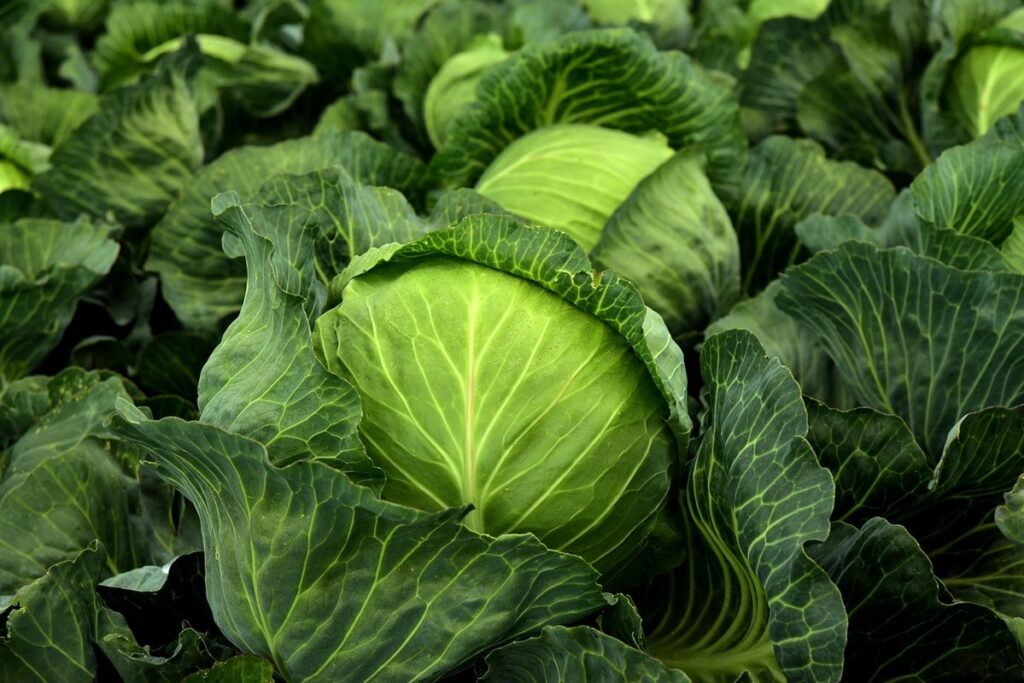
Introduction to Feeding Cabbages to Chickens
Feeding cabbage to your flock can be a nutritious and delicious addition, but it’s essential to understand the dos and don’ts of incorporating this veggie into their diet. Let’s explore how to do it safely and effectively.
Benefits of Offering Vegetables to Chickens
Providing vegetables like cabbage to chickens is an excellent way to supplement their diet and promote overall health. A balanced diet that includes fruits and vegetables is crucial for chickens as it helps prevent nutritional deficiencies and supports their immune system.
Chickens who receive a varied diet rich in fiber, vitamins, and minerals tend to have fewer health issues compared to those fed solely with commercial feed. This can lead to reduced instances of diseases like egg yolk peritonitis, which often results from an imbalanced diet.
Incorporating cabbage into their meals also allows chickens to digest food more efficiently due to the high fiber content in this vegetable. Regular consumption of cabbage has been known to improve the overall digestive health of poultry.
When introducing cabbage to your flock’s meal plan, make sure to chop it finely and serve it in moderation to prevent gastrointestinal issues. A good rule of thumb is to start with small amounts (about 1/4 cup per chicken) and gradually increase the serving size as they become accustomed to it.
Common Mistakes in Chicken Feed
When it comes to feeding cabbage to your chickens, it’s essential to avoid common mistakes that can lead to health issues. One of the most significant errors is overfeeding or underfeeding your flock. Overfeeding can cause digestive problems, obesity, and even lead to nutritional deficiencies if not balanced properly.
On the other hand, underfeeding can result in weakened immune systems and reduced egg production. To prevent these issues, it’s crucial to monitor your chickens’ weight, energy levels, and overall health. Make sure to provide a balanced diet that includes a variety of feed types, such as layer feed, pellets, or whole grains.
A common mistake is also giving cabbage as the sole source of nutrition, thinking it will provide all the necessary nutrients. However, cabbage lacks essential proteins, vitamins, and minerals that your chickens require. Always supplement their diet with other nutrient-rich foods to ensure they receive a complete and balanced meal.
Nutritional Value of Cabbage for Chickens
When it comes to offering cabbage as a treat, you’ll want to know how it stacks up nutritionally for your flock. Let’s dive into its benefits and potential drawbacks.
Macro-Nutrients Found in Cabbages
Cabbages are an excellent source of essential macro-nutrients that can significantly benefit your chickens’ overall health and wellbeing. Vitamin K is one of the most notable nutrients found in cabbages, playing a crucial role in blood clotting and bone formation. It’s also involved in protein metabolism, ensuring efficient energy production for your flock.
Vitamin C is another vital nutrient present in cabbages. As an antioxidant, it protects your chickens from oxidative stress and inflammation caused by free radicals. This can help prevent conditions like scurvy, which arises due to a deficiency of vitamin C.
In addition to vitamins K and C, cabbages are rich in dietary fiber. This essential component promotes digestive health by regulating bowel movements and preventing constipation. A high-fiber diet also supports healthy gut bacteria growth, further boosting your chickens’ immune system.
When incorporating cabbage into your flock’s diet, make sure to do so gradually and in moderation. A 10-20% inclusion rate is recommended, allowing them to adjust to the new nutrient intake. This will minimize any potential digestive issues and ensure a smooth transition for your birds.
Micro-Nutrients in Cabbage
Cabbage is an excellent addition to a chicken’s diet, providing essential micro-nutrients that support overall health. Among these micro-nutrients are potassium, manganese, and magnesium. Potassium is crucial for maintaining electrolyte balance, which helps regulate muscle function and heart rhythm in chickens. A deficiency in potassium can lead to muscle weakness and tremors.
Manganese plays a vital role in the chicken’s metabolism, acting as an antioxidant that protects cells from damage caused by free radicals. Magnesium, on the other hand, is essential for bone growth and development, making it particularly beneficial for young or growing chickens. When fed moderate amounts of cabbage, chickens can easily meet their daily potassium requirements.
To incorporate cabbage into your chicken’s diet safely, start by offering a small amount (about 1/4 cup per bird) to gauge tolerance. Gradually increase the serving size as needed, but ensure that it doesn’t replace other nutrient-rich foods in their diet. Fresh or frozen cabbage is preferred over canned options, which may be high in sodium. By providing cabbage as a supplement, you can help maintain your chickens’ overall health and well-being.
Can Chickens Eat Raw Cabbage?
When considering adding cabbage to your chicken’s diet, you’re probably wondering if it’s safe for them to eat raw. Let’s dive into whether raw cabbage is a healthy option for your flock.
Safety Precautions for Feeding Raw Cabbage
When feeding raw cabbage to your chickens, it’s essential to consider the potential risks involved. One of the main concerns is mold or bacterial contamination, which can be a serious issue for your flock’s health. Raw cabbage can harbor pathogens like E. coli and Salmonella, especially if it’s not stored properly.
To minimize these risks, make sure to inspect the cabbage before offering it to your chickens. Check for visible signs of mold, sliminess, or rotting, and avoid feeding any cabbage that looks compromised. Store the cabbage in a cool, dry place, away from direct sunlight, to prevent spoilage.
When handling raw cabbage, wash your hands thoroughly afterward to prevent cross-contamination. You can also take steps to reduce bacterial load by soaking the cabbage in water before serving it to your chickens. Change the water frequently and ensure it’s clean and fresh. By being mindful of these precautions, you can enjoy feeding cabbage to your flock while maintaining their safety and health.
Preparation Methods for Serving Cabbage
When serving cabbage to your flock, it’s essential to prepare it safely and digestively. Cooking cabbage can break down some of its natural compounds that may be toxic to chickens. Steaming is an excellent method for preparing cabbages as it preserves the nutrients while making them easier to digest.
To steam cabbage, simply place it in a steamer basket over boiling water, cover with a lid, and cook for 10-15 minutes. You can also use a microwave-safe bowl with a tablespoon of water, covering it with a microwave-safe plate, and cooking on high for 3-4 minutes.
Boiling is another safe method to prepare cabbage, but be sure not to overcook it, as this can make the nutrients less available to your chickens. Bring a pot of water to a boil, add sliced or chopped cabbage, and cook for 5-7 minutes. Always check the temperature before serving cooked cabbage to your flock.
You can also try fermenting cabbage, which is not only safe but also beneficial for chicken digestive health. However, be sure to follow proper fermentation guidelines to avoid any potential issues.
Raw vs. Cooked Cabbage: What’s Best?
When it comes to feeding cabbage to your flock, one of the key considerations is whether raw or cooked cabbage is safer for them to eat. Let’s dive into the benefits and risks of each option.
Raw Cabbage Benefits
When it comes to feeding cabbage to your flock, opting for raw cabbage is an excellent choice. Raw cabbage boasts a higher nutrient content compared to its cooked counterpart. This is because heat can break down and destroy some of the delicate vitamins and minerals found in cabbage.
Raw cabbage is particularly rich in vitamin C, which is essential for maintaining a healthy immune system and promoting overall well-being. In fact, one cup of shredded raw cabbage contains approximately 51% of the recommended daily intake of vitamin C. Additionally, raw cabbage is an excellent source of dietary fiber, containing both soluble and insoluble fiber that can help support digestive health.
Feeding your chickens raw cabbage also provides them with a rich supply of antioxidants, including flavonoids and polyphenols. These compounds help protect cells from damage and reduce the risk of chronic diseases such as cancer and heart disease. To incorporate raw cabbage into your flock’s diet, simply shred or chop it finely and add it to their meal twice a week for optimal benefits.
Cooking Methods and Nutrient Retention
When it comes to cooking cabbage for your chickens, the method you choose can significantly impact nutrient retention. Steaming is an excellent way to preserve nutrients, as it uses minimal water and doesn’t break down the delicate compounds found in cabbage. In fact, a study published in the Journal of Food Science found that steaming reduced vitamin C loss by 50% compared to boiling.
Boiling, on the other hand, can be detrimental to nutrient retention due to the high heat and prolonged cooking time. Excessive water usage during boiling can also lead to a significant loss of vitamins B and C, as well as other essential micronutrients. To minimize this loss, try using a steamer basket or a microwave-safe dish with a lid to cook your cabbage.
In addition to steaming, sautéing or stir-frying can be a great way to add flavor while preserving nutrients. Just be sure not to overcook the cabbage, as excessive heat can lead to nutrient degradation. Aim for a quick cooking time of 3-5 minutes to ensure optimal nutrient retention and delicious flavor.
Feeding Cabbage to Chickens at Different Stages
When feeding cabbage to your chickens, it’s essential to consider their age and individual nutritional needs, as their requirements change over time. Let’s explore how to safely feed cabbage at different stages of a chicken’s life.
Broiler and Layer Chickens’ Dietary Needs
When it comes to feeding cabbage to broiler and layer chickens, their dietary needs must be taken into consideration. Broilers, raised for meat production, require a diet rich in protein and energy to support rapid growth. Cabbage can be a valuable addition to their feed, providing essential nutrients like vitamins C and K, as well as fiber. However, it’s crucial not to overfeed cabbage, as it contains sulfur compounds that can cause digestive issues if consumed excessively.
Layer hens, on the other hand, need a diet rich in calcium to support egg production. Cabbage is a good source of calcium, making it an excellent supplement for layers. To incorporate cabbage into their diets safely, start by mixing small amounts with their regular feed (about 5-10% of their daily ration). Monitor their response and adjust the amount as needed.
When feeding cabbage to both broilers and layers, ensure access to fresh water at all times to prevent dehydration caused by the high fiber content. Additionally, maintain a balanced diet by rotating cabbage with other vegetables to avoid nutrient deficiencies. By incorporating cabbage into their diets responsibly, you can support healthy growth and egg production in your flock.
Starter and Grower Chickens’ Nutritional Requirements
As you consider feeding cabbage to your chickens at different stages of their growth, it’s essential to understand their nutritional requirements during these critical periods. Starter and grower chickens have unique needs that must be met for optimal development.
During the starter phase (0-8 weeks), chicks require a diet rich in protein (18-20% on a dry matter basis) to support rapid growth and feathering. Cabbage can contribute to this need, but it’s essential to balance its inclusion with other nutrient-dense feed sources. For example, you could supplement their starter feed with shredded cabbage (about 10% of their total diet), which provides essential vitamins A, K, and fiber.
As grower chickens transition from starter feed (8-20 weeks), their nutritional requirements shift toward more complex carbohydrates and protein for continued growth. Here, cabbage can be incorporated in moderation (5-10%) to support the health of their digestive system and provide crucial fiber intake. Remember that a balanced diet is key, so always ensure your flock has access to fresh water and other nutrient-dense feed sources alongside cabbage.
Potential Risks of Feeding Cabbage
While cabbage can be a nutritious addition to your flock’s diet, there are some potential risks you should be aware of before making it a regular part of their meals. Let’s take a closer look at these concerns.
Food Safety Considerations
When feeding cabbage to your chickens, it’s essential to consider potential food safety risks. One major concern is spoilage – cabbage can quickly turn from a healthy snack to a hazardous one if not stored and handled properly. For instance, if you leave a head of cabbage sitting out in the sun for too long, bacteria like E. coli or Salmonella can multiply rapidly, contaminating the entire batch.
To minimize this risk, make sure to store any leftover cabbage in an airtight container in the fridge within two hours of cutting it. This will help prevent moisture and heat from triggering bacterial growth. Additionally, when selecting cabbage for your flock, opt for fresh, firm heads with no visible signs of mold or rot.
Before serving cabbage to your chickens, always inspect it for any signs of spoilage – if it smells bad or looks slimy, don’t hesitate to toss it. Remember, a healthy diet is only as good as the quality of the food you’re feeding.
Common Allergies or Sensitivities
While cabbage can be a nutritious and tasty addition to a chicken’s diet, some birds may develop allergies or sensitivities to it. Common issues that may arise include digestive problems such as diarrhea, abdominal cramps, and lethargy. These symptoms can be particularly concerning if they persist or worsen over time.
Skin problems are another potential concern when feeding cabbage to chickens. Some birds may experience irritation or inflammation of the skin, leading to redness, itching, and even secondary infections. In severe cases, this can result in significant distress and discomfort for your flock members.
It’s essential to be aware of these risks, especially if you have a sensitive bird on hand. If you notice any unusual behavior or physical symptoms after introducing cabbage into their diet, discontinue feeding it immediately and consult with a veterinarian to determine the best course of action. Regular monitoring and observation can also help identify potential issues early on.
Some breeds are more prone to allergies than others; research your flock’s specific breed characteristics before making changes to their diet. If you do choose to feed cabbage, introduce it gradually in small amounts to minimize the risk of adverse reactions.
Conclusion and Final Tips
In conclusion, it’s safe for chickens to eat cabbage in moderation as part of a balanced diet. However, it’s essential to introduce cabbage gradually and monitor their digestive health closely. If your chickens experience any discomfort or adverse effects, such as diarrhea or lethargy, discontinue feeding cabbage immediately. To minimize potential risks, consider serving shredded or finely chopped cabbage mixed with other veggies, like carrots or apples, to create a varied and nutrient-rich meal.
When incorporating cabbage into your flock’s diet, be mindful of the quantity and quality of the cabbage used. Choose fresh, organic cabbage whenever possible, and avoid overfeeding, as this can lead to digestive issues.
Frequently Asked Questions
Can I feed my chickens cabbage all year round?
Yes, you can offer cabbage as a treat to your flock throughout the year, but it’s essential to maintain a balanced diet by providing a variety of vegetables and maintaining proper nutrition levels.
What if my chickens have never had cabbage before? How do I introduce it safely?
Introduce cabbage gradually, starting with small amounts (about 1-2% of their daily diet) to allow your flock to adjust. Monitor their behavior and watch for signs of digestive issues or allergic reactions.
Can I give cooked cabbage to my chickens instead of raw?
Yes, cooking cabbage can make its nutrients more accessible to chickens. However, avoid overcooking, as this can lead to nutrient loss. Steaming is a great way to cook cabbage while preserving its nutritional value.
How do I choose the right type of cabbage for my flock? Are some better than others?
Look for crisp and fresh cabbages with no signs of rot or mold. Green cabbage is a popular choice, but red or savoy varieties can also be beneficial. Avoid giving your chickens wilted or fermented cabbage, as this can cause digestive issues.
Can I mix cabbage with other vegetables to create a nutritious mash or slurry for my chickens?
Yes, you can combine cabbage with other veggies like carrots, apples, and sweet potatoes to create a nutrient-rich feed supplement. However, ensure the mash is not too wet, as this can lead to digestive problems.