
As a backyard chicken keeper, you’re always on the lookout for ways to keep your flock happy and healthy. But have you ever wondered if cantaloupe seeds are safe for them to eat? While fresh fruit like cantaloupe is a tasty treat for chickens, its seeds pose a bit of a mystery. Are they toxic or nutritious? Can feeding them to your girls lead to allergic reactions or digestive issues? In this article, we’ll delve into the risks and benefits of giving cantaloupe seeds to your flock. We’ll explore the potential toxicity concerns and discuss whether these tiny seeds pack any nutritional value for your chickens. By the end of this post, you’ll know exactly what’s safe for your girls to snack on and what’s best left untouched.
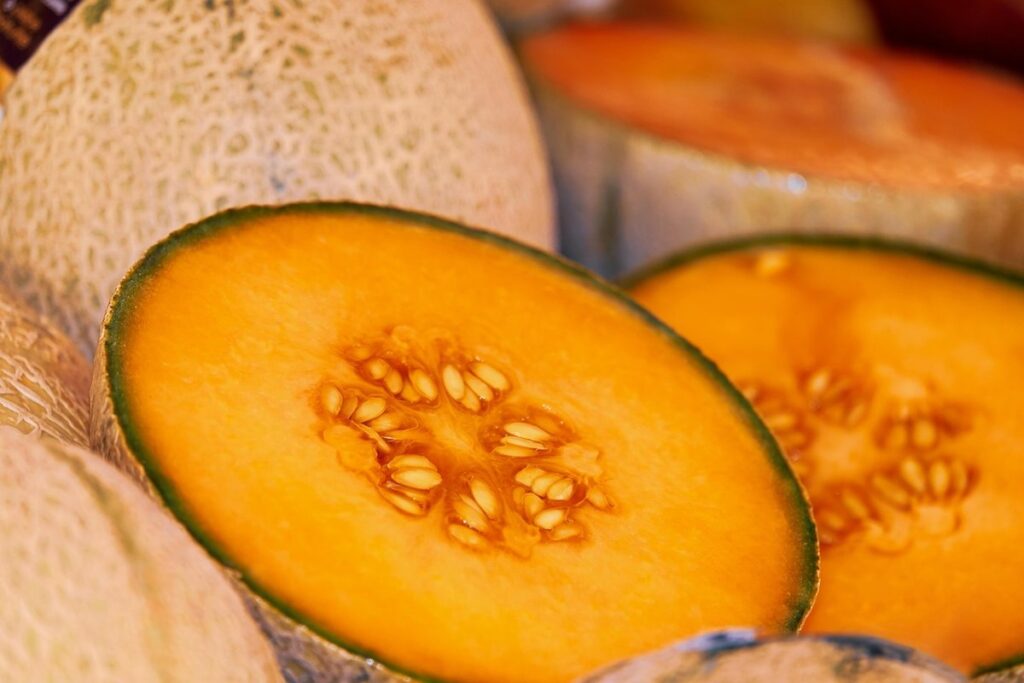
The Risks and Dangers of Feeding Cantaloupe Seeds to Chickens
Feeding cantaloupe seeds to chickens can pose some serious health risks, including digestive issues and potential harm to their internal organs. Let’s dive into the specific dangers you need to be aware of.
Toxicity and Poisoning from Cantaloupe Seeds
Cantaloupe seeds contain a toxic compound called cucurbitacin E, which can be fatal for chickens if ingested in large quantities. This is because cucurbitacin E interferes with the chicken’s digestive system and can cause severe damage to their internal organs.
If your chickens accidentally ingest cantaloupe seeds, they may exhibit symptoms such as vomiting, diarrhea, lethargy, and abdominal pain. In extreme cases, this toxicity can lead to seizures, tremors, and even death.
It’s essential to take precautions when feeding your chickens fruits with seeds, like cantaloupe. If you do choose to feed them cantaloupe seeds, make sure they are in small quantities and only as an occasional treat. Also, be sure to remove any seeds that may have fallen on the ground or in their feeding area.
To minimize the risk of toxicity, consider offering your chickens seedless fruits like grapes, melons, or berries instead.
Allergic Reactions and Sensitivity in Chickens
While many chickens can tolerate small amounts of cantaloupe seeds without issue, there is still a risk of allergic reactions and sensitivity. If your chicken is new to eating cantaloupe seeds, it’s essential to monitor their behavior closely for signs of an adverse reaction.
Allergic reactions in chickens can manifest differently than in humans, but common symptoms include lethargy, loss of appetite, and changes in droppings or feathers. You may also notice swelling around the eyes, face, or legs. In severe cases, anaphylaxis can occur, which requires immediate veterinary attention.
If you suspect your chicken is experiencing an allergic reaction to cantaloupe seeds, stop feeding them immediately and consult with a veterinarian for advice. Keep in mind that some chickens may develop sensitivity over time, even if they initially tolerate the seeds well. To minimize this risk, start by offering small amounts of seeds and gradually increase the quantity while monitoring your chicken’s behavior.
Remember, every flock is different, and what works for one chicken may not work for another. Always prioritize your birds’ health and safety when introducing new foods into their diet.
Nutritional Value and Safety Considerations
When feeding cantaloupe seeds to your flock, it’s essential to consider their nutritional value as well as potential safety risks for your chickens. Let’s examine these factors up close.
Cantaloupe Seeds as a Potential Treat
Feeding cantaloupe seeds to chickens can be a nutritious and enjoyable treat for them. From a nutritional standpoint, cantaloupe seeds are rich in healthy fats, protein, and fiber. They also contain various essential vitamins and minerals such as vitamin E, magnesium, and potassium. These nutrients can help support your chicken’s overall health, particularly their immune system and digestive function.
In moderation, cantaloupe seeds can be a great addition to your chicken’s diet. You can offer them as a treat during mealtime or as an occasional snack. To prepare the seeds, simply rinse them with water, dry them thoroughly, and crush them into small pieces to prevent choking hazards. Start with a small amount (about 1-2 teaspoons per chicken) and observe their reaction before increasing the quantity.
Some benefits of feeding cantaloupe seeds include improved egg production, enhanced feather quality, and increased energy levels in your flock. For example, adding crushed cantaloupe seeds to their feed can boost their vitamin E intake, which is essential for maintaining healthy skin, hair, and reproductive functions.
Precautions When Feeding Cantaloupe Seeds to Chickens
When feeding cantaloupe seeds to your chickens, it’s essential to take some precautions to ensure their safety and optimal health benefits. First and foremost, make sure you’re providing fresh seeds only. Rotten or moldy seeds can cause harm to your flock, so inspect them thoroughly before offering them as a treat.
To prepare cantaloupe seeds for your chickens, remove any pits or hard shells, as they may be difficult for your birds to digest. You can simply chop the seeds into smaller pieces or crush them in a mortar and pestle to make them more palatable. Start with small amounts – about 1-2 teaspoons per chicken – and monitor their behavior and digestion. Remember that cantaloupe seeds are high in calories, so moderation is key.
Be aware of potential choking hazards, especially if your chickens are young or have respiratory issues. Offer the seeds as a treat, not as a replacement for regular feed. Also, keep an eye out for any signs of digestive upset, such as diarrhea or lethargy, and discontinue feeding cantaloupe seeds if you notice any adverse reactions.
Can Chickens Digest Cantaloupe Seeds?
If you’re wondering whether your chickens can safely digest cantaloupe seeds, this is where we dive into the specifics of seed digestion and its potential effects on your flock. We’ll explore what to expect.
How Chickens Process Plant-Based Foods
Chickens are omnivores and their digestive system is specifically designed to process plant-based foods efficiently. When it comes to seeds like cantaloupe seeds, the chicken’s gizzard plays a crucial role in grinding them up. The gizzard is a muscular organ located between the crop and small intestine that acts as a food mill.
As chickens eat, they swallow grit, which includes small rocks or pebbles, along with their food. This grit gets lodged in the gizzard, where it grinds down tough plant material like seeds into smaller pieces. The grinding action is facilitated by the muscular contractions of the gizzard itself, effectively breaking down the seed’s hard outer coat.
The chicken then passes this partially digested mixture through to its small intestine, where enzymes further break down the carbohydrates and proteins within the seeds. This unique process allows chickens to extract nutrients from plant-based foods like cantaloupe seeds, which are rich in vitamins A and C, potassium, and fiber.
Is the Gizzard Capable of Processing Cantaloupe Seeds?
While it’s true that chickens can eat cantaloupe, there’s still some debate about whether their gizzards are capable of processing cantaloupe seeds. The gizzard is a muscular organ found in the digestive tract of birds, responsible for grinding up food particles into smaller bits. But can it handle the tough, fibrous texture of a cantaloupe seed?
It’s essential to note that many experts agree that the gizzard may struggle with breaking down cantaloupe seeds due to their hard outer shell and high concentration of potentially toxic compounds like amygdalin. This compound can release cyanide when ingested in large amounts, which is a serious concern for chicken health.
To put it simply, while chickens may be able to swallow cantaloupe seeds, the gizzard might not be equipped to process them efficiently, potentially leading to issues with digestion or even toxicity. If you do choose to feed your flock cantaloupe seeds, make sure to offer them in moderation and in a form that’s easily digestible – for example, pureed or crushed into smaller pieces to reduce the risk of any adverse effects.
Safe Alternatives to Cantaloupe Seeds for Chickens
If you’re concerned about your chickens’ safety around cantaloupe seeds, don’t worry – we’ve got some safe alternatives to offer that’ll make your flock happy and healthy.
Fruit and Veggie Options That Are Safe for Chickens
When it comes to providing your chickens with healthy and nutritious snacks, there are many safe alternatives to cantaloupe seeds that you can offer. In addition to their favorite treats like mealworms and sunflower seeds, consider adding some fresh fruits and vegetables to their diet. These options not only provide essential vitamins and minerals but also help keep your flock’s digestive system running smoothly.
Some excellent fruit options for chickens include apples, berries (strawberries, blueberries, raspberries), grapes (cut in half to prevent choking), and melons like honeydew and watermelon. These fruits are all high in fiber and nutrients, making them a great choice for your flock. You can offer them fresh or dried, but be sure to introduce new foods gradually to avoid digestive upset.
Some leafy greens that are perfect for chickens include kale, spinach, and collard greens. These veggies are packed with vitamins A and K, as well as calcium, which is essential for strong eggshell production. Consider adding a few handfuls of chopped up lettuce or shredded carrots to their daily menu.
Tips for Providing a Balanced Diet for Your Flock
When it comes to creating a balanced diet for your flock, variety and moderation are key. A lack of diversity can lead to nutritional deficiencies and health problems down the line. To ensure your chickens are getting all the essential vitamins and minerals they need, consider adding a mix of fruits, vegetables, grains, and proteins to their daily menu.
Some great options include leafy greens like kale and spinach, which are rich in calcium and vitamins A and K. Fresh vegetables like carrots, sweet potatoes, and squash provide important fiber and antioxidants. You can also supplement with grains such as oats and barley, as well as protein sources like mealworms or crickets.
Aim to offer a variety of these items daily, but be sure not to overdo it – too much of one thing can lead to an imbalance in the diet. As a general rule, provide about 75-80% of their diet with whole foods and reserve commercial feed for supplements only. By incorporating this approach into your flock’s meal plan, you’ll ensure they stay healthy and happy.
Conclusion
Now that we’ve covered the ins and outs of cantaloupe seeds for your feathered friends, let’s summarize our findings so far.
Recap of Key Points and Recommendations
When it comes to feeding cantaloupe seeds to chickens, there are several key points to consider and recommendations to keep in mind. As we’ve explored throughout this article, the potential dangers of feeding cantaloupe seeds to chickens cannot be overstated.
On one hand, cantaloupe seeds do contain nutrients such as protein, fiber, and healthy fats that can benefit a chicken’s diet. However, they also pose several risks, including the potential for choking hazards if not properly crushed or chopped, as well as an increased risk of mycotoxin consumption due to their high moisture content.
Not only can these factors lead to digestive issues and health problems in chickens, but they can also create a breeding ground for bacteria and mold growth. This is particularly concerning when considering the fact that many commercial feeds already contain additives and preservatives designed to reduce spoilage and extend shelf life.
For chicken owners looking to provide a healthy and varied diet for their flock, it’s essential to weigh these risks against the potential benefits of incorporating cantaloupe seeds into their feeding regimen. If you do decide to offer your chickens cantaloupe seeds as a treat or supplement, be sure to properly crush them first and only offer small amounts (about 1-2% of their daily diet).
Some alternative options for providing your flock with essential nutrients include offering cooked sweet potatoes, chopped apples, or kale as part of their regular meal. You can also consider adding commercial supplements specifically formulated to meet the dietary needs of backyard chickens.
Ultimately, it’s crucial to prioritize caution and consult with a veterinarian before making any significant changes to your flock’s diet. By doing so, you can ensure that you’re providing them with a balanced and nutritious diet while minimizing potential health risks.
Frequently Asked Questions
Can I still give my chickens cantaloupe if I remove the seeds?
Yes, you can still feed your chickens fresh cantaloupe without the seeds. In fact, the melon itself is a nutritious and safe treat for them to enjoy in moderation. Just be sure to cut it up into manageable pieces to prevent choking hazards.
How much cantaloupe seed consumption would trigger toxicity symptoms in my flock?
The amount of cantaloupe seeds that can cause toxicity in chickens varies, but even small quantities (around 1-2 grams per pound of body weight) can lead to severe symptoms. Since the exact amount is difficult to measure, it’s best to err on the side of caution and avoid feeding them cantaloupe seeds altogether.
What are some alternative treats I can give my chickens that are similar in texture to cantaloupe seeds?
You can try giving your chickens other plant-based foods like pumpkin seeds or sunflower seeds. These options provide a crunchy texture similar to cantaloupe seeds and offer essential nutrients for a balanced diet.
Can I still feed my chickens cantaloupe if they have had digestive issues with the seeds in the past?
No, if your chickens have shown adverse reactions to eating cantaloupe seeds in the past, it’s best to avoid feeding them any cantaloupe altogether. Their individual sensitivity and health conditions can make certain foods toxic or problematic.
How do I ensure my flock is getting enough nutrients from their regular feed without relying on treats like cantaloupe?
A balanced and complete commercial chicken feed should provide all the necessary nutrients for your flock’s optimal health. However, consider supplementing with fruits and vegetables as occasional treats to add variety and extra nutrition.