
If you’re anything like me, you’re always on the lookout for ways to give your flock an edge. Whether it’s through improved egg quality or enhanced immune function, we want our chickens to be happy and healthy. One superfood that’s gained popularity in recent years is chia seeds – but can chickens eat them? While some swear by their benefits, others warn of potential risks. In this article, we’ll delve into the world of chia seeds for chickens, exploring the advantages and disadvantages of incorporating them into your flock’s diet. We’ll discuss recommended amounts and frequency, as well as how to introduce them safely into your chicken’s regular feed. So if you’re curious about the benefits (and potential drawbacks) of adding chia seeds to your chickens’ menu, read on!
Benefits and Nutritional Value of Chia Seeds
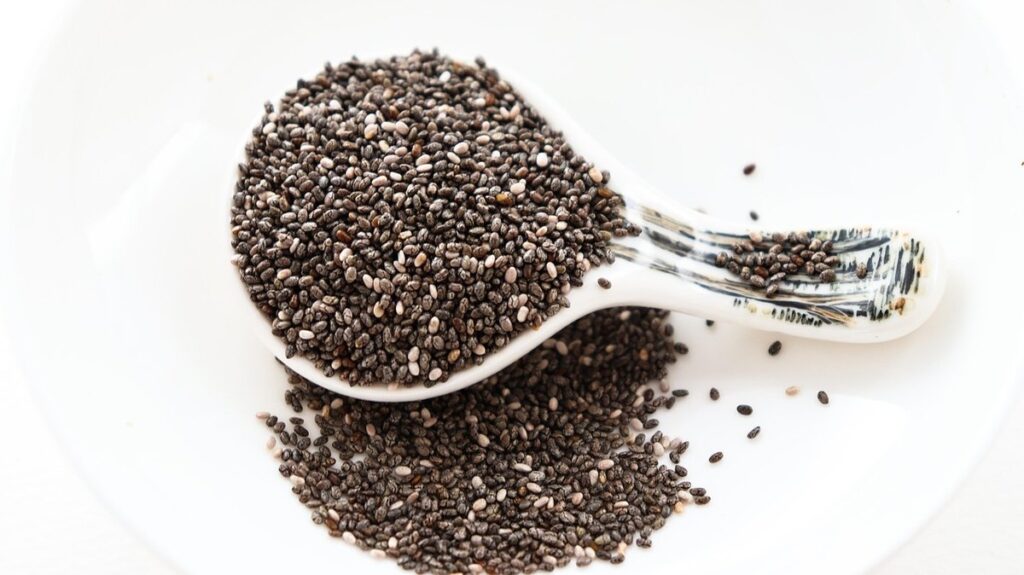
Chia seeds are a nutritious addition to any bird’s diet, offering several health benefits that can improve your chicken’s overall well-being. Let’s explore their nutritional value and advantages for chickens.
Nutrient Profile of Chia Seeds
Chia seeds are considered one of the richest plant-based sources of nutrients, and for good reason. A single ounce of chia seeds packs a whopping 4 grams of protein, making them an excellent addition to your chicken’s diet. But what does this mean for our feathered friends?
In terms of fiber content, chia seeds are also impressive, containing around 10 grams per ounce. This is especially beneficial for chickens as it can help regulate their digestive health and prevent issues like constipation or impacted crops. And let’s not forget about the omega-3 fatty acids – chia seeds contain a whopping 4917 mg per ounce, which is an essential component of a chicken’s overall health.
Other essential minerals present in chia seeds include calcium, magnesium, potassium, and zinc. These are all crucial for maintaining strong bones, supporting immune function, and promoting healthy growth and development in chickens. When it comes to adding chia seeds to your chicken’s diet, start with small amounts (about 1/4 teaspoon per pound of food) and gradually increase as needed.
Comparison to Other Feed Sources
When it comes to providing a nutritious diet for your chickens, chia seeds are an excellent addition. But how do they compare to other common feed sources? Let’s take a look at the nutritional value of chia seeds compared to grains, fruits, and vegetables.
Chia seeds pack a punch with 20% protein content, whereas many grains like oats and barley only contain around 10-15%. They also boast an impressive omega-3 fatty acid profile, which is essential for healthy skin and feathers. In contrast, most fruits and vegetables are relatively low in protein and fat.
For example, one cup of chopped kale contains about 2.5 grams of protein, whereas a single tablespoon of chia seeds packs around 4 grams. Additionally, the fiber content in chia seeds helps support digestive health, reducing the risk of coccidiosis and other intestinal issues.
If you’re looking to supplement your chicken’s diet with more nutrient-dense options, consider mixing chia seeds with their regular feed. A general rule of thumb is to start with a small amount (about 1-2% of their total daily intake) and gradually increase as needed. This will not only ensure they get the nutrients they need but also help prevent digestive upset.
Feeding Chia Seeds to Chickens: Best Practices
When it comes to incorporating chia seeds into your flock’s diet, there are a few essential tips to keep in mind. Let’s dive into the best practices for feeding chia seeds to chickens.
Preparing Chia Seeds for Consumption
To prepare chia seeds for consumption by your chickens, you’ll need to follow some simple steps. First, grind or mill the chia seeds using a grinder or food processor to break down their outer shell and release their nutrients. This will make it easier for your birds to digest.
Next, mix 1-2 tablespoons of ground chia seeds with water in a separate container. The chia seeds will absorb the liquid and form a gel-like texture, which can be added to their feed. Start by adding a small amount (about 10% of their daily feed) and gradually increase as needed.
When adding chia seeds to your chickens’ feed, make sure to mix it well with their regular feed or layer mash to avoid any clumping. You can also soak the ground chia seeds in water for a few hours before mixing it with their feed to help soften the texture.
Remember to introduce chia seeds gradually and monitor your flock’s response to prevent any digestive issues. With proper preparation, chia seeds can provide essential nutrients like omega-3 fatty acids, fiber, and protein to support healthy growth and egg production in your chickens.
Recommended Amounts and Frequency
When it comes to incorporating chia seeds into your chickens’ diet, it’s essential to understand the recommended amounts and frequency to avoid overfeeding. As a general rule of thumb, you can start by mixing 1-2 tablespoons of chia seeds per pound of feed for hens or 0.5-1 tablespoon per pound of feed for pullets (young chickens). For example, if you’re feeding your flock a mix that weighs about 10 pounds, you could add 2-4 tablespoons of chia seeds.
The frequency of inclusion also matters. Aim to add chia seeds 1-3 times a week to their regular diet, depending on your birds’ size and age. Start with the lower end of this range (1 time per week) and adjust as needed based on your flock’s response.
Remember to observe your chickens’ overall health and behavior when introducing chia seeds into their diet. If you notice any adverse effects or digestive issues, it may be necessary to reduce the amount or frequency of chia seed addition. By following these guidelines, you can safely supplement your flock with the benefits of chia seeds while maintaining a balanced and nutritious diet.
Potential Health Benefits for Chickens
Chia seeds have been touted as a superfood for humans, but can they also offer health benefits for your backyard chickens? Let’s explore their potential advantages.
Improved Egg Quality and Quantity
Feeding chia seeds to chickens has shown potential benefits for improving egg quality and quantity. One of the most notable advantages is the enhanced color of eggs due to the high omega-3 content in chia seeds. Omega-3 fatty acids, particularly alpha-linolenic acid (ALA), have been linked to improved eggshell coloration.
In addition to enhanced color, the texture and taste of eggs may also be affected by chia seed consumption. Chia seeds are rich in fiber, which can help promote regular bowel movements in chickens, potentially leading to healthier digestive systems and more efficient nutrient absorption. This, in turn, can result in higher-quality eggs with better flavor profiles.
Some chicken owners have reported observing a noticeable increase in egg production after incorporating chia seeds into their flock’s diet. While the exact mechanisms behind this effect are not fully understood, it is believed that the fiber and omega-3 content of chia seeds contribute to improved overall health and well-being in chickens.
To incorporate chia seeds into your flock’s diet, start by adding a small amount (about 1/4 teaspoon per chicken) to their feed or mixing it with water for a treat. Observe the effects on egg quality and quantity over time, and adjust the dosage as needed based on individual bird responses.
Enhanced Immune Function and Overall Health
Chickens can reap numerous health benefits from consuming chia seeds. These tiny seeds are packed with nutrients that can enhance their immune function and overall well-being. One of the primary advantages is the high concentration of omega-3 fatty acids found in chia seeds. These essential fatty acids play a crucial role in maintaining healthy cells, reducing inflammation, and supporting immune system function.
Incorporating chia seeds into your chicken’s diet may also lead to improved digestion. Chia seeds are an excellent source of dietary fiber, which can help promote regular bowel movements, prevent constipation, and support the growth of beneficial gut bacteria. This, in turn, can result in a healthier and more resilient flock.
To maximize the health benefits of chia seeds for your chickens, it’s essential to introduce them gradually into their diet. Start by mixing a small amount with their feed or providing a sprinkle as a treat. Monitor your chicken’s response and adjust the quantity accordingly. By doing so, you can create a balanced and nutrient-rich environment that supports optimal health and vitality in your feathered friends.
Potential Risks and Precautions
While chia seeds can be a nutritious addition to your flock’s diet, it’s essential to consider potential risks and precautions before offering them to your chickens. Let’s examine the possible downsides.
Allergies and Intolerances
When introducing chia seeds into your chicken’s diet, it’s essential to consider potential allergies or intolerances. Just like humans, chickens can develop sensitivities to certain ingredients, and chia seeds are no exception.
Some chickens may exhibit symptoms such as skin irritation, respiratory issues, or digestive problems if they’re allergic to chia seeds. If you notice any unusual behavior or health changes in your flock after feeding them chia seeds, it’s crucial to discontinue their consumption immediately and consult with a veterinarian.
To minimize the risk of allergies or intolerances, start by introducing small amounts of chia seeds into their diet and monitor their behavior closely. A good rule of thumb is to mix 1-2 teaspoons of chia seeds per pound of feed to begin with. Gradually increase the amount over time if you notice no adverse effects.
Keep in mind that every chicken is different, so it’s always better to err on the side of caution when introducing new foods. If you’re unsure about your flock’s sensitivity or have concerns, consult with a veterinarian or experienced poultry breeder for personalized advice.
Interactions with Other Feed Sources
When introducing chia seeds into your chicken’s diet, it’s essential to consider potential interactions with other feed sources. Chia seeds can absorb water and expand, which may affect the digestibility of other nutrients in a chicken’s meal.
For example, if you’re feeding your chickens a mix of grains, such as oats or barley, adding chia seeds might cause them to become too moist, leading to mold growth and reduced nutritional value. On the other hand, combining chia seeds with high-protein feed sources like alfalfa meal or soybean meal can provide an ideal balance of nutrients for optimal health.
However, be cautious when mixing chia seeds with high-fat feeds, as this combination may lead to digestive issues in your flock. It’s also crucial to monitor your chickens’ water intake, as the absorbent properties of chia seeds might cause them to drink more water than usual, potentially leading to an imbalance in their electrolyte levels.
To minimize potential interactions and ensure a balanced diet, start by introducing small amounts of chia seeds into your chicken’s meal and closely observe their digestive health.
Choosing the Right Chia Seeds for Chickens
When it comes to feeding chia seeds to your chickens, you want to make sure you’re selecting a high-quality product that’s safe and nutritious for them. This section will help you choose the best chia seeds for your flock.
Quality and Sourcing Considerations
When it comes to choosing chia seeds for your flock’s health and well-being, sourcing high-quality products is crucial. A reputable supplier will ensure that their chia seeds are free from contaminants, heavy metals, and pesticides, which can be detrimental to your chickens’ health.
Before selecting a supplier, research their sourcing practices and certifications such as USDA Organic or Non-GMO Project Verified. These labels guarantee that the chia seeds meet strict standards for quality and purity. Additionally, look into the supplier’s testing protocols, including microbial testing and heavy metal analysis, to ensure they are transparent about their products’ composition.
Some suppliers may also offer certified organic, gluten-free, or omega-rich chia seeds, catering to specific dietary needs of your flock. When evaluating a supplier, consider factors such as product consistency, pricing, and customer support. A reliable supplier will provide you with detailed information about their products and be willing to answer any questions you may have.
Ultimately, choosing high-quality chia seeds from a reputable source is vital for your chickens’ health and well-being. By doing your research and selecting a trusted supplier, you can ensure that your flock receives the nutritional benefits of chia seeds without any potential harm.
Storage and Handling Best Practices
When storing and handling chia seeds for your chickens, it’s essential to follow best practices that maintain their nutritional value and prevent spoilage. Chia seeds are a delicate food source that can be prone to degradation if not stored properly.
To start, store chia seeds in a cool, dry place away from direct sunlight and moisture. Airtight containers or glass jars with tight-fitting lids work well for this purpose. You can also consider purchasing smaller packets or quantities to ensure you use them before they expire.
When handling chia seeds, make sure your hands are clean and dry to prevent any contamination that might affect the quality of the seeds. If you’re planning to store large quantities, invest in a small-scale grain mill or food processor to grind the seeds just before feeding, as whole seeds can remain intact for months without losing their potency.
Regularly inspect stored chia seeds for signs of spoilage, such as mold, rancid smell, or oil separation. If you notice any of these issues, discard the affected portion immediately and replace it with fresh chia seeds.
Conclusion: Incorporating Chia Seeds into Your Chicken’s Diet
Now that you’ve learned the benefits and guidelines of adding chia seeds to your chickens’ diet, let’s explore practical ways to make it a regular part of their meals.
Final Thoughts on Feeding Chia Seeds
As you’ve learned throughout this article, incorporating chia seeds into your chicken’s diet can have numerous benefits. Not only do they provide essential omega-3 fatty acids and fiber, but they also help support healthy digestion and egg production. However, it’s essential to remember that moderation is key when feeding chia seeds to chickens.
A general rule of thumb is to start with small amounts (about 1/4 teaspoon per pound of body weight) and gradually increase the amount as needed. It’s also crucial to ensure your chickens have access to fresh water at all times, especially when introducing new foods like chia seeds.
Some chicken owners may be concerned about the potential risks associated with feeding chia seeds. However, in most cases, these seeds are safe for consumption in moderation. Nevertheless, it’s essential to monitor your flock’s behavior and health closely after introducing chia seeds into their diet.
To get the most out of feeding chia seeds, make sure to store them properly to maintain their nutritional value.
Recommendations for Further Research or Consultation
If you’re still unsure about incorporating chia seeds into your chicken’s diet or if you have specific questions or concerns, it’s always best to consult with a veterinarian or poultry expert. They can provide personalized advice tailored to your flock’s needs and help you make informed decisions.
Additionally, if you’re interested in further research on the benefits of chia seeds for chickens, I recommend checking out peer-reviewed studies on poultry nutrition. You can also explore online forums and communities dedicated to backyard chicken keeping, where experienced breeders and owners often share their knowledge and experiences with various feed supplements, including chia seeds.
Some questions to consider asking your veterinarian or poultry expert include: What are the nutritional requirements for my flock’s age, size, and breed? How can I ensure that chia seeds are properly balanced in their diet to avoid any potential health risks? Are there any specific brands or sources of chia seeds that you recommend for chickens?
By consulting with a professional and staying informed through further research, you can make the best decisions for your flock’s health and well-being.
Frequently Asked Questions
Can I give chia seeds to my chickens as a treat, or should they be part of their regular diet?
Yes, chia seeds can be given as treats, but it’s recommended to incorporate them into your chicken’s regular feed for optimal benefits. Start by gradually introducing small amounts (about 1/4 teaspoon per pound of body weight) and monitor your flock’s response.
How do I know if my chickens are allergic or intolerant to chia seeds?
Monitor your flock’s behavior, egg production, and overall health after introducing chia seeds into their diet. If you notice any adverse reactions, such as decreased egg production, lethargy, or digestive issues, consider consulting a veterinarian for guidance on managing allergies or intolerances.
Can I use regular chia seeds from the grocery store, or do I need to purchase specifically labeled “chicken-safe” products?
While regular chia seeds can be used, it’s recommended to choose high-quality, organic, and non-GMO options. However, ensure that the brand you select is not contaminated with additives or fillers that may harm your chickens.
How often should I introduce new batches of chia seeds into my flock’s diet to avoid spoilage?
Introduce fresh chia seeds every 2-3 weeks to maintain their nutritional value and prevent mold growth. Store any unused chia seeds in an airtight container, keeping them away from direct sunlight and moisture.
Can I give chia seeds to chicks or pullets as part of their starter feed?
No, it’s not recommended to introduce chia seeds into the diet of young chickens (chicks or pullets) too early. Wait until your flock has reached 16-18 weeks of age before incorporating chia seeds into their regular feed.