
If you’re an avid chicken keeper like me, you might be wondering if those pesky cilantro stems that always seem to go to waste are safe for your feathered friends to munch on. It’s a common question among backyard flock owners, and I’m here to help you get the answer. But before we dive in, let’s talk about why this matters. Not only can adding fresh herbs like cilantro to their diet provide essential nutrients, but it’s also an easy way to keep things interesting for your hens.
In this article, we’ll explore whether cilantro stems are safe for chickens to eat, including the potential risks and benefits. We’ll look into the nutritional value of cilantro for chickens, as well as discuss any possible toxicity or allergic reactions that might occur. So, grab a cup of coffee, get comfortable, and let’s find out if your girls can enjoy those tasty cilantro stems.
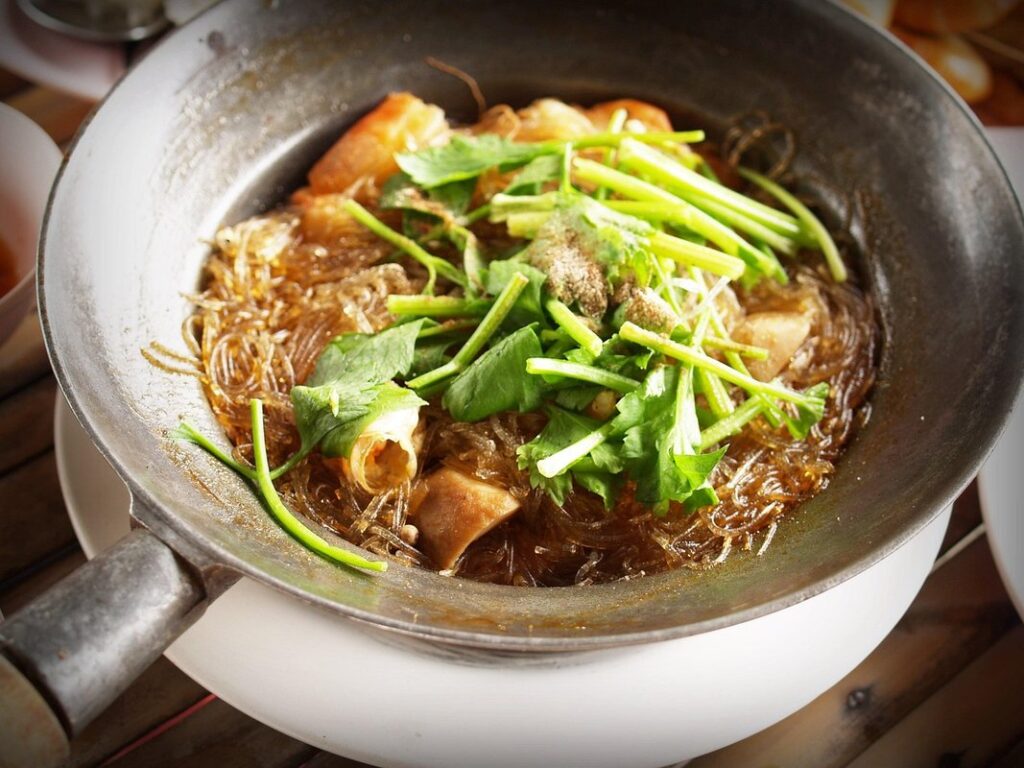
Understanding Cilantro and Its Effects on Chickens
As you consider adding cilantro stems to your flock’s diet, it’s essential to understand how they affect chickens’ health and digestion. Let’s explore the potential benefits and risks of feeding this herb to your birds.
Nutritional Value of Cilantro for Humans
Cilantro has been used for centuries in various cuisines around the world, not just for its flavor but also for its numerous health benefits. As we explore whether chickens can eat cilantro stems safely, it’s interesting to note that this herb is also beneficial for humans.
One of the key reasons why cilantro is considered a superfood is due to its high antioxidant properties. Antioxidants help protect our cells from damage caused by free radicals, which are unstable molecules that can lead to cell damage and even cancer. Cilantro contains a variety of antioxidants, including limonene and borneol, which have been shown to have anti-inflammatory effects.
In addition to its antioxidant properties, cilantro has also been linked to several potential health benefits, including reducing cholesterol levels, improving digestion, and even aiding in the treatment of anxiety and depression. Cilantro’s unique combination of vitamins A, K, and fiber makes it an excellent addition to a balanced diet. If you’re considering adding cilantro to your meals, be sure to use fresh leaves and stems for maximum nutritional value.
Some studies have shown that cilantro can help reduce symptoms of irritable bowel syndrome (IBS) by regulating bowel movements and improving gut health. In fact, a study published in the Journal of Agricultural and Food Chemistry found that cilantro extracts exhibited significant anti-inflammatory activity in animal models. While these findings are promising, more research is needed to confirm cilantro’s potential benefits for humans.
When consuming cilantro, it’s essential to note that some people may experience an unusual sensation known as “cilantro blindness,” where they perceive the taste of cilantro as metallic or soapy. This phenomenon is still not fully understood and may be related to genetic variations in the TAS2R38 gene.
Possible Toxicity of Cilantro to Chickens
Cilantro’s high oil content and potential to cause digestive issues make it a concerning herb for chickens. When consumed in large amounts, cilantro’s oils can be toxic to chickens, leading to a range of symptoms including drooping wings, labored breathing, and decreased appetite.
The main culprit behind cilantro’s toxicity is its high concentration of dodecenal, a compound that can cause irritation to the gastrointestinal tract. This irritation can lead to digestive issues such as diarrhea, vomiting, and abdominal pain in chickens. In severe cases, cilantro consumption has been linked to kidney damage and liver failure.
It’s worth noting that some chickens may be more sensitive to cilantro’s oils than others, depending on their individual metabolism and health status. To minimize the risk of toxicity, it’s essential to introduce cilantro into your flock’s diet in moderation and under close observation. If you suspect your chickens have ingested cilantro and are exhibiting symptoms, consult with a veterinarian for advice on treatment and care.
Benefits of Feeding Chickens Fresh Herbs
Feeding chickens fresh herbs is a great way to provide them with essential nutrients and keep their egg-laying and overall health in top shape, after all.
The Importance of Varied Diet for Healthy Chickens
Providing a varied diet for your chickens is essential to maintaining their overall health and well-being. A balanced diet rich in nutrients will keep them free from diseases and ensure they have the energy to perform daily activities like scratching, pecking, and laying eggs.
One key aspect of a varied diet is incorporating fresh herbs like cilantro into their meals. Cilantro, in particular, is an excellent addition as it provides essential vitamins, minerals, and antioxidants that chickens need to stay healthy. It’s also easy to grow and can be harvested regularly for use in your chicken’s food.
When choosing herbs for your chickens, consider growing a variety of plants like parsley, basil, and mint alongside cilantro. This will not only provide them with an assortment of flavors but also ensure they get the necessary nutrients from different sources.
How Cilantro Can Support Chicken Health
When it comes to supporting chicken health, cilantro is an often-overlooked herb that can provide numerous benefits. One of the key ways cilantro supports chicken health is by aiding digestion. This is particularly important for backyard chickens who may be eating a varied diet that includes grains and other fillers that can be difficult to digest. Cilantro contains compounds called terpenes, which have been shown to reduce inflammation in the gut and improve the absorption of nutrients.
As a result, feeding your chickens cilantro stems can help support their overall health and well-being. In fact, many chicken keepers report seeing improvements in their flock’s digestion and energy levels after introducing cilantro into their diet. Additionally, cilantro has antimicrobial properties that can help boost a chicken’s immunity, making it easier for them to fight off illnesses.
To incorporate cilantro into your chickens’ diet, simply chop the stems finely and add them to their food or sprinkle them on top of their meal. You can also use cilantro as an addition to their treats or mix it in with other herbs like parsley and basil for a fresh and flavorful mix. By supporting your chickens’ digestion and immunity, you’ll be giving them the best chance at living long and healthy lives.
Risks Associated with Feeding Chickens Cilantro Stems
While cilantro stems can be a nutritious and tasty treat for chickens, there are some potential risks you should know about before offering them to your flock. Let’s explore these concerns together in more detail.
Digestive Issues and Intestinal Blockages
When you feed cilantro stems to your chickens, there’s a risk of causing digestive issues and intestinal blockages. This is because the fibrous material in cilantro can be difficult for chickens to digest. If your birds consume large amounts of cilantro stems, it may lead to impaction, where food accumulates in the intestines and causes a blockage.
Impaction can be life-threatening if left untreated. Symptoms include lethargy, loss of appetite, and straining during bowel movements. In severe cases, chickens with intestinal blockages may pass bloody stools or even die from complications such as peritonitis or septicemia.
If you suspect your chicken is experiencing impaction, it’s crucial to act quickly. Provide plenty of fresh water and remove any remaining cilantro stems from their diet. You can also try administering a small amount of vegetable oil or mineral oil to help lubricate the digestive system and ease passage of food through the intestines. However, if symptoms persist or worsen, consult with your veterinarian for professional guidance and treatment.
Possible Allergic Reactions in Chickens
While the benefits of feeding cilantro stems to chickens are being discussed, it’s essential to acknowledge a potential risk: allergic reactions. Just like humans, chickens can develop sensitivities to certain ingredients, including cilantro. If your flock is introduced to cilantro stems without proper acclimation or in excessive amounts, they might experience an adverse reaction.
Common symptoms of an allergic reaction in chickens include sneezing, coughing, labored breathing, and itchy skin or eyes. In severe cases, anaphylaxis can occur, which requires immediate veterinary attention. If you notice any of these signs after feeding cilantro stems to your flock, discontinue use immediately and consult with a poultry expert.
To minimize the risk of allergic reactions, introduce cilantro stems gradually in small amounts to monitor your chickens’ behavior and health. A general rule is to start with 1-2% of their regular diet and observe for any adverse effects before increasing the amount. Keep a close eye on your flock’s overall well-being and adjust feeding habits accordingly.
Preparing Cilantro Stems for Chicken Consumption
To prepare cilantro stems for your chickens, first trim them to a manageable length and remove any wilted or browning areas. This ensures fresh and safe consumption.
Washing and Cleaning Cilantro Stems
When washing and cleaning cilantro stems, it’s essential to remove any dirt, debris, and bacteria that may be present. Start by gently rinsing the stems under cold running water to loosen any loose particles. Next, use a soft-bristled brush or a clean vegetable scrubber to gently scrub away any stubborn dirt or debris. Be sure to rinse the stems thoroughly after cleaning to remove any soap residue.
To sanitize the cilantro stems, you can soak them in a solution of 1 part white vinegar to 10 parts water for 5-10 minutes. This will help kill any bacteria that may be present. After soaking, rinse the stems under cold running water and dry them with a clean towel before feeding them to your chickens.
It’s also crucial to note that cilantro stems can be prone to mold and rot if not stored properly. To prevent this, make sure to store them in an airtight container or zip-top bag and keep them refrigerated at 40°F (4°C) or below until you’re ready to feed them to your chickens. This will help maintain their freshness and nutritional value.
Cooking or Processing Cilantro Stems
While some chicken owners might be hesitant to give their flock cilantro stems due to potential toxicity concerns, cooking or processing these parts can significantly reduce the risk. In fact, heat treatment is known to break down compounds like psoralen, a natural toxin found in the plant’s sap.
To cook cilantro stems safely for your chickens, try steaming them lightly before adding them to their feed. Alternatively, you can chop the stems finely and sauté them with some oil until they’re soft and fragrant. This process not only makes the stems palatable but also helps reduce any residual bitterness or toxicity.
Remember that overcooking is key when it comes to reducing potential toxins in cilantro stems. Aim for a gentle cooking method, as high heat can actually create more harmful compounds. By processing your cilantro stems with care, you can enjoy the nutritional benefits of this superfood while minimizing risks to your flock’s health.
Conclusion: Making Informed Decisions about Feeding Chickens Cilantro Stems
As we’ve explored the potential benefits and drawbacks of feeding your chickens cilantro stems, it’s time to distill our findings into actionable advice. Let’s make informed decisions about incorporating this herb into their diet.
Recap of Key Points
To make informed decisions about feeding chickens cilantro stems, let’s recap the key points discussed. It’s essential to understand that while cilantro stems are a nutritious treat for chickens, moderation is crucial due to their high water content and potential impact on gut health.
When considering adding cilantro stems to your flock’s diet, remember that these treats should not exceed 10% of their daily calorie intake. This means it’s vital to balance the amount of cilantro stems with other nutrient-rich foods to prevent an imbalance in their diet.
Incorporating cilantro stems into your chickens’ meals can be done safely by introducing them gradually and monitoring for any adverse reactions. It’s also essential to choose fresh, pesticide-free cilantro stems to minimize potential health risks.
To make the most of this nutritious treat, try adding a handful of fresh cilantro stems to your flock’s meal once or twice a week. This will not only provide them with essential vitamins and minerals but also add variety to their diet and encourage foraging behavior.
Final Thoughts and Recommendations
If you’ve made it to this point, congratulations on taking the time to educate yourself on whether cilantro stems are safe for your feathered friends. As we wrap up our exploration of this topic, let’s summarize the key takeaways: chickens can eat cilantro stems in moderation, but be sure to remove the tough base and any woody parts that may cause digestive issues.
When incorporating cilantro stems into their diet, start with a small amount (about 1-2% of their daily food intake) to monitor for adverse reactions. As with introducing any new food item, do so gradually to prevent shocking your flock’s system.
To make the most of this nutritious addition, consider mixing cilantro stems with other leafy greens or herbs, such as parsley and basil. This blend will not only provide a burst of flavor but also ensure your birds are getting a balanced mix of vitamins and minerals.
Remember, always prioritize fresh, organic produce when possible. If you’re unsure about the origin or safety of the cilantro stems, it’s best to err on the side of caution and explore alternative options.
Frequently Asked Questions
Can I feed cilantro stems to chickens with existing health conditions?
If your flock has pre-existing health issues, it’s crucial to consult with a veterinarian before introducing new foods, including cilantro stems. This is especially important for birds with liver or kidney problems, as some herbs can exacerbate these conditions.
How often should I add fresh herbs like cilantro to my chickens’ diet?
A balanced and varied diet is key to maintaining your flock’s health. Consider adding fresh herbs like cilantro 1-2 times a week in moderation (about 10% of their daily intake). This will help keep things interesting for your hens without overwhelming their digestive system.
What are some common signs of allergic reactions or toxicity in chickens?
Be on the lookout for symptoms such as diarrhea, vomiting, lethargy, and excessive droppings. If you notice any unusual behavior or changes in your flock’s health after introducing cilantro stems, discontinue feeding immediately and consult with a veterinarian.
How do I prepare cilantro stems to ensure food safety?
Always wash and clean the cilantro stems thoroughly before serving them to your chickens. This will help prevent bacterial contamination and reduce the risk of digestive issues.
Can I use cilantro stems that are past their expiration date or have begun to wilt?
No, it’s best to discard any wilting or expired cilantro stems to avoid potential toxicity and spoilage. Only offer fresh, crisp leaves and stems for your flock to enjoy.