
Are you a chicken owner who’s always on the lookout for creative ways to boost your flock’s nutrition? Well, we’ve got a treat for you! Many gardeners and coffee lovers are wondering: can chickens eat coffee grounds? It turns out that used coffee grounds can be a rich source of nutrients for hens. However, it’s essential to approach this idea with caution. While coffee grounds are packed with protein, fiber, and other beneficial compounds, they also contain caffeine – which can be toxic in large amounts to our feathered friends.
In this article, we’ll delve into the benefits and risks of feeding coffee grounds to chickens. We’ll explore how to prepare and serve them safely, and what to expect from your flock’s health and behavior when introducing this new food source. From nutritional value to caffeine toxicity, we’ll cover everything you need to know about adding coffee grounds to your chicken’s diet.
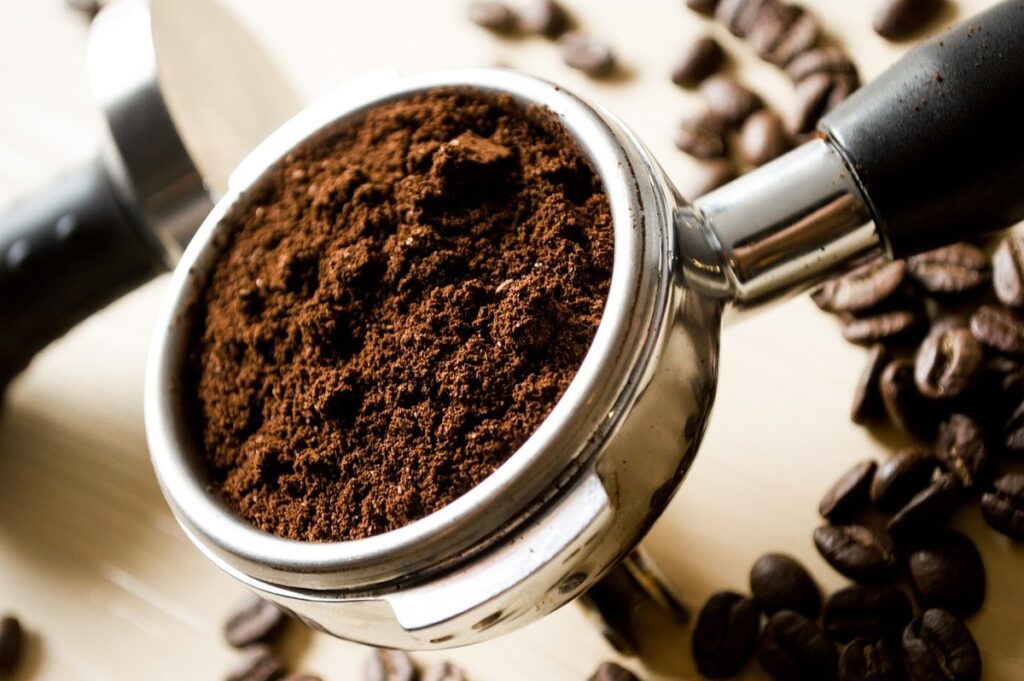
Benefits and Risks of Feeding Coffee Grounds to Chickens
As you consider adding coffee grounds to your chickens’ diet, it’s essential to weigh the benefits against the potential risks, which can be significant. Let’s examine these factors up close.
Nutritional Value of Coffee Grounds for Chickens
Coffee grounds can be a nutritious supplement for chickens when fed in moderation. One of the key benefits is their high caffeine content, which may have a stimulating effect on chickens’ metabolisms. However, it’s essential to note that excessive consumption can lead to negative side effects.
A more significant advantage lies in coffee grounds’ fiber and antioxidant content. Rich in soluble fiber, they can help support digestive health in chickens by promoting regular bowel movements and preventing constipation. The antioxidants present also contribute to overall well-being, protecting against oxidative stress and cell damage.
To incorporate coffee grounds into your flock’s diet, aim for a 1:10 ratio of coffee grounds to chicken feed. Start with small amounts (about 1 tablespoon per bird) and monitor their behavior before increasing the quantity. Be cautious not to overdo it, as excessive caffeine can still have adverse effects. Consider mixing the coffee grounds with other treats or supplements to create a balanced diet.
It’s also crucial to choose high-quality coffee grounds that are free of additives and chemicals. Freshly brewed coffee is an excellent option, as it retains more nutrients than stale or instant coffee. Always store the used grounds in a cool, dry place to preserve their nutritional value.
Caffeine Toxicity in Chickens
Caffeine toxicity is a significant concern when it comes to feeding coffee grounds to chickens. While coffee grounds can be a nutritious supplement for chickens, the high caffeine content poses a risk to their health and well-being. Chickens metabolize caffeine at a slower rate than humans, which means that even small amounts of coffee grounds can lead to toxic levels of caffeine in their system.
Symptoms of caffeine toxicity in chickens include rapid breathing, tremors, seizures, and heart arrhythmias. In severe cases, it can even be fatal. For example, a study found that consuming as little as 10-20 mg of caffeine per pound of body weight (about 1/4 cup of coffee grounds for a small chicken) can lead to toxic levels.
To avoid these risks, it’s essential to limit the amount of coffee grounds fed to your chickens and ensure they have access to plenty of fresh water. A general rule of thumb is to only provide coffee grounds in moderation, about 1-2 tablespoons per chicken per day. Monitor your flock closely for any signs of caffeine toxicity and consult with a veterinarian if you suspect poisoning.
Can Chickens Digest Coffee Grounds?
Let’s dive into whether your feathered friends can actually digest coffee grounds, and what to expect if you do decide to give them a boost of caffeine.
Chicken Digestive System and Coffee Grounds
Chickens’ digestive systems are designed to break down plant material into nutrients that their bodies can use. This process begins in the mouth with the action of teeth and beak, which grind food into smaller pieces. However, when it comes to coffee grounds, things get a bit more complicated.
As chickens eat coffee grounds, they’re introducing a new type of plant material into their system. Enzymes play a crucial role here, as they help break down complex compounds in the coffee grounds into simpler forms that can be absorbed by the body. The gut bacteria also contribute to this process, fermenting and processing the indigestible components of the coffee grounds.
The good news is that chickens have evolved to handle a wide range of plant material, including coffee grounds. But it’s essential to note that excessive consumption can lead to an imbalance in their digestive system, potentially causing issues like bloating or diarrhea. If you’re considering giving your flock access to coffee grounds, make sure to introduce them gradually and monitor their health closely.
In practical terms, this means starting with small amounts (about 1-2% of their total diet) and observing how they react. You can also add a mix of other treats, like fruits or vegetables, to balance out the potential impact of coffee grounds on their digestive system.
Potential Gastrointestinal Issues
Feeding coffee grounds to chickens can lead to potential gastrointestinal issues if not done properly. One of the main concerns is constipation. Chickens who eat a diet high in fiber from coffee grounds may experience hard, dry droppings that become lodged in their digestive system. This can cause discomfort and even lead to impaction, which requires immediate veterinary attention.
On the other hand, feeding too many coffee grounds to chickens can also cause diarrhea. The high levels of caffeine and acidity in coffee can irritate the chicken’s sensitive digestive system, leading to loose, watery droppings that may contain blood or mucus.
To avoid these issues, it’s essential to introduce coffee grounds gradually into your chickens’ diet. Start with small amounts (about 1-2% of their daily feed) and monitor their stool quality closely. If you notice any changes in bowel movements, reduce the amount of coffee grounds or discontinue use altogether.
Preparing and Serving Coffee Grounds to Chickens
If you’ve decided to offer your chickens a coffee treat, it’s essential to prepare and serve the grounds safely to ensure their health. Here’s how to do just that!
How to Prepare Coffee Grounds for Feeding
When preparing coffee grounds for feeding to your chickens, it’s essential to follow some basic guidelines to ensure their safety and health. The first step is to dry the coffee grounds completely, as wet grounds can attract pests and create an ideal environment for mold growth. You can do this by spreading the grounds out in a single layer on a baking sheet or tray and letting them air-dry for 24-48 hours.
Once the coffee grounds are dry, you can mix them with other foods to provide a balanced diet for your chickens. A good starting point is to add about 1/4 cup of dried coffee grounds per pound of feed. You can also mix them with other nutrient-rich ingredients like oats, sunflower seeds, or mealworms. For example, you could create a “coffee crunch” recipe by combining dried coffee grounds with rolled oats and chopped sunflower seeds.
Remember to store any leftover coffee ground mixture in an airtight container to keep it fresh and prevent contamination. By following these simple steps, you can provide your chickens with a nutritious and delicious treat while also reducing waste and repurposing spent coffee grounds from your household.
Tips for Introducing Coffee Grounds into Chicken Diets
When introducing coffee grounds into your chicken’s diet, it’s essential to do so gradually and in moderation. A sudden change can upset their digestive systems, leading to issues like diarrhea or even impaction. To avoid this, start by mixing a small amount of coffee grounds (about 1-2 teaspoons per pound of food) with their regular feed. Monitor your chickens’ behavior and stool quality closely.
Increase the amount gradually over several days, aiming for no more than 10% of their total diet to be made up of coffee grounds. This will allow them to adjust to the new ingredient without experiencing any adverse effects. Remember that some chickens may be more sensitive than others, so be prepared to adjust the ratio as needed.
Keep in mind that coffee grounds should not replace their regular feed entirely, but rather supplement it. Fresh vegetables and fruits should still make up a significant portion of their diet. By introducing coffee grounds gradually and in moderation, you can provide your chickens with a nutritious and unique treat while minimizing the risk of digestive upset.
Safety Precautions When Handling Coffee Grounds
When handling coffee grounds, it’s essential to take some crucial safety precautions to avoid any harm. Make sure you’re wearing gloves and working in a well-ventilated area first!
Coffee Grounds Contamination Risks
When handling coffee grounds for your chickens, it’s essential to be aware of potential contaminants that can harm them. Heavy metals like lead and cadmium can leach into the grounds from old pipes or soil, posing a significant risk to your flock.
Pesticides are another concern, as some coffee farms use chemicals to control pests and diseases. These residues can persist in the coffee beans and subsequently contaminate the grounds. For instance, studies have shown that Arabica coffee is more susceptible to pesticide contamination than Robusta coffee.
Mold is also a problem, particularly if you’re using wet or damp coffee grounds. Fungi like Aspergillus and Penicillium can grow rapidly in these conditions, producing mycotoxins that are toxic to chickens. To minimize the risk of contamination, it’s crucial to source your coffee grounds from reputable suppliers who adhere to organic or sustainable practices.
Regularly inspecting your coffee grounds for visible signs of mold or pests is also vital. If you notice any anomalies, discard the affected batch immediately and ensure proper ventilation when storing future supplies.
Safe Handling Practices for Chickens
When feeding coffee grounds to your chickens, it’s not just about providing them with a nutritious supplement, but also ensuring their safety. Proper handling practices are crucial when it comes to serving coffee grounds to your flock. Start by washing your hands thoroughly before and after handling the coffee grounds. This may seem like a no-brainer, but it’s essential in preventing the spread of diseases.
Next, wash any surfaces or equipment that come into contact with the coffee grounds. This includes feeding troughs, scoops, and even your hands if you’ve handled the coffee grounds. A mild detergent and warm water will do the trick. It’s also a good idea to store the coffee grounds in an airtight container to prevent moisture from accumulating.
When introducing coffee grounds to your chickens’ diet, do it gradually to avoid digestive upset. Start with small amounts and observe their behavior for any signs of discomfort. With proper handling practices in place, you can enjoy the benefits of feeding coffee grounds to your flock while keeping them safe and healthy.
Alternatives to Coffee Grounds in Chicken Diets
If you’re considering adding coffee grounds to your chicken’s diet, there are other options that can provide similar benefits without the potential risks. Let’s explore some alternatives together.
Other Treat Options for Chickens
If you’re concerned about the potential risks of coffee grounds in your chicken’s diet, there are plenty of other delicious and nutritious treat options to consider. Fresh fruits like apples, berries, and oranges make great additions to your flock’s diet, providing essential vitamins and minerals.
Leafy greens like kale, spinach, and collard greens are also excellent choices, rich in calcium and iron that promote strong bone growth and a healthy immune system. For a protein-rich treat, try offering cooked legumes like beans or lentils, which can be served plain or mixed with other ingredients.
You can also get creative by making homemade treats using your chickens’ favorite ingredients. Mix together oats, sunflower seeds, and dried herbs for a tasty and filling snack. Remember to introduce new foods gradually to prevent digestive upset, and always provide fresh water alongside these treats.
Some other fun options include mealworms or crickets as a high-protein treat, or even offering small amounts of whole grains like quinoa or brown rice. The possibilities are endless, so don’t be afraid to experiment and find the perfect fit for your flock’s tastes!
Commercial Supplements for Chickens
If you’re considering using coffee grounds as a supplement for your chickens’ diet, it’s worth exploring commercial alternatives specifically designed for chicken nutrition. These supplements can provide a more controlled and balanced mix of essential nutrients, vitamins, and minerals that your flock needs.
Some popular commercial supplements include oyster shell powder, mealworm meal, and probiotic powders. Oyster shell powder, for instance, is a great source of calcium, which is crucial for strong eggshell production. Mealworm meal provides protein and can be particularly beneficial for young or laying chickens. Probiotic powders support gut health, boosting your flock’s overall immunity.
When choosing commercial supplements, ensure you select products from reputable manufacturers that adhere to strict quality control standards. Always follow the recommended feeding guidelines and start with small amounts to prevent over-supplementation. By opting for these alternatives, you can provide your chickens with a nutritionally balanced diet without relying on homemade remedies like coffee grounds.
Conclusion: Can Chickens Eat Coffee Grounds?
So, you’ve learned all about the potential risks and benefits of feeding coffee grounds to your flock. Now, let’s wrap up what it really means for your chickens.
Summary of Findings
In summary, our exploration of whether chickens can eat coffee grounds has revealed some key takeaways. Coffee grounds are a rich source of nutrients for chickens, including fiber, protein, and various micronutrients like copper and potassium. However, their high caffeine content poses potential health risks if fed in excess. When safely incorporated into your flock’s diet, coffee grounds can provide a nutritious supplement.
It’s essential to note that the digestion process is relatively easy for chickens, who tend to break down and absorb nutrients from organic matter quickly. Nevertheless, moderation remains crucial due to the risk of overfeeding caffeine. Aim to include no more than 10% of your flock’s daily caloric intake from coffee grounds to avoid adverse effects.
To safely introduce coffee grounds into your flock’s diet, start with a small amount (about 1-2 cups per week) and observe for signs of distress or unusual behavior. Also, ensure the grounds are fresh and not moldy, as this can harbor pathogens detrimental to chicken health.
Final Thoughts on Chicken Nutrition
When considering incorporating treats like coffee grounds into your chickens’ diet, it’s essential to make informed decisions. Start by evaluating their overall nutritional needs and ensuring that their regular feed is well-balanced. Think of treats as supplements rather than staples.
Consider the frequency and quantity of treats you’re providing. Limiting them to 1-2% of their daily calorie intake can help maintain a balanced diet. You might offer coffee grounds as an occasional treat, say once or twice a week, but be mindful not to overdo it.
A general rule of thumb is to introduce new foods gradually and monitor your chickens’ behavior and health. If you notice any adverse reactions, discontinue the treats immediately. Always prioritize fresh water and a nutritious feed to keep your flock healthy and happy.
Frequently Asked Questions
Can I feed coffee grounds to my chickens if they have a sensitive stomach?
No, if your chickens have a history of digestive issues or sensitivities, it’s best to start with small amounts of finely ground coffee and monitor their behavior closely. Introduce them gradually, so you can gauge any adverse reactions.
How do I store used coffee grounds safely to prevent contamination?
Store used coffee grounds in an airtight container at room temperature to prevent mold growth. Keep the storage area clean and dry, and regularly check for signs of spoilage or pests. This will help maintain their nutritional value while minimizing potential risks.
Can I mix coffee grounds with other foods or supplements for my chickens?
When introducing new foods, it’s best to offer them separately from regular meals to monitor any adverse reactions. However, mixing small amounts of finely ground coffee with nutrient-rich foods like fruits or vegetables can provide a balanced treat. Consult your veterinarian before making significant changes.
What are some signs that my chickens have ingested too much caffeine?
Monitor your flock closely for symptoms such as rapid breathing, increased heart rate, restlessness, and diarrhea. If you notice any of these signs, immediately stop offering coffee grounds and ensure they have access to plenty of fresh water. Consult with a veterinarian if concerns persist.
Can I use instant coffee or espresso grounds instead of regular coffee grounds?
While it’s technically possible to feed instant coffee or espresso grounds to your chickens, their high concentration of caffeine may be too intense for safe consumption. Stick to moderate amounts of used coffee grounds from brewed coffee to minimize risks and ensure a balanced diet.