
Chickens are intelligent and curious creatures, and it’s no surprise that many of us wonder if we can share our own meals with them. One popular question is whether cooked broccoli is safe for chickens to eat. On one hand, broccoli is a nutritious superfood packed with vitamins and minerals that could be beneficial for your flock. But on the other hand, cooking broccoli can also change its nutritional profile and affect its digestibility. In this article, we’ll explore the benefits and risks of feeding cooked broccoli to chickens, including its nutritional value, potential impact on their digestive systems, and safety precautions to ensure a balanced diet for your feathered friends.
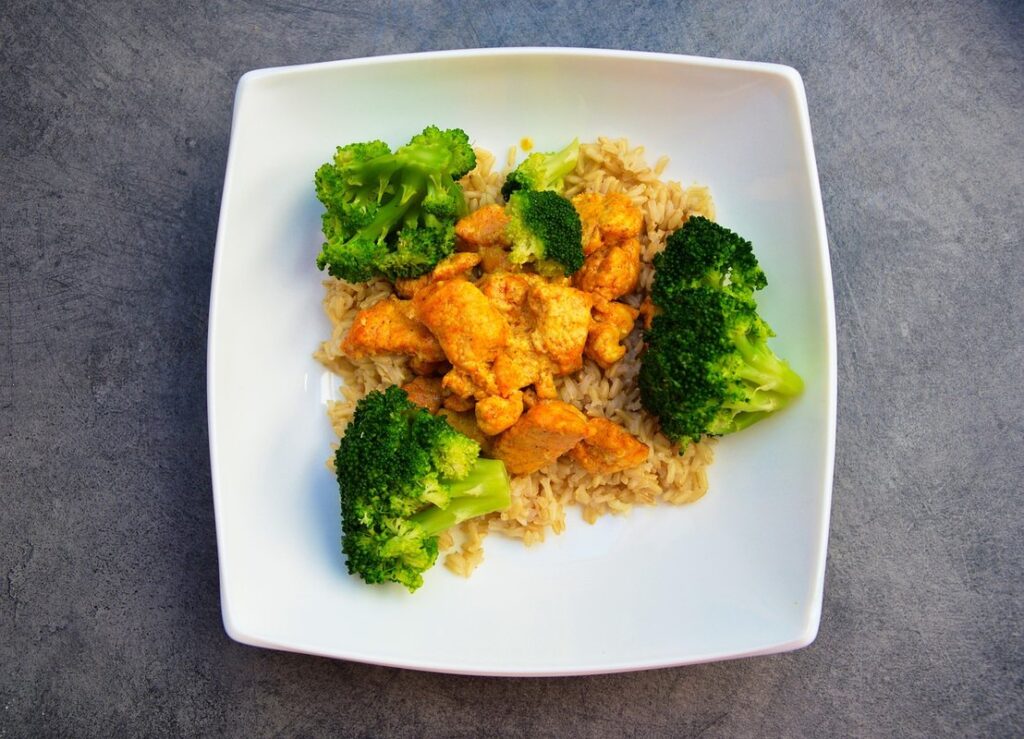
Benefits and Risks of Feeding Cooked Broccoli to Chickens
While cooked broccoli can provide essential nutrients for your chickens, it also comes with some potential drawbacks that you should be aware of as a responsible chicken owner. Let’s weigh these benefits and risks together.
Nutritional Value of Broccoli for Chickens
Broccoli is a nutrient-dense food that offers numerous health benefits to chickens when fed as part of their balanced diet. It’s rich in vitamins and minerals essential for fowl, including vitamin C, which helps boost the immune system, and calcium, which promotes strong eggshell production.
One cup of broccoli contains a substantial amount of fiber, approximately 5 grams, which can aid in digestion and prevent constipation in chickens. Moreover, broccoli is a good source of protein, containing all nine essential amino acids that are crucial for growth and maintenance of the chicken’s bodily functions.
When introducing cooked broccoli to your flock’s diet, be sure to provide it in moderation. A general rule of thumb is to offer 1-2 cups of cooked broccoli per pound of feed daily. Also, make sure to chop or puree the broccoli into smaller pieces to prevent any potential choking hazards.
Potential Health Risks Associated with Cooked Broccoli
While cooked broccoli can be a nutritious addition to a chicken’s diet, there are potential health risks to consider. Digestive issues are one possible concern. Chickens may experience gastrointestinal upset, such as diarrhea or vomiting, if they consume large amounts of cooked broccoli. This is because the cooking process breaks down some of the vegetable’s cell walls, releasing enzymes that can be difficult for chickens to digest.
Another risk associated with feeding cooked broccoli to chickens is vitamin imbalance. Cooked broccoli is high in vitamins C and K, which are essential nutrients for chickens. However, excessive consumption can lead to an overabundance of these vitamins in a chicken’s system. This can cause symptoms such as weak bones, poor feather growth, or even organ damage.
To minimize the risk of digestive issues and vitamin imbalance, it is recommended that you introduce cooked broccoli gradually into your chickens’ diet, starting with small amounts (about 1-2% of their daily feed). Also, ensure they have access to plenty of fresh water and a balanced layer feed. Always monitor your flock’s health closely after introducing new foods to their diet, and adjust accordingly.
Can Chickens Digest Cooked Broccoli?
If you’ve already cooked broccoli for your family dinner, can you safely share it with your backyard flock? We’ll explore whether chickens can digest cooked broccoli.
Chicken Digestive System and Nutrient Absorption
Chickens have a unique digestive system that’s designed to break down and extract nutrients from plant-based foods. The process begins in the beak, where food is torn into smaller pieces before being swallowed whole. Once ingested, food enters the crop, a specialized pouch that stores and softens food before it reaches the stomach.
The stomach, also known as the gizzard, is a muscular sac that grinds and crushes food using tiny stones and grits. This process breaks down complex carbohydrates, proteins, and fats into smaller molecules. The partially digested food then enters the small intestine, where most of the nutrient absorption occurs. Here, specialized enzymes and cells lining the intestinal walls help extract vitamins, minerals, and amino acids from the broken-down nutrients.
In a normal chicken’s digestive system, cooked broccoli would be broken down into its constituent parts – fiber, proteins, and vitamins – which are then absorbed and utilized by the body. However, as we’ll discuss later, cooking can affect nutrient availability in various ways. Understanding how chickens digest food helps us appreciate the intricacies of their nutritional needs and how to provide them with a balanced diet that includes cooked broccoli safely.
Cooking Effects on Broccoli Nutrition and Bioavailability
When you cook broccoli, it can have both positive and negative effects on its nutritional value. On one hand, cooking breaks down cell walls, making the nutrients more accessible to chickens. This is particularly true for complex carbohydrates like fiber, which can be broken down into simpler sugars during the cooking process. However, this increased bioavailability also means that some of these carbs are lost in cooking water.
On the other hand, cooking broccoli can lead to a loss of vitamin C. Water-soluble vitamins like vitamin C and B-vitamins are easily lost in cooking water, especially when broccoli is boiled for extended periods. This means that cooked broccoli may not be as rich in vitamin C as raw or steamed broccoli.
In terms of overall nutritional value, cooking broccoli tends to retain its high levels of folate, vitamin K, and minerals like potassium and manganese. However, the extent of nutrient retention can vary depending on cooking methods – for example, steaming is generally gentler than boiling.
Types of Broccoli Suitable for Chickens
When it comes to feeding cooked broccoli to your flock, you’ll want to choose a type that’s safe and healthy for them. Here are some popular varieties suitable for chickens to enjoy.
Raw vs. Cooked Broccoli: Which is Better?
When it comes to feeding broccoli to chickens, one of the primary concerns is whether raw or cooked broccoli is better for them. Both options have their pros and cons that you should consider.
Raw broccoli contains more vitamins and minerals than its cooked counterpart. The heat from cooking can break down some of these delicate nutrients, making raw broccoli a healthier option in this regard. However, raw broccoli may be harder for your chickens to digest due to the tough fibers and cell walls that make up the vegetable. This can lead to digestive issues such as gas, bloating, or even impaction if fed excessively.
On the other hand, cooked broccoli is easier for chickens to digest because the heat breaks down some of these tougher compounds. Additionally, cooking broccoli makes its nutrients more bioavailable, allowing your chickens to absorb them more effectively. However, overcooking can lead to a loss of water-soluble vitamins like vitamin C and B vitamins.
In practice, it’s best to offer both raw and cooked broccoli in moderation as part of a balanced diet for your chickens. You can steam or blanch the broccoli to make it easier to digest while preserving some nutrients.
Steamed vs. Boiled Broccoli: Nutritional Differences
When it comes to cooking broccoli for your chickens, the method you choose can significantly impact its nutritional value. Two popular methods are steaming and boiling, but which one is better for your feathered friends?
Steaming broccoli retains more of its water-soluble vitamins, such as vitamin C and B vitamins, than boiling. This is because these nutrients are sensitive to heat and water, making them vulnerable to loss during cooking. Steaming also helps preserve the delicate fibers in broccoli, which can be beneficial for chickens’ digestive health.
Boiling broccoli, on the other hand, results in a greater loss of vitamin C and B vitamins due to prolonged exposure to high heat and water. However, boiling is often more efficient at breaking down broccoli’s tough cell walls, releasing more fiber into the cooking liquid.
If you’re cooking broccoli for your chickens, steaming is generally a better option when it comes to preserving nutrients. However, if you prefer boiling or need to cook larger quantities, make sure to use minimal water and monitor the cooking time closely to minimize nutrient loss.
Cooking Methods for Feeding Broccoli to Chickens
Now that we’ve covered the basics of feeding broccoli to your flock, let’s dive into some creative ways to cook it to make a tasty treat for your chickens.
Safe Cooking Temperatures for Broccoli
When cooking broccoli for your chickens, it’s essential to reach safe temperatures to prevent nutrient loss and bacterial contamination. The recommended internal temperature for cooked broccoli is at least 165°F (74°C). This helps kill bacteria such as Salmonella and E. coli that can cause food poisoning in chickens.
To ensure you’re reaching the right temperature, use a meat thermometer to check the internal temperature of the broccoli. You can also use a fork to test the doneness – if it slides in easily, the broccoli is cooked through.
It’s worth noting that overcooking broccoli can lead to nutrient loss. Broccoli is rich in vitamins C and K, as well as fiber, which are essential for your chickens’ health. To preserve these nutrients, cook the broccoli until it’s tender but still crisp. You can do this by steaming or lightly boiling the broccoli for 3-5 minutes.
Remember to always prioritize food safety when cooking for your chickens, and be mindful of overcooking, which can compromise the quality of the broccoli.
Best Practices for Preparing Cooked Broccoli for Chickens
When preparing cooked broccoli for your flock, it’s essential to chop it into manageable pieces to prevent choking hazards. Cut the broccoli into small florets or shred it into thin strips, depending on the size of your chickens’ beaks and mouths. This will also make it easier for them to digest.
Consider serving cooked broccoli as a treat, mixed with their regular layer feed or scattered around their coop for free-choice feeding. You can also add a few pieces of chopped broccoli to their meal once a week as a nutritious supplement.
When chopping the cooked broccoli, be mindful of any added seasonings or spices that may not be safe for your chickens. Always prioritize using plain, unseasoned vegetables whenever possible. Store leftover cooked broccoli in an airtight container and keep it refrigerated until you’re ready to serve it to your flock.
Safety Precautions When Feeding Cooked Broccoli
When handling and serving cooked broccoli to your flock, it’s crucial to take a few extra precautions to ensure their safety. Follow these steps to minimize risks when introducing this nutritious treat to your chickens’ diet.
Preventing Bacterial Contamination in Cooking Process
When cooking broccoli for your chickens, preventing bacterial contamination is crucial to ensure their health and safety. Bacterial contaminants like Salmonella and E. coli can thrive in food that’s not handled properly, putting your flock at risk.
To prevent bacterial contamination, it’s essential to maintain clean practices throughout the cooking process. Start by washing your hands thoroughly before handling any ingredients or cooked broccoli. Then, make sure to clean and sanitize all utensils, pots, and pans with soap and hot water after each use. You can also sanitize them by soaking them in a solution of 1 part white vinegar to 9 parts water for at least 10 minutes.
When cooking the broccoli, steam it instead of boiling it to reduce the risk of bacterial contamination. Steam retains more nutrients than boiling and helps preserve the delicate texture of the vegetables. After steaming, let the cooked broccoli cool completely before feeding it to your chickens. Cooling reduces the risk of bacterial growth and makes the food safer for consumption.
Always store leftover cooked broccoli in a sealed container and refrigerate or freeze it promptly to prevent cross-contamination. When reheating, make sure the food reaches an internal temperature of 165°F (74°C) to kill any bacteria that may have developed during storage. By following these simple steps, you can minimize the risk of bacterial contamination when cooking broccoli for your chickens.
Proper Storage and Handling of Cooked Broccoli
Proper storage and handling of cooked broccoli is crucial to maintain its nutritional value, which is essential for feeding it to your chickens. Cooked broccoli can quickly lose its nutrients if not stored properly. Firstly, ensure the cooked broccoli cools down to room temperature within an hour of cooking to prevent bacterial growth. Next, store it in airtight containers to keep air, moisture, and pests out. It’s also vital to label the container with the date it was prepared so you can easily track how long it has been stored.
For optimal storage, place the airtight container in the refrigerator at 40°F (4°C) or below. Frozen broccoli is another option, but make sure to use airtight containers or freezer bags to prevent freezer burn and nutrient loss. When reheating cooked broccoli for your chickens, ensure it reaches an internal temperature of 165°F (74°C) to prevent foodborne illness.
When handling cooked broccoli, wash your hands thoroughly before and after contact with the food to avoid transferring bacteria to other areas. Always store cooked broccoli in a clean environment to maintain its quality and nutritional value.
Conclusion: Balancing Nutrition and Safety When Feeding Cooked Broccoli
Now that we’ve explored whether cooked broccoli is safe for your flock, let’s talk about how to balance its nutritional benefits with potential risks.
Final Thoughts on Cooking and Serving Broccoli to Chickens
As we conclude our exploration of whether chickens can eat cooked broccoli, it’s essential to remember that balance is key. On one hand, cooked broccoli offers a wealth of nutritional benefits for your flock. Packed with vitamins A and K, as well as fiber and antioxidants, it’s an excellent way to support their overall health.
However, we must also consider the risks associated with feeding cooked broccoli. Overconsumption can lead to digestive issues and potentially even toxicity if not prepared correctly. It’s crucial to strike a balance between providing your chickens with this nutritious treat and ensuring their safety.
To put this into practice, start by incorporating small amounts of cooked broccoli into their diet. Monitor their behavior and watch for any signs of discomfort or illness. If you do decide to feed them cooked broccoli, be sure to cook it thoroughly and in moderation. By doing so, you can reap the rewards of this nutritious treat while minimizing potential risks.
Ultimately, a balanced approach is the key to successfully incorporating cooked broccoli into your chickens’ diet.
Tips for a Balanced Chicken Diet That Includes Broccoli
When incorporating cooked broccoli into your chicken’s diet, it’s crucial to strike a balance between providing essential nutrients and avoiding potential health risks. To do this effectively, follow these guidelines:
Firstly, ensure that cooked broccoli is no more than 10% of the total diet, as excessive consumption can lead to nutrient imbalances. A good rule of thumb is to limit the serving size to about one cup per chicken per day.
It’s also essential to choose the right type of broccoli for your flock. Steamed or roasted broccoli is generally safer and more digestible than raw broccoli. Avoid adding any seasonings, oils, or spices, as these can be toxic to chickens.
If you’re concerned about providing a balanced diet, consider consulting with a veterinarian or poultry expert to develop a customized feeding plan. This will help ensure that your flock receives all the necessary nutrients while minimizing potential risks associated with cooked broccoli consumption.
Frequently Asked Questions
Can I give cooked broccoli to chicks under 6 weeks old?
While it’s essential to maintain a balanced diet for young chicks, their digestive systems are still developing, making them more susceptible to food sensitivities and allergies. To minimize risks, wait until they’re at least 6-8 weeks old before introducing cooked broccoli into their diet. However, always monitor their health closely for any signs of adverse reactions.
What if I accidentally overcook the broccoli? Can it still be fed to my chickens?
Yes, slightly overcooked broccoli is unlikely to cause significant harm to your flock. However, ensure that the overcooking doesn’t lead to nutrient loss or make the food unpalatable to your chickens. It’s crucial to strike a balance between providing essential nutrients and avoiding spoilage.
How do I know if my chickens have developed an intolerance to cooked broccoli?
Keep a close eye on your flock’s behavior, droppings, and overall health after introducing cooked broccoli into their diet. If you notice increased droppings, lethargy, or other signs of discomfort, consult with a veterinarian for guidance on how to adjust their diet accordingly.
Can I feed raw broccoli to my chickens instead of cooked?
Yes, you can offer both cooked and raw broccoli to your flock. In fact, incorporating a mix of both into their diet may provide the most benefits due to varying nutrient bioavailability in each form. However, always balance the intake with other essential foods to avoid nutritional imbalances.
How do I store leftover cooked broccoli safely for my chickens?
To prevent bacterial contamination and ensure food safety, refrigerate or freeze the cooked broccoli immediately after cooling it down. Always label and date leftovers properly, and discard any spoiled or moldy broccoli to maintain a clean and healthy feeding environment for your flock.