
When it comes to treats for your backyard chickens, you might be wondering if corn on the cob is a healthy option. After all, we love corn as humans – and our feathered friends do too! But before you start serving up kernels to your flock, it’s essential to know the risks and benefits of feeding them corn on the cob. Some experts warn that giving chickens corn can lead to nutritional imbalances, while others claim it’s a nutritious treat in moderation. In this article, we’ll dive into the world of chicken nutrition and explore whether corn on the cob is a safe and healthy snack for your chickens. We’ll cover the potential risks, discuss its nutritional value, and provide tips on how to prepare it safely for your flock.
Introduction to Feeding Chickens Corn
When it comes to introducing corn into your chicken’s diet, understanding what type of corn is safe and beneficial for them is essential. Let’s explore how chickens can be fed corn on the cob safely and effectively.
Benefits of Offering Corn as a Treat
Corn has become a staple treat among chicken keepers, and for good reason. Not only is it a tasty reward for our feathered friends, but it also provides numerous benefits that make it an excellent occasional indulgence. For one, corn is a great motivator – chickens go crazy for the sweet, nutty flavor of fresh corn on the cob.
As a treat, corn can be used to encourage good behavior such as going into their coop at night or coming when called. You can also use it to reward them for completing tasks like laying eggs in their nesting box or helping with household chores by scratching up bugs and weeds. When introducing corn as a treat, start with small amounts (about 1/4 cup per chicken) and gradually increase the amount based on your flock’s preferences.
Incorporating corn into your chicken-keeping routine can also promote socialization and bonding between you and your birds. By sharing corn with them, you’ll strengthen their trust and create a positive association with you – making handling, vet visits, or other interactions less stressful for both parties.
Safety Precautions When Introducing New Foods
When introducing corn on the cob to your chickens, it’s essential to do so gradually and in moderation. A sudden change in their diet can lead to digestive upset, which may result in diarrhea, lethargy, or even vomiting. To avoid this, start by offering a small amount of plain corn kernels or cooked corn as a treat, mixed with their regular feed.
As you introduce new foods, keep an eye out for signs of food allergy or intolerance. Look for unusual behavior such as excessive pecking at the affected area, feather loss, or changes in droppings. Monitor your chickens’ overall health and adjust their diet accordingly.
To ensure a smooth transition, follow these steps:
* Start with small amounts (about 1-2% of their daily feed) and gradually increase the quantity over several days.
* Observe your chickens for any adverse reactions and adjust the amount or frequency as needed.
* Keep an eye out for signs of food allergy or intolerance, and consult a veterinarian if you notice any unusual behavior.
By introducing corn on the cob slowly and monitoring your chickens’ response, you can minimize the risk of digestive issues and ensure a healthy, happy flock.
Can Chickens Eat Corn on the Cob Safely?
Now that we’ve covered the basics, let’s dive into whether chickens can safely enjoy corn on the cob as a treat or even make it a regular part of their diet.
Risks Associated with Feeding Corn on the Cob
Feeding corn on the cob to chickens can be done safely if you’re aware of the potential risks involved. One of the primary concerns is choking hazards. When cut into small pieces, whole kernels are difficult for chickens to swallow, and they may get stuck in their throats or digestive tract. To avoid this risk, it’s essential to remove any large chunks of corn and cut them into smaller bits.
Another risk associated with feeding corn on the cob is digestive issues. Chickens have a different digestive system than humans, and consuming large amounts of corn can lead to an imbalance in their gut bacteria. This can cause diarrhea, constipation, or even blockages in some cases.
It’s also crucial to note that overfeeding corn on the cob can lead to nutrient imbalances in your flock. Corn is high in carbohydrates but low in essential nutrients like protein and fiber. A diet consisting mainly of corn on the cob can result in deficiencies in these critical areas, negatively impacting your chickens’ overall health and well-being.
To feed corn on the cob safely, make sure to introduce it gradually and in moderation as part of a balanced diet that includes other nutrient-rich foods.
Methods for Minimizing Risks
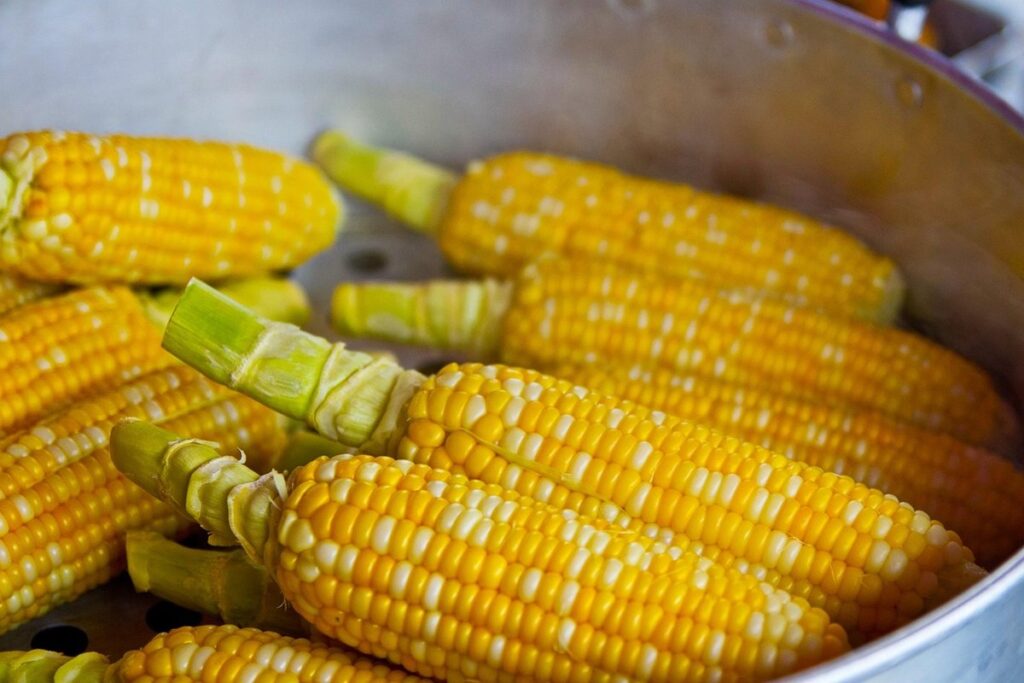
When offering corn on the cob to your chickens, it’s essential to take steps that minimize risks and ensure their safety. One method is to steam the corn, which makes it more digestible for them. To do this, place the corn cobs in a steamer basket over boiling water, cover with a lid, and let it cook for 5-7 minutes or until tender.
Alternatively, you can boil the corn cobs in water for about 10-15 minutes, then let them cool down before serving to your chickens. This method also helps reduce the risk of choking by softening the kernels. Always cut the corn into smaller pieces or bite-sized chunks to prevent any potential hazards. When introducing boiled or steamed corn on the cob, start with small amounts and monitor their behavior to ensure they’re comfortable eating it.
To make this process even safer, you can also remove the husks and silk from the corn before cooking it, as these can be a choking hazard if ingested. By following these simple steps, you can provide your chickens with a tasty and nutritious treat while minimizing the risks associated with feeding them corn on the cob.
Nutritional Value of Corn for Chickens
Corn is a nutritious and easily digestible food source for chickens, providing essential vitamins, minerals, and energy. Let’s dive into its specific benefits for your feathered friends’ health.
Overview of Corn’s Nutrient Content
When it comes to corn’s nutrient content, it’s essential to understand its role as a treat for chickens. On average, one ear of corn on the cob contains about 1.2 grams of protein, which is relatively low compared to other grains like oats or barley. However, corn is high in carbohydrates, with approximately 25-30% of its dry matter composed of starch.
In terms of micronutrients, corn is a good source of thiamin (vitamin B1), niacin, and folate, all of which are essential for chicken health. Corn also contains various minerals like phosphorus, magnesium, and potassium. However, it’s lacking in other crucial nutrients, such as vitamin E and certain amino acids.
To use corn on the cob as a treat for your flock, it’s recommended to provide it in moderation (about 10% of their daily diet) and balance it with other nutrient-rich foods. This way, you can take advantage of its benefits while avoiding any potential deficiencies that might arise from relying solely on corn as a nutritional source.
How to Balance Corn in Your Chicken’s Diet
When incorporating corn into your flock’s diet, it’s essential to maintain a balance that meets their individual nutritional needs. A general rule of thumb is to limit corn intake to 10-20% of their total diet. For example, if you’re feeding your chickens 2 pounds of feed per day, allocate only 0.2-0.4 pounds for corn.
To achieve this balance, consider the following:
* Monitor your flock’s weight and adjust corn portions accordingly.
* Combine corn with other nutrient-dense foods like fruits, vegetables, and leafy greens to create a well-rounded diet.
* Avoid over-reliance on corn, as it can lead to nutritional deficiencies in essential vitamins and minerals.
Keep an eye out for signs of corn overload, such as weight gain, lethargy, or changes in droppings. If you notice any of these symptoms, reassess your flock’s diet and adjust the corn portion accordingly. A balanced diet that includes corn should also include a varied mix of other nutrients to support overall health and well-being.
Can Chickens Digest Corn on the Cob?
If you’re wondering whether chickens can safely enjoy corn on the cob, let’s explore their ability to digest it in this crucial section. We’ll break down the details for you.
Anatomy and Physiology of Chicken Digestion
When it comes to digesting corn on the cob, understanding how chickens process different types of food is crucial. Chickens are omnivores and have a unique digestive system designed for breaking down plant-based foods like grains.
Their beaks and tongues help to tear and shred food into smaller pieces before swallowing. Once in their crop, a specialized pouch that stores food for later digestion, the corn on the cob will begin to break down through mechanical grinding and enzymatic action.
In the chicken’s stomach, hydrochloric acid and enzymes further break down proteins and carbohydrates, including those found in corn. The remaining undigested material then passes into the small intestine, where nutrients are absorbed into the bloodstream for use by the bird’s body.
However, it’s essential to note that chickens have a relatively short digestive tract compared to other birds, which can lead to potential issues with processing large amounts of indigestible materials like corn husks. It’s crucial to provide your chickens with balanced and nutrient-rich feed, while also offering some vegetables or fruits as treats in moderation. This will help support their overall health and prevent any potential complications related to eating corn on the cob.
Impact of Cooking Methods on Digestibility
When it comes to serving corn on the cob to your feathered friends, the cooking method can significantly impact its digestibility and nutritional value. Let’s break down the effects of raw, boiled, and steamed cooking methods on corn for chickens.
Raw corn is essentially indigestible for chickens, as they lack the enzymes to break down cellulose in plant cell walls. So, if you’re planning to give your flock a snack of raw corn on the cob, it’s likely going straight through them without being properly digested. Boiled or steamed corn, on the other hand, can be easier for chickens to digest. The heat breaks down some of the complex carbohydrates, making it more accessible to their digestive enzymes.
However, it’s essential to note that overcooking can have negative effects. Excessive heat can destroy some of the nutrients in corn, such as vitamin C and B vitamins. So, if you do choose to cook your corn on the cob for your chickens, aim for a light steaming or boiling method to preserve as many nutrients as possible.
When preparing corn on the cob for your flock, consider using short cooking times (around 5-7 minutes) to retain as much nutrition as you can. Also, ensure that the corn is cooled before serving it to your chickens to prevent burns and discomfort.
Preparing Corn on the Cob for Chickens
Before serving corn on the cob to your chickens, it’s essential to prepare it safely and easily digestible, which involves some simple steps. We’ll walk you through how to do that here.
Tips for Selecting and Washing Corn
When selecting corn for your flock, it’s essential to choose ears that are fresh and free of diseases. Look for ears with tightly closed husks and no signs of mold or mildew. Avoid ears with visible cracks or splits, as these can be entry points for bacteria and other pathogens.
Washing the corn is also crucial to minimize bacterial contamination risks. Before washing, remove any loose debris from the ears. Then, submerge the corn in a bucket of cold water and gently scrub each ear with your hands or a soft-bristled brush to dislodge any remaining dirt or debris. Rinse thoroughly under running water, making sure to clean all surfaces, including the tips of the kernels.
Some common bacteria that can contaminate corn include E. coli, Salmonella, and Listeria. By selecting fresh, disease-free corn and washing it properly, you can reduce the risk of bacterial contamination and keep your flock safe and healthy. Regularly inspecting your corn supply and following proper storage and handling procedures are also important for maintaining a clean and hygienic environment for your birds.
Methods for Serving Corn on the Cob
When serving corn on the cob to your flock, presentation style can play a significant role in encouraging consumption. You can try cutting the kernels off the cob and mixing them with other grains, such as oats or barley, for a nutritious treat. Alternatively, you can leave the kernels intact and serve them on the cob, which can be more enjoyable for chickens.
For larger flocks, consider investing in a corn feeder that can hold multiple ears of corn at once. This will save time and effort during feeding, allowing you to focus on other aspects of chicken care. You can also use a simple method like placing a few ears on the ground or on a tray for easy access.
Some chickens may prefer eating corn from a specific height or angle, so be prepared to experiment with different presentation styles until you find what works best for your flock.
Special Considerations for Different Chicken Breeds
Some chicken breeds are more prone to health issues if they eat corn on the cob, and knowing which ones is crucial to keeping your flock safe. Let’s explore some special considerations for different chicken breeds.
Breed-Specific Dietary Needs
When it comes to feeding corn on the cob to your flock, breed-specific dietary needs come into play. Some chicken breeds are naturally more efficient at digesting certain foods due to their unique characteristics. For example, larger breeds like Orpingtons and Plymouth Rock may be better suited for corn on the cob due to their robust digestive system. These birds can handle the high fiber content of corn with ease.
On the other hand, smaller breeds like Bantams or Silkies may struggle with digestion. Their smaller digestive systems are more sensitive and may not be able to break down the tough fibers in corn efficiently. Similarly, breeds with specific health conditions, such as gizzard problems, should avoid consuming corn on the cob altogether.
To determine whether your chicken breed can safely eat corn on the cob, observe their eating habits and note any adverse reactions. If your birds seem to enjoy it without showing signs of distress, you’re probably good to go! However, if they exhibit diarrhea, vomiting, or lethargy after consuming corn, it’s best to err on the side of caution and limit or eliminate this food from their diet altogether.
Feeding Corn to Chickens with Health Issues
When feeding corn on the cob to chickens with health issues, it’s essential to exercise caution and consider their specific needs. Chickens with gastrointestinal problems, such as inflammatory bowel disease (IBD) or coccidiosis, may have difficulty digesting corn. In these cases, feeding them whole corn kernels can exacerbate the issue.
However, if your chicken has a condition that affects nutrient absorption, like vitamin D deficiency, you may still be able to feed corn on the cob in moderation. For example, you could try removing the cob and only offering the soft, pulpy flesh. This approach allows your chicken to access the nutrients while minimizing the risk of digestive upset.
Before making any changes to your flock’s diet, consult with a veterinarian to determine the best course of action for your individual birds. It’s also crucial to introduce corn gradually, starting with small amounts and monitoring their response. Always prioritize your chickens’ health and well-being when experimenting with new foods or supplements.
Frequently Asked Questions
Can I feed my chickens corn on the cob every day, or is it still a treat?
Feeding your chickens corn on the cob daily can lead to nutritional imbalances, so it’s best to stick with moderation. Limit corn treats to 1-2% of their total diet and provide other nutrient-rich foods as the main staple.
How do I know if my chicken breed has specific dietary needs related to eating corn?
Different breeds have varying sensitivities and requirements when it comes to consuming corn. Research your specific breed’s needs or consult with a veterinarian to ensure you’re providing the best nutrition for your flock.
What are some signs that my chickens might be experiencing negative effects from eating too much corn?
Watch for changes in their droppings, appetite, or energy levels. If you notice any adverse reactions, consider reducing or eliminating corn from their diet and consulting with a veterinarian for guidance on balancing their nutrient intake.
Can I cook or boil the corn before serving it to my chickens, or should it be raw?
Cooking methods can affect digestibility, so stick to lightly steaming or boiling corn to make it easier for your chickens to process. Raw corn is also safe in moderation, but be sure to remove any hard outer husks and silks.
How do I store leftover corn on the cob safely to avoid attracting pests?
Keep leftover corn sealed in an airtight container and store it in a clean, dry area away from direct sunlight. Regularly check on stored food for signs of spoilage or pest infestation, discarding any contaminated items promptly.