
If you’re considering adding some fresh greens to your chicken’s diet, you might be wondering if they can safely eat cucumber skins. As it turns out, cucumbers and their peels are a nutritious addition to a balanced flock feed, providing essential vitamins and minerals. However, there are also potential risks to consider, such as digestive issues or nutrient imbalances. In this article, we’ll explore the benefits and risks of feeding your chickens cucumber skins, including preparation methods to ensure safe consumption. We’ll also cover how to incorporate cucumbers into their diet in a way that complements their regular feed. By the end of this post, you’ll have a clear understanding of whether or not it’s okay to give your flock cucumber treats and how to do it right.
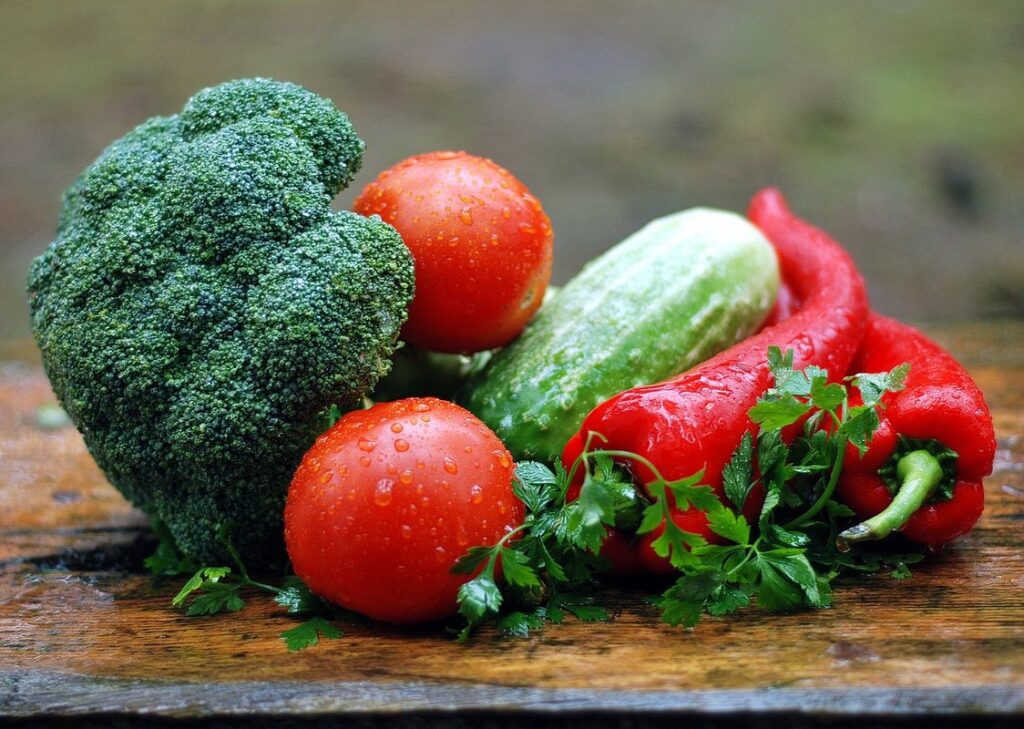
Benefits of Feeding Cucumbers to Chickens
Feeding cucumbers to chickens can provide a range of health benefits, from aiding digestion to reducing stress levels in your flock. Let’s explore these advantages further!
Nutritional Value of Cucumbers for Chickens
When it comes to feeding cucumbers to chickens, one of the most significant benefits lies in their nutritional value. Cucumbers are an excellent source of hydration for our feathered friends, boasting a whopping 96% water content. This makes them an ideal snack for hot summer days when your flock needs an extra boost of moisture.
Beyond their high water content, cucumbers are also surprisingly low in calories, making them a guilt-free treat for chickens. According to the United States Department of Agriculture (USDA), a single cucumber contains only 16 calories, which is negligible compared to other treats you might offer your flock.
Furthermore, cucumbers are rich in essential vitamins and minerals that can benefit chicken health. They’re a good source of vitamin K, potassium, and manganese – all of which play crucial roles in maintaining strong bones, regulating electrolytes, and supporting overall immune function.
Incorporating cucumber into your flock’s diet is easy: simply slice or chop the skin (yes, we’ll cover that topic later!) and serve as a refreshing snack.
Digestive Health and Fiber Content in Cucumbers
When it comes to maintaining healthy digestive habits, providing fiber-rich foods is essential for chickens. Cucumber skins are an excellent source of dietary fiber, which can play a significant role in supporting the chicken’s gut health.
Eating cucumber skins can help prevent issues like constipation and egg binding, common problems that arise when hens struggle with passing stools or eggs. A high-fiber diet encourages regular bowel movements and reduces the risk of digestive blockages.
As a responsible backyard chicken keeper, you want to ensure your flock is getting enough fiber from their food. Including cucumber skins in their diet can be an easy way to boost their fiber intake. Simply chop up some fresh cucumber, remove any seeds or pulp, and add it to their feed as a treat. Start with small amounts and monitor their digestive health before increasing the quantity.
A well-balanced diet with adequate fiber content can also lead to healthier egg production, better overall health, and a reduced risk of chronic diseases in your flock.
Can Chickens Eat Raw Cucumber Skins?
If you’re wondering if your feathered friends can safely munch on raw cucumber skins, we’ve got some good news and bad news for you. Let’s dive into the details.
Safety of Feeding Raw Vegetable Skins to Chickens
When it comes to feeding raw vegetable skins to chickens, there’s a delicate balance between providing essential fiber and potentially exposing them to harmful pathogens. Raw vegetable skins, including those from cucumbers, contain high levels of fiber, which can be beneficial for chicken digestion. However, they may also harbor bacteria, fungi, or parasites that can cause serious health issues in your flock.
For instance, E. coli and Salmonella are common bacterial contaminants found on the skin of cucumbers and other vegetables. These pathogens can survive even after cooking or washing, posing a risk to chickens if ingested. Furthermore, fungal infections like aspergillosis can also occur when birds eat moldy or rotting vegetable skins.
To minimize risks, it’s crucial to take precautions before feeding raw vegetable skins to your chickens. Ensure that the skins are clean and free of visible debris, and avoid giving them to stressed or immunocompromised birds. If you’re unsure about the safety of a particular skin, err on the side of caution and choose alternative treats. Regularly monitoring your flock’s health and adjusting their diet accordingly will help prevent potential problems.
Risks and Precautions When Feeding Raw Cucumber Skins
When feeding raw cucumber skins to your flock, it’s essential to be aware of the potential risks involved. If not prepared properly, raw cucumber skins can cause gastrointestinal issues in chickens. This is because cucumbers contain a compound called cucurbitacins, which can be toxic to birds if ingested in large amounts.
Ingesting too much cucurbitacin can lead to symptoms such as vomiting, diarrhea, and abdominal pain in your chickens. In severe cases, it may even cause liver or kidney damage. To avoid these complications, make sure to chop the cucumber skins into small pieces before feeding them to your birds. This will help reduce the risk of gastrointestinal upset.
It’s also crucial to note that some chickens may be more sensitive to cucurbitacins than others. If you notice any unusual behavior or symptoms in your flock after introducing raw cucumber skins, remove them immediately and consult with a veterinarian for advice. By taking these precautions, you can enjoy feeding this nutritious treat to your chickens while minimizing the risk of adverse effects.
How to Prepare Cucumber Skins for Chickens
To safely feed your chickens cucumber skins, you’ll first need to properly clean and prepare them. This involves carefully washing and drying the skin to remove any dirt or bacteria.
Steaming, Boiling, or Cooking Cucumber Skins for Safety
When it comes to cooking cucumber skins for your chickens, there are several methods you can use to reduce bacterial loads and make them safe for consumption. Steaming is a great option as it helps to kill off bacteria without losing the nutrients found in the skin. To steam cucumber skins, simply place them in a steamer basket over boiling water and cook for 5-7 minutes. You can also boil the skins in water for 10-15 minutes or sauté them in a pan with some oil until they’re soft.
It’s essential to note that cooking alone may not completely eliminate bacteria, so it’s crucial to handle the cucumber skins safely before and after preparation. Always wash your hands thoroughly before handling the skins, and ensure they are clean and free of any contaminants. You can also add other ingredients like garlic or herbs to the cooked skins for added flavor and nutrition.
Remember, when cooking cucumber skins, you want to aim for a temperature of at least 165°F (74°C) to kill off bacteria effectively. This will help ensure your chickens stay healthy and happy while enjoying their tasty treats!
Best Methods for Preparing Cucumber Skins
When it comes to preparing cucumber skins for your feathered friends, there are several methods you can try to make them more palatable and easily digestible. One of the best ways is to chop the cucumber skins into small pieces before adding them to their meal. This will help break down the fibers and make the nutrients more accessible to your chickens.
Alternatively, you can dice the cucumber skins into even smaller bits or puree them in a blender or food processor to create a fine paste. The latter method is particularly useful if you want to mix the cucumber skins with other ingredients to create a nutrient-rich treat for your chickens.
Remember, when chopping or dicing the cucumber skins, be sure to remove any seeds or stringy bits that can cause digestive issues in your birds. By taking these simple steps, you can help ensure that your chickens get the most out of this nutritious food source while minimizing potential health risks.
Can Chickens Eat Dried Cucumber Skins?
If you’ve been wondering whether chickens can enjoy dried cucumber skins as a healthy snack, we’ve got some good news for you. Let’s explore this tasty treat together!
Benefits of Dehydrating Vegetable Skins
Dehydrating vegetable skins like cucumber can concentrate their nutritional value and make them easier for chickens to eat. This process is especially beneficial when it comes to the skins of cucumbers, which are often rich in fiber and antioxidants. By drying out these skins, you’re creating a snack that’s not only nutrient-dense but also more easily digestible for your flock.
When dehydrated, cucumber skins become a crunchy and tasty treat for chickens. They can be rehydrated by soaking them in water or added directly to their feed. This concentrated form of nutrition is perfect for supplementing their diet, especially during times when fresh produce may be scarce. Some benefits of feeding dried cucumber skins include:
• Increased fiber intake: A single serving of dehydrated cucumber skin contains a significant amount of dietary fiber, which supports healthy digestion and bowel movements.
• Boosted antioxidant levels: Dehydrating the skins helps to preserve their natural antioxidants, including vitamin C and beta-carotene, which protect against cell damage and promote overall health.
By incorporating dried cucumber skins into your chickens’ diet, you’re providing them with a nutritious snack that’s rich in fiber and antioxidants.
Safety Considerations When Feeding Dried Cucumber Skins
When feeding dried cucumber skins to your chickens, it’s essential to ensure they don’t pose a choking hazard. Dried food can easily become lodged in a chicken’s throat, causing serious harm if not addressed promptly. To minimize this risk, crush or chop the dried cucumber skins into small pieces before offering them to your flock.
Another crucial consideration is digestive upset. While cucumbers are generally safe for chickens to eat, drying the skin may concentrate its natural sugars and other compounds, potentially irritating their sensitive digestive systems. Start by introducing a small amount of dried cucumber skins to their diet to monitor their response. Watch for signs of discomfort such as diarrhea, lethargy, or loss of appetite.
If you notice any adverse reactions, remove the dried cucumber skins immediately and consult with your veterinarian for guidance. On the other hand, if your chickens tolerate them well, consider incorporating dried cucumber skins as a nutritious treat in moderation. This will not only provide essential fiber but also add variety to their diet.
Providing Cucumber Skins as Treats vs. Main Course
When considering cucumbers as a snack for your flock, it’s essential to weigh the pros and cons of using them as treats versus making them a main staple in their diet.
Using Cucumber Skins as an Occasional Treat
Offering cucumber skins as an occasional treat can be a great way to add variety and enrichment to your chickens’ diet. Not only do they provide a nutritious boost, but they also stimulate the birds’ natural foraging behavior. To incorporate cucumber skins into your flock’s treats, start by offering them in moderation – about 1-2 slices per chicken per week. You can mix them with other fruits and vegetables to create a fun and engaging treat.
To make the most of this treat, consider using cucumber skins that are organic and free from pesticides. You can also experiment with different methods of preparation, such as grating or chopping the skin before offering it to your chickens. This will not only add flavor but also help to prevent any potential choking hazards.
When introducing cucumber skins to your flock, be sure to monitor their behavior and adjust accordingly. Some birds may take a while to warm up to this new treat, so patience is key. By making cucumber skins a part of your flock’s occasional treats, you can provide them with the mental and physical stimulation they need to thrive.
Incorporating Cucumber Skins into a Balanced Diet
While cucumber skins can be a nutritious and tasty treat for chickens, it’s essential to remember that they should not replace their regular high-quality commercial feed. A balanced diet is crucial for maintaining the overall health and well-being of your flock.
Think of cucumber skins as an occasional snack or supplement, but not as a replacement for their main source of nutrition. For example, if you’re considering feeding cucumber skins daily, start by mixing them with their regular feed to avoid overfeeding. A good rule of thumb is to limit the proportion of treats to 10% of their total diet.
Incorporating cucumber skins into your chickens’ diet can be done in various ways. Try adding a small amount to their nesting boxes or scattering them on the ground for them to peck at. This not only provides a fun and interactive experience but also encourages exercise and mental stimulation.
Potential Allergies or Intolerances
Before feeding your chickens cucumber skins, it’s essential to consider potential allergies or intolerances that could cause digestive issues in your flock. Let’s take a closer look at these concerns together.
Recognizing Signs of Food Allergy or Intolerance in Chickens
When feeding cucumber skins to your chickens, it’s crucial to monitor their behavior and physical responses for signs of food allergy or intolerance. This is especially true if they’re new to consuming cucumbers or have never eaten the skin before.
Changes in droppings are one common indicator that a chicken may be experiencing adverse reactions. Look out for unusual color, consistency, or frequency. If you notice your chickens producing soft, watery, or bloody stools after eating cucumber skins, it could be a sign of an intolerance or allergy.
Another red flag is a decrease in appetite. Chickens with food sensitivities may show less interest in their usual feed or water after consuming cucumbers skins. This is especially concerning if they’re already underweight or experiencing digestive issues.
Lastly, changes in egg production can also signal that your chickens are not tolerating cucumber skin consumption well. A sudden drop-off in egg-laying or an increase in irregular egg shapes and sizes may be related to the introduction of this new food item.
Keep a close eye on your flock’s overall health and adjust their diet accordingly if you notice any unusual symptoms.
How to Manage Allergic Reactions to Cucumber Skins in Chickens
If you suspect that your chicken has developed an allergic reaction to cucumber skins, it’s essential to seek professional advice from a veterinarian. They will be able to diagnose the issue and provide guidance on the best course of action.
In the meantime, here are some strategies to manage symptoms:
* Keep a close eye on your chicken’s behavior and health, monitoring for signs of distress or discomfort.
* Identify potential allergens in their diet and eliminate them one by one to determine if cucumber skins are the culprit.
* Provide plenty of fresh water and a balanced diet that includes nutrient-rich foods to help alleviate any underlying nutritional deficiencies.
* Consult with a veterinarian about using anti-inflammatory medications or supplements to manage symptoms, but do so only under professional guidance.
Remember, every chicken is different, and what works for one flock may not work for another. A veterinarian can help you develop a personalized plan to address your chicken’s specific needs and ensure their health and well-being.
Conclusion: Can Chickens Eat Cucumber Skins?
Now that we’ve explored the benefits and risks of giving your chickens cucumber skins, let’s summarize our findings in a concise conclusion.
Recap of Key Takeaways
As we conclude our exploration of whether chickens can eat cucumber skins, let’s recap the key takeaways. On one hand, feeding cucumber skins to your flock offers several benefits. These nutrient-rich scraps are a great source of fiber, vitamins, and minerals that support healthy digestion and overall well-being in chickens.
Some notable advantages of incorporating cucumber skin into their diet include:
• Reduced stress: Cucumbers have anti-inflammatory properties that can help calm stressed hens.
• Improved egg production: The vitamins and minerals present in cucumbers can boost reproductive health in laying hens, leading to higher-quality eggs.
• Enhanced gut health: Fiber from cucumber skins helps maintain a balanced gut microbiome, supporting immune function.
However, we must also acknowledge potential risks. Some chickens may experience digestive issues if fed too many cucumber skins, particularly if they’re not used to eating high-fiber foods. So, moderation is key when introducing this new food source. Start with small amounts and observe your flock’s reaction before making it a regular part of their diet.
Final Recommendations for Chicken Owners
As you’ve navigated through this comprehensive guide on can chickens eat cucumbers skin, it’s now time to distill the key takeaways and provide final recommendations for chicken owners. Based on our analysis of nutritional value, potential health risks, and real-life examples from experienced backyard flock owners, here are some actionable tips to keep in mind.
If you’re planning to offer your chickens cucumber skins as a treat or part of their regular diet, make sure to introduce them gradually and in moderation (about 1-2% of their daily calorie intake). Start with small amounts (about 1-2 slices per bird) and monitor their behavior, droppings, and overall health for any signs of adverse reactions.
Some key considerations when feeding cucumber skins include:
* Freshness: Only offer fresh, clean cucumber skins to minimize the risk of contamination.
* Size: Cut the skin into smaller pieces or strips to prevent choking hazards.
* Variety: Mix up your offerings with other vegetables to ensure a balanced diet.
By following these guidelines and being mindful of individual bird needs, you can safely incorporate cucumber skins as part of your chicken’s healthy eating plan.
Frequently Asked Questions
What are the signs of a cucumber skin allergy in chickens?
If your chicken starts to show symptoms such as diarrhea, vomiting, or lethargy after consuming cucumber skins, it may be experiencing an allergic reaction. Monitor their behavior and watch for changes in appetite, droppings, or overall health.
Can I give my chickens dried cucumber skins as a regular snack?
While dehydrated cucumber skins can be a healthy treat, they should not make up more than 10% of your chicken’s daily diet. Over-reliance on dried treats can lead to nutrient imbalances and may cause digestive issues if not balanced with other nutrient-rich foods.
How do I prepare cucumber skins for my flock in bulk?
To save time, consider steaming or boiling large batches of cucumber skins before refrigerating or freezing them for later use. This method also helps break down the cell walls, making nutrients more accessible to your chickens.
What if some of my chickens don’t like eating cucumber skins at first?
Don’t worry! It’s normal for chickens to take time getting accustomed to new foods. Introduce cucumber skins gradually, starting with small amounts and increasing the serving size over a few days. You can also try mixing them with other treats or their regular feed.
Can I use cucumber skins as a replacement for hay in my flock’s bedding?
While cucumber skins are nutritious, they should not be used as a substitute for high-fiber hay. Hay serves multiple purposes, including providing fiber and helping maintain digestive health. Stick to using hay as the primary bedding material and reserve cucumber skins as an occasional treat or supplement.