
Feeding your chickens is one of the most rewarding parts of backyard chicken-keeping. But have you ever stopped to think about the nutritional value of their diet? While commercial feed is formulated to meet their needs, many chicken owners are turning to natural and sustainable options – including grass – to supplement their flock’s meals. Can chickens eat grass safely and what benefits can they expect from this forage? In this article, we’ll delve into the world of grass-feeding for chickens, exploring its nutritional benefits and potential risks. We’ll discuss how to introduce grass safely, manage quality, and make informed decisions about your flock’s diet. Whether you’re looking to add some variety to their meals or create a more sustainable food system, this article is for you.
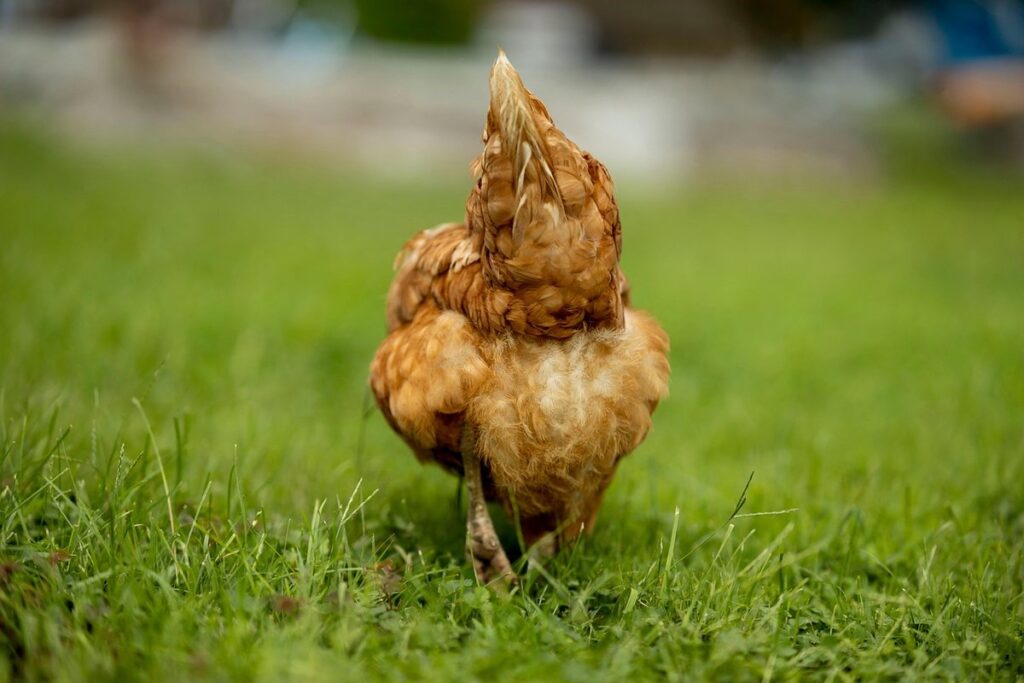
Benefits of Feeding Grass to Chickens
Feeding grass to chickens can be a nutritious and cost-effective addition to their diet, providing essential vitamins and minerals they need to stay healthy. Let’s explore some of the key benefits in more detail.
Nutritional Value of Grass
Grass is an excellent addition to a chicken’s diet, providing numerous nutritional benefits. One of the key advantages of grass is its high protein content, which is essential for maintaining healthy feathers, muscle growth, and overall well-being. A single serving of grass can contain up to 10-15% protein, making it an ideal supplement to their regular feed.
In addition to protein, grass is also rich in fiber, which helps support a chicken’s digestive health. A diet high in fiber promotes healthy gut bacteria, preventing issues like constipation and diarrhea. Grass also contains essential micronutrients such as vitamins A, C, and E, as well as minerals like calcium and potassium.
To incorporate grass into your chickens’ diet, simply allow them to forage freely or provide a portion of fresh grass as a treat. You can also mix dried grass into their feed or supplement with grass-based pellets. This will not only boost their nutrition but also encourage natural foraging behavior.
Types of Grass Suitable for Chickens
When it comes to providing your flock with nutritious and delicious grass, not all types are created equal. While chickens can benefit from a variety of grasses, some are safer and more beneficial than others.
Wheatgrass is an excellent choice for chickens, rich in vitamins A, C, and E, as well as minerals like iron and calcium. Oats are another safe option, providing fiber and essential nutrients like phosphorus and potassium. Timothy hay, a favorite among many chicken keepers, offers a mix of grasses, including timothy, brome, and orchard grass. These hay mixes provide a balanced diet for your flock.
When selecting grass or hay for your chickens, it’s crucial to avoid those contaminated with pesticides or heavy metals. Grass treated with herbicides can be toxic to your birds, so opt for organic options whenever possible. To incorporate fresh grass into their diet, simply scatter it on the ground or mix it with their regular feed. Aim to provide about 10-15% of their daily intake in the form of fresh greens.
Remember to introduce new grasses gradually to prevent digestive upset, and ensure access to clean water at all times. By offering a variety of safe, nutrient-rich grasses, you’ll be providing your chickens with a happy, healthy foraging experience.
Tips for Harvesting Grass for Chickens
When it’s time to harvest grass for your flock, timing is everything. The best times to collect fresh grass are early morning and late evening when the dew is still present on the blades. This makes the grass easier to cut and less likely to dry out quickly.
To get started, you’ll need a few simple tools: a sharp mower or scythe, a rake, and a bucket or bag for collecting the cut grass. Cut the grass at a height of about 2-3 inches, making sure not to damage the plant’s roots. This will encourage new growth and prevent overgrazing.
Maintaining a healthy forage area is crucial. Make sure to rotate your flock regularly to avoid overgrazing in one spot and to give the grass time to recover. Also, be mindful of pesticides, heavy metals, and other pollutants that might contaminate the soil and affect the quality of the grass. By following these simple tips, you can ensure a steady supply of fresh, nutritious grass for your chickens to enjoy.
Risks and Precautions When Feeding Grass
While feeding grass can be a nutritious addition to your chicken’s diet, there are potential risks and considerations you should be aware of before making it a regular part of their meal. Let’s explore these important precautions together.
Pesticide and Herbicide Exposure
When it comes to feeding chickens grass, one of the biggest concerns is exposure to pesticides and herbicides. These chemicals can be toxic to chickens and even cause long-term health issues. To minimize this risk, you need to understand what to look for.
Identifying pesticide-contaminated grass can be challenging, but there are some signs to watch out for. Look for patches of dead or dying grass, as these areas may have been sprayed with herbicides. Additionally, if the lawn has recently been treated with pesticides, it’s best to wait a few days before letting your chickens graze.
To minimize exposure, make sure to choose pesticide-free zones for your chickens to roam. Consider mowing and maintaining your own lawn or finding alternative grass sources that are untreated. It’s also essential to regularly inspect the grass for signs of contamination and remove any suspicious areas immediately.
Keep in mind, even if you’re unable to find completely pesticide-free grass, a little exposure is better than nothing. So don’t be discouraged from letting your chickens graze on some natural grass – just take these precautions seriously.
Choking Hazards and Intestinal Blockages
When chickens indulge in large quantities of grass, they can inadvertently ingest foreign objects that can cause choking hazards and intestinal blockages. A common culprit is grass blades that get stuck in the crop, which can lead to a condition known as crop bound. This occurs when the muscles surrounding the crop become paralyzed due to excessive food intake, preventing normal digestion.
Another risk is when chickens swallow items like twigs, seeds, or even soil while foraging. These foreign objects can get lodged in the intestinal tract and cause blockages, leading to severe discomfort, weight loss, and even death if left untreated. To prevent these issues, it’s essential to monitor your flock’s grass-eating habits closely.
Here are some preventive measures you can take:
* Provide a balanced diet: Ensure your chickens have access to nutritious feed that meets their dietary needs.
* Offer fresh water: Encourage drinking by ensuring the water is clean and readily available.
* Supervise foraging: Watch over your chickens when they’re eating grass to prevent them from ingesting foreign objects.
* Regular health checks: Schedule regular check-ups with a veterinarian to monitor your flock’s overall health.
Allergic Reactions and Sensitivities
When feeding grass to your chickens, it’s essential to be aware of potential allergic reactions and sensitivities. While rare, some breeds may experience adverse effects from eating certain types of grass. Signs to watch for include excessive scratching, redness around the eyes or vent area, lethargy, diarrhea, and changes in appetite.
If you suspect a reaction, remove access to the suspected grass immediately and monitor your flock closely. In severe cases, consult with a veterinarian for advice on treatment and prevention. Certain breeds like Silkies, Polishes, and Houdans are more prone to allergies due to their sensitive nature.
It’s also crucial to introduce new types of grass gradually, allowing your chickens to acclimate slowly. This can help minimize the risk of an allergic reaction. Keep in mind that individual reactions may vary depending on factors such as breed, diet, and environmental conditions. Always maintain a clean feeding area and provide fresh water at all times to reduce the likelihood of adverse effects.
Best Practices for Incorporating Grass into Your Flock’s Diet
When it comes to adding grass to your flock’s diet, there are some essential guidelines to keep in mind to ensure their health and safety. Let’s dive into some best practices for incorporating grass into their daily meals.
Gradual Introduction to Grass Feeding
When introducing grass into your flock’s diet, it’s essential to do so gradually to prevent digestive upset. Start by offering a small amount of fresh grass alongside their regular feed for 1-2 days. Monitor their behavior and stool quality closely during this time. If you notice any signs of distress or diarrhea, slow down the introduction process.
A good rule of thumb is to introduce new foods in the following sequence:
* Day 1-2: Mix a small amount (about 10%) of fresh grass into their regular feed
* Day 3-4: Increase the proportion to about 50% grass and 50% grain
* Day 5-6: Gradually increase the grass content until it reaches around 80%
To minimize the risk of digestive upset, ensure that your chickens have access to plenty of fresh water at all times. You can also try adding a small amount of probiotics or yogurt to their feed to support gut health.
Remember, every flock is different, so be prepared to adjust this timeline based on your birds’ individual needs and preferences.
Monitoring Health and Adjusting the Diet as Needed
When introducing grass into your flock’s diet, it’s essential to monitor their health closely for signs of illness or distress. Keep a close eye on their behavior, appetite, and stool quality. If you notice any unusual changes, such as lethargy, diarrhea, or vomiting, stop offering grass immediately and consult with a veterinarian.
Some common signs of illness in chickens include labored breathing, loss of feathers, or changes in egg production. Be aware that these symptoms can be caused by various factors, including bacterial infections, parasites, or nutritional deficiencies.
To ensure the health and well-being of your flock, adjust their diet accordingly if you notice any adverse reactions to grass. Consider the type of grass being consumed, its quality, and the quantity being eaten. You may need to rotate between different types of grass or limit access to it altogether.
For example, if your chickens are experiencing diarrhea after consuming a particular type of grass, it’s best to remove that source of food from their diet. Keep a record of the changes you make to their diet and monitor their health closely until they recover. This will help you identify any potential issues and adjust their diet accordingly.
Managing Grass Availability and Quality
When it comes to incorporating grass into your flock’s diet, managing grass availability and quality is crucial. A consistent supply of fresh, high-quality grass can be challenging to maintain, but there are several strategies you can employ to ensure your chickens always have access to nutritious forage.
One method for preserving grass is to dry it in the sun or using a food dehydrator. This will help remove excess moisture and prevent spoilage. You can store dried grass in airtight containers for later use, making it easy to add fresh greens to their diet even during the off-season. Another option is to freeze grass, which helps retain its nutritional value and prevents bacterial growth.
To maintain optimal nutrition, consider implementing a rotation system where you alternate between different types of grass or introduce new varieties every few weeks. This will not only keep your flock engaged but also minimize the risk of overgrazing or nutrient depletion in any single area. By adopting these strategies, you can ensure your chickens have access to fresh, nutritious grass year-round.
Grass-Fed Chickens: A Comparison with Grain-Based Diets
When it comes to raising chickens, many owners wonder if a grass-fed diet is better than traditional grain-based diets. Let’s dive into the key differences and benefits of each approach.
Nutrient Content in Grass vs. Grain
When it comes to nutrient content, there’s a significant difference between grass-fed chickens and those on grain-based diets. Grass-fed birds tend to have higher levels of omega-3 fatty acids, conjugated linoleic acid (CLA), and vitamins A and E compared to their grain-fed counterparts.
On the other hand, grain-fed chickens often contain higher amounts of saturated fats, calories, and certain minerals like phosphorus and potassium. These nutritional variations can impact your flock’s health in various ways. For instance, grass-fed birds may have a reduced risk of heart disease due to their lower levels of saturated fats.
It’s also worth noting that some research suggests that grass-fed chickens may have a more diverse gut microbiome, which could lead to improved overall health and immunity. If you’re considering switching your flock to a pasture-raised system or adding more grass to their diet, be aware that it can take several months for the nutritional benefits to become apparent.
In practice, this means that if you do decide to let your chickens graze on grass, you may want to start by introducing small amounts of fresh grass into their diet and gradually increasing the proportion as they adjust.
Long-Term Effects of Grass Feeding
Feeding grass to your flock can have numerous long-term benefits for their health and well-being. Chickens that are fed grass regularly tend to have stronger immune systems, which means they’ll be less susceptible to diseases and parasites. Grass-fed chickens also tend to have a more balanced gut microbiome, leading to improved overall health.
One of the most significant advantages of grass feeding is its impact on egg production. Research has shown that hens raised on pasture lay larger eggs with stronger shells, thanks to the increased levels of omega-3 fatty acids and other beneficial nutrients found in grass. Grass-fed chicken meat also tends to be leaner and have a more favorable fatty acid profile.
However, it’s worth noting that transitioning your flock to a grass-based diet can take time, and you may need to supplement with grains or other nutrient-rich feed sources during periods of high demand or stress. With careful management, though, the benefits of grass feeding far outweigh any potential drawbacks. To get started, consider allocating about 20% of your land to pasture for your flock, ensuring they have access to fresh water and shade as well.
Conclusion: Making Informed Decisions About Your Flock’s Diet
Now that we’ve explored the benefits and risks of feeding your flock grass, let’s discuss how to apply what you’ve learned to make informed decisions about their diet.
Summary of Key Points
When it comes to making informed decisions about your flock’s diet, there are several key takeaways from our discussion about can chickens eat grass. Firstly, it’s essential to understand that while grass is a natural and nutritious supplement for chickens, it should not make up the bulk of their diet.
As we’ve discussed, certain types of grass can be toxic to chickens, so it’s crucial to identify safe options like orchard grass, timothy grass, or brome grass. Always introduce new grasses gradually to prevent digestive upset and ensure your flock adapts well.
Additionally, remember that grass should complement, not replace, a balanced commercial feed or high-quality layer feed. A good rule of thumb is to provide 10-15% of your flock’s diet as fresh forage, such as grass, while maintaining the recommended nutritional levels through their regular feed.
By keeping these guidelines in mind and monitoring your flock’s health and behavior, you can make informed decisions about incorporating grass into their diet.
Encouraging Sustainable and Healthy Eating Habits in Chickens
As you continue to explore ways to incorporate grass into your chickens’ diet, it’s essential to prioritize sustainable and healthy eating habits for their overall well-being. A balanced and diverse diet is crucial for maintaining the health of your flock.
To create a nutritious diet, consider the following tips:
* Rotate pastures regularly to avoid overgrazing and promote soil health
* Provide a mix of fresh fruits and vegetables daily to ensure a range of essential vitamins and minerals
* Supplement with high-quality commercial feed to fill any nutritional gaps
A simple example is incorporating grass clippings into their diet in moderation. This will not only provide fiber but also introduce new nutrients.
By following these guidelines, you can create a sustainable and healthy eating environment for your chickens. Regularly monitoring their health and adjusting their diet as needed will ensure they receive the nutrients necessary to thrive.
Frequently Asked Questions
Can I use any type of grass for my chickens, or are there certain varieties that are better suited?
Not all types of grass are safe or nutritious for your flock. Cool-season grasses like ryegrass and oats are great options, as they’re high in protein and fiber. Warm-season grasses like Bermuda and zoysia can also work well, but make sure to choose varieties free from pesticides and herbicides.
How often should I provide fresh grass to my chickens, and what’s the ideal amount per bird?
It’s essential to introduce fresh grass gradually to prevent digestive upset. Start by offering small amounts (about 1-2% of their daily feed) and gradually increase as needed. A good rule of thumb is to provide about 2-3 ounces (50-75 grams) of fresh grass per chicken per day.
What if I have chickens that are particularly sensitive or prone to allergies – can I still use grass in their diet?
Yes, many chickens can benefit from a small amount of fresh grass in their diet. However, if your flock has pre-existing health conditions or sensitivities, it’s best to consult with a veterinarian before introducing grass or any new feed. Start with small amounts and monitor their response closely.
How do I store and preserve freshly harvested grass for my chickens, especially during winter months?
To keep fresh grass fresh, store it in a cool, dry place (like a root cellar) and use within 24-48 hours. You can also freeze or dry grass to preserve it for longer periods. When freezing, simply chop the grass finely and place it in airtight containers or freezer bags.
Can I mix grass with their regular commercial feed, or should I provide it as a supplement?
While you can certainly mix grass into their commercial feed, it’s best to offer it as a supplement (about 10-20% of their daily intake) to ensure they’re getting the nutrients they need. This will also allow you to monitor their response and adjust the diet accordingly.