
If you’re considering feeding your backyard chickens something more than just commercial feed, you might be wondering if they can benefit from grasshoppers. Many chicken owners are turning to insects as a nutritious and sustainable alternative to traditional food sources. But before you start catching grasshoppers for your flock, it’s essential to understand the nutritional value and potential health risks involved. In this article, we’ll delve into the benefits of feeding grasshoppers to chickens, including their high protein content and micronutrients like iron and zinc. We’ll also discuss some important safety precautions to take when catching and preparing insects for your flock. By the end of this post, you’ll be well-equipped to make an informed decision about incorporating grasshoppers into your chicken’s diet.
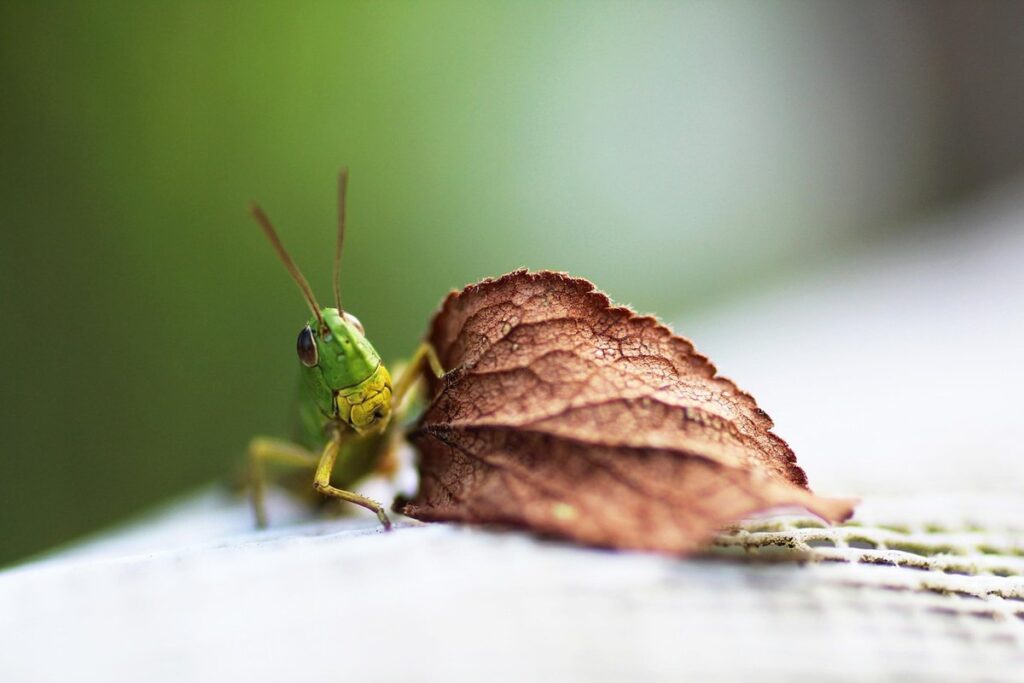
Benefits and Risks of Feeding Grasshoppers to Chickens
As you consider adding grasshoppers to your flock’s menu, it’s essential to weigh the advantages and potential drawbacks of this unconventional protein source for chickens. Let’s explore both sides of the equation together.
Nutritional Value of Grasshoppers for Chickens
Grasshoppers are an excellent source of protein for chickens, with a high concentration of essential amino acids. In fact, they contain all nine amino acids that chickens need to build and repair tissues, making them an ideal supplement to a balanced diet. A 100-gram serving of grasshoppers provides approximately 70 grams of protein, which is significantly higher than many other insect-based feeds.
In addition to their high protein content, grasshoppers are also rich in micronutrients such as iron, zinc, and potassium. These minerals play a crucial role in maintaining healthy feathers, beaks, and overall physical condition. Grasshoppers are also a good source of fiber, which can help support digestive health and prevent issues like constipation.
When feeding grasshoppers to your flock, it’s essential to consider their nutritional needs and ensure that they’re receiving a balanced diet. A general rule of thumb is to feed 10-15% of their daily ration as grasshoppers. You can also mix them with other insects or seeds to create a nutritious and varied meal plan for your chickens.
Potential Health Risks Associated with Feeding Grasshoppers
When feeding grasshoppers to chickens, there are potential health risks that need to be considered. One of the main concerns is bacterial contamination, which can lead to food poisoning in chickens. For example, Salmonella and E. coli bacteria have been found on grasshoppers in some studies. If these bacteria are ingested by your chickens, it can cause severe symptoms such as diarrhea, vomiting, and even death.
Parasites are another risk associated with feeding grasshoppers to chickens. Grasshoppers can carry internal parasites like protozoa and tapeworms that can infect chickens if they consume them. If left untreated, these parasites can cause anemia, weight loss, and poor egg production in hens. Allergic reactions are also a possibility when feeding grasshoppers to chickens. Some chickens may develop an allergy to the proteins found in grasshoppers, leading to skin problems, respiratory issues, or even anaphylaxis.
To minimize these risks, it’s essential to properly clean and prepare the grasshoppers before feeding them to your chickens. This includes washing the grasshoppers thoroughly with cold water and cooking them to kill any bacteria or parasites present. It’s also crucial to provide a balanced diet for your chickens that includes a variety of nutrients from different food sources. By taking these precautions, you can ensure that feeding grasshoppers to your chickens is safe and healthy for their overall well-being.
Identifying and Catching Grasshoppers Safely
When foraging for grasshoppers, it’s crucial you can identify them safely before catching and feeding them to your flock. This ensures you’re providing a healthy snack, not a risk.
Attracting Grasshoppers to Chicken Coops
To attract grasshoppers to your chicken coop, you’ll want to create an environment that’s conducive to their presence. Start by incorporating natural attractants such as grasses, weeds, and flowers into your chicken run. These plants serve as a food source for grasshoppers, drawing them in and encouraging them to stay.
Modify your coop’s habitat by adding rocks, logs, or other hiding spots where grasshoppers can take shelter. Grasshoppers also prefer areas with dry soil and low vegetation, so consider removing any dense foliage from the surrounding area.
Another effective way to attract grasshoppers is to avoid using pesticides in your chicken run. These chemicals not only harm grasshoppers but also contaminate the food they consume, making them potentially toxic to your chickens.
By implementing these strategies, you should be able to create a welcoming environment for grasshoppers and encourage them to visit your chicken coop regularly. With patience and persistence, you may even find that grasshoppers become a regular feature of your backyard ecosystem.
Humane Methods for Catching Grasshoppers
When it comes to catching grasshoppers for your chickens to eat, it’s essential to do so humanely. You can use gentle trapping methods that minimize stress and discomfort for the insects. One effective way is to use a container or a bug catcher with a fine mesh netting. This allows you to scoop up the grasshoppers without harming them.
Another approach is to encourage your chickens to catch the grasshoppers themselves. Chickens have a natural instinct to hunt small insects, and they’ll appreciate having the opportunity to do so. You can create a foraging area with plenty of hiding spots and visual stimulation, making it easier for your chickens to spot and chase after the grasshoppers.
To make this process even more enjoyable for both your chickens and the grasshoppers, consider adding some natural hiding places like plants or rocks to the enclosure. This will not only provide entertainment but also a sense of security for your feathered friends as they hunt their prey.
Preparing and Serving Grasshoppers to Chickens
Before offering grasshoppers as a treat, it’s essential to prepare them safely for your flock. Here’s how to serve live or cooked grasshoppers to chickens without any risks.
Cleaning and Processing Grasshoppers
Cleaning grasshoppers before feeding them to chickens is an essential step to ensure safe and healthy consumption. Start by rinsing the grasshoppers under cold running water to remove any dirt or debris that may be attached to their bodies. This will also help to reduce the risk of bacterial contamination.
Next, pat the grasshoppers dry with paper towels to remove excess moisture. You can then use a gentle scrub brush to clean any stubborn dirt or debris from the insects’ exoskeletons. Be sure to clean around the wings and legs, as these areas tend to accumulate more dirt than other parts of the body.
After cleaning, you’ll need to gut and prep the grasshoppers for feeding. To do this, carefully pinch off the head of each insect at the base of the neck, then twist it counterclockwise until it comes free from the body. Remove any innards or organs from the cavity, taking care not to puncture the delicate membrane that surrounds them.
Feeding Grasshoppers to Chickens: Best Practices
When introducing grasshoppers into your chicken’s diet, it’s essential to do so gradually and monitor their response closely. Start by offering a small portion of 1-2 grasshoppers per bird as a treat, mixed with their regular feed or scattered on the ground. Observe your flock for any adverse reactions, such as lethargy, diarrhea, or vomiting.
As they become accustomed to eating grasshoppers, you can gradually increase the serving size to 5-10 per bird, depending on their age and breed. It’s also crucial to provide a balanced diet and ensure that grasshoppers don’t make up more than 10% of their daily feed intake.
To prevent overfeeding, consider offering grasshoppers as an occasional treat or supplement, rather than a replacement for their regular food. This will help maintain a diverse and nutritious diet for your flock. If you notice any signs of illness or discomfort after introducing grasshoppers, discontinue feeding immediately and consult with a poultry expert or veterinarian.
Regularly inspect the health and well-being of your flock to identify any potential issues before they become severe. With proper introduction and monitoring, incorporating grasshoppers into their diet can provide essential protein and nutrients for optimal health.
Considerations for Different Chicken Breeds and Life Stages
As you consider adding grasshoppers to your flock’s diet, it’s essential to think about how different breeds and life stages might respond to this protein-rich food source. Let’s break down some breed- and stage-specific considerations.
Nutritional Requirements of Different Chicken Breeds
When it comes to feeding your flock grasshoppers, you might wonder if all chicken breeds can benefit from this protein-rich snack. The truth is that different breeds have unique nutritional requirements that may be affected by a diet rich in insects like grasshoppers.
For example, some popular backyard breeds like Leghorns and Cornish Cross are high-energy birds that thrive on diets rich in protein and calories. In these cases, grasshoppers can be an excellent addition to their feed, providing essential nutrients like iron, zinc, and B vitamins. However, smaller breeds like Silkies or Polish may not require as much protein, so a more moderate serving of grasshoppers might be suitable.
It’s also essential to consider the age and health status of your chickens when introducing grasshoppers into their diet. Young chicks, for instance, need a more balanced feed with adequate nutrients for growth and development. On the other hand, older hens may benefit from the anti-inflammatory properties found in some insects like grasshoppers.
When incorporating grasshoppers into your flock’s diet, start by offering them as a supplement to their regular feed, rather than a replacement. Begin with small amounts (about 10-15% of their daily calories) and observe your chickens’ response. You can also consider mixing crushed eggs or mealworms for added nutrition.
As you experiment with grasshoppers, remember that every breed is different, so monitor your flock’s health and adjust accordingly. With a little experimentation and observation, you’ll find the perfect balance to keep your feathered friends happy, healthy, and thriving!
Feeding Grasshoppers to Chickens at Different Life Stages
When it comes to feeding grasshoppers to chickens at different life stages, there are some important considerations to keep in mind. For chicks, introducing grasshoppers as a treat can be beneficial for their development and health. However, it’s essential to ensure that the grasshoppers are gut-loaded with nutritious foods before offering them to your chicks.
As pullets (young hens) begin to mature, they can start to eat grasshoppers more frequently, but in moderation. A good rule of thumb is to offer 1-2 grasshoppers per pound of body weight per day. For example, if you have a 2-pound pullet, she could safely eat 2-4 grasshoppers per day.
Mature hens can also enjoy grasshoppers as a treat, but it’s crucial to monitor their consumption and adjust accordingly. A general guideline is to provide 1/4 to 1/2 cup of live or frozen grasshoppers per week for every 10 birds in the flock. This will not only supplement their diet with protein but also add variety to their meals.
Enrichment Value and Entertainment for Backyard Flocks
If you’re interested in giving your backyard flock a new source of entertainment, consider incorporating insects into their diet. In this next part, we’ll explore enrichment value and fun ways to engage your chickens.
The Role of Insects in Chicken Enrichment
Incorporating insects like grasshoppers into your backyard flock’s diet can serve multiple purposes beyond just providing protein. One of the most significant benefits is their role in enrichment and stimulation. Chickens are intelligent, curious creatures that require mental and physical activity to stay healthy and engaged.
Insects like grasshoppers offer a natural source of entertainment for chickens. They provide a challenge for foraging and hunting, which can help reduce boredom and stress associated with confinement. For example, by releasing a few live grasshoppers into the enclosure, you can encourage your chickens to engage in natural behaviors such as pecking and scratching.
To incorporate insects into your flock’s enrichment program, consider the following:
* Release live insects like grasshoppers or mealworms into the enclosure for foraging
* Use insect-based treats or supplements as rewards during training sessions
* Create a bug hotel using materials like bamboo tubes and straws to attract beneficial insects
By incorporating these simple yet effective strategies, you can provide your backyard flock with mental and physical stimulation while promoting a natural and engaging environment.
Creating an Environment that Encourages Chickens to Forage for Grasshoppers
Creating an environment that encourages chickens to forage for grasshoppers is key to their natural behavior and a great way to provide them with entertainment and enrichment. Chickens are natural predators and will seek out grasshoppers if given the opportunity, so it’s essential to design their coop or run with this in mind.
When building or designing your chicken coop or run, consider incorporating features that mimic their natural habitat. This can include adding tall grasses, plants, and shrubs that attract grasshoppers, as well as providing hiding spots and perches for the chickens to hunt from. You can also try using a “bug hotel” – a structure specifically designed to attract beneficial insects like grasshoppers.
Some other tips to encourage foraging in your flock include:
• Adding a “grassy zone” to their run, where you plant a mix of tall grasses and plants that are attractive to grasshoppers
• Incorporating rocks or logs into the run, which can provide hiding spots for both chickens and grasshoppers
• Avoiding using pesticides or herbicides in your garden or yard, as these can harm the beneficial insects that attract grasshoppers
By creating an environment that encourages chickens to forage for grasshoppers, you’ll be providing them with a fun and stimulating activity that’s great exercise and entertainment.
Conclusion: Weighing the Pros and Cons of Feeding Grasshoppers to Chickens
Now that you’ve learned more about the benefits and potential drawbacks of incorporating grasshoppers into your flock’s diet, let’s weigh the pros and cons together.
Final Thoughts on the Benefits and Drawbacks of Feeding Grasshoppers
In conclusion, feeding grasshoppers to chickens can be a nutritious and sustainable option, but it’s essential to weigh both the benefits and drawbacks. On one hand, grasshoppers are an excellent source of protein, calcium, and iron for chickens, making them an ideal supplement for their diet. They also contain various micronutrients that can help promote overall health and well-being.
On the other hand, there are some potential drawbacks to consider. For instance, grasshoppers may not be a suitable option for all chicken breeds or ages, especially young chicks or those with certain health conditions. Moreover, some species of grasshoppers might contain high levels of toxins, which can harm your chickens if ingested.
To make the most out of feeding grasshoppers to your flock, it’s crucial to ensure you’re providing a balanced and nutritious diet. You can incorporate grasshoppers as an occasional treat or use them as a replacement for commercial pellets in moderation. To do this safely, follow these guidelines:
* Research local regulations regarding the use of insects as animal feed.
* Choose grasshopper species that are safe for human consumption and free from pesticides.
* Store grasshoppers properly to maintain their nutritional value and prevent spoilage.
* Introduce grasshoppers gradually into your chickens’ diet to avoid digestive issues.
By being mindful of these points, you can harness the benefits of feeding grasshoppers while minimizing potential risks. It’s a great way to provide your flock with essential nutrients and create a more sustainable, self-sufficient farm.
Frequently Asked Questions
Can I feed grasshoppers to my chickens immediately after catching them, or do they need preparation?
Grasshoppers should be cleaned and processed before serving to your flock to ensure food safety. This includes removing any dirt, debris, or loose skin. You can also freeze them for later use to kill any potential parasites. Cleaning and processing grasshoppers is a simple process that helps maintain the health of your chickens.
How many grasshoppers should I feed my chickens per day?
The number of grasshoppers you should feed your chickens daily depends on their age, size, and dietary needs. As a general rule, start with small amounts (about 1-2% of their total diet) and gradually increase as needed. Monitor your flock’s health and adjust the quantity accordingly.
Can I mix grasshopper meal with commercial chicken feed, or should I provide them as a treat?
You can mix grasshopper meal with commercial feed to create a nutrient-rich supplement for your chickens. This is especially beneficial during times of high protein demand, such as egg-laying or growth spurts. However, ensure that the mixture doesn’t exceed 10% of their total diet.
What are some common health risks associated with feeding grasshoppers to my flock?
Some potential health risks include bacterial contamination, parasites, and allergic reactions. Regularly inspect your catch for visible signs of disease or damage and maintain proper food handling practices to minimize these risks.
How can I ensure that my chickens get enough water when eating grasshoppers, which are high in moisture content?
To prevent dehydration, provide a separate source of fresh water near the feeding area and encourage your flock to drink regularly. Monitor their behavior and adjust the frequency of feeding to balance their hydration needs with their insect consumption.