
Chickens are intelligent and curious creatures that love to forage for food, but it’s essential to ensure their diet is balanced and safe. As an owner, you’re probably eager to provide your flock with nutritious treats, and kale is a popular choice due to its numerous health benefits. Packed with vitamins A, C, and K, kale can be a great addition to a chicken’s diet when introduced properly. However, overconsumption of kale can lead to some unpleasant consequences. In this article, we’ll delve into the world of kale for chickens, discussing how to safely introduce it into their diet, signs of overconsumption to watch out for, and what’s safe and healthy for your flock. By the end of this read, you’ll be well-equipped to make informed decisions about incorporating kale into your chickens’ meals.
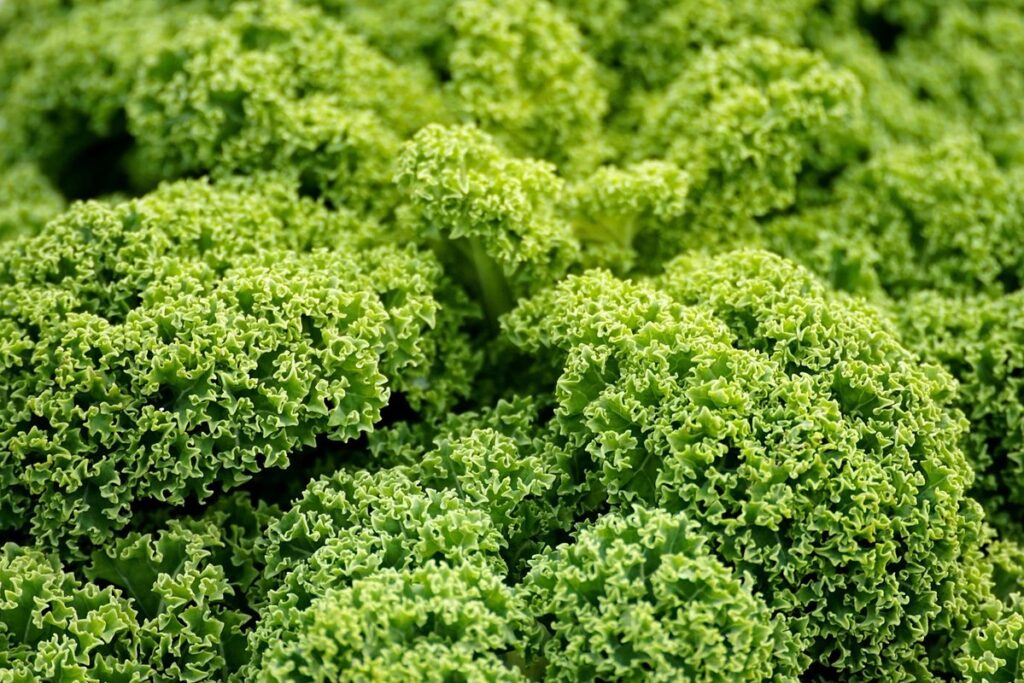
Introduction to Feeding Kale to Chickens
If you’re wondering whether kale is a safe and healthy treat for your flock, we’ll start by exploring its benefits and potential risks in feeding it to chickens. Let’s dive into the basics of introducing kale to their diet.
Benefits of Kale in Chicken Diets
Kale is an incredibly nutritious addition to a chicken’s diet, and its benefits extend far beyond just being a tasty treat. With its high concentration of vitamins A, C, and K, as well as minerals like calcium and iron, kale provides a nutritional boost that can support healthy growth and development in your flock.
One of the most significant advantages of incorporating kale into your chicken’s diet is its affordability. Compared to other leafy greens or specialized chicken feed, kale is often inexpensive and widely available. This makes it an attractive option for backyard chicken keepers on a budget.
Another benefit of feeding kale to chickens is its ability to support digestive health. The fiber content in kale helps promote regular bowel movements and can even aid in the prevention of parasites and worms. By incorporating kale into their diet, you may notice improvements in your flock’s overall health and vitality.
Precautions and Potential Risks
When introducing kale into your chicken’s diet, it’s essential to do so gradually to prevent digestive issues or other health problems. Chickens have a sensitive digestive system, and a sudden change in their diet can lead to discomfort, diarrhea, or even vomiting.
Start by mixing small amounts of chopped kale with their regular feed, about 1-2% of their total diet. Monitor your chickens’ behavior and stool quality closely for any signs of distress. If you notice any adverse reactions, slow down the introduction process or consult with a veterinarian for advice.
A good rule of thumb is to introduce kale in phases: first, offer it as a treat, then gradually increase the portion size over several days or weeks. This will allow your chickens’ digestive system to adjust to the new nutrient-rich food. For example, you can start by adding a handful of chopped kale to their feed for one day, then increase it to half a cup the next day, and so on. By introducing kale gradually, you’ll minimize the risk of digestive upset and ensure a smooth transition to this nutritious leafy green.
Nutritional Breakdown of Kale for Chickens
Let’s take a closer look at what nutrients kale has to offer, and how they can benefit your flock’s health and well-being when fed in moderation.
Macronutrient Content of Kale
Kale is an excellent addition to a chicken’s diet, and its macronutrient composition makes it an attractive option for small farmers and backyard chicken keepers. In terms of protein content, kale provides approximately 2.5 grams per cup, which may not seem like a lot, but when combined with other foods, can contribute significantly to a balanced diet.
The fat content in kale is relatively low, at around 0.6 grams per cup, making it an ideal choice for chickens that are prone to obesity or need to manage their weight. Carbohydrates make up the majority of kale’s macronutrient composition, with approximately 5 grams per cup. This can be beneficial for chickens that require a high energy diet.
When incorporating kale into your chicken’s meal plan, it’s essential to provide other nutrient-dense foods in moderation to ensure they receive all the necessary amino acids and fatty acids. A balanced mix of kale, fruits, vegetables, grains, and protein sources will provide optimal nutrition for your flock. Aim to introduce kale in small amounts (around 1/4 cup per bird daily) and gradually increase the portion size based on their tolerance and individual needs.
Micronutrients and Vitamins in Kale
Kale is a nutritional powerhouse that’s rich in various vitamins and minerals essential for chicken health. One of the primary concerns when feeding kale to chickens is whether it provides the necessary nutrients they need. The good news is that kale is an excellent source of several micronutrients.
Vitamin A, also known as beta-carotene, plays a crucial role in maintaining healthy vision, immune function, and skin integrity in chickens. Kale contains high levels of vitamin A, which can help protect against diseases like coccidiosis. Vitamin C, on the other hand, is vital for collagen production, iron absorption, and immune system function. It’s also an antioxidant that helps combat oxidative stress.
Vitamin K is another essential nutrient found in kale, crucial for blood clotting and bone health. Calcium and iron are also present in significant amounts, supporting bone growth and development as well as preventing anemia in chickens. When feeding kale to your flock, ensure they have access to fresh water at all times to help their bodies absorb these nutrients efficiently.
When incorporating kale into your chicken’s diet, it’s recommended to provide 10-20% of their daily intake as a supplement, along with their regular feed. This will allow them to reap the nutritional benefits while maintaining a balanced diet.
Can Chickens Safely Eat Raw or Cooked Kale?
Now that we’ve covered the basics, let’s dive into a crucial aspect of feeding kale to your flock: can chickens safely eat raw or cooked kale?
Raw vs. Cooked Kale for Chickens
When it comes to feeding kale to your chickens, you may wonder whether raw or cooked kale is better for them. Both options have their pros and cons.
Raw kale is a nutrient-rich treat that can provide essential vitamins and minerals to your flock. However, it’s high in water content, which can lead to digestive issues if fed excessively. If not properly dried or chopped, raw kale can also harbor bacteria like E. coli, posing a risk of food poisoning to your chickens.
Cooked kale, on the other hand, is lower in water content and easier for chickens to digest. Cooking also breaks down some of the nutrients, making them more accessible to your birds. Nevertheless, overcooking can lead to nutrient loss and make the kale unpalatable to your flock.
To feed cooked or raw kale safely, make sure to chop it into manageable pieces to prevent choking hazards and provide a balanced diet by mixing it with other foods. A good rule of thumb is to introduce kale gradually, starting with small amounts to avoid digestive upset.
Preparing Kale for Chicken Consumption
When preparing kale for your chickens to eat, it’s essential to follow some simple steps to ensure their safety and optimal nutrition. First, start by washing the kale thoroughly with cold running water to remove any dirt, bacteria, or pesticides that may be present on its leaves. Use a vegetable brush to gently scrub the leaves, especially around the stems.
Next, dry the kale leaves completely with a clean towel or salad spinner to prevent moisture from accumulating in the chicken’s digestive system. This is particularly crucial if you’re planning to feed your chickens raw kale, as excess moisture can lead to stomach issues and other health problems.
Once the kale is dry, chop it into manageable pieces for your chickens to eat comfortably. You can either chop the leaves finely or leave them slightly larger, depending on your flock’s preferences. As a general rule of thumb, aim for pieces that are about 1-2 inches long to prevent choking hazards and ensure easy digestion.
Remember to store any leftover kale in an airtight container to maintain its nutritional value and freshness until you’re ready to serve it to your chickens.
Signs of Kale Poisoning in Chickens
If you suspect your chickens have eaten too much kale, be on the lookout for these telltale signs of potential poisoning. Watch for lethargy and unusual droppings.
Symptoms of Kale Overconsumption
If you suspect that your chickens have overconsumed kale, it’s essential to recognize the common signs of poisoning. One of the most obvious symptoms is diarrhea, which can be accompanied by blood or mucus. This is often a result of the high water content and fiber in kale, causing digestive upset.
Vomiting is another potential sign that your chickens have eaten too much kale. If you notice your birds are repeatedly regurgitating food, it’s likely a indication that they’ve had an adverse reaction to the leafy green.
Lethargy is also a common symptom of kale overconsumption in chickens. You may notice your normally energetic flock exhibiting unusual lethargy or lack of interest in their surroundings.
In severe cases, if left untreated, kale poisoning can lead to more serious health issues such as organ damage and even death. If you suspect that your chickens have ingested too much kale, monitor them closely for these symptoms and consult with a veterinarian if necessary.
What to Do if Your Chicken Eats Too Much Kale
If you suspect that your chicken has eaten too much kale, it’s essential to act quickly to prevent potential harm. One of the most effective ways to treat kale poisoning is by administering activated charcoal. This absorbent substance can help bind to toxins and prevent their absorption into the bloodstream. You can find activated charcoal at most pet stores or online.
To give your chicken activated charcoal, follow these steps: Mix 1 teaspoon of charcoal powder with a small amount of water to create a paste. Then, gently administer the paste directly into your chicken’s crop using a syringe or dropper. Repeat this process every few hours as needed.
However, if you’re unsure about what to do or if your chicken is showing severe symptoms, it’s always best to consult with a veterinarian for professional advice and care. In some cases, veterinary attention may be necessary to ensure the health and well-being of your feathered friend.
Tips for Introducing Kale into a Chicken’s Diet
If you’re introducing kale to your flock, it’s essential to do so gradually to prevent digestive upset and ensure they can tolerate its unique nutritional profile. Here are some tips for a smooth transition.
Gradual Introduction of Kale
When introducing kale into your chicken’s diet, it’s essential to do so gradually. This will help prevent digestive issues and other health problems that can arise from sudden changes. Chickens are sensitive creatures, and their gut microbiome may not be adapted to handle a drastic increase in fiber-rich foods like kale.
To introduce kale safely, start by mixing small amounts into their existing feed or adding it as a supplement in the morning. A good rule of thumb is to begin with 1-2% of their daily ration for the first few days. Monitor your chickens’ behavior and watch for signs of discomfort, such as lethargy, loss of appetite, or loose droppings.
As they become accustomed to the new food, you can gradually increase the proportion of kale in their diet over a period of 7-10 days. Some chicken keepers also swear by slowly adding kale to their flock’s meal mix over several weeks, rather than suddenly introducing it all at once. This approach allows the birds’ digestive systems to adapt more naturally and reduces the risk of complications. Be patient, observe your chickens closely, and adjust their diet accordingly for a smooth transition.
Kale as an Occasional Treat
Kale can be a nutritious and delicious addition to a chicken’s diet, but it’s essential to offer it as an occasional treat rather than making it a regular staple. When fed excessively, kale’s high calcium content can lead to kidney stones and other health issues.
To incorporate kale into your flock’s diet safely, try the following:
* Start by adding small amounts of fresh kale leaves to their feed, about 1-2 tablespoons per chicken per week.
* Mix it with their regular pellets or grains for a nutrient-packed treat.
* Consider freezing the kale and blending it into their meal to reduce the risk of digestive issues.
* Rotate with other leafy greens like spinach, collard greens, or mustard greens to provide variety and prevent overconsumption.
Remember, moderation is key when introducing kale to your chicken’s diet. By offering it as an occasional treat, you can reap its nutritional benefits while minimizing potential risks.
Common Misconceptions about Feeding Kale to Chickens
Many people assume that feeding kale to chickens is a simple matter, but there are some common misconceptions you should be aware of when introducing this new food source. Let’s debunk them together.
Debunking Kale-Related Myths
One of the most enduring myths about feeding kale to chickens is that it’s toxic to them. This notion likely originated from the fact that kale contains a compound called raffinose, which can be difficult for humans to digest. However, research has shown that this compound is not toxic to chickens and does not cause any adverse health effects.
Another common misconception is that feeding kale to hens will cause excessive egg production. While it’s true that kale is rich in nutrients and can support overall chicken health, there is no scientific evidence to suggest that it specifically stimulates egg production.
In reality, kale can be a nutritious addition to your chickens’ diet when given in moderation. It provides essential vitamins A, C, and K, as well as minerals like calcium and iron. To incorporate kale safely into your flock’s diet, simply chop or tear the leaves and mix them with their regular feed at a ratio of about 1:10 (one part kale to ten parts regular feed). This will allow your chickens to reap the benefits while avoiding any potential risks.
Separating Fact from Fiction
When it comes to feeding kale to chickens, there’s been a lot of debate about its safety. Some people swear by its benefits, while others claim it can be toxic to birds. As with anything related to chicken health, it’s essential to separate fact from fiction.
According to the American Society for the Prevention of Cruelition (ASPCA), kale is not toxic to chickens in moderation. However, excessive consumption can lead to nutritional imbalances, particularly in calcium and phosphorus. The ASPCA recommends providing kale as a treat, rather than making up a significant portion of their diet.
A study published in the Journal of Applied Poultry Research found that feeding kale to laying hens increased their egg production by 25%. While this might seem like a compelling reason to add kale to your flock’s menu, it’s crucial to ensure they’re getting a balanced diet. A good rule of thumb is to provide no more than 10% of their daily intake as treats.
By doing some research and understanding the potential risks, you can confidently feed kale to your chickens in moderation, giving them a nutritious boost while maintaining their overall health.
Frequently Asked Questions
Can I still give kale to my chickens if they have existing health conditions?
If your flock has pre-existing health issues, it’s essential to consult with a veterinarian before introducing kale or any new food into their diet. This will ensure that the nutritional benefits of kale won’t exacerbate underlying conditions.
How do I prevent my chickens from overconsuming kale and developing symptoms of kale poisoning?
To avoid overconsumption, introduce kale in moderation (about 1-2% of their daily diet) and monitor your flock’s behavior for signs of discomfort. Also, provide a balanced feed as the primary source of nutrition to ensure they don’t rely too heavily on treats.
Can I give raw or cooked kale to my chickens interchangeably?
While both forms have nutritional benefits, it’s generally recommended to offer kale in its raw state. Cooking can reduce some of the nutrients, and overcooking might make kale unpalatable for your flock. However, if you choose to cook, ensure it’s steamed lightly to preserve as many nutrients as possible.
What are some creative ways to prepare kale for my chickens?
Try mixing chopped kale with their regular feed or adding it to a fruit and vegetable medley. You can also sprinkle dried kale powder on top of their grains for added nutrition. Experiment with different methods to find what your flock enjoys most!
How do I know if my chickens are getting enough nutrients from kale, or if they need supplements?
As a general rule, if you’re providing a well-balanced feed as the main source of nutrition and supplementing with small amounts of kale (about 1-2% of their daily diet), your flock should get all the necessary nutrients. However, consider consulting a veterinarian to determine the best approach for your specific flock’s needs.