
Feeding your backyard flock a balanced diet is crucial to their overall health, but sometimes we get caught up in thinking about the best grains or fruits to add. However, have you ever considered using kale stems as a nutritious supplement for your chickens? While kale is an excellent source of vitamins and minerals for humans, its safety for our feathered friends is less clear-cut.
In this article, we’ll delve into the benefits and risks of feeding kale stems to your chickens. We’ll explore their nutritional value, potential health issues that may arise from consumption, and discuss crucial safety considerations. By the end, you’ll be able to confidently determine whether kale stems can be safely incorporated into your flock’s diet.
Understanding Chicken Nutrition and Kale
To understand whether kale stems are safe for your flock, let’s break down chicken nutrition basics and explore how kale fits into their diet.
The Importance of a Balanced Diet for Chickens
Chickens are living creatures that require a balanced diet to maintain their overall health and well-being. A well-balanced diet is essential for chickens to grow strong bones, develop immune systems, and prevent diseases. The key nutrients that chickens need include protein, calcium, and vitamins.
Protein is crucial for building and repairing muscles, while calcium is necessary for developing strong bones and teeth. Without adequate calcium intake, chickens can suffer from weakened skeletons, making them more susceptible to breakages and fractures. Vitamins, on the other hand, help boost the immune system and promote overall health.
A good chicken feed should contain around 16-18% protein, with a mix of pellets and grains providing essential nutrients. As a supplement or treat, kale stems can be a nutritious addition, rich in vitamins A, C, and K. However, it’s crucial to ensure that the diet is well-balanced and not over-reliant on kale or any other single food item.
When feeding your chickens, consider offering a variety of foods including fruits, vegetables, and grains to provide a broad range of nutrients. This will help maintain their overall health and reduce the risk of nutritional deficiencies.
What is Kale, and Why Do We Consider It for Chicken Feed?
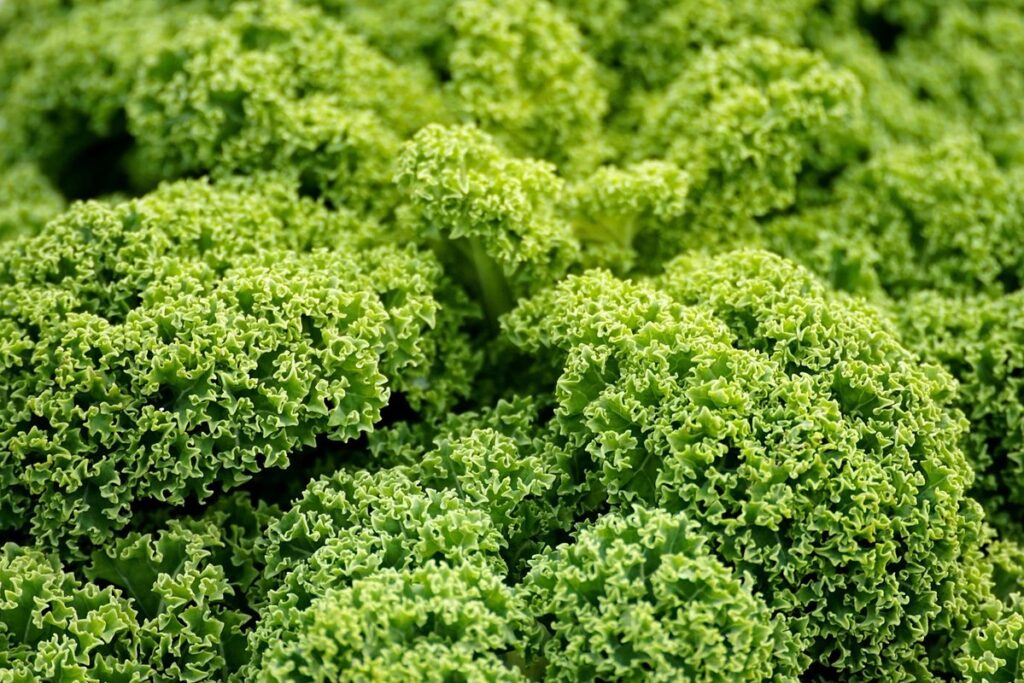
Kale is a nutrient-dense superfood that has gained popularity in human diets due to its exceptional health benefits. It’s a cool-season crop belonging to the Brassica family, which also includes broccoli and cauliflower. Kale is an excellent source of vitamins A, C, and K, as well as minerals like calcium and iron.
What makes kale particularly interesting for chicken feed is its high nutritional value. When added to their diet, kale provides chickens with essential vitamins and antioxidants that promote overall health and well-being. The leafy green has been shown to improve egg production, boost the immune system, and even reduce the risk of certain diseases in poultry.
Many commercial chicken feed manufacturers now incorporate kale into their formulas as a supplement or additive. This is because it offers a natural way to enhance the nutritional profile of feed without relying on synthetic vitamins or preservatives. Some backyard farmers also choose to add fresh kale to their chickens’ diets, either by mixing it into their feed or providing it as a treat.
The Benefits of Feeding Chickens Kale Stems
Kale stems can provide a nutritious boost for your chickens, but are they safe to feed? Let’s explore the benefits of incorporating kale stems into their diet.
Nutritional Value of Kale Stems for Chickens
When it comes to providing a nutritious diet for your chickens, you may be surprised at the benefits of using kale stems. Not only are they a great source of vitamins and minerals, but they’re also packed with fiber, making them an excellent addition to their regular feed.
Kale stems are rich in vitamins A, C, and K, which play crucial roles in maintaining healthy vision, immune function, and blood clotting. Vitamin A is particularly important for chickens, as it helps to promote healthy skin and mucous membranes, reducing the risk of disease. Potassium content in kale stems also makes them an excellent source of electrolytes for your chickens, helping to maintain proper muscle and nerve function.
As a bonus, kale stems are high in fiber, which can help support digestive health in your flock. By incorporating kale stems into their diet, you can expect improvements in egg production, reduced risk of disease, and even healthier feathering. To add kale stems to your chickens’ feed, simply chop them up finely and mix with their regular food. Aim for about 10-15% of their daily intake to be comprised of kale stems.
Potential Health Benefits of Kale for Chickens
Feeding kale to chickens can have a significant impact on their overall health and well-being. Rich in vitamins A, C, and K, as well as minerals like calcium and iron, kale is a nutrient-dense food that can help improve the immune system of your flock. The antioxidants present in kale, such as kaempferol and quercetin, have been shown to reduce inflammation and oxidative stress, making chickens more resilient to diseases.
Incorporating kale into their diet may also help alleviate stress and anxiety in chickens. Many backyard chicken keepers report that adding kale to their flock’s diet has resulted in improved egg production, increased energy levels, and a reduction in feather pecking and other undesirable behaviors.
To reap the benefits of kale for your chickens, simply chop or tear the stems into manageable pieces and mix them with their regular feed. A good starting point is to add 1-2 cups of chopped kale per 10 pounds of feed. Be sure to introduce kale gradually to prevent digestive upset.
The Risks Associated with Feeding Kale Stems to Chickens
While it may seem harmless, feeding kale stems to your chickens can pose some real risks that you should be aware of. Let’s explore these dangers together in this section.
Overconsumption of Certain Nutrients
When feeding kale stems to your chickens, it’s essential to be mindful of the potential risks associated with overconsumption. One key concern is excessive intake of calcium, a nutrient abundant in kale. While calcium is vital for strong eggshells and overall health, an overabundance can lead to serious issues.
Chickens consuming too much kale may develop kidney stones, a painful condition that can cause significant discomfort and even death if left untreated. To put this into perspective, research suggests that feeding chickens diets high in calcium can increase their risk of developing kidney stones by up to 50%. Moreover, excessive calcium intake can also lead to an imbalance in other essential nutrients, compromising your flock’s overall health.
To mitigate these risks, it’s crucial to ensure your chickens’ kale consumption is balanced. A good rule of thumb is to provide a mix of nutrient-dense foods and supplements, rather than relying solely on kale stems. By maintaining a diverse diet, you can help prevent overconsumption of any single nutrient – including calcium.
Allergic Reactions or Intolerance
When introducing kale stems into your chicken’s diet, it’s essential to consider the possibility of allergic reactions or intolerance. Each bird is different, and some might experience adverse effects from consuming kale stems.
Allergic reactions can range from mild symptoms like itching, sneezing, and coughing to more severe reactions such as difficulty breathing, swelling, and even anaphylaxis in extreme cases. Some birds may exhibit skin irritation, including redness, hives, or eczema-like patches on their legs, face, or around the eyes.
Monitoring your flock for any unusual behavior is crucial when introducing kale stems to their diet. Watch out for changes in droppings, appetite, energy levels, and overall health. If you notice any of these signs, discontinue feeding kale stems immediately and consult a veterinarian for advice.
To minimize the risk of allergic reactions, start by feeding small amounts of kale stems and observe your flock’s response. Gradually increase the quantity over time to prevent overwhelming their system. Keep in mind that some birds may be more sensitive than others, so it’s always better to err on the side of caution.
Preparing Kale Stems for Chicken Consumption
When giving kale stems to your chickens, it’s essential to prepare them properly to prevent any potential harm. This involves a simple process of cleaning and chopping the stems.
Cleaning and Preparing the Stems
When handling kale stems, it’s essential to wash them thoroughly before offering them to your chickens. Start by rinsing the stems under cold running water to remove any dirt, debris, or pesticides that may be present on their surface. Use a soft-bristled brush to gently scrub away any stubborn dirt, making sure to clean all areas of the stem.
Next, soak the kale stems in a large container filled with water for about 30 minutes to an hour. This will help loosen any remaining dirt and bacteria. After soaking, rinse the stems again under cold running water to remove any excess debris.
Once cleaned, dry the kale stems thoroughly using a clean towel or paper towels. This step is crucial in preventing mold growth and ensuring your chickens can safely digest the kale. Finally, store the prepared kale stems in an airtight container in the refrigerator to keep them fresh for up to 3-5 days. Always check the kale stems for any signs of spoilage before offering them to your flock.
Quantities and Frequency of Feeding
When it comes to feeding kale stems to your flock, it’s essential to consider their age, breed, and health conditions. A general rule of thumb is to provide about 1-2% of the chicken’s body weight in fresh greens daily. So, for example, if you have a 5-pound hen, she would need around 1/4 to 1/2 cup of kale stems per day.
For young chicks and pullets, it’s best to start with small amounts (about 10-20% of their body weight) and gradually increase the quantity as they grow. Some breeds, like Leghorns, require more protein-rich diets, while others, like Orpingtons, can thrive on lower-protein feeds.
Health conditions also play a significant role in determining feeding quantities. For example, if your chicken has a gizzard issue or is experiencing digestive problems, you may need to adjust the frequency and quantity of kale stems accordingly.
To ensure you’re providing the right amount, start with small amounts (about 1/4 cup) and monitor your flock’s response. Adjust as needed based on their energy levels, egg production, and overall health.
Safety Considerations for Chickens Eating Kale Stems
When giving your chickens kale stems as a treat, there are some essential safety precautions to keep in mind to ensure their health and well-being. Let’s take a closer look at these vital considerations.
Signs of Toxicity or Overload
If you notice that your chickens have been indulging in excessive kale stems, it’s crucial to monitor their behavior closely for signs of toxicity or overload. Keep a close eye out for lethargy, which can manifest as listlessness, decreased activity levels, or an overall lack of energy. A loss of appetite is another red flag, so ensure your chickens are still eating and drinking normally.
Observe your flock’s droppings as well – green or yellowish diarrhea can indicate kale toxicity. Also, be on the lookout for labored breathing, which may be a sign that your chickens’ digestive system is struggling to process the high levels of oxalates in the kale stems.
If you suspect that your chickens have overindulged, remove their access to kale stems immediately and provide plenty of fresh water to help flush out their systems. In some cases, a mild dietary adjustment may be necessary to prevent further complications.
Special Considerations for Young Chickens or Egg-Laying Hens
Young chickens and egg-laying hens have distinct nutritional needs that require special consideration when it comes to consuming kale stems. At around 5-6 weeks of age, chicks begin their rapid growth phase, and a diet rich in calcium is crucial for developing strong bones and teeth. Kale stems are an excellent source of calcium, but excessive consumption can lead to an imbalance.
For young chickens, start with small amounts (about 1/4 cup per day) and gradually increase the quantity as they mature. Monitor their stool quality closely – if it becomes too hard or develops dark streaks, reduce the kale stem intake immediately. Also, ensure they have access to a balanced commercial starter feed as their primary source of nutrition.
Egg-laying hens require a diet rich in calcium and phosphorus to maintain strong eggshell production. Kale stems can provide these essential nutrients but should be introduced gradually (about 1/2 cup per day) and combined with other nutrient-rich foods, such as oyster shells or dark leafy greens. Always supervise your flock’s consumption to prevent overeating, which can lead to digestive issues and reduced egg quality.
Conclusion: Balancing Nutrition with Safety
Now that we’ve weighed the pros and cons, let’s talk about how to balance giving your chickens a nutrient-rich snack with keeping them safe from potential harm.
Recap of Key Points
In conclusion to our discussion on feeding chickens kale stems safely, let’s recap the key points. Chickens can indeed eat kale stems, but it’s crucial to understand the limitations and potential risks involved.
As we’ve established, kale stems are a nutritious addition to a chicken’s diet, rich in vitamins A, C, and K, as well as minerals like calcium and iron. However, excessive consumption of kale stems may lead to an imbalance of certain nutrients in the hen’s body, potentially causing health issues down the line.
To feed kale stems safely, it’s essential to introduce them gradually into your chicken’s diet. Start by offering small amounts (about 10-15% of their daily ration) and monitor their behavior and health closely for any adverse reactions. Regularly cleaning and maintaining the coop will also help prevent contamination from mold or bacteria growth on the kale stems.
Remember, a balanced and varied diet is key to ensuring your chickens remain healthy and thrive. By incorporating kale stems in moderation, you can provide them with an extra nutritional boost while minimizing potential risks.
Encouragement to Monitor Your Flock’s Health
As you continue to incorporate kale stems into your flock’s diet, it’s essential to remember that their health is ultimately your responsibility. Closely monitoring your chickens’ overall well-being is crucial, especially when introducing new foods. Keep a watchful eye on their droppings, behavior, and appetite – any significant changes can indicate potential issues.
Be prepared to adjust their diets as needed. If you notice signs of illness or discomfort, such as lethargy, diarrhea, or decreased egg production, reassess the amount of kale stems being consumed. It’s also vital to be aware of common health problems in chickens and know how to respond promptly.
Keep a first-aid kit on hand and have a plan for emergency situations. This includes knowing what to do in case of severe illness, injury, or if your flock is exposed to predators. Regularly inspect your coop and surrounding area to prevent potential hazards from arising. By being vigilant and proactive, you can minimize risks associated with feeding kale stems to your chickens and ensure their optimal health.
Frequently Asked Questions
Can I feed kale stems to my chickens year-round, or are there any seasonal considerations?
Yes, you can feed kale stems to your chickens throughout the year, but it’s essential to balance their diet with other nutrient-rich foods. During periods of extreme weather or when forage is scarce, providing kale stems as a supplement can help ensure your flock gets all the necessary nutrients.
What if I notice my chickens are experiencing digestive issues after eating kale stems? Should I stop feeding them altogether?
No, don’t immediately discontinue feeding kale stems without consulting with a veterinarian. Digestive issues may be caused by other factors or even allergic reactions to other foods in their diet. Monitor your flock’s health closely and consider adjusting the quantity or frequency of kale stem consumption.
Can I mix kale stems with other vegetables, like carrots or sweet potatoes, for added nutrition?
Yes, you can create a nutrient-rich salad for your chickens by mixing kale stems with other leafy greens, carrots, sweet potatoes, and other fruits and vegetables. Just be sure to maintain a balanced diet and avoid overloading on specific nutrients.
How do I know if my chickens are getting enough calcium from kale stems versus relying on commercial feed?
While kale stems contain some calcium, they may not provide sufficient amounts for your flock’s needs, especially if they’re laying eggs or growing rapidly. Consider supplementing with crushed eggshells or oyster shells to ensure adequate calcium intake.
Are there any specific health benefits that kale stems can offer my chickens during certain times of the year?
Kale stems contain antioxidants and vitamins that can help support your flock’s immune system, particularly during periods of stress, such as molting or breeding. Consider incorporating kale stems into their diet during these critical phases for enhanced health benefits.