
If you’re like many backyard chicken enthusiasts, you’re always on the lookout for creative ways to supplement your flock’s diet. One food that’s caught your attention might be kiwi skins – but can chickens eat them safely? Before you start peeling and dishing out kiwi skin treats, it’s essential to understand the nutritional benefits and potential risks involved.
Feeding kiwi skins to your chickens could provide a boost of vitamins, minerals, and antioxidants, but there are also some safety considerations to be aware of. From allergic reactions to digestive issues, we’ll explore the possible consequences of introducing kiwi skin into your flock’s diet. In this article, we’ll break down the science behind feeding kiwi skins to chickens and provide guidance on how to do it safely and responsibly.
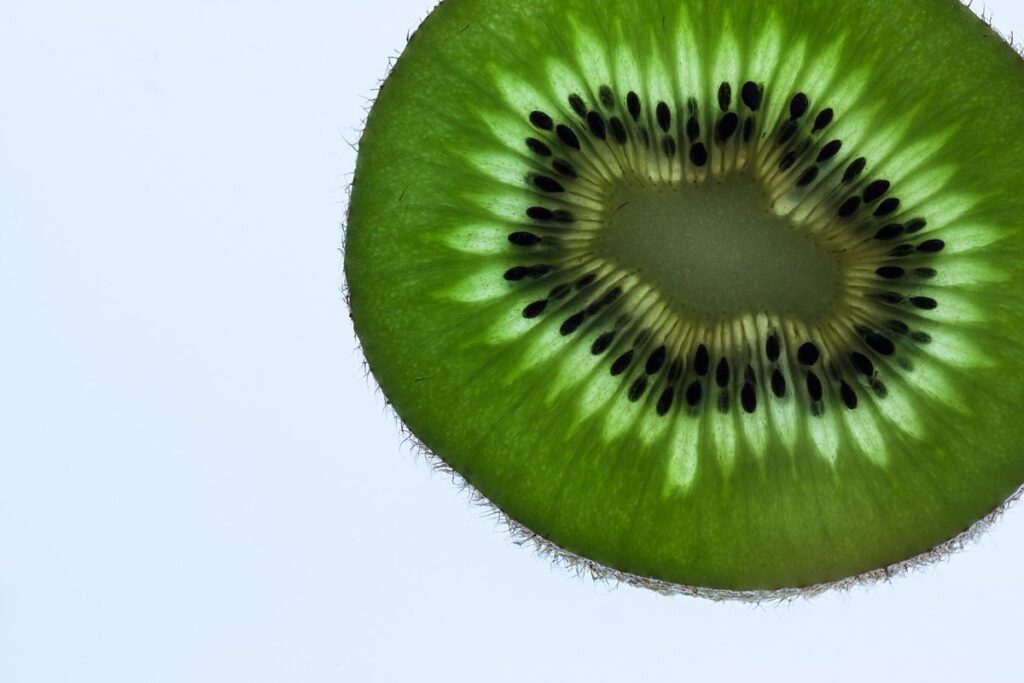
Benefits and Risks of Feeding Kiwi Skins to Chickens
When feeding kiwi skins to your chickens, it’s essential to weigh the benefits against the potential risks to ensure you’re providing a balanced and healthy diet for your flock. Let’s explore both sides of the equation.
Nutritional Value of Kiwi Skins for Chickens
Feeding kiwi skins to your chickens can be a nutritious and tasty way to supplement their diet. One of the primary benefits is that kiwi skins are rich in vitamins A and C, potassium, and dietary fiber. These nutrients are essential for maintaining healthy feathers, beaks, and overall immune function.
The high antioxidant content in kiwi skins also plays a crucial role in reducing oxidative stress and inflammation within your flock. This can lead to improved egg production and overall health. For instance, adding 1-2 slices of kiwi skin per pound of food can provide a significant boost of vitamins and minerals.
When incorporating kiwi skins into their diet, it’s essential to note that moderation is key. Excessive consumption can cause an imbalance in the gut microbiome, leading to digestive issues. A balanced approach would be to gradually introduce small amounts of kiwi skin (about 5-10% of their total food intake) and monitor your chickens’ response.
Some breeders even use kiwi skins as a treat or reward during training sessions. However, always prioritize the quality and cleanliness of the kiwi skins before offering them to your flock.
Potential Allergic Reactions or Intolerances in Chickens
While kiwi skins can be a nutritious and beneficial treat for chickens, it’s essential to consider the potential risks of allergic reactions or intolerances. Chickens, like humans, can develop sensitivities to certain foods, which may manifest as an adverse reaction.
Common signs of an allergic reaction in chickens include respiratory issues such as wheezing or labored breathing, digestive problems like diarrhea or vomiting, and skin irritation or inflammation. These symptoms can be exacerbated by factors like the chicken’s individual tolerance, the quantity of kiwi skins consumed, and any underlying health conditions.
If you suspect your flock has an allergic reaction to kiwi skins, monitor their behavior closely and look for changes in appetite, droppings, or overall demeanor. In severe cases, consult with a veterinarian for guidance on treatment and management strategies. To minimize the risk of adverse reactions, consider introducing small amounts of kiwi skin into your flock’s diet gradually and observe for any signs of discomfort or distress.
Remember that every chicken is different, so be prepared to adapt your approach based on individual responses.
Can Chickens Digest Kiwi Skins?
Let’s cut straight to the chase – can chickens actually digest kiwi skins, and what are the potential risks if they do eat them?
The Role of Enzymes in Breaking Down Kiwi Skin Fiber
When it comes to breaking down kiwi skin fiber, enzymes play a crucial role in chickens’ digestive systems. The primary enzyme responsible for this process is cellulase, which breaks down the tough, fibrous cell walls of plant materials like kiwi skins. This enzyme works in conjunction with other key players, such as amylase and protease, to ensure that nutrients are absorbed efficiently.
The breakdown of fiber-rich foods like kiwi skins is essential for optimal nutrient absorption. Chickens have a unique digestive system designed to extract the most from their food, and enzymes like cellulase are instrumental in this process. Think of it like a specialized tool kit – just as a carpenter needs specific tools to tackle different tasks, chickens’ bodies rely on enzymes to break down complex fibers.
As you’re considering adding kiwi skins to your flock’s diet, keep in mind that a balanced mix of fiber and nutrients is key. To make the most of this nutrient-rich food source, ensure that your birds have access to adequate calcium and vitamin D3 supplements to support healthy digestion.
Kiwi Skin Fiber and Its Impact on Chicken Digestion
The fiber content of kiwi skins is a crucial aspect to consider when deciding whether to feed them to chickens. Kiwi skin is particularly high in insoluble fiber, which can be problematic for chicken digestion if not introduced gradually and in moderation.
When chickens eat foods with high amounts of insoluble fiber, it can cause the fibers to expand within their digestive tract, potentially leading to blockages or impaction. This can be especially concerning if your flock has a history of gastrointestinal issues or is prone to overeating.
To minimize risks, it’s essential to introduce kiwi skin into your chickens’ diet gradually and in small amounts. Start by mixing a tiny amount with their regular feed and monitor their digestive health closely. If you notice any signs of discomfort, such as lethargy, decreased egg production, or straining while defecating, discontinue feeding the kiwi skin immediately.
Keep in mind that some chickens may be more sensitive to the fiber content than others. Always prioritize your flock’s individual needs and adjust their diet accordingly.
Feeding Methods and Precautions
When feeding kiwi skins to your chickens, it’s essential to consider a few things to ensure their safety and optimal nutrition. Let’s dive into some important guidelines for doing so safely.
How to Safely Introduce Kiwi Skins into a Chicken’s Diet
When introducing kiwi skins into your chicken’s diet, it’s essential to do so gradually to prevent digestive upset. Start by mixing a small amount of finely chopped kiwi skin with their regular feed, about 1/4 teaspoon per pound of food, and monitor their reaction. If they seem uncomfortable or show signs of distress, slow down the introduction process.
A good rule of thumb is to increase the amount gradually over a period of five to seven days. For example, you can follow this feeding schedule: day one, mix 1/8 teaspoon of kiwi skin with their feed; day two, increase to 1/4 teaspoon; and so on until you reach the recommended amount.
Remember, every chicken is different, so be prepared to adjust the introduction pace based on your flock’s unique needs. Always prioritize their health and well-being by observing their behavior and adjusting as necessary. Keep in mind that kiwi skins are high in fiber, so it’s crucial to provide adequate water and a balanced diet to prevent any adverse effects.
Potential Contaminants on Kiwi Skins and Safety Precautions
When handling kiwi skins for your chickens, it’s essential to be aware of potential contaminants that could harm their health. Kiwis are often treated with pesticides and fungicides during cultivation to prevent diseases and pests. While these chemicals may break down over time, some residues can remain on the fruit’s skin. Mold growth is also a concern, especially if kiwi skins are not stored properly or are past their prime.
When foraging for kiwi skins, inspect them carefully for any visible signs of mold or damage. Wash the kiwi skins thoroughly with clean water before offering them to your chickens. You can also soak them in a solution of 1 part white vinegar to 10 parts water for 10-15 minutes to help remove any remaining pesticide residues.
To minimize risks, it’s best to provide fresh, organic kiwis or kiwi skins that have been stored properly and handled hygienically. Avoid feeding your chickens kiwi skins that are moldy, rotting, or show signs of spoilage. By taking these precautions, you can enjoy sharing a healthy treat with your flock while minimizing potential health risks.
Comparison with Other Foods
Let’s take a closer look at how kiwi skins compare to other common fruits and vegetables when it comes to being safe for your chickens to eat. You’ll find some surprising similarities and differences.
Comparing the Nutritional Value of Kiwi Skins with Other Chicken Treats
When it comes to comparing the nutritional value of kiwi skins with other common chicken treats, it’s essential to consider a variety of options. Fruits like apples and berries are high in sugar and calories, making them less suitable as regular treats. On the other hand, vegetables like carrots and sweet potatoes provide essential vitamins and fiber but may not offer enough protein for chickens.
Commercial pellets, while formulated to meet a chicken’s nutritional needs, often contain additives and preservatives that may be detrimental to their health. Kiwi skins, however, are low in calories, rich in vitamin C and potassium, and high in dietary fiber. They can serve as a nutritious supplement when fed in moderation.
When introducing kiwi skins or other new treats into your flock’s diet, start with small amounts (about 1-2% of their daily feed) to monitor their digestive health. A balanced treat menu might consist of a mix of fruits and vegetables, commercial pellets, and occasional snacks like mealworms or sunflower seeds.
Considerations for Different Chicken Breeds or Ages
When it comes to feeding kiwi skins to chickens, breed and age play significant roles. Starter pullets, laying hens, and backyard chickens have different requirements that you should consider.
Starter pullets are young birds still developing their digestive systems. Introducing kiwi skins at this stage may cause digestive upset due to the high fiber content. If you do choose to feed kiwi skins, start with small amounts (about 1-2% of their daily intake) and monitor your chicks’ response.
Laying hens are generally more robust than starter pullets but can still be sensitive to new foods. A moderate amount of kiwi skin (around 5-7%) can be fed as a treat, provided it’s part of a balanced diet. Monitor their egg production and overall health for signs of adverse effects.
Backyard chickens have diverse needs depending on factors like climate, breed, and nutritional deficiencies in their regular feed. If you decide to offer kiwi skins, consider the individual bird’s preferences and digestive tolerance. Introduce them gradually (about 1-2% initially) to avoid any discomfort or issues with their existing diet.
As a general rule, always supervise your flock when introducing new foods like kiwi skins, and ensure they have access to fresh water at all times.
Preparing Kiwi Skins for Chickens
To safely offer kiwi skins to your flock, it’s essential to prepare them properly by cleaning and drying the peels to prevent any potential health issues. This process is crucial for your chickens’ well-being.
How to Clean and Prepare Kiwi Skins
When handling kiwi skins for your chickens, it’s essential to clean and prepare them properly to ensure your flock enjoys a safe and healthy snack. First, gently wash the kiwi skins under cold running water to remove any dirt or debris that may have accumulated during storage or transportation. Next, use a soft-bristled brush or a non-abrush scrubber to scrub away any stubborn stains or residue.
To remove seeds and peels, carefully slice along both sides of each kiwi skin to create a pocket for easy seed removal. Discard the seeds and peel fragments. Then, rinse the kiwi skins under cold running water once more to ensure they’re clean. Remove any stringy fibers from the kiwi skin edges by gently pinching them between your fingers.
It’s also crucial to remove any stems or woody parts, as these can cause digestive issues in chickens. Use a pair of kitchen shears to trim away excess stem material and discard it. Once cleaned and prepared, you can offer the kiwi skins to your flock as an occasional treat.
Storage and Handling of Prepared Kiwi Skins
Once you’ve prepared the kiwi skins for your flock, it’s essential to store and handle them properly to preserve their nutritional value and minimize potential risks. After washing and cutting the kiwi skins, make sure to dry them thoroughly with a clean towel or paper towels to prevent moisture buildup. This step is crucial in preventing mold growth and spoilage.
Store the dried kiwi skins in an airtight container, such as a glass jar or plastic bag, to keep them fresh for longer. You can also freeze them for up to 6 months by placing them in an airtight container or freezer bag. Label the container with the date and contents, so you know what you have stored.
When handling the kiwi skins, make sure to wash your hands thoroughly before and after handling the skins to prevent cross-contamination of bacteria and other pathogens. Also, ensure that the prepared kiwi skins are kept away from direct sunlight and heat sources to maintain their nutritional value and prevent spoilage. By following these simple storage and handling procedures, you can provide your chickens with a nutritious and safe treat while minimizing potential risks.
Frequently Asked Questions
Can I give kiwi skins to my chickens if they have certain health conditions?
Yes, if your chickens have specific health conditions or allergies, it’s essential to consult with a veterinarian before introducing new foods into their diet, including kiwi skins. Certain health issues may require special consideration when feeding kiwi skins.
How do I store prepared kiwi skins to keep them fresh for my flock?
Proper storage is crucial to maintaining the nutritional value of kiwi skins. You can store cleaned and prepared kiwi skins in an airtight container, such as a glass jar or plastic bag, at room temperature or refrigerate them to extend shelf life.
Can I feed kiwi skins to baby chicks or laying hens with specific dietary needs?
Feeding kiwi skins to young chickens requires careful consideration. It’s recommended to introduce new foods gradually and in small amounts to ensure they don’t cause digestive upset. For laying hens, consult with a veterinarian about their specific dietary needs before adding kiwi skins.
What are some potential signs of allergic reactions or intolerance to kiwi skin in my flock?
Watch for symptoms such as increased droppings, diarrhea, lethargy, or loss of appetite. If you notice any unusual behavior or health issues after feeding your chickens kiwi skins, stop immediately and consult with a veterinarian.
Can I freeze prepared kiwi skins to use later in the year?
Yes, freezing is an excellent way to preserve kiwi skins for future use. Clean, chop, and dry the kiwi skins as needed, then place them in an airtight container or freezer bag, label, and store at 0°F (-18°C) or below.