
Are you wondering if your backyard chickens can snack on ladybugs? As a chicken owner, you’re likely always on the lookout for safe and nutritious food sources to supplement their diet. Ladybugs might seem like an unlikely treat, but they do have some nutritional benefits for chickens. However, it’s essential to consider both the pros and cons of feeding them to your flock. In this article, we’ll explore whether ladybugs are a viable food source for chickens, including the potential benefits and drawbacks of adding them to their diet. We’ll also cover safe handling and preparation methods to ensure you’re providing the best possible care for your feathered friends.
Benefits of Raising Backyard Chickens
Raising backyard chickens can be a fantastic experience, providing you with fresh eggs and entertainment for years to come. In this section, we’ll explore some of the key benefits of raising chickens in your own yard.
Reasons to Keep Chickens in Your Yard
Raising backyard chickens is an incredibly rewarding experience that offers numerous benefits for you and your family. Not only do chickens provide a steady supply of fresh eggs, but they also help with pest control by consuming unwanted insects like ladybugs (more on that later!). Having chickens in your yard can be a fun and educational experience for kids, teaching them about responsibility, animal care, and the importance of self-sufficiency.
In addition to the entertainment value, backyard chickens can also serve as a great way to connect with nature. Watching your chickens roam around the yard, foraging for food and scratching in the dirt, can be incredibly therapeutic. Plus, having chickens on hand can encourage you to grow your own fruits and vegetables, creating a self-sustaining ecosystem.
If you’re considering raising backyard chickens, start by doing some research on the specific breeds that are right for your climate and lifestyle. Make sure to check local regulations regarding chicken ownership, and invest in proper coop and run equipment to ensure the health and safety of both your chickens and your family.
Types of Chickens Suitable for Small Yards
When it comes to raising chickens in small yards, selecting the right breed is crucial. You’ll want to choose hens that are compact, docile, and prolific egg layers. Here are some popular chicken breeds that excel in tiny spaces:
The Bantam breeds, such as the Silkie, Polish, and Japanese Bantam, are ideal for small yards due to their miniature size (around 1-2 pounds). These gentle souls are perfect for beginners and will provide you with a steady supply of eggs. They’re also relatively low-maintenance, requiring less space and food than larger breeds.
Other compact options include the Leghorn, which lays an impressive 280 large white eggs per year, and the Plymouth Rock, a hardy and friendly breed that thrives in small spaces. When selecting a breed, consider your yard’s size, climate, and your personal preferences. By choosing the right chicken for your small yard, you’ll not only ensure their happiness but also enjoy an abundance of fresh eggs from these delightful ladies.
Keep in mind that chickens will still be interested in ladybugs, so make sure to provide plenty of space for them to roam and explore safely.
The Ladybug: A Useful Insect or a Potential Threat?
While ladybugs are often seen as harmless, they can still pose some risks to your flock if ingested. Let’s examine the potential dangers of feeding ladybugs to chickens.
Ladybugs’ Role in the Garden Ecosystem
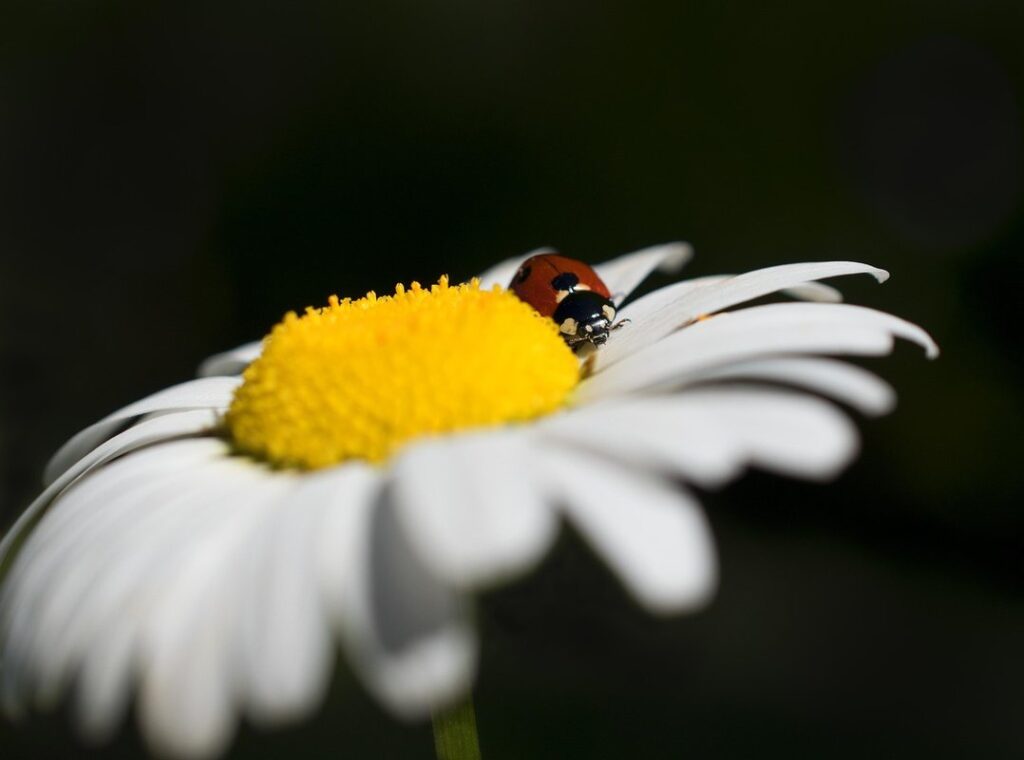
Ladybugs play a crucial role in maintaining a healthy garden ecosystem. As natural predators, they feed on aphids and scales, two common pests that can cause significant damage to plants. In fact, it’s estimated that ladybugs can consume up to 60 times their body weight in aphids each day! This makes them an invaluable asset for gardeners who want to reduce the need for pesticides.
To harness the benefits of ladybugs in your garden, consider creating a welcoming environment for these beneficial insects. Plant a variety of flowers that attract pollinators and provide shelter for ladybugs, such as marigolds or dill. Avoid using broad-spectrum pesticides, which can harm or kill ladybugs. Instead, opt for targeted treatments or use natural predators like lacewings or parasitic wasps.
By incorporating these strategies into your gardening routine, you’ll be supporting the delicate balance of your garden’s ecosystem and allowing ladybugs to thrive. This, in turn, will provide a natural defense against pests, reducing the need for pesticides and creating a healthier environment for all plants and animals – including chickens!
Can Chickens Be Allergic to Ladybugs?
While ladybugs are generally considered harmless to chickens, there’s a chance that some birds may develop an allergy or adverse reaction to consuming them. This is more likely if the chicken has a pre-existing condition or if it’s not accustomed to eating ladybugs as part of its regular diet.
Ladybug allergies in chickens can manifest in different ways, such as skin irritation, respiratory issues, or digestive problems. If you suspect that your flock is experiencing any of these symptoms after consuming ladybugs, it’s essential to monitor their behavior closely and consult with a veterinarian for advice.
In rare cases, some chicken breeds may be more prone to allergic reactions due to their genetic makeup. However, this is still speculative and requires further research to confirm its validity. To minimize the risk of adverse reactions, it’s recommended to introduce ladybugs gradually into your chickens’ diet in small amounts and observe their behavior closely for any signs of distress.
Are Ladybugs a Nutritious Food Source for Chickens?
Let’s examine whether ladybugs are a nutritious option for your flock, and what potential benefits they might offer as a treat. We’ll dive into the nutritional value of ladybugs for chickens.
Protein Content in Ladybugs
When it comes to protein content, ladybugs are a decent option for chickens. A 100-gram serving of ladybugs contains approximately 50 grams of protein, which is comparable to mealworms and crickets. However, they have slightly less protein than grasshoppers or houseflies.
In comparison to commercial chicken feed ingredients like soybean meal (48% protein) or fishmeal (60% protein), ladybugs offer a more moderate amount of protein. Nevertheless, for chickens seeking a varied diet with live insects as a supplement, ladybugs can be a suitable choice.
It’s essential to note that the nutritional content of ladybugs may vary depending on their species, habitat, and time of year. For instance, aphid-eating ladybugs tend to have higher fat levels than those that feed on pollen or nectar.
To incorporate ladybugs into your chicken’s diet safely, ensure they are free from pesticides and other contaminants. Also, start with small quantities (about 10-20 ladybugs per bird) and monitor their health and digestive response before adjusting the amount.
Risks of Feeding Ladybugs to Chickens
When considering feeding ladybugs to chickens, there are potential health risks to be aware of. Ladybugs can harbor parasites such as mites and ticks, which can infest your flock if ingested. These external parasites can cause discomfort, weight loss, and even death if left untreated.
Furthermore, ladybugs may contain toxins that can harm your chickens. Some species of ladybugs have been known to sequester chemicals from plants, making them toxic to birds. For example, the multicolored Asian lady beetle (Harmonia axyridis) has been found to sequester pesticides and heavy metals.
To minimize the risks associated with feeding ladybugs to chickens, it’s essential to ensure the ladybugs are free of parasites and toxins before offering them as a treat. However, this can be challenging without specialized equipment or expertise. As an alternative, consider providing your flock with nutrient-rich foods like fruits, vegetables, and grains that offer more consistent nutritional benefits and minimize potential health risks.
Benefits and Drawbacks of Raising Chickens on Insects
Raising chickens on insects can be a fascinating and sustainable way to feed your flock, but it’s essential to consider both the benefits and drawbacks before making this decision. Let’s weigh the pros and cons together.
Pros of an Insect-Based Diet for Chickens
Including insects in a chicken’s diet can have numerous benefits for both the birds and the environment. One of the most significant advantages is the potential to reduce greenhouse gas emissions associated with traditional feed sources like soybeans and corn, which contribute significantly to deforestation and habitat destruction. Insects, on the other hand, require minimal land use and can be cultivated using recycled water and organic waste.
A diverse diet that includes insects also increases protein content for chickens, making them stronger and healthier. For instance, crickets are a rich source of protein, containing all nine essential amino acids necessary for human health. In fact, studies have shown that chicks fed with insect-based feed grow faster and develop better immune systems compared to those on traditional diets.
When introducing insects into your flock’s diet, it’s essential to start with small amounts (about 5-10% of their total feed) and gradually increase the proportion as they adjust. This ensures a smooth transition and prevents digestive issues. You can also experiment with different types of insects like mealworms or superworms for added variety.
Cons of Relying Heavily on Insects
While insects can be an excellent protein source for chickens, there are some potential drawbacks to relying heavily on them. For one thing, certain insect species may not always be readily available in your area, which can make it difficult to maintain a diverse and balanced diet for your flock. If you’re living in a region where ladybugs are scarce, for example, you might need to supplement with other protein sources or rely on alternative insects that are more abundant.
Another concern is the potential for pesticide contamination. Ladybugs, like many other beneficial insects, can be susceptible to pesticides and other chemicals used in gardening and agriculture. If your chickens consume ladybugs that have been exposed to these toxins, it could lead to a range of health problems, from mild digestive issues to more serious illnesses.
If you do choose to feed your chickens ladybugs, make sure to source them from an area that has not been treated with pesticides or other chemicals. You can also consider growing your own beneficial insects in a bug-friendly garden, which can provide a more reliable and pesticide-free protein source for your flock.
Preparing Ladybugs as a Chicken Treat
To prepare ladybugs as a healthy snack for your flock, you’ll need to safely collect and process them without harming either your chickens or the beneficial insects. Let’s walk through how it’s done.
Safe Handling and Preparation Methods
When collecting ladybugs for your chickens, it’s essential to do so safely and humanely. Start by observing your garden or yard for a few days to determine the most active ladybug hours. Typically, this is early morning or late afternoon when they’re most active.
To collect them without harming, gently scoop up the ladybugs using a container with ventilation holes, such as a plastic cup or a mesh bag. Release any excess air from the container and seal it to prevent escape. Transfer the ladybugs to a separate, secure enclosure for safe storage until feeding time.
Proper storage is crucial to maintain the ladybugs’ quality and safety. Store them in a dark, cool place away from direct sunlight and heat sources. Keep the enclosure clean and free of moisture to prevent mold growth. Before offering the ladybugs to your chickens, inspect them for any signs of damage or disease.
Feed them to your chickens immediately after collecting, as they are most nutritious at this stage.
Tips for Feeding Ladybugs in Moderation
When introducing ladybugs into your chicken’s diet, it’s essential to do so in moderation. Overfeeding can lead to nutrient imbalances and even harm your chickens’ health.
To start, begin with a small serving size of 1-2 ladybugs per week for every 5 birds. This will allow you to monitor their response and adjust as needed. You can offer them live or frozen-thawed ladybugs, but make sure they’re free from pesticides and other chemicals.
It’s also crucial to vary the protein sources in your chicken’s diet to ensure a balanced intake of essential nutrients. Aim to provide 10-20% of their daily protein needs through ladybug consumption. For example, if you’re feeding a mix of mealworms, crickets, and sunflower seeds, adjust the proportions accordingly.
Remember, fresh water should always be available, and ladybugs shouldn’t replace a significant portion of your flock’s regular diet. Keep in mind that some chicken breeds may have unique nutritional requirements, so consult with your veterinarian or poultry expert to determine the best approach for your specific situation.
Conclusion: Can Chickens Eat Ladybugs?
So, we’ve explored whether ladybugs are a safe snack for your feathered friends and what happens if they do get into some trouble. Let’s tie everything together now!
Summary of Key Points
In conclusion to our exploration of whether chickens can eat ladybugs, let’s summarize the key points. On one hand, feeding ladybugs to chickens can be a nutritious addition to their diet, providing a boost of protein and calcium. Ladybugs are also a good source of fat-soluble vitamins like vitamin A, which is essential for healthy growth and development in chickens.
On the other hand, there are some drawbacks to consider. One major concern is the potential risk of pesticide contamination, as ladybugs may have ingested pesticides while feeding on plants treated with chemicals. Additionally, ladybugs can carry diseases like ranavirus, which can be transmitted to chickens if they consume infested insects.
If you’re still interested in offering ladybugs to your flock, make sure to source them from a trusted supplier or collect them from an organic garden. Always inspect the ladybugs for signs of disease or pesticide exposure before feeding them to your chickens.
Final Thoughts on Sustainable Chicken Feeding Practices
As we conclude our exploration of whether chickens can eat ladybugs, it’s essential to take a step back and consider the broader implications of their diet. We’ve delved into the nuances of insects as chicken feed, but what about the long-term sustainability of this approach? By embracing alternative, sustainable feed sources that promote both animal health and environmental well-being, we can create a more harmonious coexistence between our feathered friends and the natural world.
Consider this: traditional commercial chicken feeds often rely on resource-intensive grain production and chemical additives, which can have detrimental effects on soil health, water quality, and biodiversity. In contrast, incorporating insect-based feed into your flock’s diet not only reduces these environmental impacts but also provides essential nutrients for optimal chicken health. By exploring alternative feed sources, you can create a more regenerative and resilient agricultural system – one that benefits both your chickens and the planet.
Frequently Asked Questions
What’s the best way to introduce ladybugs as a new food source for my chickens?
When introducing ladybugs, start by offering them in small quantities (about 1-2 per chicken) to gauge your flock’s interest and tolerance. Gradually increase the amount over time, monitoring their behavior and health. Make sure to provide fresh water and a balanced diet while incorporating ladybugs.
Can I feed my chickens ladybugs that have been treated with pesticides or chemicals?
No, it’s essential to avoid feeding chickens ladybugs that have come into contact with pesticides or other chemicals, as these can harm your flock. Opt for wild ladybugs collected from a pesticide-free area or purchase them from a reputable source.
How often should I offer ladybugs as a treat, and what’s the maximum amount per serving?
As a general rule, limit ladybug offerings to no more than 5-10% of your chickens’ daily diet. You can serve them 2-3 times a week, depending on their nutritional needs and your flock’s preferences.
What are some signs that my chickens might be allergic or sensitive to ladybugs?
Watch for unusual behavior, such as excessive scratching, drooping, or lethargy after consuming ladybugs. Monitor their stool quality, as loose stools can indicate an adverse reaction. If you notice any of these symptoms, discontinue ladybug feeding and consult with a veterinarian.
Can I feed my chickens other types of beneficial insects alongside ladybugs?
Yes, offering a variety of beneficial insects like aphids, mealworms, or crickets can provide your flock with essential protein and nutrients. However, ensure you’re collecting or purchasing these insects from trusted sources to avoid contamination risks.