
If you’re wondering whether your backyard flock can indulge in some tasty lizard treats, you’re not alone. As many chicken keepers strive to provide their birds with a balanced and nutritious diet, feeding lizards to chickens has become an increasingly popular topic of discussion. While lizards may seem like a novel addition to your chicken’s menu, it’s essential to weigh the pros and cons before making any decisions. In this article, we’ll delve into the nutritional benefits and potential health risks associated with feeding lizards to chickens. We’ll also explore safety precautions you can take to ensure your flock stays healthy while still enjoying the occasional lizard snack. By the end of this post, you’ll have a clear understanding of whether adding lizards to your chicken’s diet is right for you and your backyard flock.
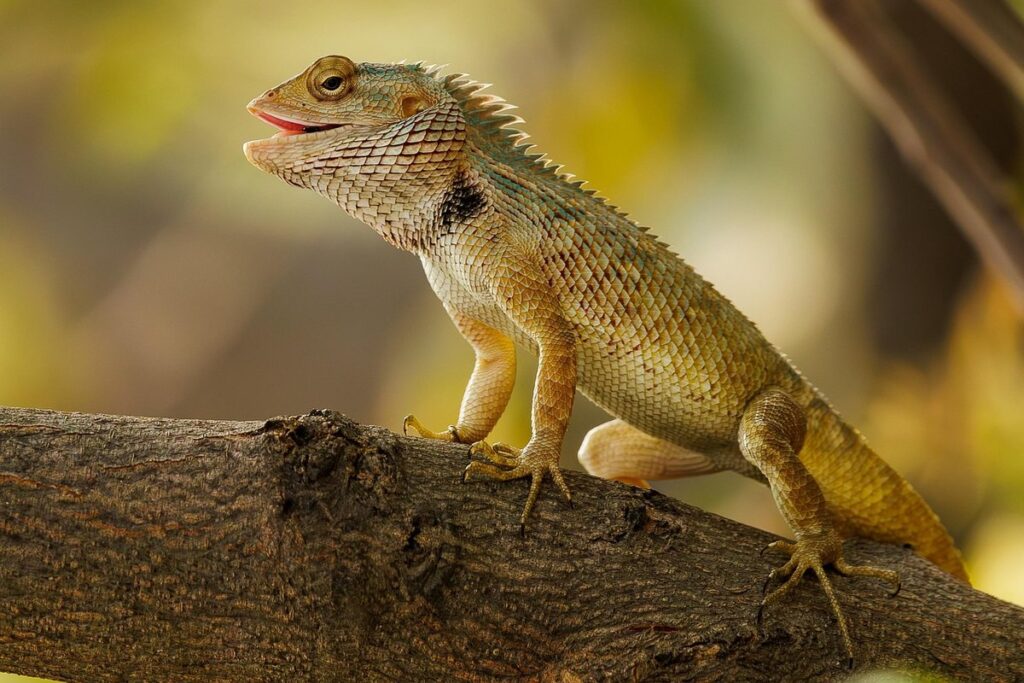
The Risks and Benefits of Feeding Chickens Lizards
Feeding chickens lizards can be a tempting option, but it’s essential to weigh the pros and cons before making a decision. Let’s dive into the potential risks and benefits of this unusual practice.
Understanding Chicken Nutrition and Diet Requirements
Chickens have complex nutritional needs that must be met through a balanced diet. As omnivores, they require a mix of protein, carbohydrates, fats, vitamins, and minerals to stay healthy. A well-rounded diet for chickens should include 16-20% protein from sources like grains, seeds, and insects. Calcium is also essential for strong bones, and it’s recommended that about 2-4% of the chicken’s diet be calcium.
Some chicken owners might consider feeding their birds lizards due to concerns over nutritional deficiencies in commercial feed or a desire to mimic their natural diet. However, lizards have different nutritional profiles than chickens. They’re typically high in fat and low in protein, making them unsuitable as a primary food source for chickens. If you do choose to supplement your chicken’s diet with lizards, it’s crucial to ensure they receive the necessary nutrients.
When considering feeding your chickens lizards, remember that moderation is key. It’s best to provide a balanced commercial feed as the main staple and use lizard meat sparingly as an occasional treat.
Common Health Issues in Backyard Chickens and Lizard Feeding
Backyard chickens can be prone to various health issues, including nutritional deficiencies and infections. A diet lacking essential vitamins and minerals can lead to problems like egg yolk peritonitis or rickets. Feeding lizards to chickens may seem like a protein-rich solution, but it could exacerbate these issues if not done carefully.
Some key nutrients found in lizards include vitamin D3 and calcium, both crucial for maintaining strong eggshell production and overall health. However, excessive consumption of certain lizard species, like monitor lizards, can lead to an overload of these nutrients, causing hypercalcemia or hypervitaminosis D.
Moreover, feeding lizards may also introduce new risks, such as the transmission of diseases like salmonella or clostridium perfringens. These bacteria are commonly found in reptiles and can be easily spread through contaminated feed, water, or even direct contact with infected animals. As a responsible chicken owner, it’s essential to consider these potential health risks before introducing lizards into your flock’s diet.
Lizards as a Protein Source: Are They Safe for Chickens?
When considering adding lizards to your chicken’s diet, it’s essential to weigh their nutritional value against potential risks. Let’s explore whether lizards are safe for chickens as a protein source.
Nutritional Value of Different Lizard Species
When it comes to feeding lizards to your backyard chickens, understanding their nutritional value is crucial. Different lizard species offer varying levels of essential nutrients that chickens require for optimal health.
Some popular lizard species found in areas where people keep chickens include anoles, geckos, and skinks. Anoles are particularly high in protein, making them a suitable option for providing a boost to your flock’s diet. For instance, the green anole contains approximately 18% protein by weight, which is comparable to feeding your chickens commercial chicken meal.
Geckos also offer a decent amount of protein, with some species containing up to 16% protein by weight. Skinks, on the other hand, are higher in fat and lower in protein but still provide valuable nutrients like calcium. It’s essential to note that some lizards may contain higher levels of mercury or other contaminants, so it’s crucial to source them from clean environments and avoid feeding them to your chickens during periods when they are more likely to accumulate toxins.
In terms of calcium content, anoles tend to be the highest, which is beneficial for maintaining strong eggshell production in hens. Geckos contain moderate levels of calcium, while skinks have lower amounts.
Preparing and Serving Lizards to Chickens
When preparing lizards as a protein source for chickens, it’s essential to follow proper cooking and serving methods to avoid contamination. First, make sure to thoroughly wash the lizards under cold running water, then pat them dry with paper towels. This helps remove dirt, debris, and bacteria that may be present on their skin.
Next, you can either grill, bake, or boil the lizards until they’re fully cooked through. For example, grilling over medium heat for 5-7 minutes per side can help achieve a crispy exterior while keeping the meat tender. Boiling is another option; simply submerge the lizards in water and bring to a rolling boil for 10-15 minutes.
It’s crucial to cook the lizards thoroughly to an internal temperature of at least 165°F (74°C) to prevent bacterial contamination, such as salmonella or E. coli. Once cooked, let the lizards cool completely before serving them to your chickens. Chop the meat into bite-sized pieces and mix with other feed to ensure even distribution.
When handling raw or undercooked lizards, always wash your hands thoroughly afterward to avoid cross-contamination. If you’re new to feeding lizards to your flock, start with a small quantity to monitor their reaction and adjust as needed.
The Ethics of Feeding Chickens Wild Animals: A Discussion
Feeding chickens wild animals raises complex questions, including those surrounding the ethics and long-term effects on both birds and their environment. Let’s examine these concerns in closer detail together.
Welfare Concerns for Both Chickens and Lizards
When it comes to feeding chickens wild animals like lizards, there are welfare concerns that cannot be ignored. For one, catching and consuming wild lizards can have a significant impact on their population numbers, potentially driving them towards extinction. This is especially true for species that are already threatened or vulnerable.
From an ethical perspective, raising animals for food in a backyard setting raises questions about the treatment and living conditions of both chickens and the prey they hunt. Chickens, which are often kept as pets or raised for egg production, can develop predatory instincts when fed live prey like lizards. This can lead to stress and aggressive behavior in the flock.
If you still want to provide your chickens with a varied diet that includes wild animals, make sure to research and choose species that are abundant and not protected by local laws. Also, consider alternative options like frozen-thawed or commercial prey items that mimic the natural food chain without causing harm to wildlife populations.
Legal and Regulatory Frameworks Governing Animal Feeding
When it comes to feeding chickens lizards, you need to consider the legal implications. In many countries, laws regulate the feeding of wild animals to domesticated birds to prevent the spread of diseases and protect local ecosystems.
In the United States, for example, the U.S. Department of Agriculture (USDA) has guidelines that prohibit the intentional introduction of certain non-native species into a poultry operation. Similarly, in Australia, the National Animal Health Laboratory Network provides guidance on biosecurity and disease management practices, including the feeding of wild animals to chickens.
Before offering your chicken a lizard snack, it’s essential to check with local authorities to see if there are any specific regulations or restrictions in place. You can start by contacting your state or national agricultural department to inquire about any relevant laws or guidelines.
It’s also worth noting that even if feeding lizards to chickens is allowed, it may not be a safe or healthy practice for either the chicken or the lizard. Lizards carry diseases like salmonella and E. coli, which can easily spread to your flock. Therefore, it’s crucial to prioritize both animal welfare and public health when considering what foods to offer your chickens.
Case Studies: Real-Life Experiences with Chickens Eating Lizards
Real people have successfully raised chickens alongside lizards, but what does their experience teach us about the feasibility of this unusual combination? Let’s dive into some fascinating case studies.
Successful Examples and Best Practices
Many backyard chicken keepers have successfully fed their chickens lizards as a nutritious and varied source of protein. For instance, Sarah from California reports that she feeds her flock a mix of crickets and small lizards, which she prepares by briefly microwaving them to kill any bacteria before serving.
She mentions that the lizards are typically caught in her backyard during the summer months when they’re most active. Sarah’s chickens seem to love the treat and have remained healthy and thriving on this diet. In terms of lizard species, Sarah prefers using small skinks and anoles, as they’re abundant in her area and readily available.
When it comes to preparation techniques, many chicken keepers recommend a simple process: catch the lizard, humanely kill it, clean it thoroughly, and then chop or mash it before serving. Feeding frequencies can vary depending on the individual flock’s needs and preferences, but Sarah typically offers lizards as an occasional treat, about 2-3 times a week.
Some key takeaways from successful examples like Sarah’s include:
* Using small lizard species for optimal digestion
* Briefly microwaving or cooking lizards to kill bacteria before serving
* Feeding lizards in moderation (about 2-3 times a week)
* Ensuring the lizards are humanely caught and prepared
Failed Attempts and Lessons Learned
When attempting to feed chickens lizards, it’s not uncommon for owners to encounter setbacks. Let’s take a look at some case studies of failed attempts and the valuable lessons that can be learned from them.
One common mistake is introducing too many new foods at once. Sarah, a backyard chicken owner, tried to feed her flock a mix of mealworms, crickets, and lizards all at once. The result was digestive issues, stress, and a messy coop. To avoid this, it’s essential to gradually introduce new foods to your chickens’ diet.
Another issue that arose in Emily’s experience was underestimating the size of the lizard. Her chicken, while eager to eat, had difficulty swallowing the larger lizards. A better approach would be to start with smaller, more manageable prey items and gradually increase the size as the birds become more confident and skilled hunters.
It’s also crucial to recognize that not all chickens will take to eating lizards. Factors such as breed, age, and individual temperament can significantly influence a chicken’s willingness to eat certain foods. By monitoring your flock’s behavior and adjusting their diet accordingly, you can avoid frustration and ensure the health of your birds.
Safety Precautions When Handling Lizards for Chickens
When collecting lizards for your chickens, it’s crucial to follow proper safety guidelines to avoid injury from bites and scratches. This includes wearing protective gear and handling them carefully.
Preventing Injuries and Diseases in Both Species
When handling lizards before feeding them to chickens, it’s crucial to take safety precautions seriously. Both species can be injured if not handled carefully, and certain diseases and parasites can be transmitted between them.
When handling lizards, use gloves or tongs to prevent bites and scratches. Make sure your hands are clean and dry before touching the lizard, and wash them thoroughly afterwards with soap and water. Also, ensure you have a secure grip on the lizard to avoid it wriggling loose and causing injury.
Some diseases common in reptiles can be transmitted to chickens through contact or droppings. These include salmonella, e. coli, and cryptosporidiosis. To minimize this risk, keep your handling area clean, wash your hands thoroughly after handling each animal, and quarantine the lizard for a few days before feeding it to the chicken.
Parasites like ticks, mites, and fleas can also be transferred between species if not properly managed. Regularly inspect both animals for signs of infestation and treat accordingly.
Cleaning and Sanitizing Equipment After Handling Lizards
When handling lizards for your chickens, it’s essential to clean and sanitize all equipment thoroughly to prevent contamination. This not only ensures a safe food source for your flock but also protects the humans involved in the process from potential health risks.
To start, make sure to wash your hands before and after handling lizards or their preparation equipment. Use warm water and soap, paying particular attention to areas around your nails and between fingers. Next, clean all utensils, cutting boards, and other equipment with a mild dish soap and warm water. Avoid using abrasive cleaners or bleach, as these can leave residues that may harm your chickens.
After cleaning, sanitize all equipment by submerging them in a solution of 1 part white vinegar to 9 parts water for at least 10 minutes. This step is crucial in eliminating any bacteria or parasites that might have been present during the lizard preparation process. Once sanitized, rinse everything thoroughly with clean water before allowing it to air dry. By following these steps, you’ll be able to provide a safe and healthy food source for your chickens while minimizing the risk of contamination.
Conclusion: Weighing the Pros and Cons of Feeding Chickens Lizards
Now that we’ve explored the possibilities, it’s time to weigh the pros and cons of feeding your chickens lizards and make an informed decision about this unusual practice. Let’s take a closer look at both sides.
Final Thoughts and Recommendations
As you weigh the pros and cons of feeding chickens lizards, it’s essential to consider the key points discussed throughout this article. On one hand, lizards can provide a novel protein source for backyard chicken keepers, potentially reducing their reliance on commercial feed. However, as we’ve highlighted, there are also potential risks associated with introducing reptiles into your flock’s diet.
It’s crucial to remember that chickens have specific nutritional requirements, and a lizard-based diet may not provide the necessary balance of nutrients. Furthermore, there is limited research available on the long-term effects of feeding chickens lizards, which could lead to unforeseen health issues down the line. If you still wish to consider this option, be sure to carefully monitor your flock’s health and adjust their diet accordingly.
Ultimately, we recommend exploring alternative protein sources that are more readily available and better understood by nutritionists and veterinarians. This will allow you to provide a balanced and healthy diet for your chickens while minimizing potential risks.
FAQs and Further Reading
If you’re still unsure about whether chickens can eat lizards safely, here are some frequently asked questions and recommendations for further reading to help clarify things.
Q: Can chickens get sick from eating lizards?
A: Yes, chickens can contract diseases like histomoniasis or salmonellosis if they consume infected lizard meat. It’s essential to ensure the lizards you plan to feed your chickens are free of diseases and parasites.
Q: What types of lizards are safe for my chickens to eat?
A: Some species of lizards, such as anoles, green iguanas, or skinks, are considered non-toxic to chickens in moderation. However, avoid feeding them large, carnivorous lizard species like monitor lizards or bearded dragons.
Q: How much lizard can I safely feed my chickens?
A: Introduce small amounts of lizard meat (about 5-10% of their total diet) gradually and under close supervision to gauge your flock’s tolerance. Monitor their behavior, health, and egg production closely for any adverse reactions.
For more information on feeding lizards to your flock or learning about healthy chicken nutrition, consider checking out the following resources:
* The American Society for the Prevention of Cruelty to Animals (ASPCA) guidelines on feeding wild animals to pets
* The Poultry Health Manual by the World’s Poultry Science Association
* Online forums and discussions among experienced backyard chicken keepers
Frequently Asked Questions
Can I feed chickens lizards if they have a pre-existing health condition?
Yes, it’s essential to consult with a veterinarian before introducing lizards to your flock’s diet, especially if they have underlying health issues. A vet can help you determine the best course of action and ensure that the lizards won’t exacerbate any existing conditions.
How do I know which lizard species are safe for my chickens to eat?
Not all lizard species are suitable for human consumption or chicken feeding. Research the specific nutritional value and potential toxins associated with different lizard species, such as monitor lizards or geckos. Opt for species that are known to be safe and nutritious for your flock.
What are some safety precautions I should take when handling lizards for my chickens?
When handling lizards, wash your hands thoroughly before and after interaction to prevent the transmission of bacteria and other diseases. Use a pair of gloves or tongs to handle the lizards safely, and ensure that your equipment is clean and sanitized regularly.
Can I feed chicks and baby chickens lizards as they grow?
Chicks and young chickens have different nutritional needs than adults. Lizards can be a nutritious supplement for adult chickens but may not provide the necessary protein and energy requirements for growing birds. Consult with a veterinarian or poultry expert to determine the best diet for your flock at various stages.
What are some signs that my chicken is experiencing adverse reactions from eating lizards?
Monitor your flock’s behavior, appetite, and overall health closely after introducing lizards to their diet. Look out for symptoms such as lethargy, diarrhea, vomiting, or changes in egg production. If you notice any of these signs, consult with a veterinarian promptly to adjust the diet accordingly.