
Are you wondering if it’s safe to share those delicious pear peels with your backyard hens? As any chicken keeper knows, providing a balanced diet for our feathered friends is crucial for their health and well-being. But what about all that nutritious waste from your kitchen? Can chickens eat pear peels without suffering from potential health hazards? In this article, we’ll dive into the benefits and risks of feeding pears to your flock, including their nutritional value and creative ways to incorporate them into their diet. We’ll explore the dos and don’ts of giving your chickens pear peels, so you can confidently decide what’s best for your birds.
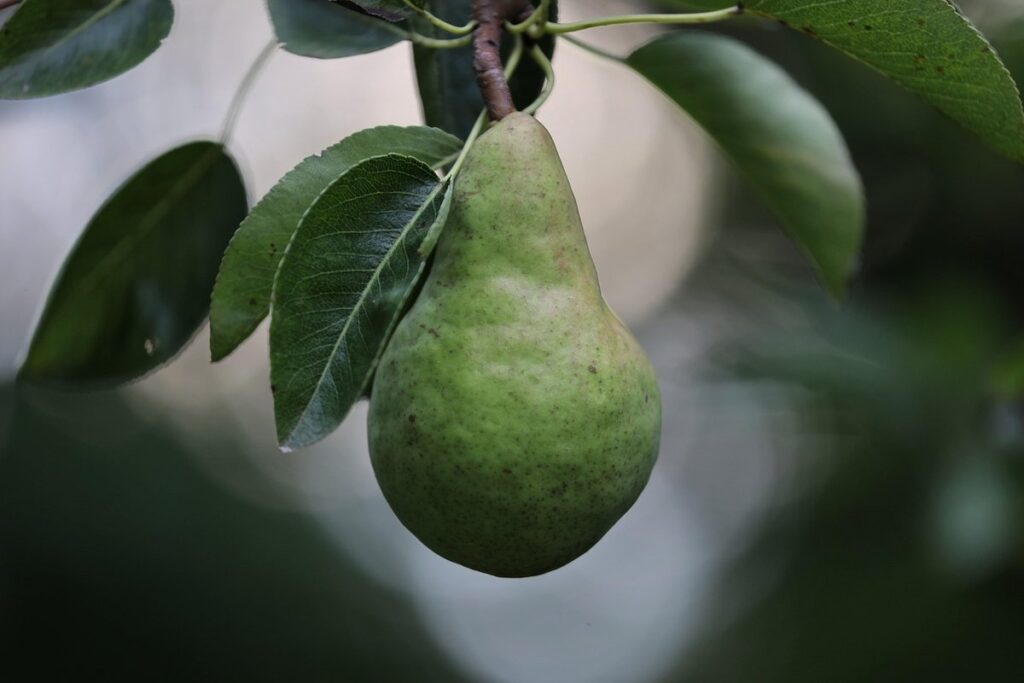
Benefits and Risks of Feeding Pears to Chickens
When feeding pear peels to your chickens, it’s essential to consider both the benefits they can offer and the potential risks involved for their health. We’ll explore these aspects in more detail here.
Nutritional Value of Pears for Chickens
Pears are not only delicious for humans, but they also offer numerous health benefits for chickens. One medium-sized pear provides a significant amount of essential vitamins and minerals that can support overall chicken health.
Rich in vitamins A and C, pears help to boost the immune system, protecting against diseases and infections. Vitamin A is particularly beneficial for maintaining healthy vision, skin, and mucous membranes. The high content of vitamin C also contributes to a strong immune response, helping chickens fight off pathogens more effectively.
Pears are also an excellent source of potassium, an essential mineral that helps regulate fluid balance and maintain healthy muscle function in chickens. Potassium deficiency can lead to muscular weakness, fatigue, and even heart problems.
In addition to vitamins and minerals, pears are high in dietary fiber, which supports a healthy digestive system in chickens. A balanced gut microbiome is crucial for optimal nutrient absorption, immune function, and overall well-being.
When incorporating pears into your chicken’s diet, make sure to provide them in moderation as treats or mix with their regular feed. It’s also essential to ensure the pear peels are free from pesticides and other contaminants. By doing so, you can reap the nutritional benefits of pears for your feathered friends while keeping them healthy and happy.
Potential Health Risks Associated with Consuming Pear Peels
While pear peels can be a nutritious addition to your chicken’s diet, there are potential health risks to consider. One of the primary concerns is choking hazards. Pear peels can be brittle and may break into small pieces that can get stuck in your chicken’s throat or digestive tract, leading to serious health issues.
Another risk associated with feeding pear peels to chickens is digestive problems. The high fiber content in pear peels can cause stomach upset, diarrhea, or even constipation if not introduced gradually into the flock’s diet. To minimize this risk, it’s essential to chop the peels finely and introduce them in small amounts to allow your chickens’ digestive systems to adjust.
Mold contamination is also a concern when feeding chicken pear peels. If the peels are not stored properly or are left out for too long, they can become contaminated with mold spores, which can be toxic to your flock. Always check the peels for any signs of mold before offering them to your chickens, and store them in an airtight container to maintain freshness.
To ensure safe consumption, it’s crucial to handle pear peels properly. Wash them thoroughly with clean water to remove any dirt or bacteria, and dry them completely before offering them to your chickens.
Can Chickens Digest Pears Safely?
Now that we’ve established whether chickens can safely eat pear peels, let’s dive into whether they can digest pears in general. This is crucial for a healthy flock.
Understanding Chicken Digestive Systems
Chickens have a unique digestive system that allows them to break down and extract nutrients from various plant-based materials, including pear peels. Their digestive anatomy consists of a muscular gizzard, which is essentially a grinding mill that helps to crush and grind food particles before they enter the small intestine for nutrient absorption.
The chicken’s ability to digest fiber is impressive, with some studies suggesting that they can break down up to 70% of ingested cellulose, a key component of plant cell walls. This allows them to extract valuable nutrients like potassium, vitamin C, and dietary fiber from their food. In the case of pear peels, which are high in soluble fiber, this ability is particularly beneficial.
In fact, research has shown that chickens can even utilize certain types of fiber, such as pectin found in pear skins, to produce short-chain fatty acids (SCFAs) in their intestines. These SCFAs have been linked to improved gut health and immune function. By feeding your chicken pear peels in moderation, you’re providing them with a rich source of essential nutrients while also promoting their overall well-being.
How Chickens Process Fruit Peels in Their Diet
When chickens consume fruit peels, such as pear peels, their digestive system begins to break down the cellulose present in the plant material. This process is made possible by two key factors: enzymes and gut bacteria.
Enzymes play a crucial role in breaking down cellulose, which is a complex carbohydrate that’s difficult for animals to digest. One of these enzymes, called cellobiase, helps to cleave the cellulose molecules into smaller sugar units that can be more easily absorbed by the chicken’s body. The chicken’s pancreas produces this enzyme, which is then released into the small intestine where it gets to work on breaking down the cellulose.
Gut bacteria also contribute significantly to the breakdown of cellulose in fruit peels. These beneficial microbes produce their own set of enzymes that help to break down the complex plant material into simpler compounds that can be used for energy and nutrition. A healthy gut microbiome is essential for efficient digestion and utilization of nutrients from fruit peels, making it vital to provide a balanced and nutritious diet to your flock.
In addition to providing a nutrient-rich diet, ensure that your chicken’s environment remains clean and free from contaminants to prevent any potential health issues associated with consuming spoiled or rotting fruit.
Safety Precautions for Feeding Pears to Chickens
When feeding your chickens pear peels, it’s essential to take some extra precautions to ensure their safety and prevent any potential health issues. This includes being mindful of mold, pests, and bacterial contamination.
Cleaning and Preparation of Pear Peels
When it comes to feeding pear peels to your chickens, cleaning and preparation are crucial steps that shouldn’t be overlooked. The seeds and stems of pears contain a compound called amygdalin, which can release cyanide when ingested. While the amount of cyanide released is unlikely to cause harm, it’s still essential to remove these parts to ensure your flock stays safe.
Start by washing the pear peels thoroughly under cold running water to remove any dirt or debris. Next, pat them dry with a clean towel to prevent any bacteria from growing. Use a knife or kitchen shears to carefully remove the seeds and stems from each peel. You can also use a vegetable peeler to scrape off any remaining seeds or bitter white patches.
Once you’ve removed the seeds and stems, chop the pear peels into small pieces that your chickens can easily eat. This will not only make them easier to digest but also help prevent any potential choking hazards.
Recommended Amounts and Frequency of Feeding Pears
When introducing pears into your chickens’ diet, it’s essential to consider their age, breed, and dietary needs. For young chicks (less than 6 weeks old), start with small amounts (about 1/4 teaspoon per pound of body weight) and gradually increase as they grow.
For adult hens, you can offer about 1-2 pounds of pear peels per week, depending on their individual needs and the quality of their regular feed. For example, if you have a flock of laying hens that are producing eggs regularly, they may require more pears than those that aren’t laying.
Some breeds, like Orpingtons and Sussexes, tend to be more sensitive to treats and may only tolerate small amounts of pears. On the other hand, hardy breeds like Leghorns can handle larger quantities. Monitor your flock’s response and adjust accordingly. It’s also crucial to ensure that pears don’t replace their regular feed but complement it as a nutritious supplement.
Remember, overfeeding can lead to health issues, so keep an eye on your chickens’ overall diet and adjust the amount of pears accordingly.
Using Pear Peels in Chicken Feed: Creative Ideas
If you’re eager to give your hens a tasty treat, we’ll explore some unique ideas for incorporating pear peels into their chicken feed safely and effectively.
Adding Pear Peels to Layer Feed or Scratch Grains
If you’re looking to get creative with using pear peels in your chicken feed, consider adding them to their layer feed or scratch grains. Pear peels are a rich source of fiber, vitamins, and minerals that can provide essential nutrients for your hens.
To incorporate pear peels into their layer feed, start by drying them thoroughly to prevent mold growth. You can do this by spreading the peels out in a single layer on a baking sheet and placing it in a low-temperature oven (150°F – 200°F) for a few hours. Once dry, crush or chop the peels and mix them into your hens’ layer feed at a ratio of about 10% to 15%.
For scratch grains, you can simply add dried and chopped pear peels directly to their feeding area. This will allow your hens to forage and search for the peels among the grains, providing mental stimulation and a fun way to get them to eat their vegetables.
Remember to monitor your hens’ behavior and adjust the amount of pear peels accordingly.
Incorporating Pears into Chickens’ Diet through Mealworms and Insects
When considering creative ways to incorporate pear peels into your chickens’ diet, you might want to think beyond simply adding them to their feed. One innovative approach is to use mealworms and other insects that have eaten the pear peels as a novel protein source.
Mealworms are an excellent example of this concept. They’re rich in protein, calcium, and other essential nutrients for chickens. By feeding your flock mealworms that have been raised on pear peels, you can provide them with a boost of nutrition while also reducing waste from the kitchen. This approach is also environmentally friendly, as it reduces the need for synthetic fertilizers and pesticides.
To implement this idea, start by purchasing mealworms or other insects from a reputable supplier. Then, offer them to your chickens as a treat or mix them into their regular feed. Be sure to provide fresh water and a balanced diet, as insects should not make up more than 10% of your flock’s total protein intake. By doing so, you can give your chickens the best possible nutrition while also reducing food waste in your household.
Pear Peels as Pest Control: A Natural Approach
If you’re looking for a creative way to use up those pesky pear peels, we’ll explore how they can help keep pests at bay in your backyard. This natural approach just might become your new favorite trick!
Using Pear Peels to Repel Flies and Other Pests
When it comes to managing pests around your backyard chicken coop, you’re likely aware of the drawbacks of using chemical pesticides. Not only can they harm your birds and contaminate their eggs, but they also contribute to environmental pollution. Fortunately, there’s a natural alternative that’s both effective and eco-friendly: using pear peels as a deterrent for flies and other pests.
One of the most impressive benefits of using pear peels is their ability to repel ants. A study published in the Journal of Pest Science found that crushed pear peel was effective in eliminating ant colonies within just a few days. To harness this power, simply boil some water and soak pear peels for 10-15 minutes. Then, sprinkle the cooled mixture around your coop’s perimeter or directly on the areas where ants are present.
By adopting this simple yet clever method, you can significantly reduce the need for chemical pesticides, creating a healthier environment for both your chickens and the ecosystem as a whole.
Benefits of Reducing Chemical Use in Chicken Keeping
When you adopt natural pest control methods like using pear peels to deter pests from your chicken coop, you’re not only reducing waste but also taking a significant step towards minimizing chemical use in chicken keeping. The benefits of this approach are numerous and well worth exploring.
For one, eliminating chemical pesticides and fertilizers from your flock’s environment helps protect their health and well-being. Chemicals can be toxic to chickens if ingested or inhaled, leading to respiratory issues, organ damage, and even death. By switching to natural methods like pear peel composting, you’re creating a safer space for your birds.
Moreover, reducing chemical use also promotes sustainability and eco-friendliness in chicken keeping. This approach encourages a more holistic understanding of the chicken-ecosystem relationship, where waste is repurposed as fertilizer, and pests are managed naturally. By adopting these principles, you’ll not only be improving your flock’s health but also contributing to a healthier environment for future generations.
To implement this approach in your own backyard, start by collecting pear peels and adding them to your compost pile. Allow the mixture to break down into nutrient-rich fertilizer that will benefit your soil, plants, and ultimately, your chickens.
Conclusion: Feeding Chickens Pear Peels Responsibly
Now that we’ve explored whether chickens can eat pear peels safely, let’s discuss responsible feeding practices to keep your flock healthy and thriving.
Recap of Key Points
In conclusion, feeding chickens pear peels can be a nutritious and beneficial addition to their diet when done responsibly. To recap, it’s essential to remember that not all parts of the pear are safe for consumption. Avoid giving them pear seeds or leaves, as they contain amygdalin, which can release cyanide.
Also, only feed them small amounts of pear peels, about 10-15% of their daily diet. Excessive consumption can lead to digestive issues and other health problems. Make sure to chop the peels into small pieces to prevent choking hazards. Freshness is also crucial; discard any moldy or spoiled peels.
To ensure responsible feeding practices, monitor your chickens’ behavior and adjust the pear peel intake accordingly. If you notice any adverse reactions, discontinue the feeding immediately. Keep in mind that pear peels are a treat and should not replace their regular diet. By following these guidelines, you can provide your flock with a healthy and tasty snack while promoting overall well-being.
Final Thoughts on Integrating Pears into Chicken Diets
As you’ve learned throughout this post, incorporating pear peels into your chickens’ diet can be a nutritious and creative way to provide them with essential vitamins and minerals. But don’t just stop at tossing the peels onto their feed – think outside the box (or coop) and get inspired by these innovative ideas.
Try mixing dried pear peels with their regular feed or using them as a treat during training sessions. You can also puree fresh pears with the peels included, then mix it into a batch of homemade chicken feed. For an added twist, consider adding other fruits like apples or berries to create a fruity medley that your flock will love.
Don’t be afraid to experiment and come up with your own recipes – just remember to balance your chickens’ diet according to their nutritional needs. With a little creativity and planning, you can provide your feathered friends with a delicious, pear-fectly balanced meal that they’ll scratch and peck for more of!
Frequently Asked Questions
Can I give pear peels to my chickens if they’re not laying eggs yet?
Yes, you can still share pear peels with your young or non-laying hens. However, make sure to follow the same guidelines as for adult birds: wash, chop, and offer them in moderation. Pear peels are a nutritious treat that can support overall chicken health, regardless of their age or reproductive status.
What’s the best way to store pear peels before feeding them to my chickens?
To keep pear peels fresh for your flock, store them in an airtight container in the refrigerator. This will prevent spoilage and maintain their nutritional value until you’re ready to offer them as treats. Remember to always wash the peels thoroughly before serving.
Can I mix pear peels with other fruits or vegetables when feeding my chickens?
Yes, mixing different fruits and veggies can provide a varied and nutritious diet for your birds. However, be cautious not to overdo it, as too much of any single food can lead to digestive issues. Balance is key when incorporating treats like pear peels into their regular feed.
How often should I give my chickens pear peels, and in what quantities?
Treats like pear peels should make up only a small portion (about 10%) of your birds’ daily diet. As for frequency, you can offer them 1-2 times a week or as needed, depending on their individual needs and preferences. Monitor your flock’s response and adjust accordingly.
Are there any health risks associated with feeding pear peels to chickens that are prone to dust mites?
While pear peels themselves are unlikely to attract dust mites, they can still contribute to the problem if not managed properly. To minimize this risk, ensure your coop is well-ventilated, regularly clean and disinfect surfaces, and provide a balanced diet rich in essential nutrients to support your flock’s overall health.