
If you’re a backyard chicken keeper, you’ve probably considered adding fresh fruits to your flock’s diet to boost their nutrition. But can chickens eat pomegranate seeds? The answer isn’t as simple as yes or no. While pomegranates are rich in antioxidants and have numerous health benefits for humans, the risks of feeding them to chickens aren’t yet fully understood.
In this article, we’ll delve into the nutritional value of pomegranate seeds for chickens, potential health hazards to watch out for, and expert advice on safe consumption. Whether you’re looking to give your flock a tasty treat or simply want to ensure they’re getting all the nutrients they need, understanding the pros and cons of feeding pomegranate seeds is crucial. We’ll explore it all, so you can make informed decisions about what’s best for your feathered friends.
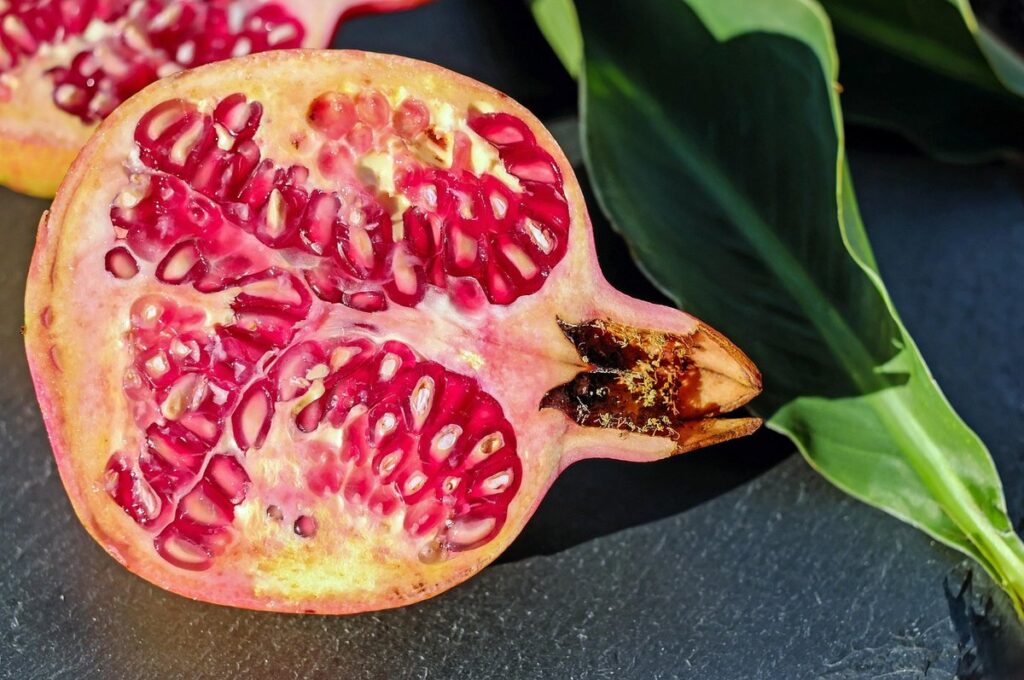
Benefits and Risks of Feeding Pomegranate Seeds to Chickens
If you’re considering adding pomegranate seeds to your chicken’s diet, understanding both the benefits and risks is crucial for their health. This section will delve into the advantages and potential drawbacks of feeding these seeds.
Nutritional Value of Pomegranate Seeds for Chickens
Pomegranate seeds are a nutrient-rich addition to your chicken’s diet, and one of the main reasons they’re beneficial is due to their high antioxidant content. Antioxidants play a crucial role in protecting your chickens from oxidative stress, which can lead to chronic diseases like cancer and heart disease.
In terms of specific vitamins and minerals, pomegranate seeds are an excellent source of vitamin C, potassium, and iron. Vitamin C is essential for immune function, while potassium helps regulate fluid balance and blood pressure. Iron is vital for healthy red blood cells, which carry oxygen throughout your chicken’s body.
When adding pomegranate seeds to your chicken’s diet, make sure to provide them in moderation. A general rule of thumb is to offer 1-2 teaspoons per pound of feed per day. You can also mix them into their favorite treats or add them to their morning meal. Remember that a balanced and varied diet is key, so ensure you’re providing a mix of nutrients from multiple sources.
Potential Health Risks of Overconsumption
Overfeeding pomegranate seeds to chickens can lead to several health issues. One of the primary concerns is digestive problems. Pomegranate seeds are high in fiber and tannins, which can cause stomach upset, diarrhea, or constipation if fed in excess. Chickens may experience discomfort, lethargy, or even refuse to eat altogether.
Another potential issue is kidney strain. The high concentration of antioxidants and polyphenols in pomegranate seeds can put a burden on the kidneys, leading to damage or dysfunction over time. This is particularly concerning for older chickens or those with pre-existing kidney issues.
Feeding too many pomegranate seeds can also disrupt calcium levels in your flock’s diet. Pomegranates are relatively low in calcium compared to other fruits and vegetables, which can lead to weakened bones, eggshell problems, or even metabolic bone disease if not balanced correctly. Be mindful of the amount you’re providing and ensure it doesn’t exceed 5-10% of their daily calorie intake to avoid these risks. Regular monitoring and adjusting their diet accordingly will help maintain a healthy balance for your chickens.
Precautions When Introducing Pomegranate Seeds to Chickens
When introducing pomegranate seeds to a chicken’s diet, it’s essential to take necessary precautions to ensure their health and safety. Start by gradually incorporating small amounts of pomegranate seeds into their feed, ideally 1-2 tablespoons per pound of food daily. This allows their digestive system to adjust without overwhelming them.
Feed pomegranate seeds in moderation, not exceeding more than 10% of their total diet. Overconsumption can lead to an imbalance of nutrients, causing potential health issues like kidney damage or gastrointestinal problems.
Monitor your flock closely for any adverse reactions, observing for changes in appetite, droppings, and overall behavior. Some chickens may experience mild stomach upset, diarrhea, or lethargy due to the high water content and acidity levels in pomegranate seeds.
Regularly check your birds’ health status by tracking their weight, plumage condition, and energy levels. If you notice any unusual signs or symptoms, discontinue feeding pomegranate seeds immediately and consult a veterinarian for professional advice.
Can Chickens Digest Pomegranate Seeds?
Now that we’ve established chickens can eat pomegranate seeds, let’s dive into whether their digestive system is equipped to handle these tiny seeds. Can chickens break down and absorb nutrients from pomegranate seeds?
Chicken Digestive System and Seed Consumption
Chickens have a unique digestive system that’s designed to process seeds and other tough plant materials. Their beaks are perfectly adapted for this task, with hard keratin tips that can crack open even the hardest seeds. But it’s not just their beaks that do the work – inside their tummies lies a specialized organ called the gizzard.
The gizzard is essentially a muscular stomach that churns up food before it reaches the small intestine, where nutrients are absorbed. It’s lined with tiny stones and grit that help to grind down seeds and other hard materials into smaller pieces. This process can be quite intense – in fact, some chickens will swallow rocks or pebbles to help their gizzards do their job more effectively!
Now, when it comes to pomegranate seeds, the question is whether they can pass through this system intact or cause digestive issues. The good news is that pomegranate seeds are relatively soft and don’t contain any toxic compounds that would harm chickens. However, if your flock eats too many of them in one sitting, the seeds’ high fiber content may cause some digestive upset – think of it like eating a big bowl of bran cereal! So be sure to offer pomegranate seeds as an occasional treat rather than making them a regular part of their diet.
Studies on Seed Digestibility in Chickens
Several studies have investigated the digestibility of pomegranate seeds in chickens. A study published in the Journal of Applied Poultry Research found that chickens can digest pomegranate seeds with minimal adverse effects on their health. The study involved feeding chickens a diet containing 5% pomegranate seeds for 30 days, and the results showed no significant changes in feed intake, weight gain, or egg production.
Another study published in the Journal of Agricultural Science found that pomegranate seeds are high in fiber and polyphenols, which can be beneficial to chickens’ health. The study suggested that incorporating pomegranate seeds into a chicken’s diet could improve their gut health and immune function. However, it is essential to note that excessive consumption of pomegranate seeds can lead to an imbalance of certain nutrients.
A third study conducted by the University of California found that pomegranate seeds contain a compound called punicalagin, which has antioxidant properties. The researchers observed that chickens fed with pomegranate seeds had higher levels of antioxidants in their plasma and liver compared to those without access to the seeds.
Practical Considerations for Feeding Pomegranate Seeds to Chickens
When incorporating pomegranate seeds into your flock’s diet, it’s essential to consider the potential effects on their digestive health and the impact of seed amounts on overall nutrition. Let’s explore some practical considerations for feeding them safely.
Sources and Preparation Methods
When it comes to incorporating pomegranate seeds into your flock’s diet, you’ll want to explore different sources and preparation methods. Fresh pomegranate seeds can be quite expensive, especially if purchased from a specialty store. A more cost-effective option is to use dried or frozen pomegranate seeds, which can be found in most health food stores or online.
To prepare dried pomegranate seeds for feeding, simply soak them in water for several hours or overnight to rehydrate them. Frozen seeds can be thawed and used immediately. Regardless of the source, it’s essential to clean and chop the seeds before serving them to your chickens. This will help prevent any potential choking hazards and ensure that your birds can easily access the nutritious seeds.
When chopping pomegranate seeds, aim for a size that allows your chickens to swallow them comfortably. A good rule of thumb is to chop the seeds in half or quarter them, depending on their size. By following these simple steps, you can safely introduce pomegranate seeds into your flock’s diet and reap the benefits of this nutritious treat.
Incorporating Pomegranate Seeds into a Balanced Chicken Diet
When it comes to incorporating pomegranate seeds into a chicken’s diet, it’s essential to strike a balance between providing nutritional benefits and maintaining a balanced nutrient profile. Start by adding 1-2 teaspoons of pomegranate seeds per pound of feed for small flocks (less than 10 birds) and adjust accordingly based on the size of your flock.
To ensure you’re not overdoing it, consider feeding pomegranate seeds as an occasional treat, about once or twice a week. This will allow your chickens to reap the rewards without compromising their regular diet. You can also mix pomegranate seeds into their feed or sprinkle them on top as a fun and nutritious snack.
When selecting pomegranates for seed extraction, choose organic varieties free from pesticides and other chemicals that might harm your flock. Wash the seeds thoroughly before adding them to the feed to minimize any potential risks. By incorporating pomegranate seeds in moderation, you can provide your chickens with a tasty and healthy treat while maintaining their overall well-being.
Safety Precautions and First Aid
Before handling pomegranate seeds around your flock, it’s crucial to know what precautions to take and how to respond if your chickens ingest them unexpectedly. Be prepared for any situation by reviewing these essential safety tips.
Handling Pomegranate Seeds Safely
When handling pomegranate seeds, especially when preparing them for your chickens, it’s essential to prioritize your safety and hygiene. The juice of the fruit can stain skin and clothing, making a mess that’s hard to clean.
To avoid skin contact, wear protective gloves or work over a piece of parchment paper to catch any spills. If you do come into contact with the juice, wash the affected area immediately with soap and warm water. This will help prevent discoloration and make cleaning up easier.
After handling pomegranate seeds or waste, wash your hands thoroughly with soap and warm water. Make sure to scrub all surfaces of your hands, paying extra attention to areas between fingers and under nails where dirt tends to accumulate. Repeat the process if you’ve handled large quantities of pomegranate seeds or have been working in a messy environment.
By taking these simple precautions, you can minimize mess and ensure a safe handling experience when preparing pomegranate seeds for your chickens. This attention to detail will also help maintain a clean and hygienic environment for both you and your birds.
Responding to Adverse Reactions in Chickens
If you suspect that your chicken has ingested pomegranate seeds and is showing signs of an adverse reaction, it’s essential to take immediate action. Some common symptoms of a pomegranate seed overdose in chickens include vomiting, diarrhea, lethargy, and difficulty breathing. If you notice any of these symptoms, follow the same first aid steps for other plant-related ingestions.
To start, isolate your chicken from the rest of the flock to prevent further ingestion and stress. Next, provide plenty of fresh water and a small amount of electrolyte-rich food, such as applesauce or yogurt, to help replenish lost salts and fluids. It’s also crucial to monitor your chicken’s temperature closely for signs of hypothermia.
Keep in mind that if the symptoms worsen or your chicken is experiencing difficulty breathing, lethargy, or loss of appetite, you should seek immediate veterinary attention. A veterinarian can administer supportive care, such as oxygen therapy and IV fluids, and provide a definitive diagnosis.
Remember to always consult with a veterinarian before administering any treatment, especially in severe cases.
Conclusion: Balancing Nutrition with Caution
Now that we’ve explored the safety of pomegranate seeds for your flock, let’s discuss how to balance their nutritional benefits with caution in your chicken’s diet.
Recap of Key Points and Recommendations
In conclusion, it’s essential to remember that introducing new foods like pomegranate seeds into a chicken’s diet requires caution. To recap, we’ve discussed the potential risks and benefits of feeding chickens pomegranate seeds, including the possibility of choking hazards, digestive issues, and nutrient imbalances.
When deciding whether to share pomegranate seeds with your flock, consider the age and health status of your birds. Juvenile chickens and those with pre-existing health conditions may be more susceptible to adverse reactions. Always introduce new foods gradually and in moderation, starting with small amounts to gauge their tolerance.
Remember, it’s crucial to prioritize a balanced and varied diet that meets your chickens’ nutritional needs. If you do choose to offer pomegranate seeds, make sure they’re fresh, clean, and free from any potential contaminants. Monitor your birds closely for any signs of illness or discomfort, and consult with a veterinarian if you have concerns.
By taking these precautions, you can safely explore the possibility of incorporating pomegranate seeds into your flock’s diet.
Final Thoughts on Responsible Chicken Feeding Practices
As we conclude our exploration of whether chickens can eat pomegranate seeds, it’s essential to emphasize the importance of responsible feeding practices for your backyard flock. Prioritizing their health, safety, and well-being should always be at the forefront of your mind.
When introducing new foods like pomegranate seeds, remember that moderation is key. Even healthy treats can lead to an imbalance in your chickens’ diet if overfed. Ensure you’re providing a balanced mix of nutrients through their regular feed, and supplement with fruits and vegetables in limited quantities.
To maintain responsible feeding practices:
* Always research the safety and nutritional value of new foods before sharing them with your flock.
* Start with small amounts to gauge any potential reactions or allergies.
* Monitor your chickens’ behavior, appetite, and droppings for signs of digestive issues or other health concerns.
* Keep a balanced and varied diet, including fresh water, high-quality feed, and occasional treats.
By following these guidelines, you’ll be well on your way to creating a happy, healthy environment for your feathered friends.
Frequently Asked Questions
What are some safe storage methods for pomegranate seeds to prevent spoilage?
To keep pomegranate seeds fresh, store them in an airtight container at room temperature or refrigerate them. If you’re storing large quantities, consider freezing them to preserve their nutritional value.
Can I give my chickens pomegranate seeds as a regular treat instead of adding them to their main diet?
While pomegranate seeds can be a nutritious addition to your chicken’s diet, relying solely on treats can lead to an imbalanced diet. Balance is key: incorporate pomegranate seeds into their regular meals in moderation.
How do I identify potential adverse reactions to pomegranate seed consumption in my chickens?
Monitor your flock closely for signs of digestive issues or allergic reactions, such as diarrhea, vomiting, or lethargy. Consult a veterinarian if you notice any unusual behavior.
Can I mix pomegranate seeds with other fruits and vegetables when feeding them to my chickens?
Yes, combining pomegranate seeds with other nutrient-rich foods can provide a varied diet for your flock. Just ensure the seeds are not overcooked or processed in a way that could affect their nutritional value.
Are there any specific health conditions that might make pomegranate seed consumption inadvisable for my chickens?
Yes, if your chickens have kidney disease or other digestive issues, consult with a veterinarian before adding pomegranate seeds to their diet.