
Are you considering adding some extra nutrition to your flock’s diet? You’ve probably heard about the benefits of giving chickens pumpkin puree, but is it really safe and healthy for them? While pumpkin is rich in vitamins, minerals, and antioxidants that can be beneficial for chickens, there are also potential risks to consider. In this article, we’ll explore the nutritional value of pumpkin puree for chickens, discuss safe amounts to feed, and examine the possible health risks associated with overfeeding or improper preparation. Whether you’re a seasoned chicken keeper or just starting out, understanding how to incorporate pumpkin puree into your flock’s diet is essential knowledge that can help keep your birds happy and healthy. Let’s dive in and separate fact from fiction.
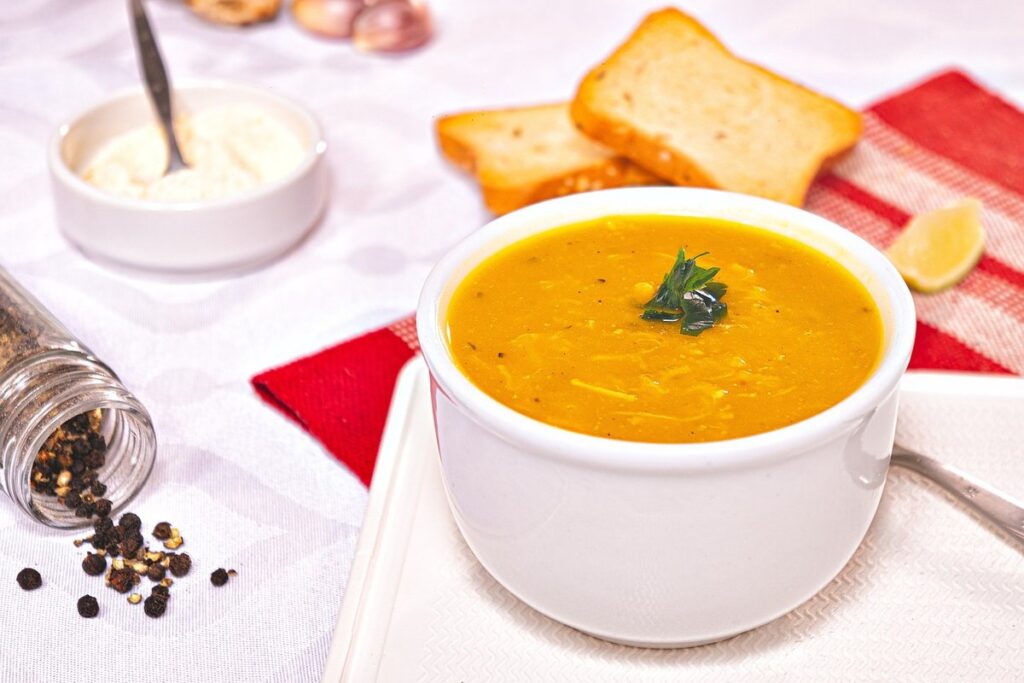
Introduction to Feeding Chickens Pumpkin
Now that you know why chickens love pumpkin, let’s dive into how to safely incorporate it into their diet as a nutritious treat. We’ll explore the benefits and tips for feeding your flock fresh pumpkin puree.
Benefits of Pumpkin for Chickens
Pumpkin is an excellent addition to your chicken’s diet, providing them with essential nutrients and health benefits. Rich in vitamins A and E, as well as minerals like potassium and magnesium, pumpkin helps support a strong immune system and overall health. The high water content of pumpkin also makes it an excellent source of hydration for chickens.
But that’s not all – pumpkin has been shown to have anti-inflammatory properties, which can help soothe digestive issues in chickens. If your flock is prone to respiratory problems or allergies, adding pumpkin to their diet may also provide some relief. To incorporate pumpkin into your chicken’s routine, try mixing a small amount of pureed pumpkin with their regular feed. A general rule of thumb is to start with about 1-2 tablespoons per bird and adjust as needed.
Some chicken keepers have even reported seeing improvements in egg production and shell quality after adding pumpkin to their flock’s diet. While more research is needed to confirm this, it’s certainly worth a try if you’re looking for natural ways to boost your chickens’ health.
Preparing Pumpkin Puree for Chickens
Preparing pumpkin puree for your chickens involves more than just scooping out the flesh and serving it up. To ensure their safety and the quality of the puree, you need to cook and store it properly.
Cooking methods can vary depending on your preference, but boiling is the most straightforward way. Cut a small to medium-sized pumpkin into manageable chunks and boil them in water until they’re tender. Drain the water, let the pumpkin cool down, then mash or blend it into a smooth puree. Alternatively, you can roast the pumpkin chunks in the oven at 350°F (180°C) for about 30-40 minutes, or until tender.
Regardless of the cooking method, store the cooled and mashed pumpkin puree in an airtight container in the refrigerator to keep it fresh for up to three days. If you won’t be using it within that timeframe, consider freezing it in ice cube trays. Frozen cubes can be added directly to your chickens’ food as needed, thawing them first if necessary.
Remember to use only cooked and cooled pumpkin puree when feeding it to your flock, as raw or undercooked pumpkin can cause digestive issues.
Importance of Balanced Diet for Chickens
When it comes to raising happy and healthy chickens, providing them with a balanced diet is essential. A well-rounded meal plan ensures that your feathered friends get all the necessary nutrients for optimal growth, energy, and overall well-being.
Incorporating pumpkin puree into their meals can be an excellent way to support their health. Pumpkins are rich in fiber, vitamins, and minerals, making them a nutrient-dense addition to your chickens’ diet. The antioxidants present in pumpkins can help protect against oxidative stress, while the beta-carotene supports healthy vision and immune function.
To create a balanced diet for your chickens, consider the following tips:
• Provide a mix of high-quality protein sources such as mealworms or commercial pellets
• Include a variety of fruits and vegetables, like carrots, apples, and leafy greens
• Limit processed foods and sugary treats
• Offer fresh water at all times
By following these guidelines and incorporating pumpkin puree into their meals, you’ll be well on your way to raising healthy, happy chickens.
Nutritional Value of Pumpkin Puree for Chickens
Pumpkin puree can be a nutritious and healthy addition to your flock’s diet, but what exactly does it provide in terms of nutritional value? Let’s take a closer look.
Macronutrients in Pumpkin
Pumpkin puree is an excellent source of essential macronutrients for chickens. A 100g serving of cooked, mashed pumpkin contains approximately 2.5 grams of protein, making it a moderate contributor to a chicken’s overall protein intake.
In terms of carbohydrates, pumpkin puree provides about 7.8 grams per 100g serving, predominantly in the form of complex starches and fibers. This is beneficial for chickens as it helps regulate blood sugar levels and supports healthy digestion. However, it’s essential to note that excessive carbohydrate consumption can lead to weight gain and obesity in chickens.
Fat content is relatively low in pumpkin puree, with approximately 0.2 grams per 100g serving. While this may not seem significant, incorporating small amounts of fat-rich foods like pumpkin into a chicken’s diet can help maintain healthy skin and feathers.
When adding pumpkin puree to your flock’s meals, consider the following ratios: for every 10 parts of standard feed, mix in 1-2 parts of cooked, mashed pumpkin. This will provide an optimal balance of macronutrients while avoiding overfeeding.
Micronutrients and Vitamins Found in Pumpkin
Pumpkin puree is an excellent addition to a chicken’s diet, providing essential vitamins and minerals that promote overall health and well-being. Rich in micronutrients, pumpkin puree contains vitamin A, which plays a vital role in maintaining healthy vision, immune function, and skin integrity. Vitamin E, another key nutrient found in pumpkin, functions as an antioxidant, protecting cells from damage caused by free radicals.
In addition to these vitamins, pumpkin puree is also rich in potassium, an essential mineral that helps regulate fluid balance and supports bone health. Potassium deficiency can lead to muscle weakness, fatigue, and heart problems, making it crucial for maintaining optimal chicken health. To incorporate pumpkin puree into your flock’s diet, start by adding a small amount (about 1-2 tablespoons per pound of food) to their regular feed. You can also mix it with other fruits and vegetables to create a balanced and nutritious meal. By doing so, you’ll be providing your chickens with the necessary nutrients to thrive and live healthy, happy lives.
Comparison to Other Treats for Chickens
When it comes to treats for chickens, pumpkin puree stands out from the rest due to its impressive nutritional profile. Compared to other common chicken treats like corn on the cob and sunflower seeds, pumpkin puree offers a more balanced blend of essential vitamins and minerals.
For instance, one cup of cooked, mashed sweet potatoes – another popular treat among chicken owners – contains only 0.2 grams of protein compared to 1.5 grams in one tablespoon of pumpkin puree. Additionally, pumpkin puree is rich in beta-carotene, a precursor to vitamin A that promotes healthy vision and immune function.
Another comparison can be made with commercial layer pellets or crumbles, which often contain fillers like wheat and corn that provide little nutritional value. Pumpkin puree, on the other hand, is free from additives and preservatives, making it an excellent supplement to their regular diet. By incorporating pumpkin puree into your chicken’s treat routine, you can ensure they’re getting a nutrient-dense snack that supports overall health and well-being.
Feeding Guidelines and Safety Precautions
When feeding pumpkin puree to your flock, it’s essential to follow some basic guidelines to ensure their safety. Follow these instructions carefully to avoid any potential health issues.
Safe Amounts and Frequency
When it comes to feeding pumpkin puree to your chickens, it’s essential to consider the safe amounts and frequency to avoid overfeeding. A good rule of thumb is to limit pumpkin puree to 1-2 tablespoons per chicken per day. This amount can be given as a treat or mixed with their regular feed.
Feeding too much pumpkin puree can lead to digestive issues, such as diarrhea or stomach upset, in your chickens. Pumpkin puree is high in fiber and water content, which can cause an imbalance in their diet if consumed excessively. For example, if you have a small flock of 5 chickens, stick to no more than 1/4 cup of pumpkin puree per day.
To avoid overfeeding, consider the following tips: start with small amounts and gradually increase as needed; monitor your chicken’s behavior and stool quality; and balance pumpkin puree with other nutrient-rich foods. Always prioritize fresh water and a balanced diet in their regular feed to ensure overall health and well-being.
Avoiding Allergies and Intolerances
When offering pumpkin puree as a treat to your flock, it’s essential to be aware of the potential for allergies and intolerances. Chickens can develop sensitivities to certain ingredients, just like humans do, so keep an eye out for signs that might indicate an issue.
Some common symptoms of food allergy or intolerance in chickens include diarrhea, vomiting, lethargy, and changes in appetite or behavior. If you notice any of these signs after introducing pumpkin puree into your chicken’s diet, it’s best to consult with a veterinarian for advice on what to do next.
If your flock is sensitive to pumpkin puree, there are plenty of alternative treats available that can provide similar nutritional benefits without the risk of allergy or intolerance. Carrots, sweet potatoes, and squash are all great options. You can also try mixing in some chopped apples or berries for added flavor and variety. Just be sure to introduce new foods gradually and in small amounts to monitor your flock’s reaction. By being mindful of potential allergies and intolerances, you can ensure a safe and enjoyable snacking experience for your feathered friends.
Potential Health Risks Associated with Pumpkin
While pumpkin puree can be a nutritious and delicious addition to your chicken’s diet, there are some rare health risks associated with feeding it to them. One of the most significant concerns is kidney stone formation. Yes, you read that right – chickens can develop kidney stones from eating too much pumpkin!
Pumpkin contains high levels of oxalates, which can crystallize in a chicken’s kidneys and cause painful blockages. This can lead to severe health issues, including chronic kidney disease, if left untreated. To put this into perspective, a single serving of cooked pumpkin puree contains about 250 milligrams of oxalate. While this might not seem like much, it can add up quickly, especially if you’re feeding large amounts or multiple servings per day.
To minimize the risk of kidney stone formation, it’s essential to feed pumpkin in moderation and balance out their diet with other nutrient-rich foods. Aim for no more than 1-2 teaspoons of pumpkin puree per pound of body weight per serving. Also, make sure your chickens have access to plenty of fresh water to help flush out any potential toxins. By following these guidelines, you can enjoy the benefits of pumpkin while keeping your feathered friends safe and healthy.
Tips for Growing Your Own Pumpkins
Growing your own pumpkins can be a fun and rewarding experience, and with these simple tips, you’ll be on your way to harvesting a bountiful crop in no time. From choosing the right variety to preventing common pests.
Choosing the Right Variety
When selecting a pumpkin variety for growing at home, it’s essential to consider your climate and region. For cooler climates with short summers, such as those found in the northern United States or Europe, ‘Jack Be Little’ or ‘Baby Boo’ are excellent choices. These compact varieties mature quickly, typically within 60-70 days, and produce smaller pumpkins that are perfect for sharing with your feathered friends.
In warmer climates like the southern United States or Australia, you may want to opt for longer-maturing varieties like ‘Atlantic Giant’ or ‘Big Max’. These pumpkin varieties require a bit more time to mature, typically taking around 100-120 days, but they produce larger pumpkins that are perfect for roasting and using in pumpkin puree.
It’s also worth noting that some pumpkin varieties are specifically bred for their high sugar content, making them ideal for cooking and baking. These include ‘Sugar Pie’ or ‘Baby Sugar’, which have a sweeter flavor profile than other varieties.
When growing pumpkins, make sure to choose a variety that is suitable for your region and climate, as this will ensure the best results and a bountiful harvest of delicious pumpkins to share with your chickens.
Planting and Care Instructions
When planting pumpkin seeds, make sure to choose a location with full sun and well-draining soil. Sow the seeds 1 inch deep and 4 feet apart in late spring after the last frost. Keep the soil consistently moist during the first few weeks after sowing.
As your pumpkin plants grow, they’ll require about 1 inch of water per week. Use a soaker hose or drip irrigation to deliver the water directly to the roots, reducing evaporation and runoff. Mulch around the plants to retain moisture, suppress weeds, and regulate soil temperature.
To promote healthy growth, fertilize your pumpkin plants with a balanced fertilizer once a month. You can also side-dress with a high-phosphorus fertilizer to encourage fruit production. Keep an eye out for pests like squash bugs and powdery mildew, and take action promptly if you notice any issues.
When the rinds of your pumpkins are hard and the stems dry, it’s time to harvest. Cut the stem with a sharp knife or pruning shears, leaving about 2-3 inches of stem attached to the pumpkin.
Benefits of Homegrown Pumpkin Puree
Using homegrown pumpkin puree as a treat for your flock offers numerous benefits that go beyond just providing a nutritious snack. For one, it allows you to control the ingredients and ensure that your chickens are getting only the best quality food. You can choose organic, non-GMO pumpkins free from pesticides, which is especially important if you’re planning to consume some of the eggs or meat from your backyard flock.
Another benefit is that homegrown pumpkin puree is a cost-effective way to provide your chickens with essential vitamins and minerals like beta-carotene, vitamin A, and fiber. You can also customize the recipe according to your flock’s specific needs, making it an excellent option for chickens with dietary restrictions or sensitivities.
One of the most significant advantages, however, is that using homegrown pumpkin puree encourages a sense of self-sufficiency and sustainability in your backyard chicken-keeping experience. By growing and processing your own pumpkins, you’re reducing your reliance on commercial feed products and promoting a more holistic approach to raising healthy, happy chickens.
Common Questions and Concerns
We’ve had some of you wonder if pumpkin puree is a safe treat for your feathered friends, so let’s dive into some common questions and concerns.
Addressing Flock Owners’ Queries
We’ve received numerous queries from flock owners about incorporating pumpkin puree into their chickens’ diet. Some of you have expressed concerns that it might be too rich for your birds, while others are unsure if they should make it a regular part of their feeding routine.
To alleviate these concerns, we’d like to address some frequently asked questions. Firstly, yes, chickens can eat pumpkin puree in moderation. However, it’s essential to introduce it gradually and not as a replacement for their regular feed. A good rule of thumb is to start with small amounts (about 1-2 tablespoons per chicken) and observe your birds’ behavior and stool quality.
Some of you may be wondering about the nutritional benefits of pumpkin puree for chickens. It’s rich in fiber, vitamins, and minerals that can help support their digestive health and even reduce stress levels. As an added bonus, it’s also relatively inexpensive and easy to find in most supermarkets.
To make the most of this healthy addition, remember to use plain, unflavored pumpkin puree without any added sugars or spices. You can also mix it with other fruits and vegetables to create a tasty and nutritious treat for your flock.
Best Practices for Introducing New Treats
When introducing new treats to your flock’s diet, including pumpkin puree, it’s essential to do so gradually and safely. A sudden change can lead to digestive issues, so start by mixing a small amount of the treat into their regular feed for 2-3 days. Gradually increase the proportion over the next week to ensure they can tolerate it.
Some key considerations when introducing pumpkin puree are:
* Always use plain, unflavored pumpkin puree without any added spices or sugar.
* Start with a small serving size (about 1-2 tablespoons per pound of feed) and observe your flock’s reaction before increasing the amount.
* Be mindful of overfeeding, as treats can quickly become a significant portion of their diet. Balance is crucial to maintaining overall health.
To make introducing new treats a breeze, try this simple “Treat Rotation” approach: introduce a new treat every week or two, but always provide a familiar feed staple alongside it. This allows your flock to adapt without feeling overwhelmed.
Frequently Asked Questions
Can I use canned pumpkin puree instead of cooking fresh pumpkin?
Yes, canned pumpkin puree is a convenient alternative to cooking fresh pumpkin, but make sure it’s free from additives and spices that can harm your chickens.
What if my chicken has a sensitive stomach; are there any potential allergy risks with pumpkin puree?
No, but it’s essential to introduce pumpkin puree gradually into their diet to monitor for any signs of intolerance. If you notice any unusual behavior or digestive issues, discontinue feeding and consult a veterinarian.
How can I ensure the pumpkin puree is properly digested by my flock, especially during hot summer months when hydration is crucial?
To avoid digestive issues, always provide fresh water alongside the pumpkin puree, and consider adding a small amount of probiotics to support gut health. Monitor your flock’s stool quality and adjust feeding amounts accordingly.
Can I use pumpkin puree as a replacement for their regular feed or should it be treated as an occasional supplement?
No, pumpkin puree should only be used in moderation (about 10% of their total diet) as an occasional treat to provide essential nutrients. Always maintain a balanced diet with high-quality commercial chicken feed.
What if I’m new to growing pumpkins and have questions about planting and care; are there any specific tips for beginners?
Choosing the right variety is crucial, so select ‘Sugar Pie’ or other compact, disease-resistant varieties specifically bred for small-scale cultivation. Plant seeds 1 inch deep in well-draining soil with full sun exposure, and keep the area consistently watered during the first few weeks.