
Are you wondering whether your feathered friends can safely munch on roasted pumpkin seeds? You’re not alone! Many chicken keepers are curious about the nutritional benefits and potential risks of sharing these tasty treats with their flock. But before you start sprinkling those seeds around, it’s essential to know if they’re safe for your chickens to eat – and whether roasting makes a difference. In this article, we’ll dive into the world of pumpkin seeds and chicken nutrition, exploring the pros and cons of both raw and roasted options. We’ll also cover storage tips to ensure you can enjoy these nutritious treats all year round. Whether you’re a seasoned chicken owner or just starting out, keep reading to learn more about whether roasted pumpkin seeds are a safe and healthy snack for your backyard chickens.
Benefits of Pumpkin Seeds for Chickens
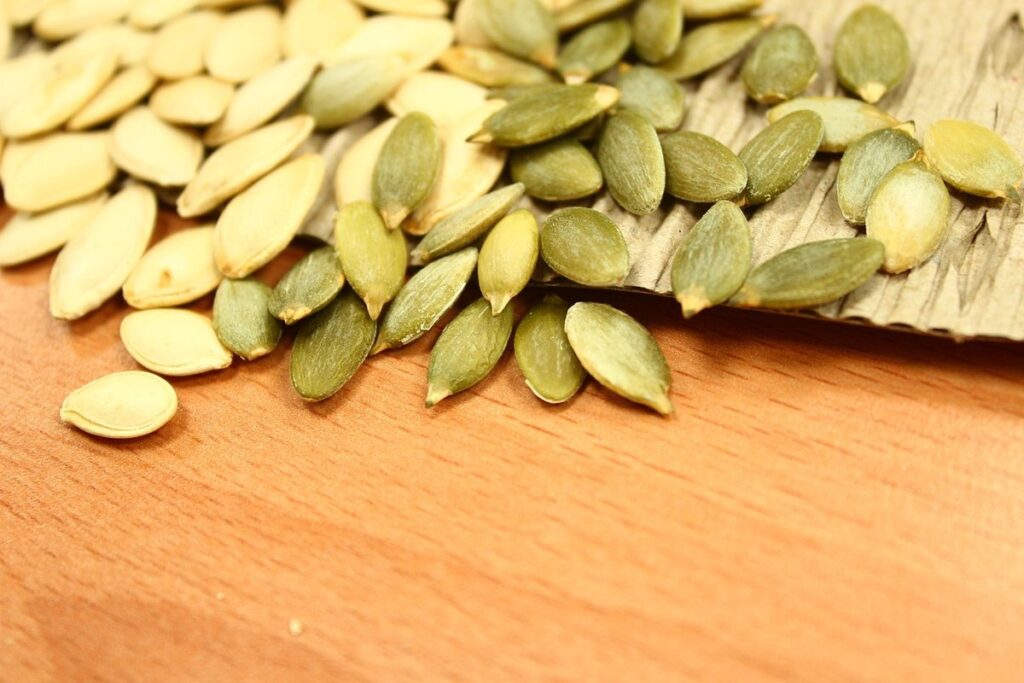
If you’re considering adding pumpkin seeds to your chicken’s diet, they offer a wealth of benefits that can boost their health and well-being. From improved digestion to stronger egg yolks.
Nutritional Value of Pumpkin Seeds
Pumpkin seeds are an excellent addition to a chicken’s diet, and their nutritional profile is just one reason why. As it turns out, pumpkin seeds are a rich source of protein, which makes them an ideal supplement for chickens that require extra energy or support muscle growth. In fact, about 30% of the dry weight of pumpkin seeds consists of protein, making them a valuable resource for chickens.
In addition to protein, pumpkin seeds are also high in fiber, containing about 10 grams per 100 grams of seeds. This can help regulate digestion and prevent issues like constipation or diarrhea in chickens. Furthermore, pumpkin seeds are rich in minerals such as magnesium, zinc, and phosphorus, all of which play important roles in maintaining overall health.
One of the most significant benefits of pumpkin seeds is their high concentration of omega-3 fatty acids. These essential nutrients help reduce inflammation and promote skin and feather health. For example, feeding your chickens roasted or raw pumpkin seeds can help combat issues like scaly legs or mites by reducing stress on the immune system.
Using Pumpkin Seeds as Treats
Using pumpkin seeds as treats is an excellent way to provide your flock with essential nutrients and add variety to their diet. Rich in protein, magnesium, and zinc, pumpkin seeds can be a great alternative to traditional treats like sunflower seeds or crackers.
Start by roasting a small batch of pumpkin seeds in the oven until crispy, then chop them into smaller pieces for your chickens to enjoy. You can also try adding a few whole pumpkin seeds to their feeding trough as an occasional snack. Not only will they provide a tasty treat, but they’ll also give your birds a chance to forage and peck at something new.
To make it more interesting, you can season the roasted pumpkin seeds with herbs like thyme or parsley, which are safe for chickens to consume in moderation. Just be sure not to overdo it – a little goes a long way when it comes to treats!
Remember to introduce new foods gradually and in small amounts to prevent digestive upset. With pumpkin seeds as part of their treat repertoire, your flock is sure to stay happy and healthy!
Risks Associated with Roasted Pumpkin Seeds
While roasted pumpkin seeds can be a tasty snack for humans, they do come with some potential risks to consider when sharing them with your feathered friends. These risks are crucial to understand before offering roasted seeds to your flock.
Heat Sensitive Nutrients
When you roast pumpkin seeds, there’s more to consider than just flavor. One of the most significant concerns is the potential loss of heat-sensitive nutrients like vitamin C and B vitamins. These essential compounds are crucial for maintaining optimal health in chickens.
Vitamin C is particularly susceptible to heat degradation, and exposure to temperatures above 140°F (60°C) can lead to a significant reduction in its potency. Similarly, B vitamins such as thiamin, riboflavin, and niacin have been shown to break down when exposed to high heat. This loss of nutrients can be detrimental to your flock’s overall health.
To avoid this nutrient loss, it’s essential to understand the roasting process and how to minimize damage to these sensitive compounds. When possible, roast pumpkin seeds at lower temperatures (around 120°F/49°C) for shorter periods to preserve as many nutrients as possible. If you must roast them at higher temperatures, be sure to use a thermometer to monitor the temperature and adjust cooking times accordingly.
Risk of Overheating for Chickens
Chickens can be affected by overheating due to consuming roasted pumpkin seeds, particularly in hot environments. When you roast pumpkin seeds, they become crispy and aromatic, but this process also increases their fat content. If chickens consume these seeds regularly, it can lead to an imbalance of healthy fats in their diet.
In hot climates or during peak summer months, chickens may struggle to regulate their body temperature due to the high caloric intake from roasted seeds. This can cause them to overheat quickly, especially if they don’t have access to adequate shade and ventilation.
To minimize the risk of overheating, it’s essential to limit your chicken’s pumpkin seed consumption, particularly in hot environments. A general rule is to provide no more than 1-2 tablespoons per week as an occasional treat. Also, ensure that your chickens have a balanced diet with plenty of fresh fruits, vegetables, and whole grains.
Additionally, keep a close eye on your flock’s behavior during the hottest part of the day and take measures to cool them down if necessary, such as providing water misters or offering cold treats like frozen fruits or ice cubes.
Preparing Pumpkin Seeds for Chicken Consumption
Before offering pumpkin seeds to your flock, let’s learn how to properly prepare them by removing shells and roasting to enhance digestibility.
Raw vs. Roasted: Which is Better?
When it comes to preparing pumpkin seeds for your flock, one crucial decision is whether to offer them raw or roasted. While both options have their benefits and drawbacks, the nutritional values of each can significantly impact the health of your chickens.
Raw pumpkin seeds are a good source of healthy fats, protein, and fiber, but they contain a compound called phytate that can inhibit nutrient absorption. On the other hand, roasting pumpkin seeds increases their bioavailability by breaking down phytates, making their nutrients more accessible to your chickens. Roasted seeds also enhance their digestibility and provide a higher concentration of antioxidants.
However, it’s essential to note that excessive heat during roasting can damage the delicate fatty acids in pumpkin seeds. To ensure you’re providing the best possible snack for your flock, roast your pumpkin seeds at a moderate temperature (around 350°F) for about 10-15 minutes, stirring frequently to avoid burning.
Overall, roasted pumpkin seeds are a better option due to their enhanced bioavailability and increased nutrient accessibility.
Safety Precautions When Feeding Chickens Pumpkin Seeds
When introducing pumpkin seeds into your chicken’s diet, it’s essential to take certain safety precautions. To avoid any adverse reactions, start with a small amount and monitor their behavior closely. Begin by offering a single tablespoon of pumpkin seeds per bird, and observe how they respond.
Be cautious not to overfeed, as excessive consumption can lead to digestive issues or pancreatitis in chickens. Pumpkin seeds are rich in fat, which, if eaten excessively, can cause obesity and other health problems.
When handling pumpkin seeds, ensure your hands are clean and free from any chemicals or pesticides that may be toxic to your flock. Rinse the seeds thoroughly before offering them to your chickens. Keep in mind that raw pumpkin seeds contain a compound called cucurbitin, which can cause gastrointestinal upset if eaten in excess. To minimize this risk, consider roasting the pumpkin seeds first, as heat breaks down the cucurbitin, making it safer for consumption. Always prioritize your flock’s health and adjust serving sizes according to their individual needs.
Potential Allergies or Intolerances
Before adding pumpkin seeds to your chickens’ diet, consider potential allergies or intolerances that could arise from feeding them roasted or raw pumpkin seeds. Be aware of these possibilities for your flock’s health and safety.
Identifying Signs of Allergy or Intolerance
If you suspect that your chicken is experiencing an allergy or intolerance to pumpkin seeds, it’s essential to recognize the signs. Common indicators of a reaction can be quite subtle and may not be immediately noticeable. Look for changes in your chicken’s behavior, such as lethargy, loss of appetite, or excessive scratching or pecking at its feathers.
Some other telltale signs include:
• Droopy wings or feathers
• Discharge from the eyes or nostrils
• Soft or runny stools
• Increased water consumption
If you notice any of these symptoms in your chicken after feeding it pumpkin seeds, remove them immediately and monitor your bird’s condition closely. To confirm an allergy or intolerance, try reintroducing the pumpkin seeds into their diet gradually, observing for reactions each time.
Keep a close eye on your flock’s behavior, and consider consulting a veterinarian if you’re unsure about your chicken’s health. Early detection and removal of allergenic substances can prevent more severe complications and ensure your bird’s well-being.
Alternatives for Chickens with Sensitivities
If you suspect that your chicken has a sensitivity to pumpkin seeds, don’t worry – there are plenty of alternative treats and ingredients you can introduce into their diet. For instance, sunflower seeds are an excellent option as they’re rich in protein and fiber. You can offer them raw or lightly toasted for added crunch.
Another option is safflower seeds, which have a mild flavor that many chickens love. Some chicken owners also swear by offering chopped apples, carrots, or sweet potatoes as healthy snacks. These should be given in moderation to avoid overfeeding.
If you’re looking for something with a similar texture to pumpkin seeds, consider giving your flock some squash seeds. Butternut and acorn squash are popular options among backyard chicken enthusiasts. Just make sure to remove any potential choking hazards like the pit or seeds from the squash itself.
Remember to always introduce new foods gradually and in small amounts to prevent digestive upset. Also, be mindful of allergies within your flock by monitoring their behavior and adjusting accordingly.
Storage and Handling of Pumpkin Seeds
When it comes to storing and handling pumpkin seeds, proper care is crucial to keep them fresh and safe for your flock to enjoy. Learn how to store and handle pumpkin seeds correctly here.
Storing Raw vs. Roasted Pumpkin Seeds
When it comes to storing pumpkin seeds for your flock, proper storage is crucial to maintain their quality and nutritional value. Whether you’ve collected raw or roasted seeds, follow these guidelines to keep them fresh.
For both raw and roasted seeds, airtight containers are essential to prevent moisture and pests from spoiling the contents. You can store them in glass jars with tight-fitting lids or plastic containers with secure seals. Label each container with its contents and date, so you can easily identify what’s inside and how long it’s been stored.
For longer-term storage, consider freezing your pumpkin seeds. This method helps preserve their nutritional content and prevents spoilage. Simply spread the seeds in a single layer on a baking sheet and place them in the freezer until they’re frozen solid. Transfer the frozen seeds to an airtight container or freezer bag for long-term storage. Frozen seeds can be stored for up to six months.
Remember, proper storage ensures your pumpkin seeds remain fresh and safe for your chickens to enjoy. Always check the seeds regularly for signs of spoilage before offering them to your flock.
Safety Precautions When Feeding Chickens
When handling and storing pumpkin seeds for feeding to chickens, it’s essential to take safety precautions to avoid contamination and spoilage. This is crucial not only for maintaining the health of your flock but also to prevent foodborne illnesses.
Firstly, make sure to store pumpkin seeds in a cool, dry place away from direct sunlight. Moisture can cause mold and fungus growth, which can be toxic to chickens. Airtight containers or bags are ideal for storing pumpkin seeds, as they will keep the seeds fresh and prevent them from becoming stale.
When handling pumpkin seeds, wash your hands thoroughly before and after touching the seeds to prevent cross-contamination with bacteria like Salmonella and E. coli. It’s also a good idea to use gloves when handling pumpkin seeds, especially if you’re planning to roast or cook them for feeding to chickens.
Remember, it’s always better to err on the side of caution when it comes to storing and handling food for your flock. By following these simple safety precautions, you can ensure that your chicken feed remains fresh and safe for consumption.
Conclusion: Balancing Treats with a Balanced Diet
Now that we’ve explored the ins and outs of roasted pumpkin seeds for your chickens, let’s discuss how to incorporate them into their balanced diet in moderation.
Importance of Variety in Chicken Diets
When it comes to feeding our feathered friends, variety is key. While pumpkin seeds can be a tasty and nutritious treat for chickens, they shouldn’t make up the bulk of their diet. A balanced diet with a mix of protein sources, vegetables, and grains will ensure that your flock stays healthy and thriving.
Including a range of treats like pumpkin seeds can add excitement to mealtime and provide essential vitamins and minerals. For example, pumpkin seeds are rich in magnesium, zinc, and protein, making them an excellent addition to their diet. However, it’s crucial not to overdo it – stick to small amounts as part of a varied treat routine.
To incorporate variety into your chickens’ diets, consider the 80/20 rule: 80% of their daily calories should come from a balanced commercial feed or pellets, while 20% can be made up of fruits, vegetables, and treats like pumpkin seeds. This balance will keep your flock happy and healthy, with a strong immune system to boot!
Final Recommendations for Feeding Chickens Pumpkin Seeds
When introducing pumpkin seeds as treats to your flock, it’s essential to consider the quantity and quality of these nutritious goodies. To ensure you’re offering a balanced treat, remember that pumpkin seeds can be high in fat and calories, so moderation is key.
A good rule of thumb for healthy chicken treats is to provide 1/4 cup per pound of body weight per day. With this guideline in mind, if your chicken weighs about 3 pounds, they would need around 3/4 cup of pumpkin seeds daily. However, it’s crucial not to overdo it with the quantity.
Consider adding a variety of other treats and forages to their diet as well, so that pumpkin seeds make up only one part of the mix. This balanced approach will help prevent any adverse effects from excessive consumption of these tasty seeds.
Frequently Asked Questions
Can chickens eat pumpkin seeds that have been stored for a long time?
While roasted pumpkin seeds can last longer than raw ones, it’s essential to store them properly to preserve their nutritional value. If you’re planning to store roasted pumpkin seeds for an extended period, make sure they are kept in airtight containers and kept cool, dry places like your pantry or cupboard.
How many pumpkin seeds should I give my chickens as treats?
When using roasted pumpkin seeds as treats, it’s essential to introduce them gradually into your flock’s diet. A good starting point is to offer 1-2 teaspoons per chicken per day, depending on their size and age. Monitor their behavior and adjust the quantity accordingly.
Can I roast pumpkin seeds in bulk for long-term use?
Roasting pumpkin seeds in bulk can be a convenient way to prepare treats for your flock. However, make sure to cool them completely before storing them in airtight containers. This will help prevent oil separation and keep them fresh for longer.
What if my chickens are sensitive to roasted pumpkin seeds? Can I try raw ones instead?
If you notice any adverse reactions after introducing roasted pumpkin seeds, it’s likely that your flock is sensitive to the roasting process or other additives. In this case, consider switching to raw pumpkin seeds as an alternative. Always introduce new foods gradually and in small quantities.
How can I ensure my chickens don’t overheat from eating roasted pumpkin seeds?
When offering roasted pumpkin seeds as treats, it’s essential to provide fresh water and a balanced diet to prevent overheating. Also, be mindful of the temperature and humidity levels in your coop, especially during hot summer months.