
Are you looking for a nutritious and delicious way to boost your chickens’ diet? You’re in luck because we’re about to dive into one of the most versatile superfoods for backyard flocks: quinoa. As it turns out, quinoa is not just a human favorite, but also a fantastic treat or supplement for our feathered friends. Rich in protein, fiber, and essential micronutrients like iron and magnesium, quinoa can be a game-changer for your chickens’ overall health. But before you start sharing this golden grain with your flock, it’s essential to learn how to safely cook and feed it to avoid any potential issues. In this article, we’ll explore the benefits of quinoa for chickens, provide cooking tips, and guide you on incorporating this nutritious treat into their diet.
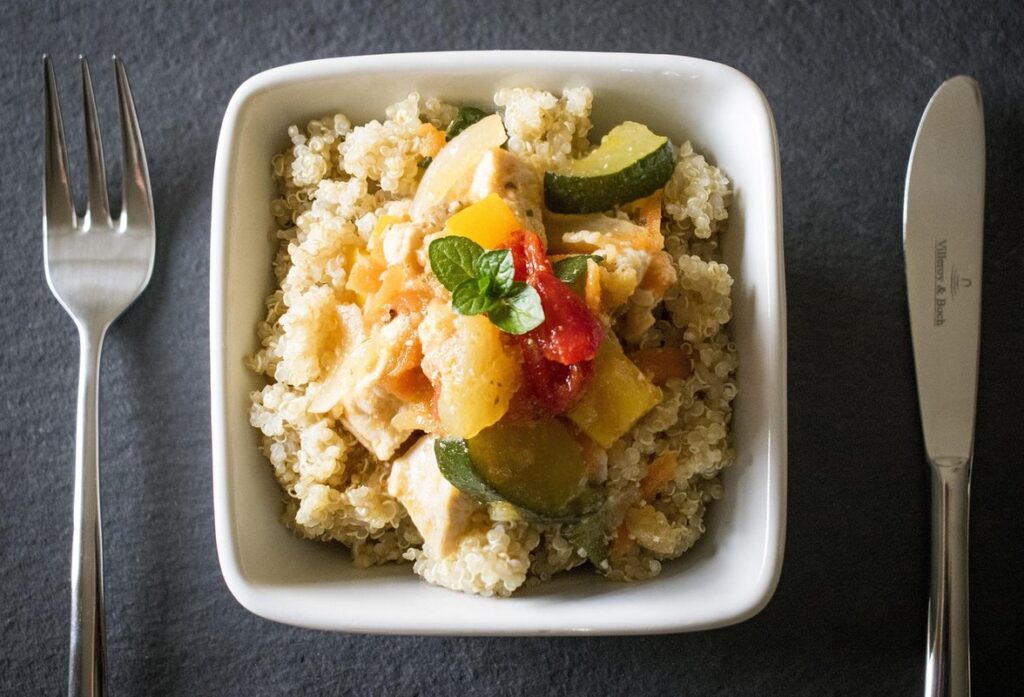
Benefits and Nutritional Value of Quinoa for Chickens
Quinoa is a nutrient-rich food that can provide your chickens with essential vitamins, minerals, and proteins when added to their diet. Let’s dive into its benefits and how it contributes to their overall health.
Rich in Protein and Fiber
Quinoa is an exceptional source of protein, providing all nine essential amino acids that chickens need to grow and maintain their health. When incorporated into a chicken’s diet, quinoa can significantly support muscle growth and development, making it an excellent addition for young or growing birds. A 1/4 cup serving of cooked quinoa contains about 8 grams of protein, which is roughly the same amount found in 2 eggs.
The high protein content in quinoa also helps to promote healthy feathers, egg production, and overall immune function in chickens. For backyard chicken keepers, adding quinoa to their flock’s diet can be a simple way to boost nutrition without relying on commercial feed supplements. In fact, a study showed that feeding quinoa to laying hens resulted in increased egg production and improved egg quality.
When feeding quinoa to your chickens, make sure to soak it overnight to reduce its phytic acid content, which can inhibit nutrient absorption. You can mix cooked quinoa with other grains or vegetables to create a balanced and nutritious feed.
Micronutrients and Vitamins in Quinoa
Quinoa is an excellent source of essential micronutrients and vitamins that are vital for maintaining your flock’s overall health. Iron, a crucial component found in quinoa, plays a pivotal role in transporting oxygen throughout the chicken’s body. A deficiency in iron can lead to conditions such as anemia, which may slow down growth rates and cause fatigue.
Magnesium is another essential nutrient present in quinoa, responsible for facilitating various bodily functions including energy production and bone health. This mineral helps maintain strong skeletal structure and supports overall muscle function.
Vitamin E, a powerful antioxidant found in quinoa, protects the chicken’s cells from damage caused by free radicals. It also supports immune system function and skin health. A well-balanced quinoa diet can significantly boost your flock’s immunity and reduce their susceptibility to diseases.
When incorporating quinoa into your chickens’ meals, it is essential to note that they require a balanced diet that includes adequate amounts of protein, calcium, and other essential nutrients. A general rule of thumb is to mix 10-15% of quinoa with their regular feed to avoid upsetting their digestive system.
Preparing Quinoa as a Treat or Supplement
To incorporate quinoa into your flock’s diet, you’ll want to explore ways to prepare it as a treat or supplement that’s both safe and palatable for them. Let’s take a closer look at some creative options.
Cooking Methods and Safety Precautions
When cooking quinoa for your feathered friends, it’s essential to follow proper methods and safety precautions. Overcooking is a common mistake that can make quinoa unpalatable and even toxic for chickens.
To avoid this, start by rinsing the quinoa thoroughly to remove any saponins, which can give quinoa an unpleasant taste and texture. Use a fine-mesh strainer under cold running water for 30 seconds. This step is crucial in making quinoa digestible for chickens.
For every cup of quinoa, use two cups of water. Bring the water to a boil in a saucepan, then add the rinsed quinoa. Reduce heat to low and cover with a lid. Simmer for about 15-20 minutes or until the water is absorbed and the quinoa is tender.
Be cautious not to overcook quinoa, as it can turn into mush and become a choking hazard for chickens. Check on it frequently towards the end of cooking time. Also, ensure that the cooked quinoa has cooled down before serving it to your flock.
When introducing quinoa to your chickens’ diet, start with small portions (about 1 tablespoon per pound of body weight) to prevent digestive upset.
Feeding Quinoa in Moderation
When feeding quinoa to your flock, it’s essential to remember that moderation is key. Quinoa is nutritious and packed with protein, fiber, and minerals, but overfeeding can lead to an imbalance of nutrients in their diet.
A good rule of thumb is to introduce quinoa as a treat or supplement, not as a replacement for their regular feed. Aim to provide no more than 10% of their daily caloric intake from quinoa. This translates to about 1-2 tablespoons per pound of body weight per day. For example, if you have a flock of chickens that weigh around 3 pounds each, you can offer them 1/4 cup of cooked quinoa as an occasional treat.
Feed your chickens cooked quinoa in moderation, 1-2 times a week, to avoid overloading their digestive system. Also, be mindful of the cooking method – steaming or boiling is recommended, as it preserves more nutrients than frying or roasting. Always provide fresh water and regular pellets or grains as the primary source of nutrition.
Types of Chickens That Can Eat Quinoa
When introducing quinoa into your flock’s diet, it’s essential to know which breeds can safely eat this nutritious grain. Let’s explore some popular chicken types that are well-suited for a quinoa-rich regimen.
Bantam and Small-Breed Chickens
For smaller breeds of chickens, such as Bantams and other compact varieties, nutrition can be particularly crucial. These birds have specific needs that larger breeds don’t, and quinoa can play a vital role in filling nutritional gaps.
Bantam and small-breed chickens require more energy relative to their body size compared to standard-sized birds. They also tend to metabolize food faster due to their higher metabolic rate. As a result, they may benefit from a diet rich in protein and fiber to support their growth and maintenance.
Quinoa is an excellent source of these essential nutrients for smaller breeds. A 1/4 cup serving contains about 6 grams of protein, which can help meet the dietary needs of Bantams and other small-breed chickens. Quinoa also provides a good balance of complex carbohydrates, fiber, and healthy fats that support overall health.
Incorporating quinoa into their diet can be as simple as adding it to their feed mixture or using it as an occasional treat. However, it’s essential to introduce new foods gradually to prevent digestive upset. Start by mixing small amounts of cooked quinoa with their regular feed and monitor for any adverse reactions before increasing the serving size.
Large Breed Chickens and Performance Animals
For large breed chickens and performance animals, quinoa can be a valuable addition to their diet. These birds require more protein and calories to maintain muscle mass and support egg production. Quinoa is an excellent source of plant-based protein, making it an ideal supplement for these animals.
Quinoa has been shown to improve egg quality in laying hens. A study found that quinoa-fed hens produced eggs with higher omega-3 fatty acid levels and better yolk coloration. This is likely due to the high concentration of antioxidants and other beneficial compounds present in quinoa.
In terms of meat quality, quinoa can also have a positive impact on performance animals. Quinoa contains all nine essential amino acids that are crucial for muscle growth and repair. Feeding quinoa to these birds can help improve feed efficiency and promote better weight gain.
When incorporating quinoa into the diet of large breed chickens or performance animals, it’s essential to provide them with fresh water at all times. A general rule of thumb is to mix 10-15% quinoa with their regular feed to avoid any digestive issues. Consult with a veterinarian or poultry expert to determine the best ratio for your flock.
Potential Risks and Allergies
While quinoa can be a nutritious addition to your flock’s diet, there are some potential risks and allergies you should be aware of when feeding it to your chickens. Let’s explore these concerns together.
Overconsumption and Imbalance
Feeding quinoa to chickens can be a nutritious addition to their diet, but overconsumption and imbalance can lead to some serious issues. Quinoa is high in protein, which is great for chickens, but excessive amounts can cause an imbalance in their protein-to-carbohydrate ratio.
When fed excessively, quinoa can also lead to an overload of essential fatty acids, particularly linoleic acid. This can cause a range of problems, from digestive issues to reproductive problems. For example, research has shown that high levels of linoleic acid in chicken feed can lead to decreased egg production and fertility in laying hens.
To avoid overconsumption and imbalance, it’s essential to introduce quinoa gradually and in moderation. Start by adding small amounts (about 1-2% of their daily diet) and monitor your chickens’ response. Also, ensure that you’re providing a balanced and varied diet that includes other nutrient-rich foods like fruits, vegetables, and grains.
A general rule of thumb is to keep quinoa as a supplement rather than a staple food in your chicken’s diet. This will help prevent overconsumption and maintain a healthy balance of nutrients.
Allergic Reactions and Sensitivities
While quinoa is considered a nutritious and safe food for human consumption, it’s essential to consider potential allergic reactions and sensitivities in chickens. Chickens can develop allergies to certain ingredients in their feed, including proteins like saponins found in quinoa.
Symptoms of an allergic reaction in chickens may include respiratory issues, skin irritation, or changes in droppings. If you suspect your chicken is experiencing any of these symptoms after consuming quinoa, it’s crucial to consult with a veterinarian for proper diagnosis and treatment.
To identify potential allergies, keep a close eye on your flock’s behavior and health. Monitor their appetite, water intake, and overall well-being. You can also try introducing small amounts of quinoa into their diet under close observation.
If you do decide to feed quinoa to your chickens, be sure to introduce it gradually and in moderation. Start with a small amount (about 1/4 teaspoon per chicken) and monitor for any adverse reactions before increasing the serving size. By taking these precautions, you can minimize the risk of allergic reactions and ensure a healthy and happy flock.
Integrating Quinoa into a Chicken’s Diet
Now that we’ve covered whether quinoa is safe for your flock, let’s dive into how to successfully incorporate it into their diet.
Long-Term Effects and Health Benefits
Incorporating quinoa into a chicken’s diet can have long-term effects on their overall health and longevity. Studies have shown that quinoa is rich in antioxidants, fiber, and essential amino acids, making it an excellent addition to a chicken’s meal plan. The complex carbohydrates present in quinoa can help regulate blood sugar levels and improve insulin sensitivity, reducing the risk of chronic diseases such as diabetes and heart disease.
Quinoa also contains essential minerals like iron, magnesium, and potassium, which are vital for maintaining healthy red blood cells, bone health, and nerve function. When fed regularly, quinoa can lead to improved immune system function, reduced inflammation, and enhanced overall well-being in chickens. In addition, the protein content in quinoa helps promote muscle growth and repair, making it an excellent choice for chicken owners who want to ensure their birds’ optimal health.
Chickens fed a diet rich in quinoa have been observed to exhibit improved egg production, better feather quality, and enhanced vitality. To incorporate quinoa into your chicken’s diet, start by adding 1-2 tablespoons per pound of feed daily, gradually increasing the amount over time. Monitor your flock’s response and adjust the ratio accordingly.
Practical Tips for Incorporation
When introducing quinoa into your chicken’s diet, it’s essential to do so gradually to prevent digestive upset. Start by mixing a small amount of cooked quinoa with their regular feed for 2-3 days. Gradually increase the proportion of quinoa over the next week, monitoring your flock’s response closely.
A general rule of thumb is to introduce new foods in moderation, about 1/4 cup per chicken per day. For example, if you’re feeding a flock of five chickens, start with 1-2 cups of cooked quinoa spread across their feeders. Be sure to provide fresh water at all times and observe your birds’ behavior, appetite, and droppings for any signs of distress.
Keep in mind that some chickens may require more time or patience than others when adapting to a new food source. Monitor individual bird’s progress closely, adjusting the amount of quinoa accordingly. Also, always store quinoa in an airtight container to prevent spoilage and maintain its nutritional value.
Conclusion
Now that we’ve explored the ins and outs of feeding quinoa to your flock, it’s time to summarize our findings and offer a final verdict on whether quinoa is safe for chickens.
Summary and Recommendations
In conclusion to our exploration of whether chickens can safely consume quinoa, let’s summarize the key takeaways and provide some recommendations for incorporating this nutritious grain into their diet.
Based on our analysis, it appears that quinoa is a viable addition to a chicken’s diet, providing essential amino acids and other vital nutrients. However, it’s crucial to introduce quinoa gradually to prevent digestive upset and ensure your flock can tolerate it. A general rule of thumb is to start with small amounts (about 1-2 tablespoons per pound of body weight) mixed into their regular feed.
When selecting a quinoa for your chickens, choose a plain, unflavored variety without added seeds or herbs that could cause digestive issues. Store-bought quinoa is an excellent option; however, be aware of contamination risks associated with processed foods.
For optimal results, mix cooked quinoa with other nutrient-rich ingredients to create a balanced meal plan. Consider adding fruits and vegetables like apples, carrots, or sweet potatoes for added flavor and nutrition.
Some chicken owners have successfully incorporated quinoa into their flock’s diet as an occasional treat, up to 5-7% of the total feed intake. However, this should be done under close observation to ensure your chickens don’t develop any adverse reactions.
To reap the full benefits of quinoa in your chicken’s diet:
* Introduce it gradually and monitor for digestive issues
* Choose plain, unflavored varieties
* Mix with other nutrient-rich ingredients for balanced meals
* Keep contamination risks in mind when selecting store-bought options
Remember to consult with a veterinarian if you notice any signs of illness or discomfort after introducing quinoa into your flock’s diet. With careful planning and introduction, quinoa can be a valuable addition to your chicken’s meal plan, providing essential nutrients for optimal health.
Frequently Asked Questions
Can I feed quinoa to chicks, or is it better suited for older chickens?
You can safely introduce cooked quinoa to chicks as young as 2-3 weeks old, but make sure they’re on a balanced starter diet first. Start with small amounts (about 1/8 teaspoon per chick) and gradually increase the serving size over time.
How do I incorporate quinoa into my chickens’ regular feed without overfeeding them?
To avoid upsetting their digestive balance, mix cooked quinoa with their regular layer feed or starter mash to create a balanced meal. Start by replacing 10-15% of their regular feed with quinoa and monitor their health and egg production.
What are some common signs that my chickens might be allergic to quinoa?
Watch for symptoms like lethargy, diarrhea, or changes in droppings after introducing quinoa into their diet. If you notice any adverse reactions, consult a veterinarian or poultry expert to determine the best course of action.
Can I use leftover quinoa as a treat, or should it be fresh each time?
It’s recommended to cook and serve fresh quinoa for optimal nutritional value and safety. However, if stored properly in an airtight container, cooked quinoa can be safely used as a treat within 24 hours.
Are there specific health benefits for certain breeds of chickens when consuming quinoa?
While quinoa is beneficial for most chicken breeds, bantam and small-breed chickens may benefit more from its high protein content due to their faster growth rates. Large breed or performance animals might require closer monitoring to ensure they don’t overconsume quinoa and lose their natural appetite for regular feed.