
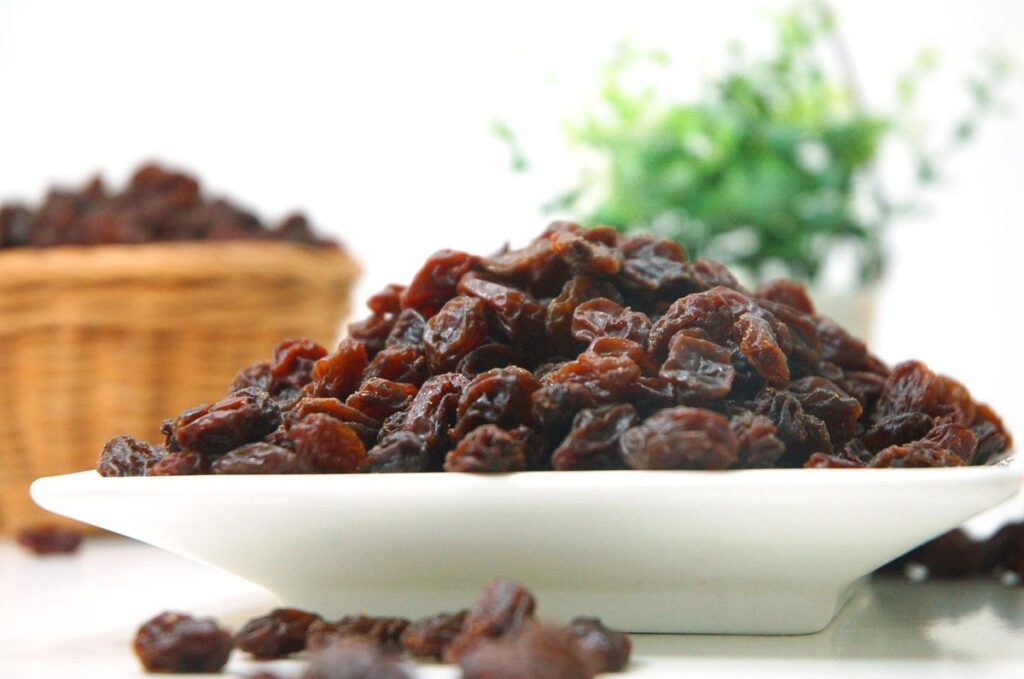
As a responsible chicken owner, you’re always on the lookout for ways to keep your flock happy and healthy. But have you ever stopped to think about what might be lurking in their favorite treats? When it comes to snacking, many of us reach for raisins – but can chickens eat raisins safely? Unfortunately, the answer is no. Feeding raisins to your chickens can pose serious health risks, from obstruction and blockages to life-threatening conditions like kidney damage.
In this article, we’ll delve into the dangers of feeding raisins to your chickens and explore safe alternatives that are just as tasty but far more nutritious. We’ll also share expert advice on maintaining a healthy flock and offer practical tips for selecting the best treats for your feathered friends. Whether you’re a seasoned chicken owner or just starting out, our comprehensive guide will help you make informed choices and keep your flock thriving.
Understanding Chicken Nutrition and Diet
To keep your flock healthy, it’s essential to understand what constitutes a balanced diet for chickens, including what foods they can safely eat and those to avoid entirely. Let’s dive into chicken nutrition basics first.
Importance of a Balanced Diet for Chickens
A balanced diet is essential for chickens to live a healthy and productive life. Just like humans, chickens require a mix of nutrients from various food sources to maintain their overall well-being. A well-balanced diet provides the necessary energy, proteins, and vitamins that help chickens grow strong bones, feathers, and immune systems.
When it comes to feeding your backyard flock, consider the following essential components: protein-rich foods like crickets, mealworms, or commercial chicken feed; calcium-rich foods such as crushed oyster shells for eggshell production; and a variety of fruits and vegetables. However, it’s crucial not to overdo it with treats, especially sugary ones like raisins.
To ensure your chickens receive a balanced diet, maintain a regular feeding schedule and stick to the recommended amounts. You can also consider supplementing their meals with nutrient-rich ingredients, such as leafy greens or fruits like berries. Always prioritize high-quality commercial feed as the main staple of their diet. By doing so, you’ll help prevent nutritional deficiencies and promote overall health in your flock.
Common Foods That Are Toxic to Chickens
When it comes to feeding your flock, it’s essential to know which foods are toxic to chickens. Some human treats can be hazardous to their health, and raisins are one of them. But what other common foods should you avoid giving to your feathered friends?
Avocado pits, skins, and leaves contain a toxic compound called persin, which can cause respiratory issues in birds. Onions and garlic belong to the Allium family and contain a compound that can damage their red blood cells. Chocolate contains theobromine, which is toxic to chickens and can lead to heart problems and even death.
Even seemingly harmless foods like coffee grounds, tea leaves, and citrus fruits can cause harm if consumed in large quantities. Chickens also shouldn’t have access to moldy or spoiled food, as it can contain mycotoxins that are detrimental to their health. Always keep these hazardous items out of reach and opt for safe treats specifically formulated for chickens.
How Raisins Can Be Harmful to Chickens
While raisins may seem like a harmless treat for your chickens, they can actually pose some serious health risks. One of the main concerns is their high sugar content. Raisins are essentially dried grapes, and as such, they pack a punch when it comes to natural sugars. A single serving of raisins (about 1/4 cup) contains around 21 grams of sugar. For chickens, this can lead to an overload of glucose in the bloodstream, causing a range of problems including digestive issues, obesity, and even insulin resistance.
Another issue with raisins is their acidity level. Raisins have a relatively low pH level, making them an acidic food for your birds. This can be particularly problematic if your chickens are already prone to metabolic bone disease (MBD) or kidney stones, as the acidity in raisins can exacerbate these conditions.
It’s also worth noting that many commercial raisin brands contain added sugars and preservatives, which can further increase the risk of health problems for your flock.
The Risks Associated with Feeding Raisins to Chickens
When feeding raisins to your chickens, it’s essential to be aware of some potential risks that can affect their health and well-being. Let’s explore these dangers together in more detail below.
Why Some Pet Owners May Consider Feeding Raisins
Some pet owners might be tempted to feed raisins to their chickens as a treat or reward due to their high energy content and sweet flavor. However, before making this decision, it’s essential to consider the potential risks associated with feeding raisins to chickens.
Raisins are often used as a human snack, and some people might assume they’re safe for their feathered friends. But, what if you have a hen that loves the taste of sweet treats? You might be thinking, “Why not try giving her a few raisins?” The problem is, we can’t just apply our own food preferences to our chickens’ diets without considering their unique nutritional needs.
For instance, some pet owners might use raisins as an alternative to fresh fruits or veggies, which can be more expensive or harder to find. But, it’s crucial to remember that chickens have different digestive systems than humans and may not process raisins the same way. This can lead to potential health issues down the line.
The Potential Health Consequences of Eating Raisins
When it comes to feeding raisins to chickens, there’s another pressing concern: the potential health consequences for our feathered friends. While a small amount of raisins may seem harmless, they can cause significant harm if ingested regularly. One of the primary risks is kidney damage.
Consuming raisins can lead to an overload of sugar and fructose in the kidneys, causing them to malfunction. This condition is known as rhabdomyolysis, which can ultimately result in kidney failure or even death. In extreme cases, symptoms may include lethargy, loss of appetite, and vomiting. If you notice any of these signs, seek veterinary attention immediately.
Even if your chickens seem fine initially, regular consumption of raisins can still cause long-term damage to their kidneys. To ensure your flock’s safety, it’s best to avoid feeding them raisins altogether. Opt for healthy alternatives like fresh fruits, vegetables, and grains instead. Always prioritize your birds’ nutritional needs and monitor their behavior closely to prevent any potential health issues.
Can Chickens Eat Dried Fruits in General?
Before we dive into whether raisins are safe for your flock, let’s explore what happens when chickens eat dried fruits in general.
Overview of Common Dried Fruits Fed to Chickens
When it comes to dried fruits, there are several options that chicken owners commonly use as treats. Among these, apricots, apples, and cranberries stand out for their nutritional value and palatability.
Apricots, particularly the dried variety, offer a rich source of vitamins A and E, potassium, and fiber. They’re also relatively low in calories, making them an attractive option for chickens looking to maintain a healthy weight. However, be aware that excessive consumption can lead to digestive issues due to their high concentration of sugars.
Apples, on the other hand, provide a good source of antioxidants, fiber, and a hint of sweetness. They’re also relatively inexpensive compared to some other dried fruits, making them an accessible choice for many chicken keepers. It’s essential to remove any seeds or cores before offering apples to your flock, as these contain small amounts of amygdalin, which can release cyanide when ingested.
Cranberries are another dried fruit option that’s rich in antioxidants and vitamins C and E. While they’re often associated with urinary tract health in humans, their benefits for chickens are less clear-cut. In moderation, cranberries can be a nutritious treat for your flock. However, overfeeding can lead to digestive problems and electrolyte imbalances.
In summary, while dried fruits like apricots, apples, and cranberries can provide nutritional value for your flock, it’s crucial to introduce them in moderation and balance their diet accordingly. This will help prevent any adverse effects on their health and well-being.
Comparing Raisins to Other Dried Fruits for Chickens
When it comes to dried fruits for chickens, raisins are often compared to other popular options like cranberries and apricots. While all three can be a healthy addition to your flock’s diet, there are some key differences to consider.
For example, cranberries have a higher pH level than raisins, which means they may not provide the same benefits for your chicken’s digestive system. In fact, a study published in the Journal of Applied Poultry Research found that feeding chickens cranberries can help reduce the incidence of coccidiosis, a common gastrointestinal disease.
Apricots, on the other hand, are higher in sugar and calories than raisins, which may be a concern if you’re trying to manage your chicken’s weight. A 1/4 cup serving of dried apricots contains about 120 calories, compared to just 60 calories for the same amount of raisins.
In contrast, raisins have been shown to provide a range of health benefits for chickens, from improving digestion and reducing stress to boosting their immune system.
Safe Alternatives to Raisins for Treating Chickens
If you’ve determined that raisins aren’t suitable for your flock, don’t worry, there are plenty of other healthy options available for treating and rewarding your chickens. We’ll explore some safe alternatives in this section.
Choosing Healthy Treats for Your Flock
When it comes to rewarding your flock with treats, it’s essential to prioritize their nutritional value over indulging in high-calorie options. Raisins, as we’ve discussed earlier, can be a choking hazard and are not the best choice for our feathered friends.
Instead, consider offering healthy alternatives that provide a balance of nutrients and satisfaction. Fresh vegetables like leafy greens (kale, spinach), carrots, and sweet potatoes are excellent choices. These not only offer fiber, vitamins, and minerals but also encourage foraging behavior, which is essential for their mental well-being.
Other options include fruits like berries, apples, and oranges, cut into manageable pieces to prevent choking. Avoid processed treats or those high in added sugars, as they can lead to health problems down the line. You can also consider making your own chicken treats using whole ingredients like oats, sunflower seeds, and dried herbs.
Remember, moderation is key when it comes to treating your flock. A balanced diet with a variety of nutrient-dense foods should be their primary source of nutrition, not treats.
Tips on How to Introduce New Foods Gradually
When introducing new foods to your flock’s diet, it’s essential to do so gradually and safely to prevent digestive upset. Chickens can be prone to gorging on novel foods, which may lead to health issues if their systems aren’t accustomed to breaking them down.
Start by mixing a small amount of the new food with their regular feed or offering it as a treat in moderation. For example, if you’re introducing fresh fruits like apples or berries, start with just 1-2% of their daily ration and gradually increase the proportion over several days.
Monitor your chickens’ behavior, droppings, and overall health closely during this process. If they show signs of discomfort, such as lethargy, diarrhea, or vomiting, discontinue the new food immediately and revert to their previous diet.
A good rule of thumb is to introduce one new food at a time, allowing 7-10 days for your flock’s digestive system to adjust before introducing another novelty. This approach will help minimize the risk of adverse reactions and ensure a smooth transition to new foods.
The Role of Veterinary Care in Chicken Nutrition
When it comes to keeping your flock healthy, a well-rounded diet is just one piece of the puzzle – regular veterinary check-ups are essential for detecting any potential issues early on. A veterinarian can help you tailor your chicken’s care and nutrition plan.
Importance of Regular Check-Ups with a Veterinarian
When it comes to ensuring your chickens are healthy and thriving, regular check-ups with a veterinarian play a crucial role. This is especially true when it comes to making informed decisions about their nutrition, such as whether they can safely eat raisins.
Regular veterinary visits provide an opportunity for your vet to assess the overall health of your flock and identify any potential issues before they become major problems. Your vet can also offer personalized guidance on creating a balanced diet that meets the nutritional needs of your chickens. By doing so, you’ll be better equipped to make informed decisions about their food, including whether raisins are a safe addition.
Don’t rely solely on online research or anecdotal evidence when it comes to feeding your flock. Veterinary professionals have the expertise and knowledge to provide tailored advice that takes into account your specific situation, including factors like breed, age, and health status.
How Vets Diagnose and Treat Nutritional Problems in Chickens
When it comes to diagnosing and treating nutritional problems in chickens, veterinarians rely on a combination of observation, lab tests, and clinical experience. The first step is often a physical examination to identify signs of nutritional deficiencies, such as pale or roughened feathers, lethargy, or changes in droppings.
Veterinarians may also conduct blood work to assess kidney function, which can be crucial when it comes to raisins and other foods that are toxic to chickens. For example, raisins contain a compound called soluble chromium, which has been shown to cause kidney damage and failure in birds. A urinalysis or a complete blood count (CBC) may reveal elevated levels of creatinine or urea, indicating impaired kidney function.
In the case of suspected nutritional problems related to raisin consumption, veterinarians will typically ask owners about diet history and conduct a thorough examination of the bird’s overall health. If kidney disease is diagnosed, treatment may involve fluid therapy to flush out toxins, dietary modifications to reduce further damage, or even dialysis in severe cases.
Keep in mind that prevention is key, so it’s essential to choose healthy treats for your flock, such as fruits and vegetables specifically formulated for poultry.
Conclusion: Raisins and Chicken Nutrition Best Practices
Now that you’ve learned whether raisins are safe for your chickens, it’s time to put that knowledge into practice. We’ll summarize key takeaways for feeding raisins responsibly.
Recap of Key Takeaways from the Article
To ensure you’re providing safe and nutritious food for your flock, let’s recap the key takeaways from this article. First, we discussed that raisins are a healthy snack for chickens in moderation, being rich in fiber, vitamins, and minerals. However, overfeeding can lead to digestive issues.
It’s also essential to understand the importance of balancing your chicken’s diet with a mix of grains, fruits, vegetables, and proteins. This balance is crucial in preventing nutrient deficiencies and ensuring they receive all necessary vitamins and minerals. Raisins should not replace their regular feed but be used as an occasional treat.
Potential health risks were discussed at length, including the risk of raisin consumption leading to kidney stones. To minimize this risk, it’s recommended to only offer small amounts of raisins (about 1-2 tablespoons per chicken) and do so in moderation, ideally not more than twice a week.
By incorporating these best practices into your chicken care routine, you can safely provide them with the occasional treat while maintaining their overall health.
Final Recommendations for Chicken Owners
As you’ve learned throughout this article, raisins can be a nutritious and tasty treat for chickens when given in moderation. However, it’s essential to establish clear guidelines to ensure their health and safety.
Firstly, always provide fresh water to prevent raisin-related digestive issues. A hydrated flock is less likely to suffer from raisin toxicity. Next, introduce raisins gradually into your chickens’ diet to avoid any adverse reactions.
Remember that individual tolerance levels can vary greatly among hens. Some may love raisins, while others might exhibit sensitivity or intolerance. Monitor their behavior closely for signs of discomfort, such as lethargy or loss of appetite.
To incorporate raisins safely into your flock’s diet, limit the amount to 1-2 tablespoons per chicken per day. Be mindful of overfeeding, which can lead to obesity and other health issues. Always choose unsulfured, organic raisins to minimize potential risks associated with additives and preservatives.
By following these guidelines and being attentive to your flock’s needs, you can enjoy the benefits of raisin treats while maintaining their overall well-being. Regularly review and adjust your feeding schedule as necessary to ensure a balanced diet for your feathered friends.
Frequently Asked Questions
Can I still use raisins as a treat occasionally if my chickens seem fine?
No, it’s best to avoid raisins altogether due to the potential risks of kidney damage, obstruction, and blockages, even if your flock appears healthy. Stick to nutritious alternatives that are safe for your chickens.
How do I transition from giving raisins to healthier treats without stressing out my flock?
Gradually introduce new foods by mixing them with their regular diet over a period of 7-10 days. Monitor their behavior and adjust accordingly. Consult with a veterinarian if you notice any adverse reactions.
Are there other dried fruits that are safe for chickens, or should I avoid them altogether?
While some dried fruits like apricots and apples can be safely fed in moderation, it’s essential to research each fruit’s nutritional value and potential risks before adding them to your flock’s diet. Choose fruits that provide necessary vitamins and minerals.
What are the warning signs of raisin-related health issues in chickens, and how do I know when to seek veterinary care?
Look out for symptoms like lethargy, loss of appetite, and changes in droppings. If you suspect kidney damage or other complications, consult with a veterinarian immediately for proper diagnosis and treatment.
Can I still give my chickens treats even if they have health issues or allergies?
Consult with a veterinarian to determine the best course of action for your flock’s specific needs. In many cases, it’s possible to find healthy alternatives that cater to their dietary requirements while promoting overall well-being.