
As a chicken keeper, you’re always on the lookout for healthy treats to supplement your flock’s diet. But have you ever wondered if it’s safe to share raspberries with your chickens? Specifically, can they eat raspberry seeds without any harm? It turns out that raspberry seeds can be a nutritious addition to their meals, but there are some potential risks and health considerations to be aware of. In this article, we’ll dive into the benefits and drawbacks of feeding raspberry seeds to chickens, including their nutritional value and safe amounts to feed. We’ll also explore some important precautions to take to ensure your flock stays healthy and happy. By the end of this post, you’ll have a clear understanding of whether raspberries seeds are a good fit for your feathered friends.
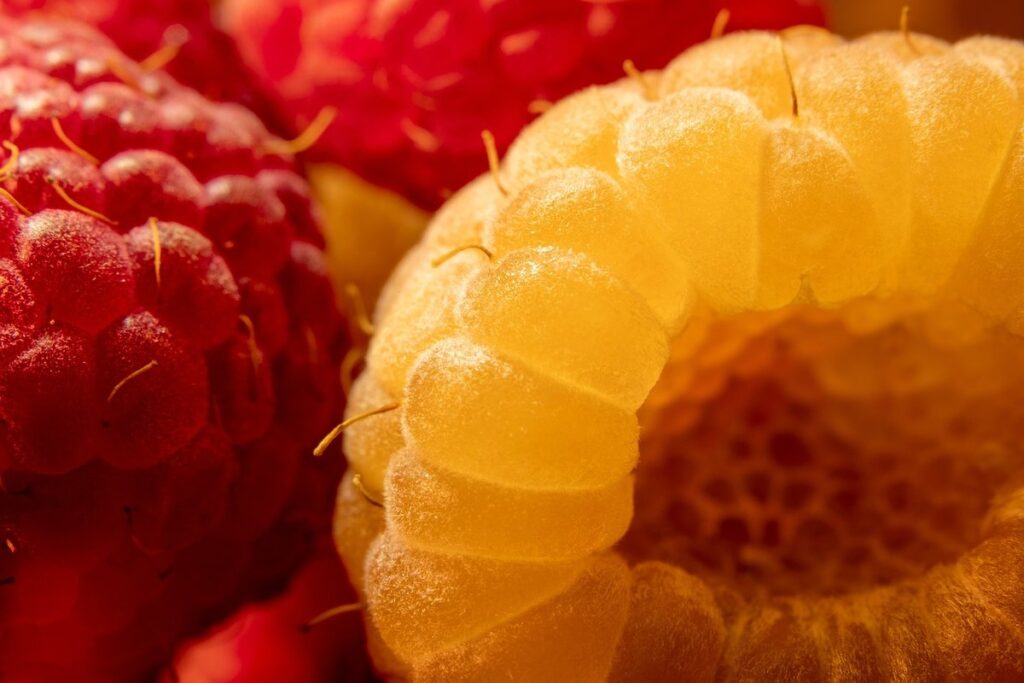
The Risks and Benefits of Feeding Chickens Raspberries Seeds
While raspberries can be a nutritious treat for chickens, feeding them raspberry seeds comes with potential risks that you should consider carefully before making it part of their diet. Let’s weigh the pros and cons together.
What are Raspberries Seeds?
Raspberries seeds are the tiny, nutrient-dense seeds found within raspberry fruits. They are a byproduct of the raspberry plant’s reproductive process and contain a wealth of nutritional value. One tablespoon of raspberries seeds is packed with approximately 2 grams of protein, 1 gram of fiber, and significant amounts of essential minerals like magnesium and potassium.
These tiny seeds also contain antioxidants called ellagic acid and anthocyanins, which have been shown to have anti-inflammatory properties and help protect against cell damage. When it comes to feeding chickens raspberries seeds, they can be a nutritious addition to their diet. Chickens can benefit from the protein, fiber, and minerals found in raspberries seeds, especially during breeding or egg-laying seasons when extra nutrients are required.
To incorporate raspberries seeds into your chicken’s feed, simply add them to their regular meal mix in moderation (about 1-2 tablespoons per pound of food). You can also store dried raspberry seeds as a supplement and sprinkle them over their meals. However, be sure to introduce new foods gradually to prevent digestive upset.
Potential Health Issues with Raspberries Seeds for Chickens
Feeding raspberries seeds to chickens can pose potential health risks due to the presence of toxic compounds like amygdalin and cyanogenic glycosides. These substances are naturally occurring in many plants, including certain fruits and seeds. Amygdalin is a compound that releases cyanide when ingested, which can be fatal in large amounts.
While the levels of these toxins may not be life-threatening for chickens if fed occasionally or in moderation, regular consumption over time could lead to health issues. Cyanogenic glycosides can cause cyanide poisoning, and prolonged exposure may damage your flock’s nervous system, kidneys, and liver.
For example, a study found that feeding birds as little as 2-3% of their diet with seeds containing amygdalin resulted in significant increases in cyanide levels. This highlights the importance of being cautious when introducing raspberries seeds to your chickens’ diet. If you still want to offer raspberries seeds as a treat, limit the amount and frequency to avoid potential harm. Regularly monitoring your flock’s health is also essential to ensure any adverse effects are detected early on.
Nutritional Value of Raspberries Seeds for Chickens
Raspberries seeds are not only a tasty treat for chickens but also provide an impressive array of nutritional benefits. A 100-gram serving of raspberries contains about 35 grams of fiber and 8.4 grams of protein, which can be significant when offered to chickens in moderation.
In terms of essential vitamins and minerals, raspberries seeds are a rich source of vitamin C (around 24% of the daily recommended intake per 100 grams), vitamin K, potassium, and manganese. These nutrients play crucial roles in maintaining overall health in chickens, including supporting immune function, promoting bone growth, and facilitating digestion.
When feeding your flock raspberries seeds, consider the following tips: provide them as an occasional treat to avoid overwhelming their digestive system; offer a balanced mix of sweet and tart berries to ensure a varied nutrient intake. As with any new food introduction, be sure to monitor your chickens’ response closely and adjust serving sizes accordingly.
Understanding Amygdalin and Cyanogenic Glycosides in Raspberries Seeds
Let’s dive into the chemistry behind raspberries seeds, specifically amygdalin and cyanogenic glycosides, which are key to understanding their potential impact on your chickens. These compounds can be toxic in large amounts.
What are Amygdalin and Cyanogenic Glycosides?
Amygdalin and cyanogenic glycosides are toxic compounds found in raspberry seeds. They consist of sugar molecules attached to a cyanide-containing molecule, which is released when the bond between them breaks down. This process occurs when the seed’s enzymatic system is triggered by factors such as heat, pressure, or even chewing.
Amygdalin is particularly abundant in seeds from plants belonging to the rose family (Rosaceae), of which raspberries are a part. When ingested, amygdalin can release cyanide, a potent toxin that can harm animals if consumed in sufficient quantities. Cyanogenic glycosides, such as amygdalin, are broken down into glucose and hydrogen cyanide.
In chickens, the potential impact of consuming raspberry seeds with high amygdalin levels could lead to respiratory issues, neurological problems, or even death in severe cases. However, it’s worth noting that the toxicity level can vary depending on factors like seed quantity, duration of consumption, and individual chicken tolerance. To ensure your flock remains safe, be cautious when offering berries to your chickens and remove seeds before feeding them to avoid any potential risks.
How Do Chickens Process Amygdalin and Cyanogenic Glycosides?
When chickens consume amygdalin and cyanogenic glycosides found in raspberry seeds, their body initiates a complex metabolic process. The amygdalin is first broken down into glucose, benzaldehyde, and hydrogen cyanide through the enzyme beta-glucosidase. However, it’s the release of hydrogen cyanide that poses a significant threat to chicken health.
As the hydrogen cyanide is released, it can lead to cyanide poisoning in chickens. This occurs when the substance binds to the iron within cytochrome c oxidase enzymes in cells, disrupting cellular respiration and leading to tissue asphyxiation. In severe cases, this can cause seizures, coma, and even death.
Chickens’ bodies don’t have a natural mechanism for detoxifying cyanide gas, making it difficult for them to metabolize and eliminate the toxin. Given that even small amounts of hydrogen cyanide can be toxic to chickens, it’s essential to avoid feeding them raspberry seeds or any other foods containing amygdalin and cyanogenic glycosides altogether. This is especially crucial for backyard chicken keepers who aim to provide a safe and healthy environment for their flock.
Feeding Raspberries Seeds to Chickens: Safe Amounts and Precautions
If you’re thinking of sharing your raspberries with your flock, it’s essential to know how much is safe for them to eat and what precautions to take. We’ll cover those details below.
Recommended Intake Levels for Raspberries Seeds in Chicken Feed
When safely incorporating raspberries seeds into chicken feed, it’s essential to follow specific guidelines for recommended intake levels. As a general rule of thumb, you can add 1-2 tablespoons of raspberry seeds per pound of food for each day. However, this amount may vary depending on the size and age of your chickens.
For example, if you have a flock of 10 laying hens that consume about 4 pounds of feed per day, you could start by adding 4-8 tablespoons of raspberry seeds to their diet. It’s also crucial to consider the ratio of seeds to total feed, as excessive amounts can cause digestive issues.
A good starting point is to mix a small amount of seeds into their regular food and gradually increase the quantity over time to allow your chickens’ systems to adjust. Remember that every flock is different, so monitor their behavior and health closely when introducing raspberry seeds into their diet. Keep in mind that excessive consumption can lead to an overload of essential fatty acids, which can cause issues with egg production and overall health.
Tips for Minimizing Risks When Feeding Raspberries Seeds to Chickens
When feeding raspberries seeds to chickens, it’s essential to take precautions to minimize potential risks. One key step is to properly prepare and store the seeds. This involves washing the seeds thoroughly in clean water to remove any residual pesticide or bacteria residues. Next, dry the seeds completely, either by air-drying them or using a dehydrator on low heat.
Proper storage of raspberry seeds is also crucial. Store them in an airtight container, away from direct sunlight and moisture. This will prevent mold growth and keep the seeds fresh for longer. To further minimize risks, only feed your chickens fresh, clean raspberries seeds, rather than old or spoiled ones. A general rule of thumb is to limit seed intake to 1-2 teaspoons per pound of body weight per day.
Remember that every chicken flock is different, so monitor their behavior and adjust the seed amount accordingly. Keep an eye out for signs of digestive upset, such as diarrhea or lethargy, and reduce the seed intake if necessary. Regularly rotating your chicken’s diet with a variety of foods will also help ensure they receive a balanced nutrient intake.
Alternative Treats for Your Backyard Chickens
If you’re looking for ways to give your backyard chickens a tasty treat without using store-bought options, we’ve got some ideas for alternative delights they’ll love. From fresh fruits to homemade goodies, explore these fun possibilities!
Nutritious Alternatives to Raspberries Seeds
If you’re concerned about the potential health risks of raspberry seeds for your backyard chickens, don’t worry – there are plenty of nutritious alternatives that provide similar benefits without the drawbacks. One great option is sunflower seeds, which offer a rich source of protein, healthy fats, and essential vitamins and minerals like vitamin E and selenium.
You can sprinkle sunflower seeds on top of their feed or mix them into their regular meals for an extra boost of nutrition. Another excellent choice is pumpkin seeds, which are not only packed with nutrients but also support healthy digestion in chickens. Simply roast the seeds in a 350°F oven for about 10-15 minutes to bring out their natural flavor and crunch.
Other alternatives include chopped nuts like almonds or hazelnuts, which provide a tasty source of protein and healthy fats. Just be sure to chop them finely to prevent any potential choking hazards. By incorporating these nutritious treats into your chickens’ diets, you can ensure they receive the nutrition they need without exposing them to the potential risks associated with raspberry seeds.
DIY Treats for Your Chickens Using Fresh Fruits and Vegetables
One of the best ways to keep your backyard chickens happy and healthy is by giving them homemade treats made from fresh fruits and vegetables. Not only are these treats healthier than store-bought options, but they’re also budget-friendly and fun to make. When it comes to using raspberries in your chicken’s diet, you can definitely give them the fruit itself – seed-free, of course! Raspberries are a tasty and nutritious treat for chickens, rich in vitamins C and K, as well as fiber.
To incorporate raspberries into your chicken’s diet, try making a simple raspberry mash. Simply rinse and hull a cup or two of fresh raspberries, then mash them up with a fork to release their natural juices. You can also add other fruits like strawberries or blueberries for added flavor and nutrition. Remember to introduce new foods gradually to ensure your chickens can tolerate them.
Another idea is to create a fruit salad using a variety of seasonal fruits. This not only provides a change of pace from traditional chicken treats but also ensures your birds get the full spectrum of essential nutrients. Just be sure to remove any seeds, pits, or stems that might cause harm. By getting creative with fresh fruits and veggies, you can give your chickens the gift of healthy eating while having fun in the process!
Expert Opinions and Research on Feeding Raspberries Seeds to Chickens
Many backyard chicken keepers are curious about feeding raspberries seeds to their flock, and we’ve gathered expert opinions and research on this topic to help you make an informed decision. Let’s dive in.
Summary of Studies and Research Findings
Several studies have investigated the safety and benefits of feeding raspberries seeds to chickens. A notable study published in the Journal of Applied Poultry Research found that raspberries seeds are a rich source of antioxidants and omega-3 fatty acids, making them a nutritious supplement for chickens.
However, another study highlighted potential risks associated with feeding raspberries seeds to chickens. Researchers discovered that high consumption of raspberry seeds can lead to gastrointestinal issues, such as diarrhea and inflammation, in some chicken breeds.
A key finding from the research suggests that moderation is crucial when incorporating raspberries seeds into your flock’s diet. A small percentage of chickens may be more sensitive to the seeds’ compounds than others, emphasizing the importance of monitoring their health closely.
To safely feed raspberries seeds to your chickens, experts recommend starting with a small quantity and gradually increasing the amount based on individual bird responses. Regularly checking for signs of adverse reactions is also essential.
Quotes from Avian Nutrition Experts and Veterinarians
When it comes to feeding raspberries seeds to chickens, opinions from experts in avian nutrition and veterinary medicine are crucial. According to Dr. Kate McDonald, a poultry veterinarian with over 15 years of experience, “While raspberries themselves are fine for chickens to eat, the seeds can cause problems if fed in excess.” She advises that only a small amount of raspberry seeds should be given as an occasional treat, not as a regular part of their diet.
Dr. Elizabeth Berry, a leading expert on avian nutrition, notes that “Chickens don’t have the digestive enzymes to break down seed hulls and can lead to intestinal blockages if fed too many.” To avoid this risk, she recommends only feeding fresh raspberry seeds in moderation, along with plenty of fresh fruits and vegetables.
In terms of safe feeding practices, Dr. Berry suggests offering raspberries without seeds or providing a small amount as an occasional treat. This way, you can ensure your chickens enjoy the nutrients from raspberries while minimizing any potential health risks associated with seed consumption. Always keep in mind that individual birds may have different sensitivities and needs, so it’s essential to monitor their behavior and adjust feeding accordingly.
Conclusion: Can Chickens Eat Raspberries Seeds?
Now that we’ve discussed the potential risks and benefits of feeding raspberries to your chickens, let’s summarize the key takeaways. This final section wraps up our exploration of this topic.
Recap of Key Points
When it comes to treating your backyard chickens, making informed decisions about their diet is crucial for their health and well-being. This article has explored whether raspberries seeds are safe for your feathered friends to consume, and the key takeaways can be summarized as follows.
One of the primary concerns with feeding chickens raspberries seeds is the presence of amygdalin, a compound that releases cyanide when ingested in large quantities. While an occasional raspberry seed is unlikely to cause harm, regular consumption could lead to cyanide poisoning. As a responsible chicken owner, it’s essential to prioritize their safety and take steps to minimize potential risks.
To ensure your chickens’ dietary needs are met without compromising their health, consider the following practical tips:
* Always introduce new foods gradually and in moderation to monitor for any adverse reactions.
* Provide a balanced and varied diet that includes commercially available chicken feed as the main staple.
* Fresh fruits like raspberries can be given as an occasional treat, but avoid overindulging your flock with high-calorie treats.
* Consider supplementing with leafy greens, such as kale or spinach, to provide essential vitamins and minerals.
By adopting a thoughtful approach to feeding your chickens, you’ll not only be ensuring their well-being but also contributing to the overall health of your backyard flock. Remember, informed decision-making is key when it comes to treating your chickens responsibly.
Frequently Asked Questions
Can I mix raspberries seeds with other treats to make a more varied diet for my chickens?
Yes, mixing raspberries seeds with other healthy treats can help create a balanced and varied diet for your flock. However, ensure you maintain the recommended intake levels for raspberry seeds (about 1-2 tablespoons per 10 pounds of body weight per week) to avoid overloading on amygdalin and cyanogenic glycosides.
How long does it take for my chickens to digest raspberries seeds?
The digestion process for chicken is relatively quick, but the exact time frame can vary depending on factors like age, health, and individual metabolism. Generally, it takes about 24-48 hours for the digestive system to break down raspberry seeds in chickens.
Can I feed raspberries seeds to my pregnant or laying hens?
While raspberry seeds are nutritious, feeding them to pregnant or laying hens requires caution due to their high amygdalin content. It’s recommended to limit or avoid giving raspberry seeds to these groups, especially if they’re already receiving a balanced diet.
What happens if I accidentally overfeed raspberries seeds to my chickens?
Overfeeding can lead to toxic levels of cyanide in your flock. Monitor for symptoms like lethargy, labored breathing, and vomiting. If you suspect overfeeding, stop providing raspberry seeds immediately and seek advice from an avian veterinarian or nutrition expert.
Can I grow my own raspberries plant with the intention of feeding its seeds to my chickens?
Yes, growing your own raspberries plant can be a great way to provide fresh, organic produce for your flock. Just ensure you follow safe handling practices when harvesting seeds and storing them properly to prevent contamination.