
When it comes to feeding your backyard flock, you’re likely always on the lookout for ways to add variety and nutrition to their diet. Raw peas might be a tempting treat, but can chickens eat peas raw safely? While peas are a staple in many human diets, providing them to your chickens requires some careful consideration.
In this article, we’ll explore the nutritional benefits of feeding raw peas to your flock, including protein content and potential health benefits. We’ll also delve into the anatomy of a chicken’s digestive system, explaining how raw peas might affect their gut health. Of course, there are risks involved with introducing new foods to your chickens’ diet, so we’ll discuss these as well. By the end of this article, you’ll know whether and how to safely feed raw peas to your hens for optimal health.
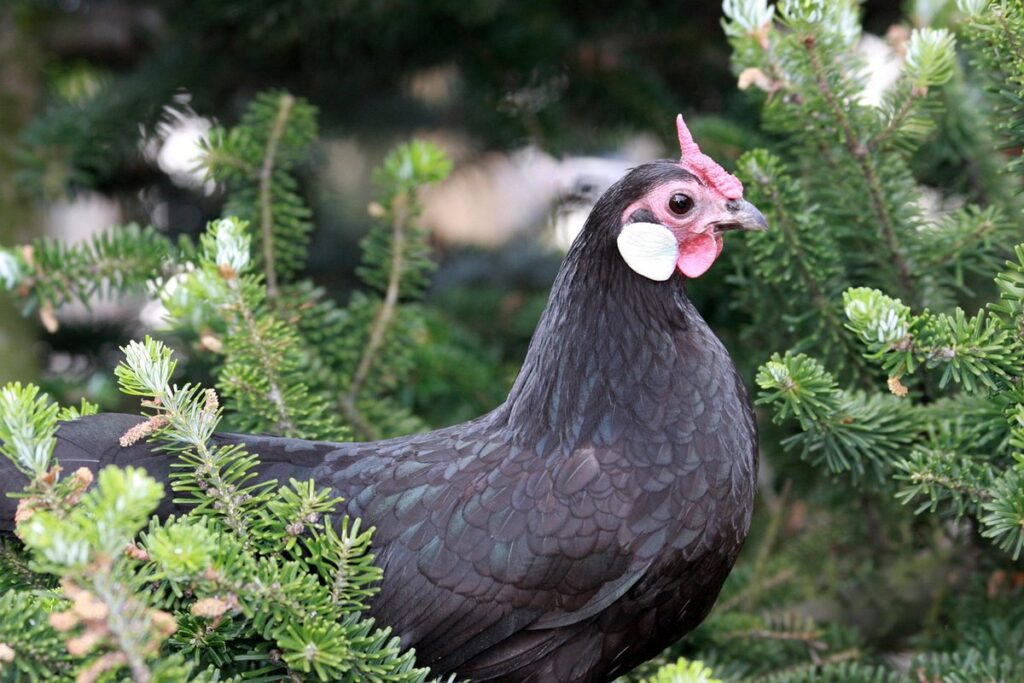
The Benefits of Feeding Chickens Fresh Vegetables
Feeding your chickens fresh vegetables can provide them with essential nutrients, but did you know that certain veggies have special benefits for their health and well-being? In this section, we’ll explore those benefits.
Importance of a Balanced Diet in Backyard Chickens
Providing backyard chickens with a balanced diet that includes fresh vegetables is crucial for their overall health and well-being. A well-rounded diet not only keeps them free from diseases but also boosts their energy levels and promotes healthy egg-laying.
When it comes to feeding peas raw, it’s essential to consider the bigger picture of what your flock is eating on a daily basis. While peas are nutritious and can be a great addition to their meals, they shouldn’t make up the bulk of their diet. A balanced diet for backyard chickens typically consists of 50-60% grains (such as oats or corn), 20-30% proteins (like mealworms or chicken feed), and 10-15% vegetables.
Adding fresh vegetables like peas to your flock’s meals can help ensure they’re getting essential vitamins, minerals, and antioxidants. Leafy greens like kale, spinach, and collard greens are also excellent choices. To incorporate these into their diet, try mixing them with their regular feed or adding them as treats in moderation. Aim for variety and rotation of different veggies to keep things interesting and prevent boredom.
Nutritional Value of Peas for Chickens
Peas are an excellent choice for supplementing your chicken’s diet, and it’s not just because they’re a tasty treat. From a nutritional standpoint, peas offer a wealth of benefits that can enhance the overall health and well-being of your flock.
One of the standout advantages of peas is their high protein content, making them an excellent alternative to traditional protein sources like mealworms or crickets. In fact, one cup of cooked peas contains about 9 grams of protein – a significant boost for birds that require around 20-25% protein in their diet. Additionally, peas are rich in dietary fiber, which can help support healthy digestion and bowel function.
Peas are also an excellent source of essential vitamins and minerals, including vitamin K, folate, and manganese. These nutrients play critical roles in maintaining healthy blood clotting, immune function, and energy metabolism – all vital processes for your chicken’s overall health. To incorporate peas into your flock’s diet, simply shell them and add them to their feed or use as a treat. A good rule of thumb is to provide about 1-2 tablespoons per bird daily.
Understanding Chicken Digestive System and Raw Pea Consumption
To better understand how peas can affect your chickens’ digestive system, it’s essential to know how their digestive process works. Let’s break down the unique characteristics of a chicken’s digestive system and its implications for raw pea consumption.
Anatomy of a Chicken’s Gizzard and Its Role in Digestion
The gizzard is a fascinating organ in a chicken’s digestive system that plays a crucial role in breaking down food into smaller particles for absorption. Located between the proventriculus (a glandular stomach) and the small intestine, this muscular organ is responsible for grinding and crushing food particles, including raw peas.
When a chicken eats raw peas, the gizzard works tirelessly to grind them into smaller fragments, making it easier for the digestive enzymes in the intestines to break down and absorb the nutrients. The gizzard’s thick walls are lined with tiny stones called gastroliths, which help to sharpen and increase the grinding action.
To illustrate this process, imagine a chicken eating raw peas as part of its daily ration. As the peas pass through the gizzard, they’re subjected to intense mechanical stress that breaks down their cell walls and releases their nutrients. The resulting smaller particles are then absorbed by the small intestine, where they can be used by the chicken’s body.
As you consider feeding your flock raw peas, remember that a healthy gizzard is essential for efficient digestion.
Risks Associated with Feeding Chickens Raw Legumes
Feeding raw legumes like peas to chickens can pose several risks that you should be aware of. One potential issue is gas production, which can lead to discomfort and health problems for your flock. When chickens eat large amounts of raw legumes, they may experience an increase in nitrogen levels in their digestive system. This excess nitrogen can cause the production of gases like ammonia and hydrogen sulfide, leading to bloating and potentially even more severe symptoms.
Moreover, some raw legumes contain naturally occurring compounds that can be toxic to chickens if ingested in large quantities. For example, the lectins present in peas can bind to the gut cells of chickens, causing damage and impairing nutrient absorption. While these risks are generally associated with excessive consumption or improper preparation, it’s essential to understand the potential hazards involved.
To minimize risks when feeding raw legumes, you can try soaking and cooking them first. This process can break down some of the problematic compounds and make the nutrients more accessible to your chickens. However, if you do decide to feed raw peas, be sure to introduce them gradually and in moderation to monitor your flock’s response.
Preparing Peas for Chicken Consumption
Before offering peas to your flock, you’ll want to make sure they’re properly prepared to ensure safe and healthy consumption by your chickens. This involves a simple yet crucial step that we’ll cover next.
Tips for Selecting the Right Peas for Your Flock
When it comes to feeding peas to your flock, selecting the right type is crucial. You want to ensure that the peas are fresh, free from seeds and pods, and suitable for consumption by your chickens.
Start by choosing garden peas, which are specifically grown for human consumption. Avoid field peas or cowpeas, as they contain high levels of indigestible sugars and can cause digestive issues in chickens. Freshness is also key – ensure that the peas are plump, green, and tender to avoid bacterial contamination.
When selecting a batch of peas, inspect them carefully for any seeds or pods. Seeds and pods can be a choking hazard for chickens, so it’s essential to remove them before feeding. You can either shell the peas manually or use a food processor to speed up the process.
As a general rule, select peas that are free from mold, rot, and other signs of spoilage. A good quality pea should have a sweet, earthy aroma and be firm to the touch. By following these simple tips, you can ensure that your chickens enjoy their peas safely and healthily.
Methods for Cooking or Blanching Peas Before Feeding Them to Chickens
When cooking or blanching peas for your chickens, it’s essential to do so properly to minimize potential risks. Raw peas contain a compound called phytohemagglutinin (PHA), which can be toxic to chickens if consumed in large quantities.
To reduce the risk of PHA toxicity, you can steam or boil fresh peas for 5-10 minutes. Alternatively, blanching is another effective method. Simply submerge the peas in boiling water for 30 seconds to 1 minute, then immediately transfer them to an ice bath to stop the cooking process. This helps preserve the nutrients and reduces the PHA content.
Cooking or blanching also makes it easier for your chickens to digest the peas. Raw peas can be difficult for them to break down, which may lead to digestive issues. By cooking or blanching, you can make the peas more palatable and easily digestible for your flock. A good rule of thumb is to cook or blanch large quantities of peas ahead of time, then store them in the fridge or freezer for future use. This way, you can ensure a steady supply of safe, nutritious peas for your chickens.
Raw vs. Cooked Peas: What’s Best for Your Flock?
When it comes to feeding your flock, you’re likely wondering whether to give them raw or cooked peas – and what’s best for their health and well-being. Let’s dive into the benefits of each option.
Benefits and Drawbacks of Each Approach
When it comes to feeding peas to your flock, you have two main options: raw or cooked. While both approaches have their benefits and drawbacks, understanding these differences can help you make an informed decision that suits your chickens’ specific needs.
Raw peas offer several advantages. They are a convenient option as they don’t require any additional preparation time. Additionally, raw peas retain more of their natural nutrients compared to cooked ones. However, there’s a risk of choking or impaction if the peas are not properly digested. Chickens with certain health conditions or dental issues may also struggle with eating raw peas.
Cooking peas can mitigate these risks, but it also reduces some of the nutrient content. Cooking peas makes them softer and easier to digest for chickens who have trouble processing hard foods. However, overcooking can lead to a loss of essential vitamins and minerals. Ultimately, whether you choose raw or cooked peas depends on your flock’s age, health, and individual needs.
A balanced approach might be the best solution: providing a mix of both raw and cooked peas in moderation. This way, you can minimize the risks associated with each option while maximizing the nutritional benefits for your chickens.
Case Studies or Real-Life Examples of Successful Feeding Practices
When it comes to incorporating peas into your flock’s diet, several case studies and real-life examples demonstrate successful feeding practices with either raw or cooked peas. For instance, a small-scale backyard chicken keeper in the UK reported that her hens thrived on a diet rich in raw garden peas during the summer months when fresh greens were abundant.
In another example, a poultry expert shared results from an experiment where he fed his laying flock cooked peas as part of a balanced diet for 6 weeks. The outcome was a notable increase in egg production and a significant improvement in overall flock health. He attributed this to the high nutrient content of peas, particularly protein and fiber.
These examples highlight the importance of considering individual factors such as climate, seasonality, and nutritional balance when deciding between raw or cooked peas for your flock. They also demonstrate that with proper planning and execution, both options can lead to successful feeding practices and a healthy, thriving flock.
Special Considerations for Young Chicks and Pregnant Hens
When it comes to feeding peas raw, there are some special considerations to keep in mind for your young chicks and pregnant hens. These birds have unique nutritional needs that require extra attention.
Dietary Needs of Chickens at Different Life Stages
When it comes to introducing peas into their diets, young chicks and pregnant hens require special attention due to their unique dietary needs. As we discussed earlier, chickens have different nutritional requirements at various stages of their lives.
At 0-4 weeks old, young chicks need a high-calorie diet rich in protein and fat to support their rapid growth. If you’re introducing peas to their diet during this period, it’s essential to ensure they’re cooked or sprouted to enhance digestibility. Cooking peas can break down some of the phytates that might interfere with nutrient absorption.
For pregnant hens, a balanced diet is crucial for healthy egg production and fetal development. Pregnant hens require more calcium, protein, and energy than non-pregnant birds. When introducing peas, consider their nutritional value: raw peas are high in fiber and low in calories, making them an excellent addition to a hen’s diet. However, ensure they’re fed in moderation due to their limited caloric content.
Consider the following tips when feeding peas to young chicks and pregnant hens:
* Cook or sprout peas for easier digestion.
* Balance raw pea consumption with other nutrient-dense foods.
* Provide a calcium supplement if necessary to support eggshell production.
Safety Precautions When Feeding Pregnant or Laying Hens Peas
When feeding pregnant or laying hens peas, it’s essential to exercise extra caution to ensure the optimal health of both the mother bird and her offspring. Pregnant hens require a balanced diet rich in nutrients to support fetal growth and development. Peas are an excellent source of protein, fiber, and various minerals, making them a nutritious addition to their diet.
However, it’s crucial to introduce peas gradually to prevent digestive upset. A sudden change in diet can lead to issues such as diarrhea or constipation, which can be particularly problematic for pregnant hens. To avoid this, start by mixing a small amount of cooked or frozen peas into their regular feed and monitor their response before increasing the quantity.
It’s also vital to ensure that the peas are free from any contaminants or additives that could harm the mother bird or her chicks. Choose fresh, organic peas whenever possible, and wash them thoroughly before serving. By taking these precautions, you can provide your pregnant or laying hens with a nutritious and safe source of protein while promoting optimal health outcomes for their offspring.
Common Mistakes to Avoid When Introducing Peas to Your Flock
When introducing peas to your flock, it’s easy to make mistakes that can lead to health issues and unhappy birds. Be aware of these common pitfalls to ensure a smooth transition for your chickens.
Potential Health Risks Associated with Improper Introduction
When introducing peas to your flock’s diet, it’s easy to make mistakes that can lead to health issues. One common error is overfeeding peas, which can cause an imbalance of nutrients and lead to problems like gout or kidney stones. Chickens that consume too many peas may also develop a condition called ‘pea poisoning,’ characterized by signs such as lethargy, loss of appetite, and pale combs.
Another potential health risk arises from improper introduction. If you suddenly add peas to your flock’s diet without gradually introducing them, some birds might experience digestive upset or discomfort due to the sudden change in their gut microbiome. Start by mixing a small amount of peas with their regular feed for 2-3 days before gradually increasing the proportion.
Monitor your flock closely during this transition period and be prepared to adjust their diet if you notice any adverse reactions. Keep in mind that individual chickens may react differently, so it’s essential to observe each bird’s behavior and make adjustments accordingly. Always prioritize a balanced diet and ensure your flock is getting enough calcium and other essential nutrients alongside the peas.
Strategies for Gradual Introduction of Peas to Minimize Risk
When introducing peas to your flock’s diet, it’s essential to do so gradually to minimize the risk of adverse reactions or digestive issues. A sudden change in their diet can be overwhelming for chickens, leading to problems such as diarrhea, gas, and even respiratory issues.
To avoid this, start by mixing a small amount of cooked or sprouted peas with their regular feed. Begin with a 1:10 ratio, meaning one part pea mixture to ten parts regular feed. This will allow your flock to adjust gradually to the new ingredient. You can also try adding a teaspoon of dried peas to their water feeder for an even more subtle introduction.
As you observe your chickens’ behavior and health, you can gradually increase the proportion of peas in their diet over several days or weeks. Monitor their droppings closely, looking for any signs of distress, such as blood or mucus. If you notice any issues, revert to their previous diet and reintroduce the peas more slowly.
Frequently Asked Questions
What are the signs of pea intolerance or allergy in chickens?
If your flock shows symptoms like diarrhea, lethargy, or labored breathing after consuming raw peas, it may indicate an intolerance or allergic reaction. Monitor their behavior and adjust their diet accordingly.
Can I feed cooked peas to my chickens if they’re not comfortable with raw ones?
Cooking or blanching peas can make them more palatable for your flock. However, ensure you don’t overcook the peas, as this may destroy some of the nutrients. Start with a small batch to gauge their acceptance.
How do I introduce fresh peas gradually to my backyard chickens without causing digestive upset?
To minimize risk, start by offering cooked or blanched peas in moderation (about 1-2% of their daily diet). Gradually increase the proportion over time, observing your flock’s response. Also, be sure they have access to a balanced layer feed.
What are some general guidelines for selecting and preparing fresh peas for my chickens?
Choose fresh, organic peas with no signs of mold or pests. Wash them thoroughly before offering, and consider peeling if necessary (e.g., for older hens). Avoid over-handling the peas, which can cause damage.
Can I feed raw peas to young chicks or pregnant hens without any issues?
No, it’s recommended to delay introducing raw peas until your chicks are at least 4-6 weeks old and have developed a mature digestive system. Pregnant hens may also require special consideration; consult with a veterinarian for advice on their specific dietary needs during this period.