
Are you looking for a sustainable way to supplement your chicken’s diet? You’re in luck because we’ve got some good news: stink bugs can be a valuable source of protein and vitamins for your flock! These pesky garden critters might not be the most glamorous food option, but they pack a nutritional punch. In this article, we’ll dive into the pros and cons of feeding stink bugs to chickens, including how to identify safe ones to include in their diet. We’ll also explore why incorporating these insects can be a game-changer for your chicken’s overall health. From protein content to potential drawbacks, we’ll cover everything you need to know about giving stink bugs to your feathered friends.
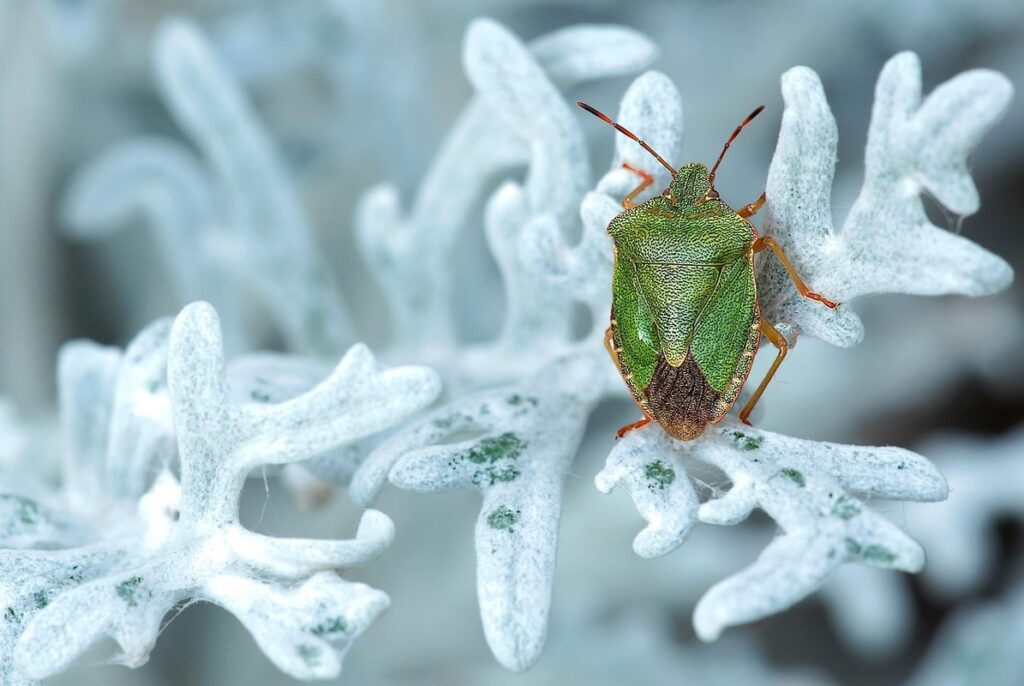
The Importance of Insect Consumption in Chicken Diets
When it comes to feeding your flock, incorporating insects into their diet can be a nutritious and beneficial supplement. This can help ensure they’re getting all the nutrients they need to stay healthy and happy.
Nutritional Value of Insects for Chickens
When it comes to providing nutritional value for chickens, insects like stink bugs can be an excellent addition to their diet. Stink bugs, in particular, are a rich source of protein, which is essential for building and repairing muscles, feathers, and other tissues. A single stink bug contains around 70% protein, making them a valuable food source for chickens.
In addition to protein, stink bugs also provide vitamins like vitamin B12, biotin, and folic acid. These nutrients are crucial for maintaining healthy feather growth, egg production, and immune function in chickens. Feeding your flock stink bugs can be as simple as collecting them from your garden or yard and offering them to your chickens as a treat.
When incorporating stink bugs into your chicken’s diet, it’s essential to ensure they’re providing the correct balance of nutrients. A general rule of thumb is to feed 1-2% of their total body weight in insects daily. This can be achieved by supplementing with stink bugs a few times a week or adding them to their regular feed mix.
Types of Insects Suitable for Chickens
When it comes to providing a varied and nutritious diet for your chickens, incorporating edible insects is an excellent way to supplement their meals. Besides stink bugs, there are several other types of insects that are safe and beneficial for your flock to consume. Mealworms, crickets, and grasshoppers are three popular options.
Mealworms, the larval stage of the mealworm beetle, are rich in protein and contain all nine essential amino acids necessary for chicken growth and development. They’re also a great source of calcium, iron, and other minerals. To introduce mealworms into your chickens’ diet, start by mixing them with their regular feed or offering them as a treat.
Crickets, on the other hand, are high in protein and low in fat, making them an excellent choice for maintaining healthy cholesterol levels. They’re also rich in iron, magnesium, and potassium. To prepare crickets for your chickens, simply rinse them with water and offer them live or dried.
Grasshoppers provide a similar nutritional profile to mealworms, with high protein content and essential amino acids. They can be fed to your chickens fresh or dried, depending on their preference.
When introducing new insects into your flock’s diet, it’s essential to do so gradually to prevent digestive upset. Start by mixing a small portion of the new insect with their regular feed and gradually increase the amount over time.
Stink Bugs as a Food Source: Pros and Cons
When considering whether stink bugs can be a viable food source for your flock, it’s essential to weigh both the benefits and drawbacks of feeding them. Let’s explore these pros and cons in detail.
Advantages of Feeding Stink Bugs to Chickens
Feeding stink bugs to chickens can be a game-changer for backyard flock owners, especially those living in regions where these insects are abundant. One of the primary advantages is their exceptionally high protein content. Stink bugs contain around 60-70% protein, making them an excellent supplement to your chicken’s diet.
In areas where stink bug populations are plentiful, they can be a cost-effective and sustainable food source. Imagine collecting these pests from your garden or nearby fields without spending a dime on commercial feed! This not only saves you money but also reduces waste by utilizing what would otherwise be considered pests.
To make the most of this food source, it’s essential to ensure the stink bugs are free from pesticides and other chemicals. You can do this by collecting them in areas that haven’t been sprayed or by using a bug catcher to pick up individual insects. Once you have your harvest, simply add them to your chicken’s feed mix or offer them as a treat.
By incorporating stink bugs into their diet, you’re providing your flock with a nutrient-rich food source that will keep them healthy and happy.
Disadvantages and Risks Associated with Feeding Stink Bugs
While stink bugs can be a nutritious and protein-rich supplement for chickens, there are potential risks associated with feeding them to your flock. One major concern is contamination – stink bugs may have come into contact with pesticides, heavy metals, or other pollutants during their life cycle, which can then be passed on to your chickens through consumption.
In addition, some stink bug species may contain a high concentration of certain toxins, such as pyrethroids, that can be detrimental to chicken health. For example, research has shown that certain species of stink bugs have been found to contain levels of pyrethroids up to 10 times higher than the acceptable limits for animal consumption.
To mitigate these risks, it’s essential to ensure that any stink bugs offered to your chickens are free from contaminants and toxins. This can be achieved by sourcing them directly from a pesticide-free environment or growing your own organic bug garden. Regular monitoring of your chicken’s health and behavior is also crucial in detecting any potential adverse reactions.
Identifying Safe Stink Bugs for Consumption
Now that we’ve covered the potential benefits of stink bugs for your flock, let’s dive into identifying the safe ones to offer as a nutritious treat. Not all stink bugs are created equal when it comes to consumption!
How to Identify Edible vs. Poisonous Stink Bugs
When it comes to foraging for stink bugs for your chickens, it’s crucial to differentiate between edible and poisonous ones. Not all stink bugs are created equal, and some can be toxic to your flock.
Start by observing the color of the stink bug. Edible stink bugs tend to have a uniform brown or gray coloration, whereas poisonous ones often display bright colors like red, orange, or yellow. For instance, the Asian longhorned beetle’s stink bug is black with a distinctive white stripe running along its back.
Next, examine the shape and size of the stink bug. Edible stink bugs are usually smaller, around 1/4 inch in length, while poisonous ones can grow up to 1 inch or more. Also, look for any notable features like spines or horns – these can be indicative of a poisonous species.
It’s also worth noting that some edible stink bugs may have a distinctive “shield” on their back, which can help distinguish them from the poisonous variety.
Preparing Stink Bugs as a Food Source for Chickens
Collecting stink bugs requires some effort, but it’s worth it for a nutritious and protein-rich treat for your chickens. To begin, identify the type of stink bug that’s safe for consumption. As we discussed earlier, the green stink bug is the recommended choice due to its mild flavor and lower toxicity.
Once you’ve collected the bugs, it’s essential to clean them properly. Start by rinsing them in cold water to remove any dirt or debris. Next, use a soft-bristled brush to gently scrub away any remaining impurities. Finally, pat the bugs dry with paper towels to prevent bacterial growth.
Before feeding stink bugs to your chickens, ensure they’re free of any pesticides or chemicals. Check for any signs of damage or decay and discard any questionable bugs. Store them in an airtight container until you’re ready to feed them to your flock. When introducing stink bugs into their diet, start with small amounts (about 1-2 per chicken) and monitor their reaction. If they seem enthusiastic about the new treat, you can gradually increase the serving size. Remember to always prioritize your chickens’ health and safety above all else.
Nutritional Considerations and Health Benefits
If you’ve decided to let your chickens snack on stink bugs, it’s essential to consider how these insects will impact their overall health and well-being. This includes evaluating potential nutritional benefits and potential risks.
The Role of Insects in Chicken Nutrition
Insects like stink bugs can play a significant role in providing essential nutrients for chickens. These small creatures are packed with protein, vitamins, and minerals that are often lacking in commercial chicken feed. By incorporating insects into their diet, you can help reduce dependence on store-bought feed, which can be expensive and may contain fillers or preservatives.
Stink bugs, in particular, are a good source of protein, which is essential for building strong muscles and feathers. They also contain calcium, which is vital for maintaining healthy bones and eggshell production. In fact, a 100-gram serving of stink bugs contains about 60 grams of protein, making them an excellent addition to your flock’s meal plan.
To incorporate stink bugs into your chickens’ diet, you can try adding them live or dried to their feeding troughs. A general rule of thumb is to feed insects as a supplement, not as a replacement for commercial feed. Start by offering small amounts and monitor your flock’s response to ensure they are getting the nutrients they need.
Potential Health Benefits for Chickens
Feeding stink bugs to chickens may seem unconventional, but it can have several potential health benefits for our feathered friends. Improved digestion is one of the most significant advantages of incorporating stink bugs into their diet. These insects are rich in fiber and contain prebiotic properties that help stimulate beneficial gut bacteria, promoting a healthy digestive system.
Stink bugs also provide essential nutrients like protein, iron, and calcium, which can boost energy levels and support overall health. For instance, feeding your chickens stink bugs during molting season may help them recover faster from the process, ensuring they maintain their vitality throughout the year.
Furthermore, stink bugs contain antioxidants that can enhance immune function in chickens, making them more resilient to diseases. When introducing stink bugs to your flock’s diet, it’s essential to start with small amounts and monitor their response to avoid any adverse effects. By incorporating these beneficial insects into their meals, you may see improvements in your chickens’ overall well-being and vitality.
Feeding Stink Bugs: Tips and Best Practices
When it comes to feeding stink bugs to your chickens, there are a few things you’ll want to keep in mind to ensure their health and safety. Let’s dive into some essential tips and best practices for incorporating stink bugs into their diet.
Incorporating Stink Bugs into a Chicken Diet
Incorporating stink bugs into a chicken diet can provide essential nutrients and protein for your flock. Before you start adding them to their meal plan, it’s crucial to understand the recommended quantities and frequencies of feedings.
When feeding stink bugs to your chickens, a good starting point is to offer 1-2 bugs per pound of body weight daily. For example, if you have a chicken that weighs 3 pounds, aim for 3-6 stink bugs per day. However, this amount may vary depending on the size and age of your birds.
It’s also essential to introduce stink bugs gradually into their diet to prevent digestive upset. Start by adding them in small amounts (about 1/4 cup) to their regular feed or scatter them across their feeding area. Monitor your flock’s response, adjusting quantities as needed. A balanced and varied diet should include a mix of commercial feed, fruits, vegetables, and insects like stink bugs. Be sure to provide fresh water at all times to prevent dehydration.
By following these guidelines, you can safely incorporate stink bugs into your chickens’ diet, providing them with the nutrients they need to stay healthy and happy.
Safety Precautions for Handling Stink Bugs
When handling stink bugs, it’s essential to take necessary safety precautions to avoid skin irritation and unpleasant odors. Stink bugs are known for their pungent defense mechanism, which they release when threatened or crushed. To minimize potential problems, store stink bugs in a sealed container or bag that can be easily labeled and disposed of.
When handling stink bugs, wash your hands thoroughly with soap and water afterward to remove any residue or oils from the insects’ bodies. This is especially important if you plan on giving them to your chickens later, as you don’t want to transfer potential allergens or bacteria onto their food.
To prevent accidental release of their strong-smelling secretion, handle stink bugs gently and carefully. Avoid crushing or squeezing them excessively, as this can cause the secretion to be released in large quantities. If you do accidentally release some of the secretion, wash your hands and any surfaces that came into contact with it immediately.
Proper disposal is also crucial when handling stink bugs. Dispose of any dead or crushed stink bugs in a sealed plastic bag or container to prevent their strong odor from lingering in your home or coop.
Conclusion and Future Considerations
Now that we’ve explored whether stink bugs are safe for your flock, let’s wrap up our discussion with a look at the bigger picture: what this means for your backyard chicken-keeping endeavors.
Recap of Key Points
As we conclude our exploration of whether chickens can eat stink bugs, it’s essential to recap the key points discussed. Chickens can indeed eat stink bugs as a protein source, but it’s crucial to ensure their consumption is safe and healthy for your flock. A balanced diet should consist mainly of commercial chicken feed or high-quality grains, supplemented with insects like stink bugs in moderation.
Stink bugs are rich in nutrients, including protein, fiber, and micronutrients. However, their consumption should be regulated due to potential health risks associated with stink bug infestations in your home or garden. It’s also important to ensure the stink bugs you offer your chickens are free from pesticides and other chemicals.
In conclusion, incorporating stink bugs into your chicken’s diet can provide a nutritional boost. However, it’s vital to prioritize responsible insect consumption by maintaining a safe and clean environment for your flock. By doing so, you can reap the benefits of this unique protein source while protecting your chickens’ health.
Potential Applications and Future Research Directions
As we’ve explored the possibility of feeding stink bugs to chickens, it’s clear that this concept has far-reaching implications for sustainable agriculture and food systems. One potential application is using stink bugs as a novel protein source for poultry feed. This could reduce reliance on traditional grain-based feeds, decreasing the environmental impact of large-scale farming operations.
Feeding stink bugs to chickens also presents opportunities for more efficient use of agricultural waste. Many farmers currently struggle with managing stink bug infestations, but by repurposing these insects as a valuable resource, they can create a new revenue stream and mitigate losses. Future research should focus on scaling up this practice while ensuring the nutritional content and palatability of the stink bugs for chickens.
In addition to its practical applications, incorporating stink bugs into poultry feed has significant potential for innovation in sustainable agriculture. As we work towards reducing our environmental footprint, exploring unconventional protein sources is crucial for long-term food system resilience.
Frequently Asked Questions
Can I feed stink bugs to my chickens all year round?
Yes, stink bugs can be a nutritious supplement for your flock’s diet throughout the year. However, it’s essential to consider seasonal availability and ensure that the insects are free from contaminants or pesticides.
How do I know if my chickens are getting enough protein from stink bugs?
A balanced diet should include a variety of protein sources. Ensure you’re providing adequate feed and supplementing with stink bugs as needed. Monitor your flock’s overall health, feather growth, and egg production to assess their nutritional needs.
Can I mix stink bugs with other insects or foods for my chickens?
Yes, but introduce new foods gradually to prevent digestive issues. Start by offering small amounts of stink bugs alongside existing feed. Monitor your flock’s response and adjust the diet accordingly. A mix of insects can provide a broader range of nutrients, but be mindful of potential allergies.
Are there any risks associated with feeding stink bugs to chickens?
As with any new food source, monitor for signs of illness or digestive issues. Fresh water and a balanced diet are crucial to maintaining your flock’s health. Regularly inspect the insects for signs of pesticide exposure or disease before offering them to your birds.
How can I encourage my chickens to eat stink bugs in their natural form?
Some chickens may be hesitant to consume stink bugs whole. You can try dusting them with a small amount of calcium powder or crushed eggshells to make them more appealing. Alternatively, consider preparing the insects by chopping or pureeing them into your flock’s feed.