
If you’re like many backyard chicken keepers, you’re probably no stranger to the pesky problem of ticks in your flock. Not only can these unwanted guests cause discomfort and stress for your chickens, but they also pose a risk to your family’s health. One effective way to control tick populations is to encourage your chickens to do what comes naturally: eat them! But how exactly can you use your feathered friends as tick-control warriors? In this article, we’ll explore the world of chicken-tick dynamics and provide you with practical tips on creating a tick-rich environment that encourages your flock to snack on these unwanted critters. We’ll also delve into natural methods for managing tick populations in your backyard, so you can enjoy a healthier and happier flock.
The Importance of Tick Control
As we’ve discussed how chickens can help manage tick populations, it’s essential to understand the importance of effective tick control methods for a safe and healthy backyard. This is crucial for both you and your flock.
What are Ticks and Why Are They a Concern?
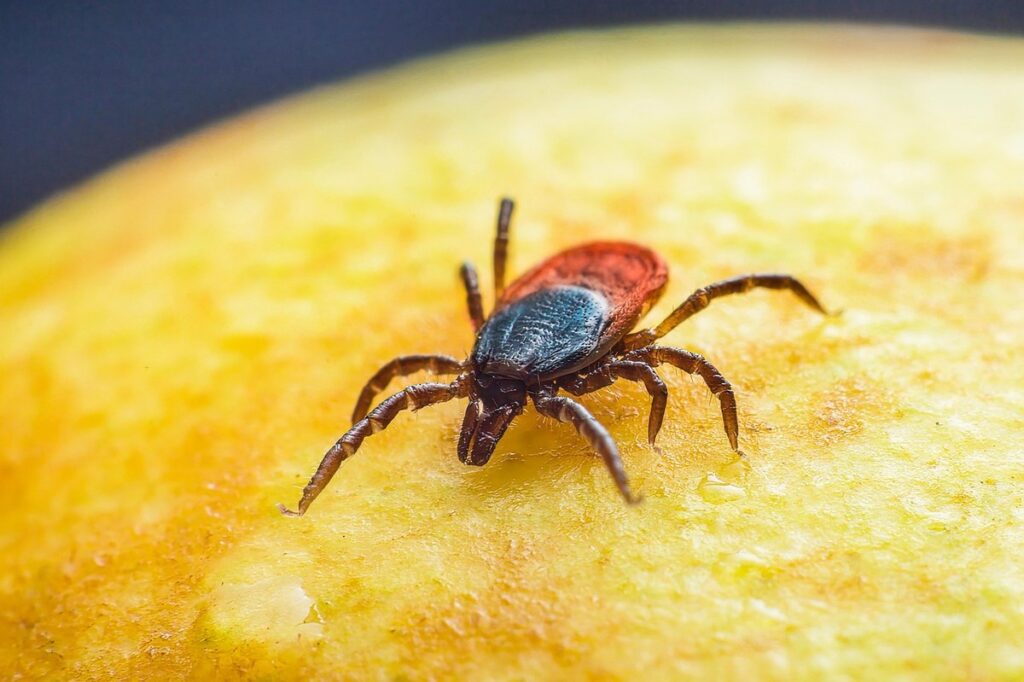
Ticks are small, eight-legged arachnids that feed on the blood of mammals and birds. They thrive in a variety of habitats, including forests, grasslands, and even urban areas, making them a ubiquitous concern for pet owners and outdoor enthusiasts alike.
One of the primary concerns with ticks is the health risks they pose to humans and animals. These tiny parasites can transmit diseases such as Lyme disease, Rocky Mountain spotted fever, and ehrlichiosis, which can have serious consequences if left untreated. In fact, according to the Centers for Disease Control and Prevention (CDC), there were over 44,000 reported cases of tick-borne illnesses in the United States alone between 2014 and 2016.
In addition to disease transmission, ticks also pose a risk to animal health. They can cause anemia, weight loss, and even death if left untreated. For example, a study published in the Journal of Veterinary Dermatology found that dogs infested with ticks were more likely to develop skin infections and other secondary complications.
As we explore whether chickens eat ticks, it’s essential to understand the role these birds play in managing tick populations. By understanding the habits and habitats of ticks, as well as their health risks, we can better appreciate the importance of integrated pest management strategies that incorporate natural predators like chickens into our approach.
How Ticks Affect Poultry Flocks
Ticks can be a significant threat to poultry flocks, and understanding their impact is crucial for effective management. If left unchecked, tick infestations can lead to the spread of diseases such as ehrlichiosis, which affects multiple organs and can be fatal if not treated promptly.
Chickens may pick up ticks while foraging in grassy areas or woodlands, where these pests tend to thrive. Female ticks, in particular, are attracted to hosts with high levels of iron, making chickens a prime target due to their high red blood cell count. As ticks feed on chicken blood, they can transmit pathogens that cause ehrlichiosis.
Other issues related to tick infestations include anemia, weight loss, and decreased egg production in laying hens. Regular monitoring for signs of tick-borne illnesses is essential, as symptoms may not always be apparent. Keep a close eye on your flock’s overall health and take swift action if you notice any unusual behavior or physiological changes.
To prevent tick infestations, it’s crucial to create a tick-free environment around your poultry farm. Use integrated pest management techniques that include eliminating hiding spots, using tick-killing products, and performing regular inspections.
Do Chickens Naturally Eat Ticks?
Let’s dive into one of the most interesting questions surrounding chickens and ticks: do they naturally eat them, and if so, how can you encourage this behavior in your flock?
Observing Chickens’ Hunting Behavior
If you’ve ever considered raising chickens for their ability to control tick populations, observing their natural hunting behavior is crucial. Chickens are known to forage for ticks and other parasites, and understanding their feeding habits can be beneficial when managing backyard pests.
When chickens roam freely in areas with high tick activity, they tend to congregate around plants where ticks are most prevalent. Observing your flock’s movements can help you pinpoint these areas. Noticing that your chickens focus on specific spots or patches of grass can indicate the presence of ticks.
It’s fascinating to watch a chicken spot a tick crawling on its feathers or skin. The bird will often pause, inspect the tick, and then use its beak to remove it. This behavior is quite intriguing, as chickens seem to have an innate ability to recognize and target these parasites.
In the wild, chickens are known to eat ticks as part of their natural diet. By mimicking this behavior in your backyard, you can encourage your flock to hunt and consume ticks, reducing the risk of tick-borne diseases for both humans and animals.
Prey Drive and Tick Consumption
Chickens have an innate instinct to hunt and eat insects, which is often referred to as their “prey drive.” This natural behavior can be beneficial when it comes to controlling tick populations on your property. Chickens are attracted to the movement and scent of ticks, making them efficient hunters.
In order for chickens to effectively consume ticks, they must first encounter them. When a chicken catches a tick, it will typically pick it up in its beak or peck at it with its feet until it is dislodged from its host animal (such as your pet). Once the tick is removed, the chicken will then eat it.
Some breeds are more inclined to hunt and eat ticks than others. Those with strong prey drives include Leghorns, Plymouth Rock, and Wyandottes. To encourage your chickens’ natural tick-hunting behavior, provide them with a varied diet that includes insects, worms, and other protein sources. This will help strengthen their instinct to forage for food and increase the likelihood of them consuming ticks in your yard.
Encouraging Chickens to Eat Ticks
To encourage your chickens to eat ticks, you’ll need to create a favorable environment and provide them with easy access to these pesky parasites. This section shares some practical tips for doing just that.
Creating a Tick-Rich Environment
Creating an environment that encourages chickens to eat ticks is crucial for effective tick control. Chickens are natural foragers and will seek out ticks as a food source if the conditions are right.
Habitat management plays a significant role in attracting ticks to your chicken’s living space. This involves creating areas with dense vegetation, such as leaf litter or tall grasses, where ticks tend to congregate. By incorporating these features into your backyard or farm, you’re essentially setting up a tick buffet for your chickens. Consider adding brush piles, rock piles, or log stacks to provide shelter and hiding spots for ticks.
In addition to habitat management, incorporating tick-attracting plants like wildflowers, alfalfa, or clover can also encourage tick activity in the area. These plants are known to be favored by ticks and will attract them to your chickens’ grazing areas.
By combining these strategies, you’ll create an environment that fosters a healthy relationship between your chickens and ticks – one where your chickens get to enjoy a tasty snack while helping to control pest populations!
Supplementing with Tick-Attracting Feed
If you’re struggling to get your chickens to eat ticks, supplementing with tick-attracting feed can be a game-changer. There are several options available that can encourage your flock to devour these pesky parasites.
One popular choice is using a tick-attracting feed supplement specifically designed for poultry. These supplements typically contain ingredients like garlic, diatomaceous earth, or lemongrass oil, which are known to attract and repel ticks. Simply add the recommended amount of supplement to their regular feed, and your chickens should be drawn to these tasty treats.
Another option is incorporating tick-attracting herbs into your flock’s diet. For example, you can plant lemongrass or pennyroyal near their coop or mix chopped fresh herbs like mint or oregano into their feed. This not only attracts ticks but also provides a nutritious snack for your birds.
When using these supplements or adding herbs to their diet, be sure to follow the recommended dosages and take note of any changes in your chickens’ behavior or health. With patience and persistence, you can encourage your flock to become tick-hunting champions!
Effective Methods for Removing Ticks from Chickens
If you’re dealing with a tick infestation on your chicken farm, it’s essential to know how to safely and effectively remove these pesky parasites from your flock. Here are some effective methods for doing so.
Physical Removal vs. Encouraging Consumption
When it comes to removing ticks from chickens, you have two main options: physical removal methods and encouraging consumption. While both approaches can be effective, they differ significantly in terms of effort required, potential risks, and long-term effectiveness.
Physical removal methods involve directly taking the tick off the chicken’s skin using tweezers or your hands. This approach requires caution to avoid pressing the mouthparts further into the skin, which can lead to infection. Hand-picking is a gentler method but still carries the risk of spreading disease if not done properly. Using tweezers offers more control, but be careful not to squeeze too hard and cause tissue damage.
Encouraging consumption is an alternative approach that leverages chickens’ natural behavior – they love to forage and eat small insects like ticks! To encourage your flock to eat ticks, you can try placing the tick-ridden area near their feeding or roosting spots. Another method is to feed them mealworms or crickets, which are natural tick attractants. By creating a tick-rich environment, your chickens will be more likely to hunt and devour these unwanted visitors.
Chemical Controls vs. Natural Alternatives
When it comes to removing ticks from chickens, many backyard chicken keepers are faced with the decision of whether to use chemical controls or natural alternatives. While topical treatments can be effective, they may not be the best option for your flock’s health and safety.
Chemical-based tick removal methods, such as permethrin sprays or powders, can be toxic if ingested by chickens. This means that using these products requires meticulous attention to detail and careful application to avoid harming your birds. Moreover, some studies suggest that repeated exposure to chemical pesticides can lead to the development of pesticide-resistant ticks.
Natural alternatives offer a safer and more environmentally friendly approach to tick removal. Some effective options include dusting with diatomaceous earth or apple cider vinegar sprays. These methods work by dehydrating the tick, causing it to detach from the chicken’s skin without the use of harsh chemicals.
When choosing a natural alternative, it’s essential to consider factors such as efficacy and ease of application. For example, you may find that dusting your chickens with diatomaceous earth is more practical than applying an apple cider vinegar spray.
Considerations for Integrating Ticks into Your Chicken’s Diet
When introducing ticks into your chicken’s diet, it’s essential to consider the potential risks and benefits of consuming these pesky parasites. We’ll explore some key factors to keep in mind as you weigh this option.
Safety Precautions for Handling Chickens and Ticks
When handling chickens and ticks safely, it’s essential to take precautions to avoid disease transmission. Ticks can carry various pathogens like Lyme disease, anaplasmosis, and ehrlichiosis, which can be transmitted to humans through contact with infected ticks or contaminated chicken feed.
Before handling your chickens or collecting ticks for their diet, ensure you wear protective clothing, including long sleeves, pants, closed-toe shoes, and gloves. Wash your hands thoroughly after handling chickens or ticks, and make sure to clean any equipment or tools used in the process.
It’s also crucial to inspect your chickens regularly for signs of tick infestation, such as tiny black dots on their feathers or around their eyes and ears. Remove any visible ticks promptly, taking care not to crush them or spread their pathogens further. If you plan to feed ticks to your chickens, collect them from a safe area, ideally one that’s free from pesticides and heavy metal contamination.
When feeding ticks to your flock, start with small amounts and monitor their health closely for any adverse reactions. Consider consulting with a veterinarian or poultry expert if you’re unsure about the best practices for incorporating ticks into your chicken’s diet.
Health Implications of Eating Ticks
While chickens may eat ticks as part of their natural foraging behavior, it’s essential to consider the potential health implications associated with this practice. Ticks can transmit various diseases to humans and animals alike, including Lyme disease, Rocky Mountain spotted fever, and anaplasmosis. If your chickens ingest infected ticks, they may become carriers of these pathogens, posing a risk to their own health as well as yours.
For example, if you have a backyard flock, there’s a chance that the ticks present in your yard could harbor diseases like Lyme disease or babesiosis. If your chickens eat these ticks, they may contract the infection and display symptoms such as lethargy, loss of appetite, and joint pain. In some cases, infected chickens may even transmit these diseases to you through contact with their bodily fluids.
To minimize this risk, it’s crucial to maintain good tick control measures in your yard, including removing weeds, using diatomaceous earth or permethrin sprays, and regularly inspecting your flock for signs of infestation. Additionally, consider providing your chickens with a balanced diet rich in nutrients to boost their immune system, making them more resilient to potential tick-borne illnesses.
Conclusion: Managing Ticks in Your Flock
In conclusion, managing ticks in your flock requires a multi-faceted approach. As we’ve established that chickens can indeed eat ticks, it’s essential to utilize their natural foraging abilities to reduce tick populations. Regularly inspecting your birds and their living space will help you identify areas where ticks may be present. Next time you see your chicken pecking at grass or leaves, remember that they’re not just looking for food – they might also be hunting ticks.
To further complement your flock’s natural pest control efforts, consider implementing some simple tick management strategies. These can include using diatomaceous earth in your coop and runs, tucking loose clothing and long hair when working around the birds to avoid bringing ticks into the area, and performing regular parasite treatments under the guidance of a veterinarian.
Frequently Asked Questions
How can I create a tick-rich environment that encourages my flock to snack on ticks?
To create a tick-rich environment, consider adding native plants with high tick densities, such as tall grasses or weeds like wild violets and clover. These plants will attract more ticks, which in turn will encourage your chickens to forage for them. Also, ensure your coop is located near the tick-rich area so your chickens can easily access it.
What are some common mistakes to avoid when introducing ticks into my flock’s diet?
Avoid introducing too many ticks at once, as this may stress your flock and lead to health issues. Also, be cautious not to over-supplement with tick-attracting feed, as this may unbalance their nutrient intake. Monitor your chickens’ behavior and adjust accordingly.
Can I still use natural methods if my flock is already infested with ticks?
Yes! Natural methods like tick-foraging can complement other control measures like physical removal or chemical controls. Focus on the most effective techniques for your situation, combining multiple approaches for optimal results.
How do I know if my chickens are eating enough ticks to make a significant impact?
Observe your flock regularly and note the number of ticks they consume over time. If you notice a decline in tick populations within your backyard, it’s likely that your chickens are effectively controlling the infestation. Keep in mind that consistent effort is necessary for long-term success.
Are there any safety precautions I should take when handling my chickens and ticks?
Yes. Always wash your hands thoroughly after handling both your chickens and ticks to minimize the risk of tick-borne diseases. Also, ensure your coop and surrounding areas are clean and well-maintained to prevent further infestations.