
Chickens are often considered one of our best friends in the backyard, providing endless entertainment and fresh eggs for our families. But have you ever wondered if we can share some of our own food with them? Specifically, is it safe to feed watermelon rind to your chickens? While watermelon itself is a nutritious treat for chickens, its rind has raised some eyebrows among chicken owners. Some worry that the rind may cause digestive issues or other problems, while others see it as a valuable source of fiber and nutrients.
In this article, we’ll explore the safety and benefits of offering watermelon rind to your flock, including potential risks to watch out for and guidelines for incorporating it into their diet as a treat. By the end of this post, you’ll have a better understanding of whether watermelon rind is a safe and healthy option for your feathered friends.
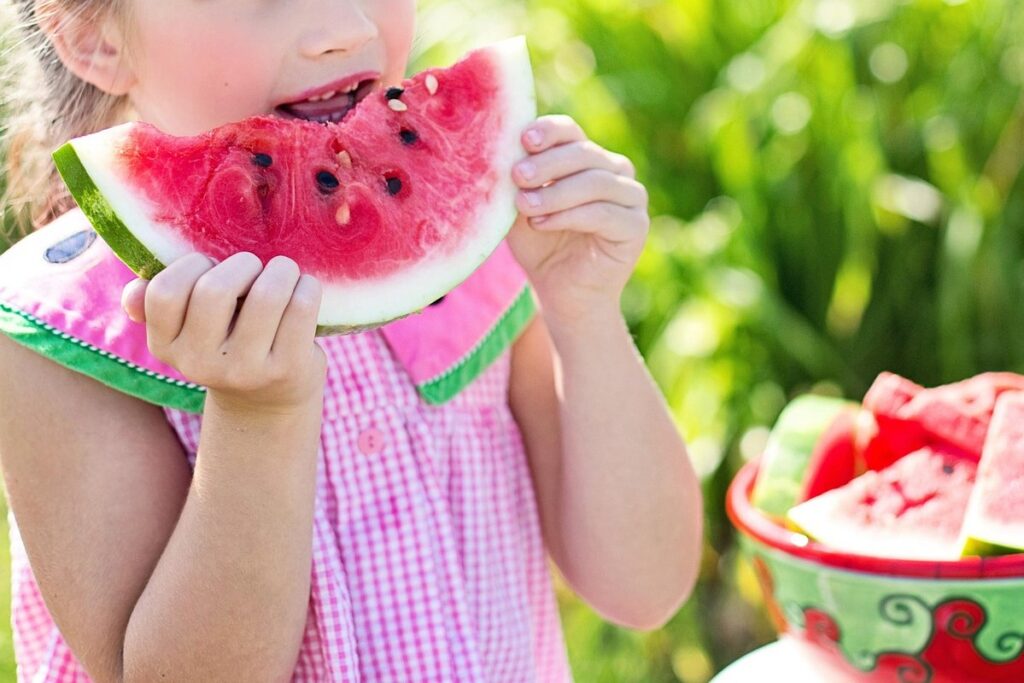
Benefits of Feeding Watermelon Rind to Chickens
Feeding watermelon rind to your chickens can be a nutritious and cost-effective way to supplement their diet, but what are the specific benefits you can expect? Let’s explore the advantages of giving this tasty treat to your feathered friends.
Nutritional Value of Watermelon Rind
Watermelon rind is often discarded as waste, but it’s actually a treasure trove of nutrients for your chickens. With its high water content, watermelon rind can help keep your flock hydrated and satisfied, reducing the need for expensive commercial electrolyte supplements.
One of the standout nutritional benefits of watermelon rind is its rich store of vitamins A and C. These essential vitamins play critical roles in maintaining healthy skin, feathers, and immune systems in chickens. Vitamin A also helps regulate vision, while vitamin C supports collagen production and tissue repair.
In addition to vitamins, watermelon rind is a good source of potassium, an electrolyte that’s crucial for maintaining proper fluid balance and blood pressure in birds. This mineral also supports muscle function and recovery after exercise or stress. Moreover, the fiber content in watermelon rind can help support healthy digestion and gut bacteria in your chickens.
To make the most of watermelon rind’s nutritional benefits, be sure to offer it as a fresh treat, either chopped into small pieces or blended into their regular feed. You can also use the rind to create a nutrient-rich supplement by drying and grinding it into a fine powder.
Palatability and Acceptance by Chickens
When introducing watermelon rind to your flock’s diet, it’s essential to consider their palatability and acceptance. Chickens have unique preferences when it comes to taste and texture, just like humans do. Some may find the slightly bitter flavor of watermelon rind unappealing, while others might enjoy it as a refreshing treat.
To increase the chances of your chickens accepting watermelon rind, start by offering small amounts as a supplement to their regular feed. You can try mixing finely chopped watermelon rind with their grains or placing it on the side for them to explore at will. Some chicken keepers even report that their birds go crazy for watermelon rind, so don’t be discouraged if they take some time to adjust.
A good rule of thumb is to introduce new foods gradually and in small quantities to prevent digestive upset. Begin with a 10-20% ratio of watermelon rind to regular feed, monitoring your flock’s behavior and health closely for any signs of adverse reactions. With patience and persistence, you may find that your chickens learn to love the sweet and refreshing taste of watermelon rind!
Precautions When Feeding Watermelon Rind to Chickens
Before you start feeding watermelon rind to your flock, it’s essential to be aware of some crucial precautions to ensure a safe and healthy snack for your chickens. Be cautious of potential choking hazards and digestive issues.
Potential Risks and Side Effects
When feeding watermelon rind to chickens, it’s essential to be aware of potential risks and side effects. One of the primary concerns is digestive issues. Some chickens may experience stomach upset, diarrhea, or even vomiting if they consume a large amount of watermelon rind in one sitting. This can be particularly problematic if your flock is not accustomed to eating watermelon.
Another risk to consider is allergic reactions. While rare, some chickens may develop an intolerance to certain compounds present in watermelon, leading to skin issues, respiratory problems, or even anaphylaxis in severe cases. To minimize these risks, it’s crucial to introduce watermelon rind gradually into your flock’s diet and monitor their behavior closely.
To ensure safe consumption, only feed small amounts of watermelon rind (about 1-2% of their daily intake) and provide plenty of fresh water at all times. Regularly inspect your flock for signs of illness or discomfort and adjust their feeding schedule accordingly. If you notice any adverse reactions, discontinue feeding watermelon rind immediately and consult with a veterinarian for advice.
Preparation and Safety Considerations
When preparing watermelon rind for your chickens, it’s essential to follow proper steps to ensure their safety and prevent any potential health issues. First, make sure the rind is clean and free of any mold, as this can be toxic to chickens. Cut the rind into manageable pieces, taking care not to include any seeds or large chunks that might cause choking hazards.
Before feeding the watermelon rind to your chickens, you may want to cook it lightly to break down some of the fibrous material and make it easier for them to digest. You can do this by baking the rind in a low oven (around 200°F) for about 10-15 minutes or by steaming it until it’s tender. Remove any excess moisture before feeding it to your flock.
When storing watermelon rind, keep it refrigerated and discard any leftovers after a few days to prevent spoilage. Also, ensure that you’re not overfeeding your chickens with too much watermelon rind, as this can lead to digestive problems. A good rule of thumb is to introduce small amounts initially and monitor their behavior and health before increasing the serving size.
Safe Ways to Offer Watermelon Rind to Chickens
If you’re convinced your chickens can enjoy watermelon rind, here are some safe ways to offer it as a tasty and nutritious treat. We’ll explore feeding methods to try at home.
Fresh vs. Cooked Watermelon Rind
When it comes to offering watermelon rind to your flock, you have two main options: serving it fresh or cooking it first. Both methods have their pros and cons, which we’ll explore below.
Serving fresh watermelon rind is a popular choice among chicken keepers. Not only does it provide essential nutrients like vitamin C and potassium, but it’s also easy to incorporate into your chickens’ diet. Simply peel off the outer layer, chop or slice the rind into manageable pieces, and offer them as a treat or mix with their regular feed. Fresh watermelon rind is a great way to introduce new flavors and textures to your flock.
However, there are some potential risks to consider when offering fresh watermelon rind. For instance, it can be high in sugar content, which may lead to digestive issues in some birds. Moreover, fresh watermelon rind contains a compound called citrulline, which can cause an increase in calcium levels if consumed excessively.
On the other hand, cooking watermelon rind can help break down its cell walls and reduce the risk of digestive problems. You can steam or boil it until tender, then chop it up and offer it to your chickens as a nutritious treat. Cooking also reduces the citrulline content, making it safer for consumption.
It’s essential to note that both fresh and cooked watermelon rind should be given in moderation, as an overabundance of sugar can still cause issues. A good rule of thumb is to offer about 1-2% of their daily feed as treats. This means if your chickens eat 4 pounds of feed per day, they can have up to 2 ounces of watermelon rind as a treat. Always supervise your flock when introducing new foods and monitor their behavior for any signs of digestive upset.
Amounts and Frequency Guidelines
When it comes to offering watermelon rind to your flock, it’s essential to understand the amount and frequency guidelines to ensure their safety. A general rule of thumb is to provide about 1-2 cups of chopped watermelon rind per 10 birds as a treat. However, this can vary depending on the size of your chickens, their age, and individual needs.
For example, if you have younger chicks or adult hens laying eggs regularly, they may require more nutrients from treats like watermelon rind. On the other hand, older or less active birds might be satisfied with smaller portions.
As for frequency, it’s recommended to offer watermelon rind 1-2 times a week as an occasional treat. Avoid overfeeding, which can lead to digestive issues in your chickens. You can also mix the chopped watermelon rind with their regular feed to provide variety and excitement without overloading them with sugar.
Remember, always observe your flock’s behavior and adjust the amount and frequency accordingly. If you notice any signs of discomfort or illness after feeding watermelon rind, discontinue offering it altogether.
Tips for Incorporating Watermelon Rind into Your Chicken’s Diet
Now that we’ve discussed the safety of giving your chickens watermelon rind, let’s explore creative ways to incorporate it into their diet. Here are some fun ideas to get you started.
Combining with Other Treats and Fruits
When combining watermelon rind with other fruits and treats for your chickens’ diet, it’s essential to consider their nutritional balance and palatability. One popular option is pairing watermelon rind with fresh berries like strawberries or blueberries. These sweet and tangy combinations provide a delightful treat for your flock while offering essential vitamins and antioxidants.
You can also mix grated carrot or zucchini into the watermelon rind for added fiber and nutrients. Be cautious not to overdo it, as excessive amounts of any single ingredient can disrupt the balance in their diet. A good rule of thumb is to stick with 20-30% of treats in relation to their regular feed.
Additionally, consider combining watermelon rind with leafy greens like kale or spinach for a nutrient-dense snack. This combination will provide your chickens with a boost of vitamins and minerals while keeping them satisfied between meals.
Monitoring Health and Adjusting Diets as Needed
When introducing watermelon rind to your chicken’s diet, it’s essential to keep a close eye on their health and adjust their diet accordingly. Chickens can be sensitive to new foods, and even healthy ones like watermelon rind can cause issues if not introduced gradually.
Monitor your chickens’ behavior, appetite, and stool quality closely after introducing watermelon rind. Watch for signs of digestive upset such as diarrhea, vomiting, or lethargy. If you notice any adverse reactions, remove the watermelon rind immediately and consider reducing its quantity or reintroducing it at a later time.
On average, chickens can safely consume 1-2 cups of watermelon per week, but this may vary depending on their age, size, and individual tolerance. To avoid overfeeding, provide small amounts of watermelon rind as treats or mix it with other foods to make mealtime more interesting.
As a general rule, introduce new foods like watermelon rind in moderation and observe your chickens’ response before increasing the quantity. Remember that every flock is unique, so be prepared to adjust their diet based on individual needs.
Common Misconceptions About Feeding Watermelon Rind to Chickens
Many people assume that feeding watermelon rind to chickens is unhealthy, but what are these misconceptions based on? Let’s debunk some common myths.
Debunking Myths and Rumors
Many of us have been led to believe that feeding watermelon rind to our chickens is not only safe but also a nutritious and delicious treat. However, there are several common misconceptions surrounding this practice that need to be addressed.
One myth is that the high sugar content in watermelon makes it a potential source of salmonella for our feathered friends. But, the reality is that the bacteria responsible for most cases of salmonellosis in humans and animals is often linked to contaminated food sources rather than the food itself. In fact, studies have shown that cooking or heating watermelon rind can reduce its bacterial load significantly.
Another misconception is that feeding watermelon rind will cause our chickens’ digestive systems to become overwhelmed with the excess fiber content. While it’s true that feeding large amounts of high-fiber foods like watermelon rind can be problematic, in moderation, it can actually be beneficial for their digestive health. In fact, many chicken owners have reported improved egg-laying and overall health after introducing small amounts of watermelon rind into their flock’s diet.
To put these misconceptions to rest, let’s examine some practical advice on feeding watermelon rind safely:
• Make sure to wash the watermelon rind thoroughly before giving it to your chickens to remove any dirt or bacteria that may be present.
• Feed small amounts of watermelon rind (about 1-2 inches per chicken) as an occasional treat, rather than a staple food source.
• Balance out the high sugar content by offering other fiber-rich foods like leafy greens or carrots.
By understanding the facts and following these guidelines, you can enjoy sharing this tasty and nutritious treat with your flock without worrying about their safety.
Conclusion: Can Chickens Safely Eat Watermelon Rind?
So, now that we’ve explored the potential benefits and risks of feeding your chickens watermelon rind, let’s wrap up with some final thoughts on its safety.
Recap of Key Points
As we conclude our exploration of whether chickens can safely eat watermelon rind, let’s recap the key points to ensure you’re equipped with the knowledge to provide a nutritious and safe treat for your feathered friends.
When feeding watermelon rind to your flock, it’s essential to remember that moderation is key. Watermelon rind can be a great source of fiber, vitamins, and minerals, but overfeeding can lead to digestive issues and weight gain. Start by offering small amounts (about 1-2% of their daily diet) to gauge their reaction.
Remember to always provide fresh watermelon rind, as moldy or spoiled treats can harm your chickens’ health. Also, be aware that some chickens may have individual sensitivities or allergies, so monitor their behavior and adjust feeding accordingly.
To incorporate watermelon rind into their diet safely, make sure it’s free of pesticides and other chemicals by washing it thoroughly before offering it to your flock. By following these guidelines, you can provide a healthy and delicious treat for your chickens while minimizing the risk of any adverse reactions.
Final Thoughts and Recommendations
In conclusion, feeding watermelon rind to chickens can be a nutritious and safe treat in moderation. As we’ve discussed throughout this post, the main concern with watermelon rind is its high water content and potential for mold growth, which can lead to respiratory issues or other health problems if not handled properly.
However, by understanding the risks and taking simple precautions, you can confidently offer watermelon rind as an occasional treat to your flock. For example, always make sure to remove any moldy or soft spots from the rind before offering it to your chickens, and only feed it in small amounts to avoid overloading their digestive system.
If you’re still unsure about introducing watermelon rind into your chicken’s diet, consider consulting with a veterinarian or poultry expert for personalized advice. Additionally, keep an eye on your flock’s behavior and health after feeding them watermelon rind, and adjust your approach as needed based on any changes you observe.
Frequently Asked Questions
Can I feed watermelon rind to chickens that have sensitive stomachs or allergies?
If your flock has sensitive stomachs or allergies, it’s essential to introduce watermelon rind gradually and monitor their behavior and droppings for any adverse reactions. Start with small amounts (about 1-2% of their daily diet) and observe their response before increasing the quantity. Also, consider consulting with a veterinarian or poultry expert for personalized advice.
How do I know if my chickens are getting enough fiber from watermelon rind?
Chickens need about 10-15 grams of fiber per pound of body weight per day. Since watermelon rind is high in fiber, you can use it as a supplement to their regular diet. A general rule of thumb is to offer about 1/4 cup of chopped watermelon rind per chicken per week. However, this may vary depending on the individual needs and ages of your flock.
Can I feed watermelon rind to chickens that are laying eggs?
Feeding watermelon rind to egg-laying hens can be beneficial for their overall health and productivity. The high water content in watermelon rind helps keep them hydrated, which is essential for maintaining healthy egg production. Just ensure you’re offering a balanced diet that meets the nutritional needs of your flock.
What’s the best way to store leftover watermelon rind to feed my chickens later?
To preserve watermelon rind for future use, store it in an airtight container in the refrigerator or freezer. Cut the rind into smaller pieces before freezing to make it easier to dispense later. When feeding your chickens, always provide fresh water and ensure they have access to clean, dry bedding.
Can I mix watermelon rind with other fruits or treats for my chickens?
Mixing watermelon rind with other fruits, such as berries or apples, can be a great way to provide variety in their diet. However, be cautious not to overdo it, as this may lead to an imbalance of nutrients. A general rule is to stick to one new fruit or treat per week and monitor your flock’s response before introducing more.