
If you’re an animal lover who’s also passionate about gardening, you might be wondering if it’s safe to share your banana peels with your feathered friends. Can ducks eat banana peels? While bananas are a nutritious treat for humans and many animals, their peels pose a risk to duck health. Banana peels contain high levels of persin, a toxic compound that can cause vomiting, diarrhea, and even death in large quantities.
In this article, we’ll explore the risks associated with feeding banana peels to ducks and provide tips on how to safely dispose of them if you still want to share your banana peels with your backyard birds. We’ll also discuss some healthier alternatives for keeping your ducks happy and nourished, so they can enjoy their treats without putting themselves at risk. By the end of this article, you’ll be equipped with all the knowledge you need to ensure a safe and fun experience for both you and your feathered friends.
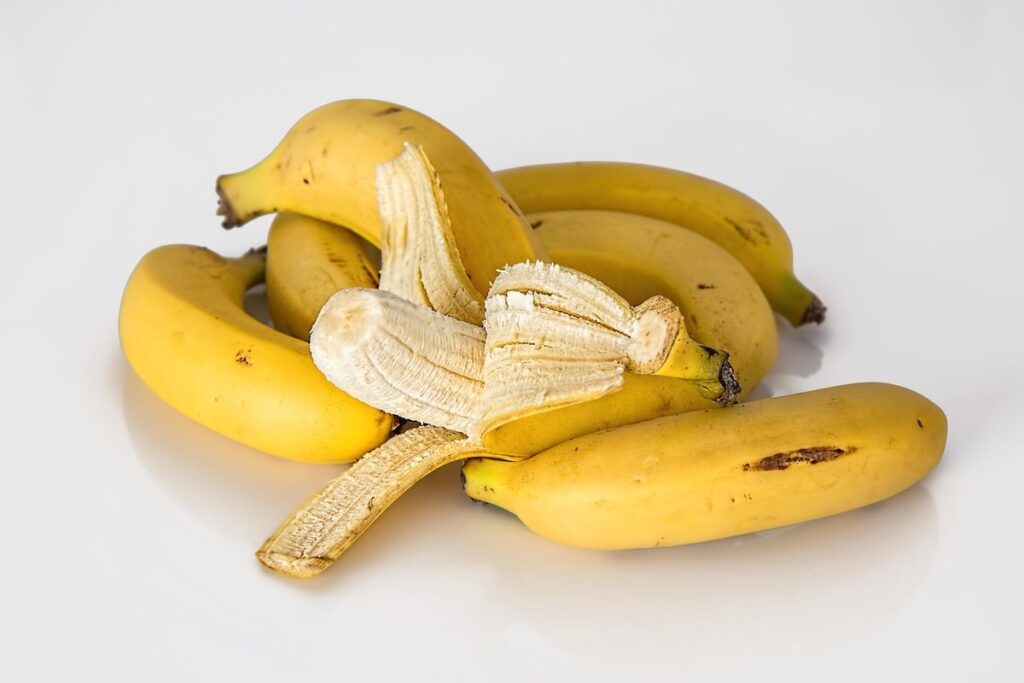
Understanding Duck Nutrition
To keep your feathered friends happy and healthy, understanding what nutrients ducks need is crucial. Let’s dive into the essential vitamins, minerals, and macronutrients that support optimal duck nutrition.
Nutritional Requirements for Ducks
Ducks require a balanced diet that includes essential nutrients to maintain their overall health and well-being. These nutrients can be categorized into three main groups: macronutrients, vitamins, and minerals.
Macronutrients are the primary source of energy for ducks, including carbohydrates, proteins, and fats. They should make up approximately 80-90% of a duck’s diet. Carbohydrates provide energy, while proteins help build and repair tissues. Fats serve as an additional energy source and also aid in the absorption of vitamins.
Vitamins are crucial for various bodily functions such as growth, development, and immune system function. The essential vitamins for ducks include vitamin A (important for vision and skin health), vitamin D3 (required for calcium absorption), and vitamin E (acts as an antioxidant). Minerals like calcium, phosphorus, and potassium are also vital for maintaining strong bones, eggshell production, and proper muscle function.
A balanced diet should include a mix of commercial duck feed, fruits, vegetables, and whole grains. For example, you can supplement their diet with sliced apples or leafy greens like kale. However, always ensure that banana peels are fed in moderation due to their potential toxicity levels.
Common Foods in a Duck’s Diet
When it comes to providing a balanced diet for ducks, understanding what they typically eat is essential. In their natural habitat, ducks are omnivores and feed on various foods including commercial duck pellets, fruits, vegetables, and insects.
Commercial duck pellets are often considered the main staple of a duck’s diet, as they provide a concentrated source of nutrients that support growth and maintenance. However, it’s essential to supplement these pellets with fresh produce to ensure your ducks get a variety of vitamins and minerals. Some excellent options include leafy greens like kale, spinach, and collard greens, as well as fruits such as berries, apples, and carrots.
In addition to these foods, ducks also love to forage for insects in their enclosure or yard. Mealworms are an excellent treat that can be given in moderation. By incorporating a mix of commercial pellets, fresh produce, and insect protein into your duck’s diet, you’ll create a balanced and nutritious meal plan that supports overall health and well-being.
When deciding on treats like banana peels, it’s essential to consider their nutritional value and potential impact on your duck’s diet. In the next section, we’ll explore whether banana peels are safe for ducks to eat and what precautions to take when introducing new foods into their meal plan.
Importance of Variety in Duck Diets
When it comes to feeding our feathered friends, providing variety is crucial for maintaining a healthy digestive system and preventing nutritional deficiencies. A duck’s diet should consist of a mix of grains, fruits, vegetables, and proteins to ensure they’re getting all the necessary vitamins and minerals.
If you only feed your ducks bananas peels, they may develop nutritional deficiencies over time. For example, a diet lacking in calcium can lead to softening of their eggshells or even weaken their bones. Similarly, a lack of vitamin E can cause issues with their skin and feathers. To avoid this, it’s essential to introduce other food sources into their diet.
Try incorporating fruits like apples, berries, and melons, along with leafy greens like kale, spinach, and collard greens. You can also provide cooked rice, oats, or quinoa as grains. Additionally, consider giving them crushed eggshells or cuttlebone for calcium supplements. Remember to mix things up regularly to keep their digestive system healthy and prevent boredom. Aim to offer a variety of foods daily, making sure they have access to clean water at all times.
Can Ducks Eat Banana Peels Safely?
If you’re considering sharing banana peels with your feathered friends, it’s essential to know whether they can eat them safely without any harm. We’ll explore this crucial information next.
Potential Dangers of Banana Peels to Ducks
While banana peels are a nutritious treat for ducks, there are some potential dangers to consider. One of the main risks is toxicity from chemicals and pesticides that may be present on the peels. These chemicals can build up in a duck’s body over time, leading to serious health issues.
Gastrointestinal problems are another concern when feeding banana peels to ducks. The high fiber content in banana peels can cause digestive upset, including diarrhea, vomiting, and abdominal pain. Ducks with pre-existing gastrointestinal conditions may be particularly susceptible to these problems.
It’s also worth noting that banana peels can become moldy or develop bacteria if not stored properly, which can lead to fungal infections or botulism in ducks. To minimize the risks associated with feeding banana peels to your duck, make sure to wash them thoroughly before offering them as a treat, and only provide small amounts to prevent digestive upset.
Factors Affecting Toxicity in Banana Peels
The toxicity of banana peels for ducks can be influenced by several factors. For instance, the ripeness of the peel plays a crucial role in determining its safety. Green or unripe peels are more toxic than ripe ones due to higher concentrations of tannins and other compounds that can cause digestive issues in ducks.
Another factor affecting toxicity is the amount consumed. While an occasional snacking on banana peels by your duck might not cause significant harm, regular consumption can lead to gastrointestinal problems. It’s essential to establish a clear understanding of what amounts are safe for your feathered friends.
Additionally, individual tolerance also comes into play. Some ducks may be more sensitive to the toxins present in banana peels than others. Factors such as age, size, and overall health should be taken into account when determining whether banana peels are suitable for your duck’s diet.
It’s recommended that you introduce small amounts of ripe banana peel to your duck under close supervision. Monitor their behavior and adjust accordingly. If you notice any adverse reactions or signs of discomfort, discontinue the feeding immediately.
Can Ripe or Cooked Banana Peels be Safe?
While some may wonder if cooking or ripening banana peels can reduce their toxicity to a safe level for consumption by ducks, it’s essential to note that these methods don’t significantly decrease the peel’s concentration of solanine and other potentially toxic compounds. In fact, cooking can sometimes concentrate these toxins, making them even more hazardous for your feathered friends.
Ripening banana peels won’t necessarily break down their toxicity either. As bananas ripen, they release more ethylene gas, which can stimulate the production of solanine in the peel. This means that even a fully ripe banana peel may still pose some risk to your ducks’ health.
If you’re set on using banana peels for your duck’s benefit, it’s best to stick with unripe or green peels. These tend to have lower levels of toxic compounds compared to their riper counterparts. However, even with green peels, moderation is key. Limit the amount fed and make sure it doesn’t become a staple in their diet.
In any case, always prioritize your duck’s health and safety by consulting with a veterinarian or experienced poultry keeper before introducing banana peels into their meal plan.
Toxic Compounds in Banana Peels
While banana peels may be safe for ducks to eat, there are some potentially toxic compounds present that we’ll need to consider. Let’s take a closer look at what these substances might do to your feathered friends.
Solanine: The Main Concern
Solanine is a toxic compound found in high concentrations in banana peels. It’s a natural defense mechanism produced by plants to protect themselves from insects and diseases, but it can be detrimental to ducks if ingested. Solanine is particularly abundant in the peels of bananas that have ripened or are overripe.
If your duck eats banana peels containing solanine, they may experience symptoms such as vomiting, diarrhea, lethargy, and even abdominal pain. In severe cases, solanine toxicity can lead to more serious health issues, including respiratory problems and heart issues. The severity of the symptoms depends on several factors, including the amount of solanine consumed and your duck’s individual sensitivity.
To avoid any potential harm, it’s essential to keep banana peels out of reach of your ducks. If you must provide them with treats, opt for banana-free alternatives that are safer and healthier for your feathered friends.
Other Potential Toxins in Banana Peels
In addition to aflatoxins and pesticides, banana peels may contain other compounds that could be detrimental to ducks. One such group is phenolic acids, a type of plant compound found in many fruits and vegetables. These acids have been linked to various health issues in animals, including oxidative stress and organ damage.
Another potential concern is saponins, a class of compounds known for their ability to form soap-like substances when mixed with water. While not typically toxic, high concentrations of saponins can cause gastrointestinal upset in ducks. This could be particularly problematic if the banana peels are being fed in large quantities or as a primary food source.
It’s worth noting that the levels and types of these compounds can vary depending on factors like the ripeness of the bananas, growing conditions, and storage practices. To minimize risks, it’s essential to provide ducks with a balanced diet that includes a variety of nutrient-rich foods. If you do choose to offer banana peels, make sure they are fresh, clean, and provided in moderation.
Handling and Preparing Banana Peels for Ducks
Now that you know ducks can eat banana peels, let’s dive into how to handle and prepare them safely for your feathered friends. Here are some essential tips to follow.
Washing and Cleaning the Peels
When washing and cleaning banana peels for ducks, it’s essential to prioritize cleanliness to avoid contaminating the fruit with potential bacteria. Start by rinsing the peels under running water to remove any loose dirt or debris. Next, mix 1 tablespoon of white vinegar with 2 cups of water in a bowl, and soak the peels for about 30 minutes. This will help break down any stubborn stains and sanitize the surface.
After soaking, gently scrub the peels with a soft-bristled brush to remove any remaining dirt or residue. Rinse the peels thoroughly under running water to ensure all soap and vinegar are washed away. Finally, dry the peels with a clean towel to prevent bacterial growth before offering them to your ducks. This step is crucial in maintaining the health and well-being of your feathered friends.
It’s also worth noting that bananas themselves can be a potential allergen for some ducks, so it’s essential to introduce banana peels gradually and in moderation as part of their diet.
Chopping or Shredding the Peels
When preparing banana peels for your ducks, it’s essential to consider their size and texture. Chopping or shredding the peels can make them easier for ducks to digest and reduce choking hazards. Whole peels can be a significant risk factor for ducklings, as they are large enough to get stuck in their throats.
Breaking down the peels into smaller pieces not only makes them more manageable but also enhances nutrient absorption. When peels are intact, the tough fiber can cause digestive issues or blockages. By shredding or chopping them, you allow your ducks to process the nutrients more efficiently, reducing the risk of complications.
A simple way to achieve this is by using a food processor or blender. Simply add the banana peels and pulse until they reach the desired consistency. Be cautious not to overprocess, as this can create pulp that’s difficult for ducks to digest. A rough chop with a knife also works well, but be sure to aim for smaller pieces.
Remember, always supervise your ducks when feeding them banana peels, especially if you’re introducing new foods or textures. This will help you monitor their reaction and make any necessary adjustments. By chopping or shredding the peels, you can ensure that your feathered friends enjoy a safe and nutritious snack.
Conclusion: Can Ducks Eat Banana Peels?
So, you’ve weighed the pros and cons of sharing banana peels with your feathered friend – now it’s time to summarize what we’ve learned and make a final decision.
Summary of Key Findings
In summarizing our exploration into whether ducks can eat banana peels, several key points emerge that are crucial for duck owners and enthusiasts to consider.
Feeding banana peels to ducks does pose some risks. For one, the high sugar content in banana peels can lead to digestive issues if consumed in excess. Furthermore, the potential presence of pesticides or other chemicals on the peel can be detrimental to a duck’s health if ingested. We’ve discussed safe handling practices as well, which include thoroughly washing and drying the peels before offering them to your ducks.
Another vital consideration is individual tolerance. Just like humans, ducks have unique digestive systems that may react differently to certain foods. Some ducks may tolerate banana peels without issue, while others might experience adverse reactions. Monitoring your duck’s behavior and adjusting their diet accordingly is essential.
To minimize potential risks, it’s best to limit the amount of banana peel offered as a treat and ensure it doesn’t comprise more than 5-10% of their daily intake. You can also try rotating between different types of fruits and vegetables to keep their diet interesting and varied. If you notice any signs of distress or discomfort in your duck after introducing banana peels, discontinue feeding them immediately.
Ultimately, while ducks may be able to eat banana peels on occasion, it’s crucial to prioritize their health and well-being by being mindful of the potential risks involved. By adopting safe handling practices, monitoring individual tolerance, and maintaining a balanced diet, you can ensure your feathered friends stay happy and healthy.
Frequently Asked Questions
Can I still give my duck other treats if they can’t have banana peels?
Yes, there are plenty of healthy alternatives to banana peels that your ducks will love! Consider offering them fresh fruits like berries, apples, or grapes. You can also try giving them leafy greens like kale or spinach. Just remember to introduce new foods gradually and in moderation to ensure their digestive system can handle the changes.
How do I safely dispose of banana peels if my duck can’t have them?
To avoid attracting pests and creating a mess, it’s best to bury banana peels in your garden or compost pile. Make sure to cover the area with soil or mulch to prevent any potential toxicity from spreading to nearby plants or wildlife. This way, you’ll be reducing waste while keeping your backyard safe for both humans and animals.
Can I use ripe or cooked banana peels as a substitute?
While cooking or ripening banana peels may reduce some of the persin content, it’s still not a safe option for ducks. Persin is a stable compound that resists heat and water, making it difficult to completely eliminate from the peel. To keep your feathered friends healthy, stick with the recommended alternatives and avoid using banana peels altogether.
What are some signs of persin toxicity in my duck?
Be aware of any changes in your duck’s behavior or physical condition after introducing new foods. Watch for symptoms like vomiting, diarrhea, lethargy, or loss of appetite. If you notice any of these signs, consult with a veterinarian immediately to ensure the best possible treatment.
How do I balance my duck’s diet while avoiding common pitfalls?
To keep your ducks’ nutritional needs met, focus on providing a balanced mix of macronutrients, vitamins, and minerals. Avoid over-reliance on single foods or treats, and always introduce new items in moderation. Consider consulting with a veterinarian or experienced breeder to get personalized advice tailored to your duck’s specific needs.