
If you’re a duck owner or enthusiast, you’ve probably wondered about feeding your feathered friends cucumbers as a treat. But before you start slicing up those crunchy peels, it’s essential to know if they’re safe for ducks to eat. While cucumbers themselves are a nutritious addition to a duck’s diet, the peel can be a different story. Some might assume that cucumber peels offer similar benefits, but others worry about potential risks or complications.
This article will delve into the world of feeding cucumber peels to ducks, covering both the benefits and the precautions you should take. We’ll discuss how cucumbers fit into a duck’s nutritional needs, common mistakes to avoid, and provide tips on preparing these treats safely. Whether you’re looking for new ideas or just want to ensure your quacking companions stay healthy, this article has got you covered!
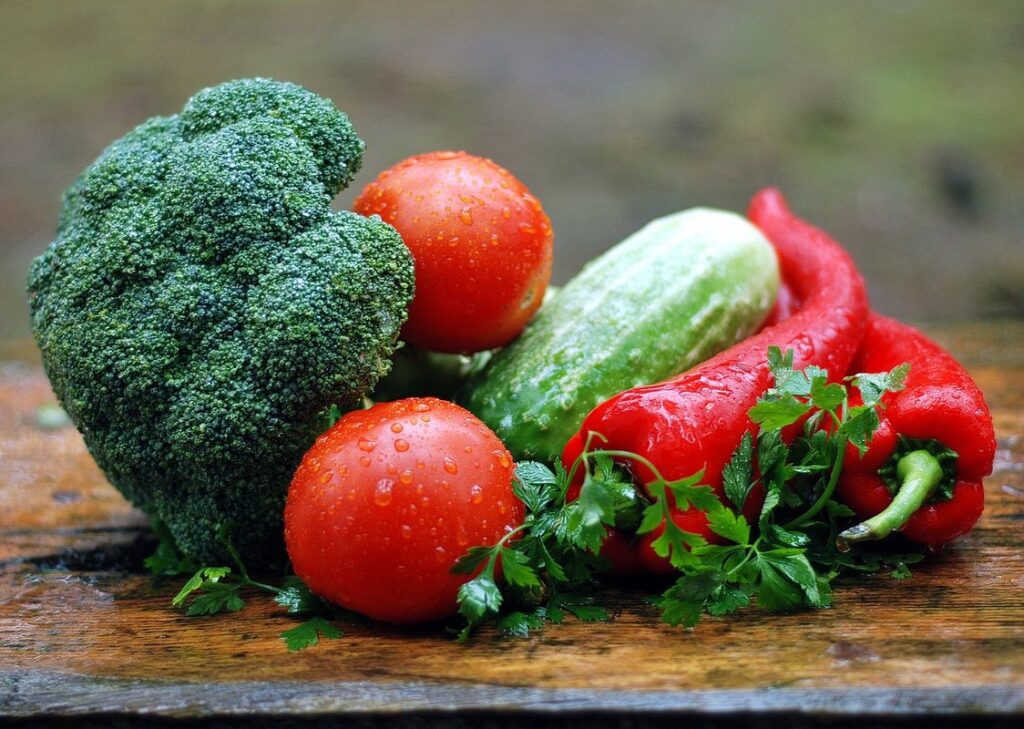
Introduction to Feeding Ducks Vegetables
If you’re considering adding more crunch to your duck’s diet, you’ve probably wondered whether they can eat cucumber peels safely. Let’s explore that.
Why Add Vegetables to a Duck’s Diet?
Incorporating vegetables into a duck’s diet is crucial for their overall health and well-being. When it comes to ducks, their primary source of nutrition should come from commercial duck pellets or grains. However, adding vegetables can provide essential nutrients that complement their regular diet. Leafy greens like kale and spinach are rich in iron, which helps maintain healthy red blood cells.
Ducks also require a sufficient amount of fiber from plant-based sources, such as carrots and sweet potatoes. A balanced mix of vegetables can help prevent health issues related to excessive protein intake or metabolic disorders. For instance, cucumbers themselves, including their peels, are low in calories and rich in water content, making them an excellent addition to a duck’s diet.
To ensure your ducks receive the most benefits from vegetables, it is essential to introduce them gradually to prevent digestive upset. A general rule of thumb is to start with 10-15% of their regular feed consisting of fresh vegetables. Monitor their consumption and adjust accordingly based on individual preferences and health needs.
Common Vegetables Fed to Ducks
When it comes to feeding ducks vegetables, there are many options available that can provide them with essential nutrients and vitamins. Leafy greens like kale, spinach, and lettuce are all safe for ducks to eat and can be a great source of iron and calcium. These leafy greens can be given raw or cooked, but make sure to chop them into small pieces to prevent choking.
Carrots are another popular vegetable that ducks enjoy eating. They’re high in fiber and can help support healthy digestion. You can also give your duck squash, such as acorn or butternut, which is rich in vitamins A and C. Other vegetables like bell peppers, cucumbers (without peels), and sweet potatoes can also be fed to ducks in moderation.
When introducing new vegetables to your duck’s diet, make sure to do so gradually to prevent digestive upset. Start with small amounts and gradually increase the serving size over time. Also, ensure that all vegetables are clean and free of any pesticides or contaminants before feeding them to your duck.
Cucumber Nutrition and Safety for Ducks
When it comes to feeding your feathered friends, you want to ensure they’re getting only the best, so let’s dive into the nutritional benefits of cucumbers for ducks.
The Nutritional Value of Cucumbers for Ducks
Cucumbers are an excellent addition to a duck’s diet, providing a wealth of nutritional benefits. Rich in vitamins A and K, cucumbers also offer significant amounts of potassium, magnesium, and manganese. These essential minerals play a crucial role in maintaining healthy bones, muscles, and organs.
The high water content in cucumbers makes them an excellent choice for keeping ducks hydrated, especially during hot summer months when access to clean drinking water may be limited. Furthermore, cucumbers contain antioxidants like fisetin, which help protect against cell damage and support immune function.
To incorporate cucumbers into your duck’s diet, start by offering small amounts as a treat or mixed with their regular feed. A good rule of thumb is to provide about 1-2 slices per pound of body weight daily. Be sure to also offer fresh water at all times, and consider adding other nutrient-rich foods like leafy greens and fruits to create a balanced diet.
When giving cucumbers to your ducks, make sure they are free from any pesticides or chemicals by washing them thoroughly before serving. Also, be mindful of overfeeding, as this can lead to digestive issues. By introducing cucumbers in moderation, you can provide your feathered friends with a delicious and nutritious snack that supports their overall health and well-being.
Potential Risks and Concerns When Feeding Cucumber Peels to Ducks
When it comes to feeding cucumber peels to ducks, there are some potential risks to consider. One of the most significant concerns is the choking hazard. Ducks, especially young ones, can easily get their beaks and throats tangled up with the long strips of peel, leading to a blocked airway. This can happen if you’re not careful when preparing or serving cucumber peels as treats.
Additionally, feeding excessive amounts of cucumber peel can cause digestive issues in ducks. The peel is high in fiber, which may cause stomach upset or diarrhea if consumed in large quantities. It’s essential to introduce cucumber peels gradually and in moderation, monitoring your duck’s reaction closely.
To minimize the risks, start by giving your duck a small piece of peeled cucumber as a trial run. Watch for signs of digestive distress, such as vomiting or lethargy. If you notice any adverse reactions, discontinue feeding cucumber peels altogether. Always prioritize your duck’s health and safety when introducing new foods.
Can Ducks Eat Cucumber Peel Safely?
So, you’re wondering if it’s safe for your feathered friends to crunch on cucumber peels. Let’s dive into what happens when ducks eat cucumber peel and if it’s a healthy treat option.
Precautions for Feeding Cucumber Peels to Ducks
When feeding cucumber peels to ducks, it’s essential to take some precautions to ensure their safety and health. First, make sure to wash the cucumber peels thoroughly with clean water to remove any pesticide residues or dirt that might be present. You can also soak them in a mixture of equal parts water and white vinegar for about 30 minutes to further reduce any potential toxins.
When it comes to portion control, start by giving your ducks a small amount, about 1-2 tablespoons per duck, and observe their behavior. If they seem interested and are eating the peels eagerly, you can gradually increase the amount over time. However, avoid overfeeding, as cucumber peels are relatively high in water content and can cause digestive issues if consumed excessively.
It’s also crucial to note that some ducks might have individual sensitivities or allergies to certain types of cucumbers or their peels. Be vigilant and monitor your ducks’ behavior closely for any signs of discomfort or illness after feeding them cucumber peels. If you notice any adverse reactions, discontinue feeding immediately and consult with a veterinarian for guidance.
Signs of Illness or Intolerance in Ducks Eating Cucumber Peels
If you suspect that your duck is experiencing difficulties with cucumber peel digestion, it’s essential to recognize the signs of illness or intolerance. Keep a close eye on your feathered friend for these telltale symptoms:
* Diarrhea: Soft, runny stools can be a sign that your duck’s digestive system is struggling to process the high water content and fiber in cucumber peels.
* Vomiting: If your duck is vomiting after consuming cucumber peel, it may indicate that its body is rejecting the indigestible parts of the vegetable.
* Weight loss: Ducks who are unable to digest cucumber peels properly might experience weight loss due to malabsorption of essential nutrients.
Some other signs you might notice include lethargy, loss of appetite, or changes in droppings. If you observe any of these symptoms, it’s best to remove the cucumber peel from your duck’s diet and consult with a veterinarian for advice on managing their digestive health.
Preparing Cucumber Peels for Duck Consumption
To safely prepare cucumber peels for your ducks, it’s essential to follow a few simple steps to remove any potential toxins and make them a healthy treat. Wash those peels carefully to start.
How to Clean and Prepare Cucumber Peels for Ducks
Cleaning and preparing cucumber peels for ducks is a straightforward process that requires attention to detail. Begin by washing the cucumber peels thoroughly under running water to remove any dirt, bacteria, or pesticide residue. If the peels are particularly dirty, you can soak them in a bowl of water with a tablespoon of white vinegar for about 30 minutes.
Once clean, it’s essential to dry the peels completely before chopping. You can use a salad spinner or simply pat them dry with a paper towel. Some people choose to peel the cucumber skins entirely, but this is not necessary. In fact, leaving some skin on will provide your ducks with extra fiber and nutrients.
Next, chop the cleaned and dried cucumber peels into small pieces, about 1-2 inches in length. This size is perfect for ducklings and adult ducks alike. Remember to only feed your ducks fresh cucumber peels – avoid using old or wilted ones as they can cause digestive issues. By following these simple steps, you’ll have healthy and delicious cucumber peel treats ready for your feathered friends.
Tips for Offering Cucumber Peels as a Treat or Supplement
When offering cucumber peels as a treat or supplement to ducks, it’s essential to do so safely and responsibly. Start by washing the cucumber thoroughly before removing the peel, then dry the peel completely to prevent mold growth. You can store peeled cucumbers in an airtight container in the refrigerator for up to three days.
As a treat, you can offer cucumber peels fresh or dried. To dry them, simply slice the peels thinly and place them on a baking sheet lined with parchment paper. Let them air-dry in a low-temperature oven (150°F – 200°F) for several hours or use a food dehydrator.
When supplementing your duck’s diet, make sure to offer cucumber peels in moderation. A general rule of thumb is to provide about 1/4 cup of peeled cucumber per 10 pounds of body weight daily. You can also add dried cucumber peels to your duck’s pellets or mix them with their regular food.
Remember that every duck is different, so monitor their behavior and adjust the amount accordingly. If you notice any adverse reactions, discontinue offering cucumber peels immediately.
Case Studies: Real-Life Experiences with Feeding Duck Cucumbers
Let’s dive into real-life scenarios where owners have successfully fed their ducks cucumber peels, and explore the benefits and results they’ve seen firsthand. You’ll get a closer look at what worked for them.
Success Stories from Experienced Duck Owners
Many duck owners have successfully fed their ducks cucumbers and cucumber peels with excellent results. On online forums like Reddit’s r/Ducks, numerous owners share their experiences of adding sliced cucumbers to their feathered friends’ diets.
For instance, a user named ‘DuckMama’ reported that her flock absolutely loves snacking on cucumber slices, which help keep them hydrated during the hot summer months. Another owner, ‘QuackersDad’, shared that he started feeding his ducks cucumber peels after reading about their nutritional benefits and saw an improvement in their overall health.
It’s also worth noting that some owners have reported using cucumbers as a reward or treat for good behavior, helping to train their ducks to do tricks and behaviors. A general rule of thumb is to introduce cucumbers gradually into your duck’s diet, starting with small amounts and monitoring their response before increasing the quantity.
Online communities like these offer valuable insights and advice from experienced owners who have seen firsthand how beneficial cucumbers can be for our feathered friends. By incorporating this natural snack into their diets, you may just find that your ducks become healthier and happier as a result!
Common Misconceptions and Failed Attempts to Feed Cucumber Peels to Ducks
While some well-meaning individuals have attempted to feed cucumber peels to their ducks, there are several common misconceptions that can lead to failed attempts. One of the main reasons why feeding cucumber peels to ducks doesn’t work is because they contain a high concentration of waxes and other compounds that make them difficult for the birds to digest.
Another misconception is that ducks will eagerly devour cucumber peels as a nutritious treat. In reality, most ducks won’t even touch the stuff, let alone eat it in large quantities. This can be frustrating for owners who are trying to come up with creative ways to add variety to their duck’s diet.
If you do decide to try feeding your duck cucumber peels, make sure they’re finely chopped and served fresh. Even then, it’s unlikely that the peels will be of much benefit to your feathered friends. Instead, consider sticking with nutrient-rich foods like leafy greens or healthy grains – these are far more likely to provide the nutritional boost your ducks need.
Conclusion and Final Thoughts on Feeding Cucumbers to Ducks
Now that we’ve explored the ins and outs of feeding cucumbers to ducks, let’s wrap up our findings and discuss what it all means for your feathered friends.
Recap of Key Points and Takeaways
In conclusion to our discussion on feeding cucumbers to ducks, let’s recap the key points and takeaways for duck owners considering incorporating cucumber peels into their pets’ diet. Firstly, it’s essential to note that cucumber peels are not toxic to ducks, but they can be difficult to digest if fed in excess.
One crucial takeaway is to ensure you’re only feeding your ducks fresh, clean, and organic cucumber peels. Any pesticide residues or contamination from the skin could harm your duck’s health.
Incorporating cucumber peels as a treat should not exceed 10% of their daily diet. It’s also vital to introduce them gradually to prevent digestive upset.
To make the most of this nutritious snack, try mixing diced cucumber peels with other vegetables or fruits for a balanced and varied meal. For instance, combine cucumber peels with chopped carrots and apples for a tasty treat that provides essential vitamins and minerals.
Additional Tips and Recommendations for a Balanced Diet
Incorporating cucumber peels into your duck’s diet can be a great way to provide essential nutrients and variety. However, it’s equally important to maintain balance and ensure they’re getting the right amounts of calcium, vitamins, and minerals.
To achieve this, consider adding other leafy greens like kale, spinach, or collard greens to their diet. These will help neutralize any potential risks associated with overconsumption of cucumber peels. Also, remember that treats should make up no more than 10% of your duck’s daily calorie intake.
It’s essential to note that ducks require a different balance of calcium compared to humans. To avoid issues like kidney stones or calcification, provide oyster shells as a source of supplemental calcium instead of relying on cucumber peels alone. By combining these elements and being mindful of your duck’s overall diet, you can minimize potential risks while maximizing the benefits of feeding them cucumber peels.
Monitor their behavior closely for signs of discomfort or digestive issues after introducing new foods into their diet.
Frequently Asked Questions
Can I give cucumber peels to ducklings as well?
Yes, you can offer cucumber peels to ducklings, but make sure they’re not too small or easily ingested whole. Cut the peels into smaller pieces to prevent choking hazards and ensure a safe introduction of new foods.
How often can I feed my ducks cucumber peels as treats?
You can offer cucumber peels 1-2 times a week, depending on your duck’s nutritional needs and overall diet. Balance is key; too many treats can lead to nutrient imbalances. Always consult with a veterinarian if you have concerns about your duck’s health or nutrition.
What are the signs that my ducks are allergic to cucumber peels?
Watch for symptoms like itching, skin lesions, excessive drooling, or diarrhea after consuming cucumber peels. If you notice any of these signs, discontinue feeding them and consult with a veterinarian to determine the best course of action.
Can I use organic or non-organic cucumbers for my ducks?
Both options are fine, but consider using organic cucumbers if possible. Organic produce tends to have fewer pesticide residues, which can be beneficial for your duck’s overall health. Always wash the peels thoroughly before offering them as treats.
How long does it take for cucumber peels to digest in a duck’s system?
Cucumber peels typically pass through a duck’s digestive system within 24-48 hours after consumption. However, the exact digestion time may vary depending on individual factors like the duck’s age, health, and diet. Always monitor your ducks’ behavior and stool quality when introducing new foods or treats.